

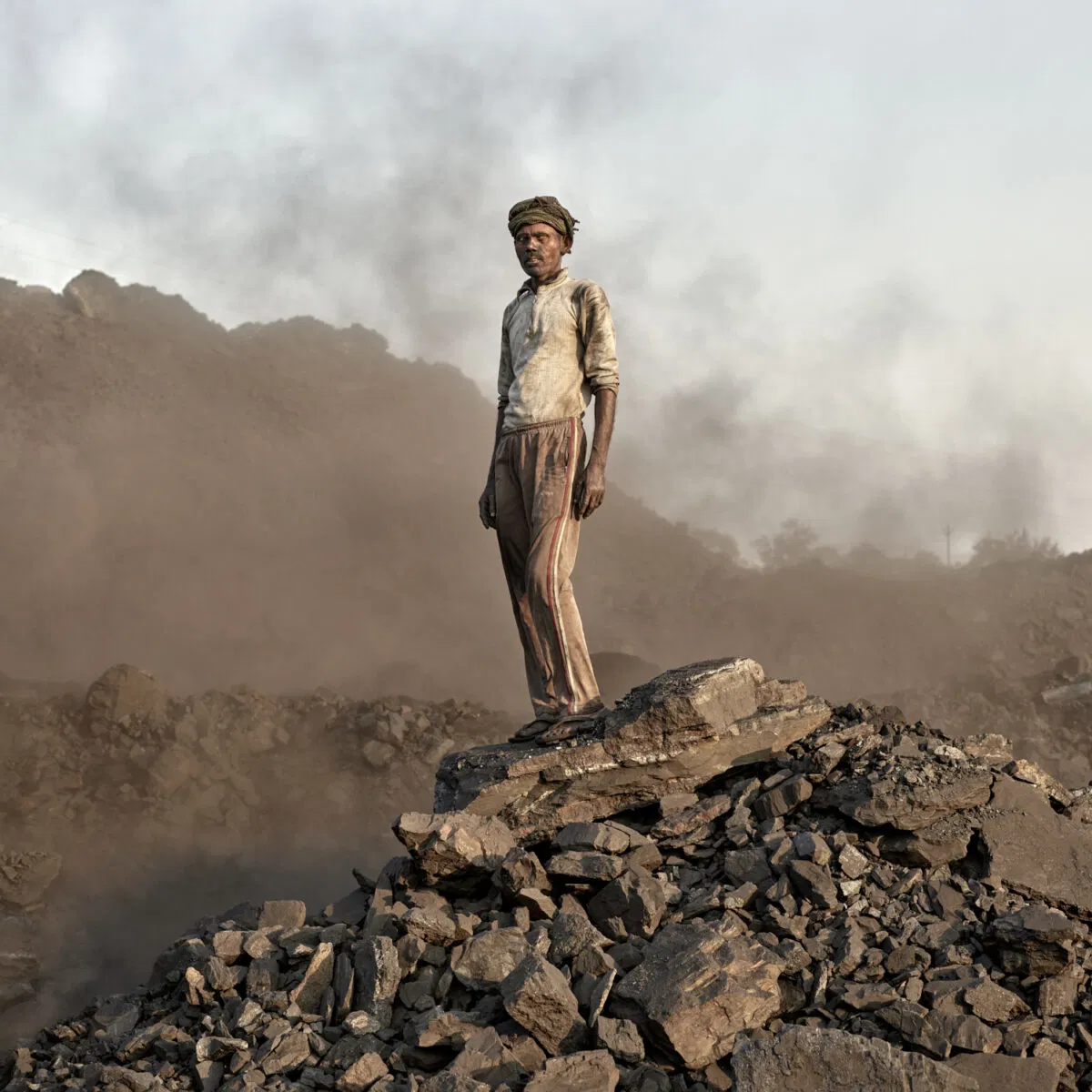
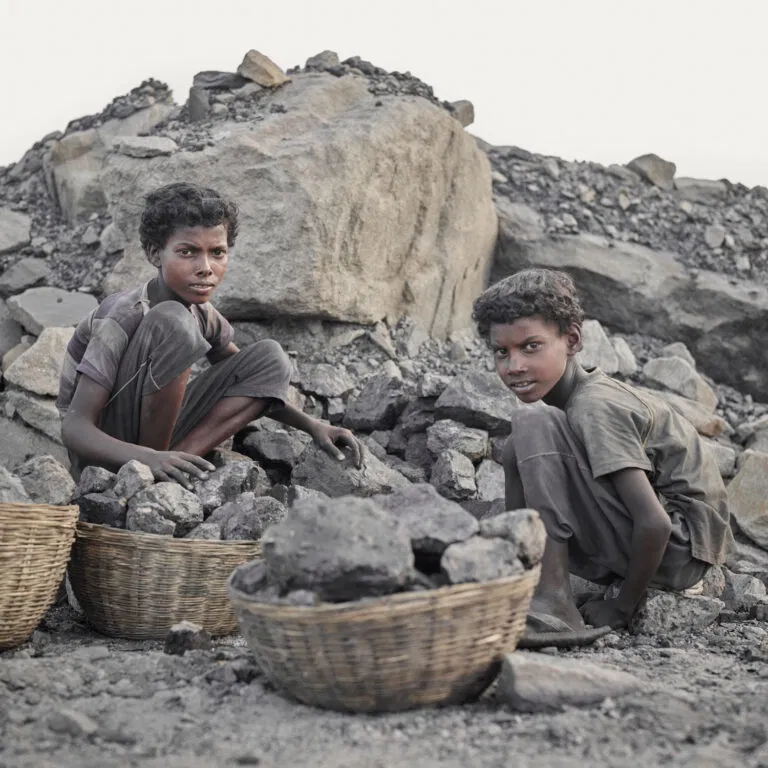
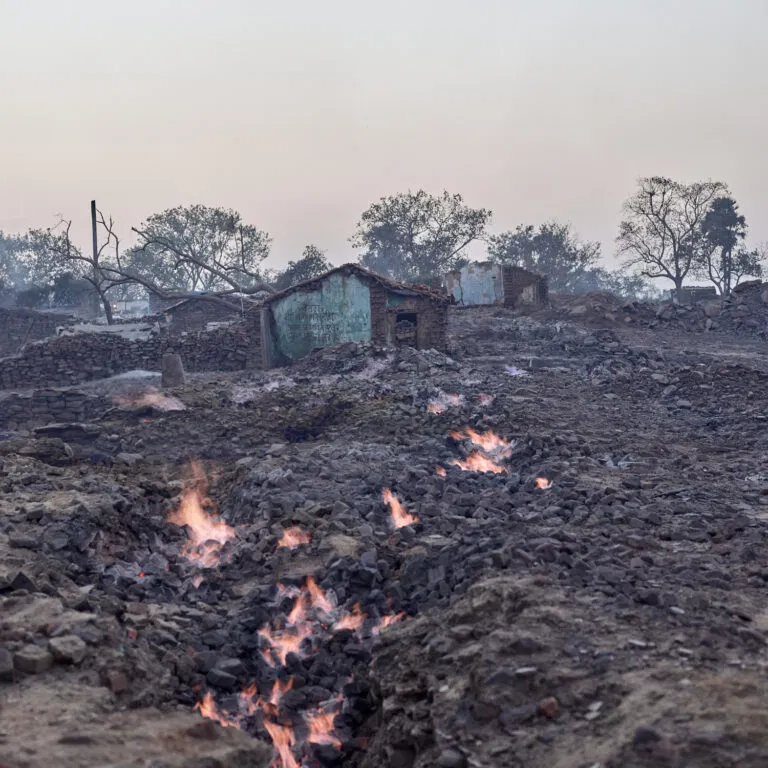
In Jharkhand, India, fires smolder on the blackened earth, releasing toxic gases into the air. Amid the fire and smoke, men, women, and children dig with their bare hands for a humble rock—known here as “Black Diamond”.
In Jharia, in the Dhanbad district of Jharkhand, coalfields have been burning continuously for over a century.
Swedish-born documentary photographer Sebastian Sardi was drawn to the area after reading an NGO article about coal mining in China, where as many as 20,000 deaths occur annually due to coal-related pollution. The article, however, lacked photographs, which sparked Sardi’s interest in documenting this issue. His journey took him first to China, then to the world’s largest open-cast coal mine in Kazakhstan, before finally arriving in Jharkhand in 2019.
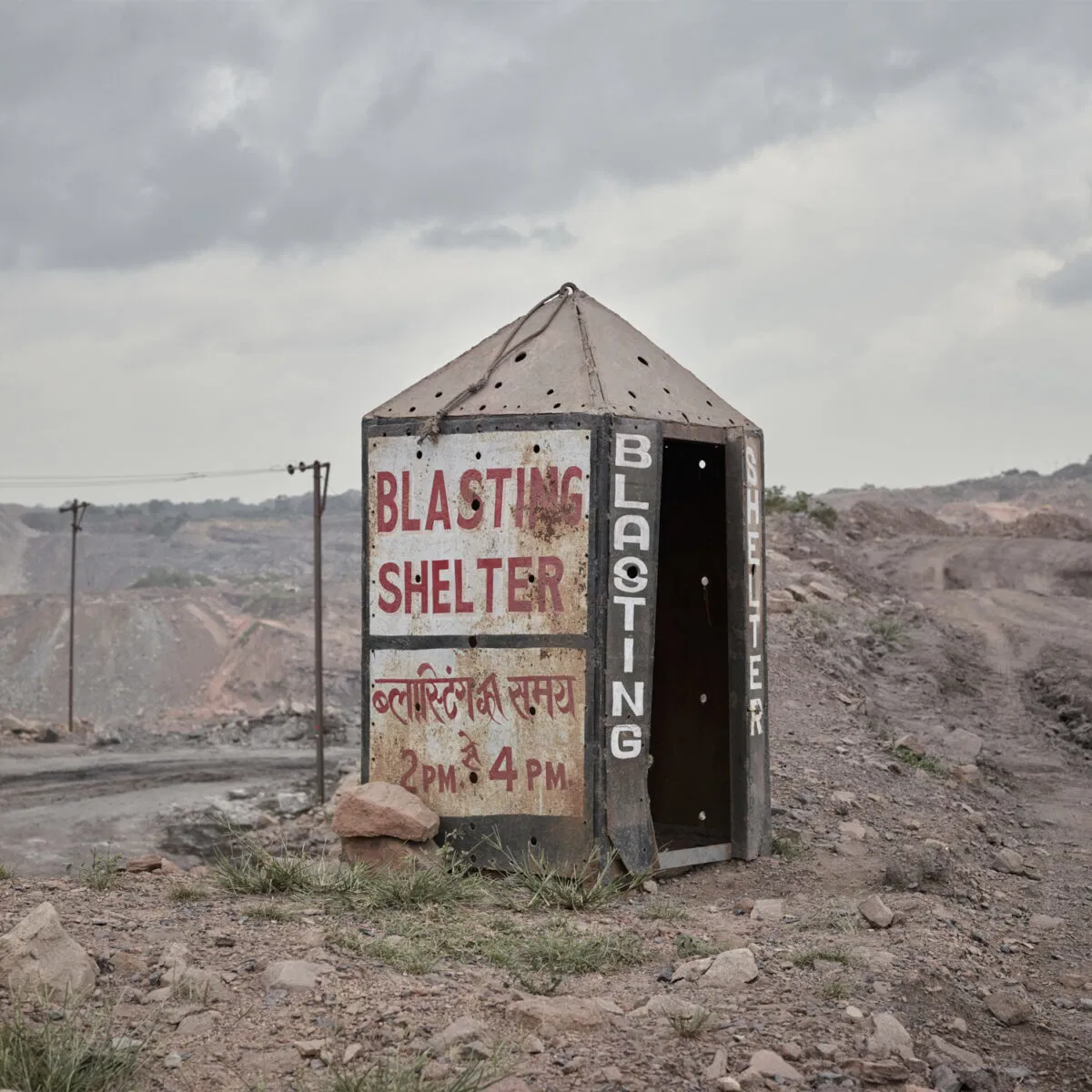
Stretching across 110 square miles, it produces the majority of India‘s coal, which is crucial to the country’s energy supply, accounting for around half of its production. Once mostly confined to underground tunnels, the fires have now spread to the surface due to the rise in open-cast mining in recent decades, bringing devastating consequences for both the local population and the environment.
In Jharkhand, coal is king—dominating the local economy and providing jobs for people of all ages. Many work as coal loaders for the state-controlled mining company, while others navigate the toxic fumes in search of a meager livelihood. The air is thick with pollutants, and respiratory diseases like tuberculosis, bronchitis, and asthma are widespread. It’s a tragic dichotomy: the very thing that sustains their lives is also slowly taking them away.
Seeing the devastation, Sardi felt compelled to document it, and over time, the project grew. Initially, he found it difficult to build relationships, but after many visits, and with the help of translators and fixers, things became easier. Returning time after time allowed him to revisit the same people and places. Each time he returned, he would bring prints of the images he had taken and gift them to those working in the mines and living in the villages. This gesture helped build trust and opened many doors to the communities and their homes.
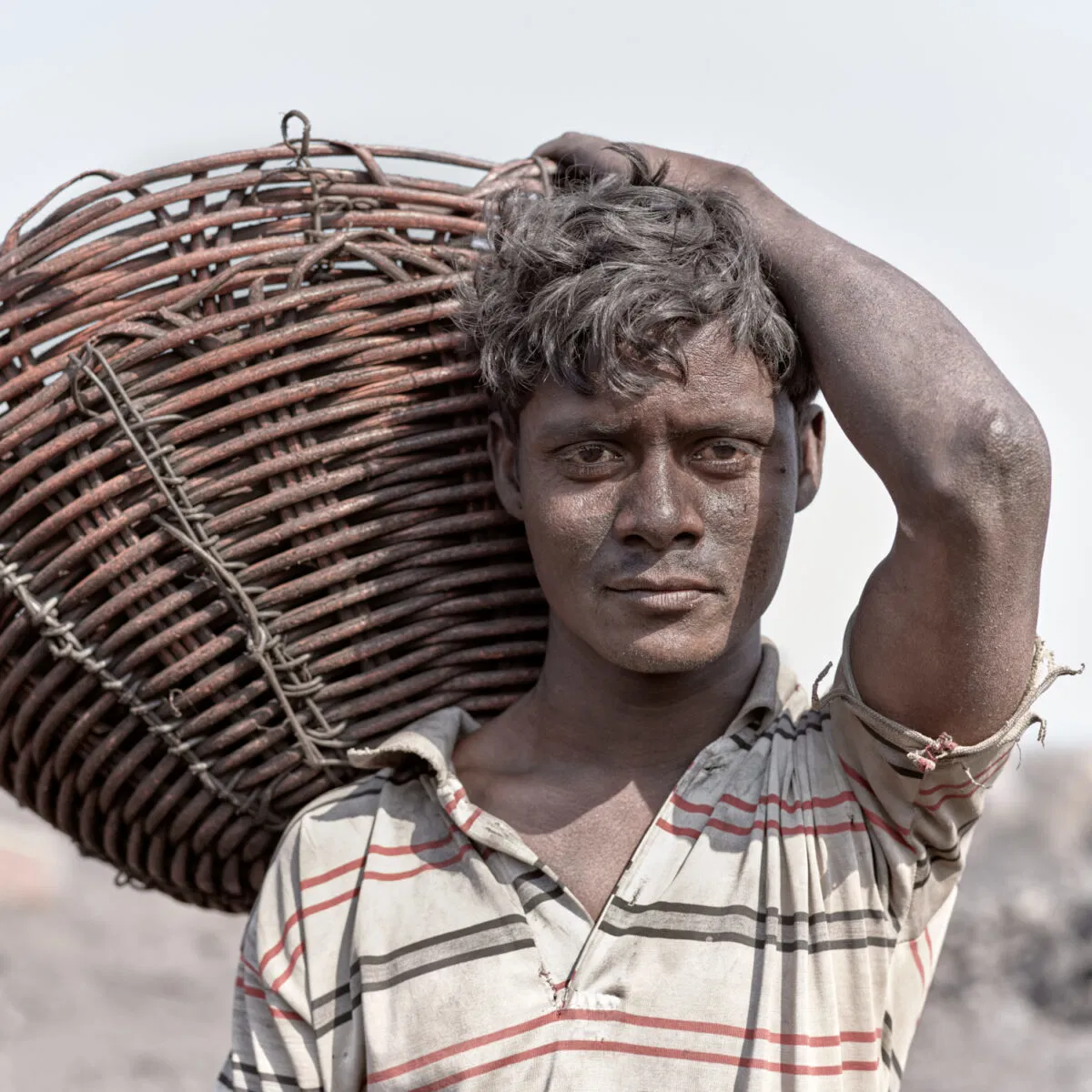
Sardi’s aim was to connect with people and create honest, authentic portraits that they felt were respectful and representative of their lives and situations. He sought to shine a light on the individuals who are the backbone of one of the largest industries in India: the coal industry, a sector that plays a major role in the Indian economy. Yet, despite their critical contribution, the workers receive little in return for the grueling labor they endure.
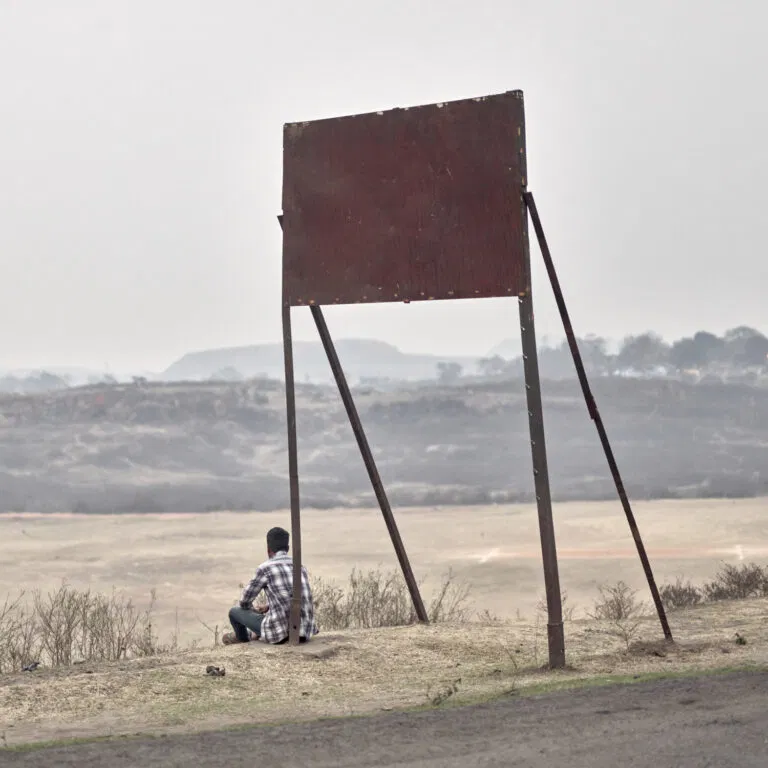
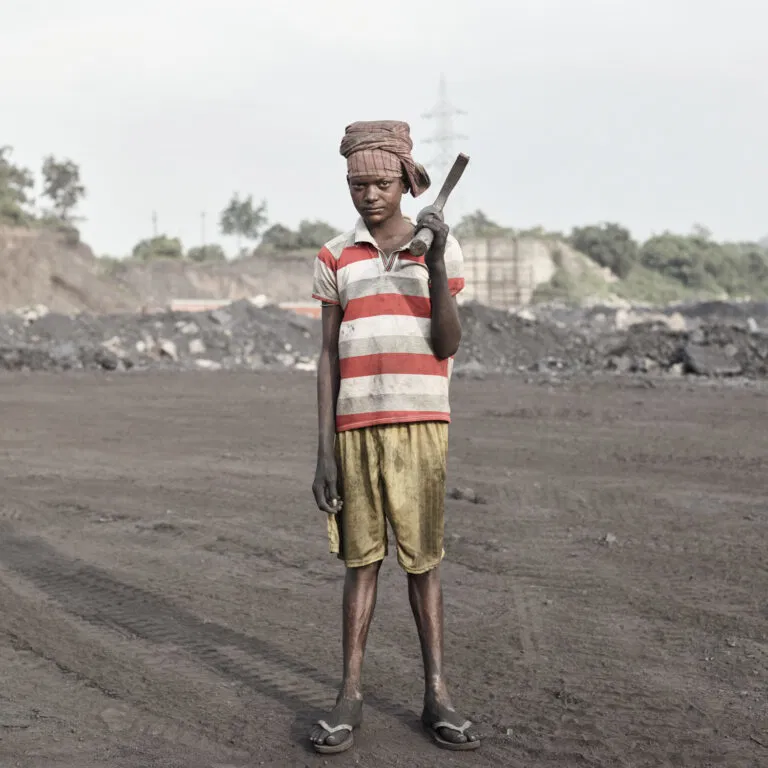
Sardi does this beautifully. His portraits often use shallow depth of field, blurring the background to keep the subjects sharply in focus, which creates a surreal quality. The dark, otherworldly landscapes occasionally come into focus but remain distant, punctuated by man-made structures—symbols of the faceless authorities who control and profit from the industry, yet remain absent from its daily struggles.
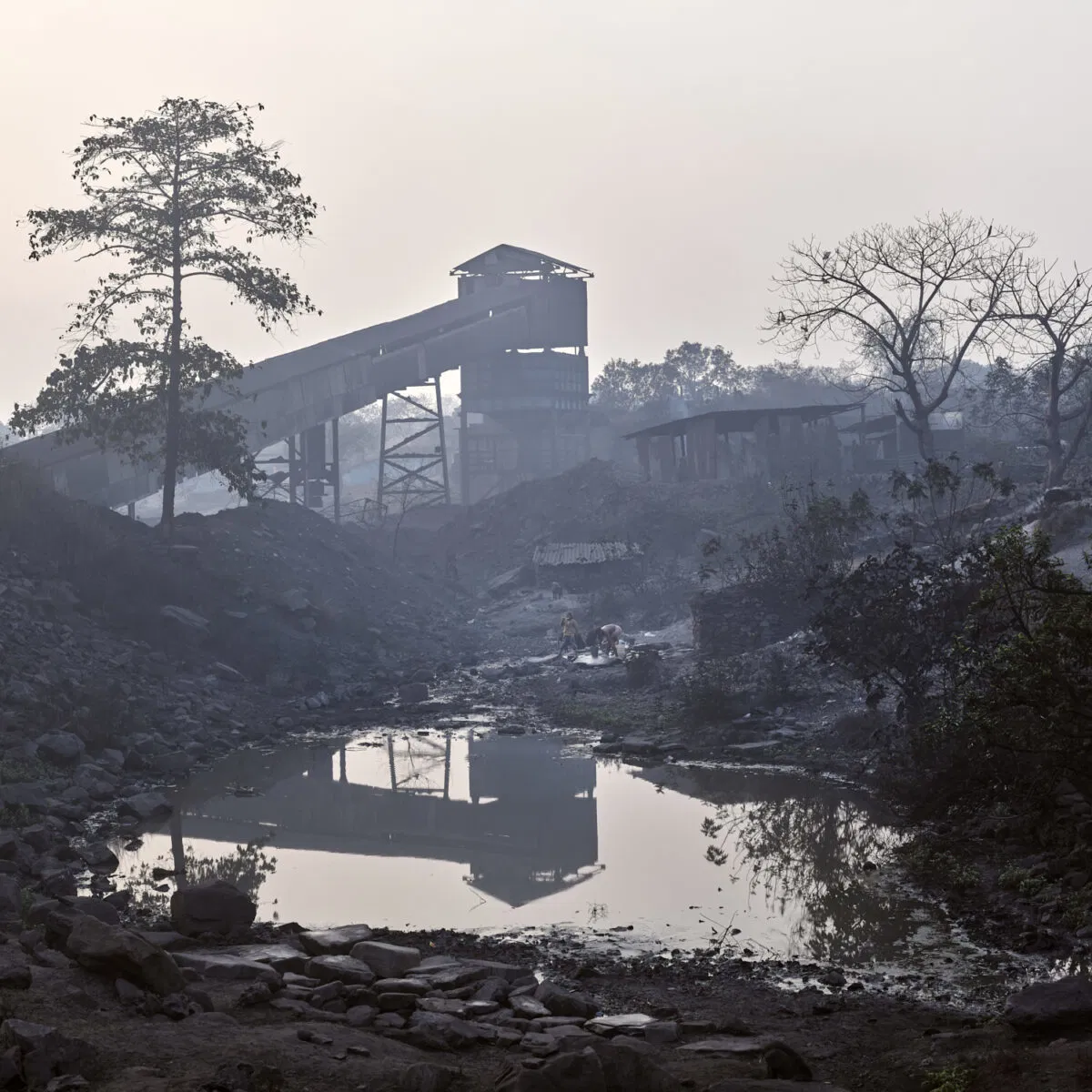
The coal is a constant—an ever-present force, engulfing everything, much like it does with the lives of the people who live here. The Black Diamond, a precious resource, gives them life while gradually ruining it. Once, this land was arable, rich with crops and agriculture. But as coal became more valuable, the land was sacrificed, slowly disappearing beneath the industry. Now, almost nothing grows here. The soil has been stripped of its nutrients, ravaged by the toxic effects of mining.
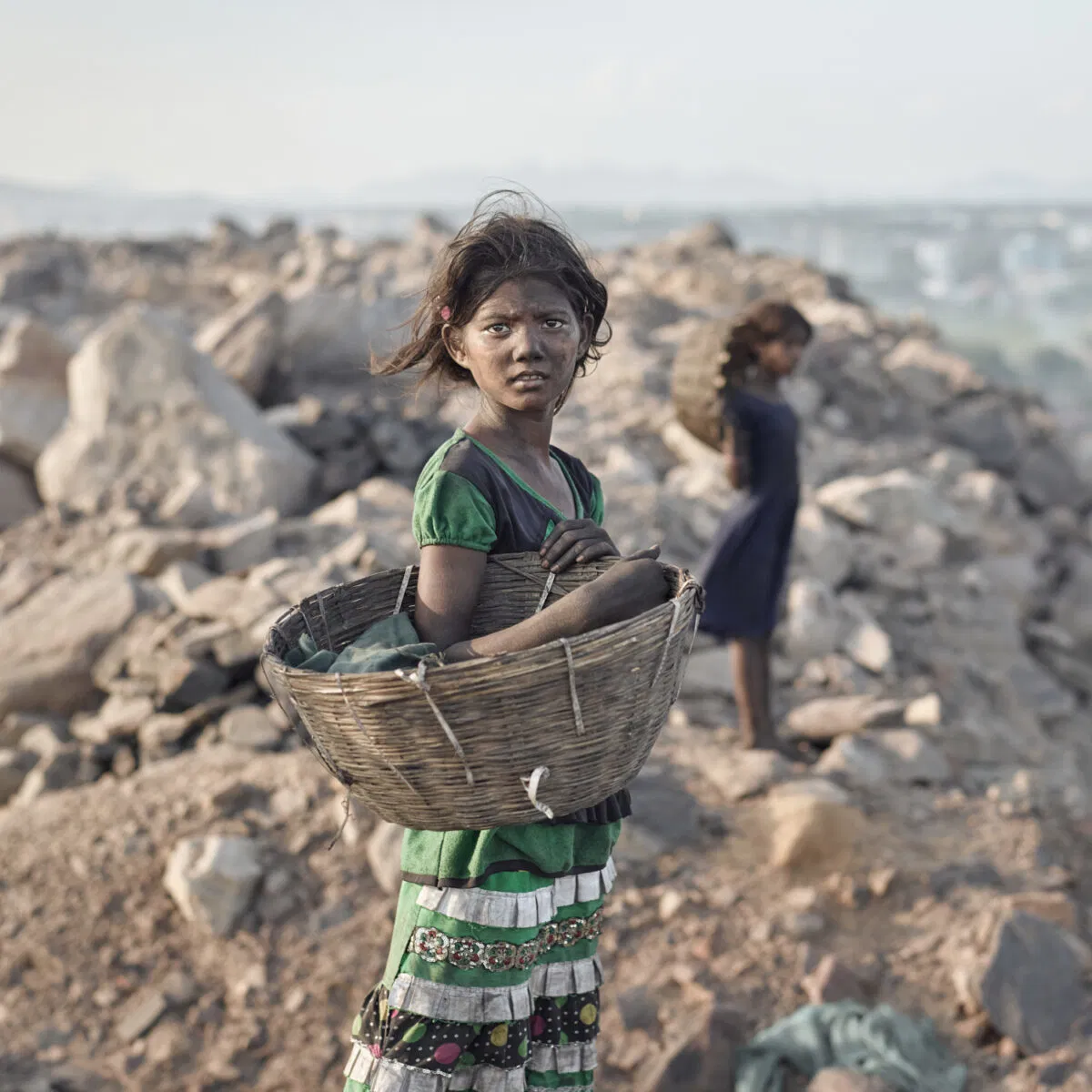
Sardi acknowledges that he cannot change the course of these people’s lives, but he can remove their anonymity. Like many industries, those of us who live in wealthier countries of the Global North often benefit from the labor of those living in poorer parts of the world, without ever being confronted by their reality. Through his work, Sardi removes their anonymity, placing them at the center of the story. As he puts it: “Hopefully, the viewers can better understand that consumption is not only about coal as a natural resource, but that the industry also consumes human lives, nature, and our entire planet in the long run.”
Todas las imágenes © Sebastian Sardi