

Published by Blue Lotus Editions, Hong Kong Symphony brings together an extensive collection of Fan Ho’s photographs of his home city, taken throughout the 1950s and 1960s.
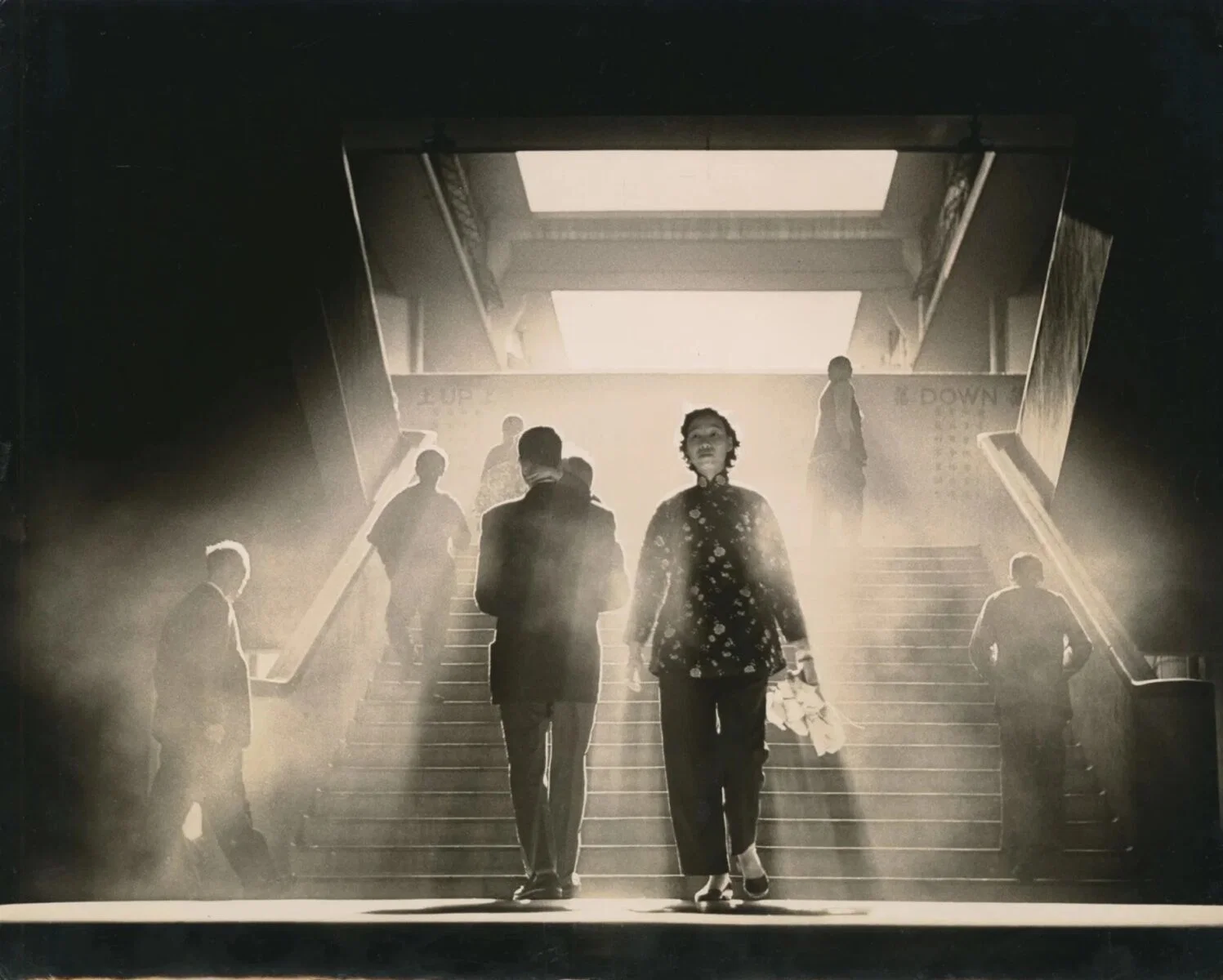
Few photographers have captured their city with the same prolificacy and poetic sensibility as 何藩 did with Hong Kong. His photographs from the 1950s and 1960s have become some of the most iconic images of the city, celebrated for their precise compositions, dramatic interplay of light and shadow, and quiet observations of everyday life.
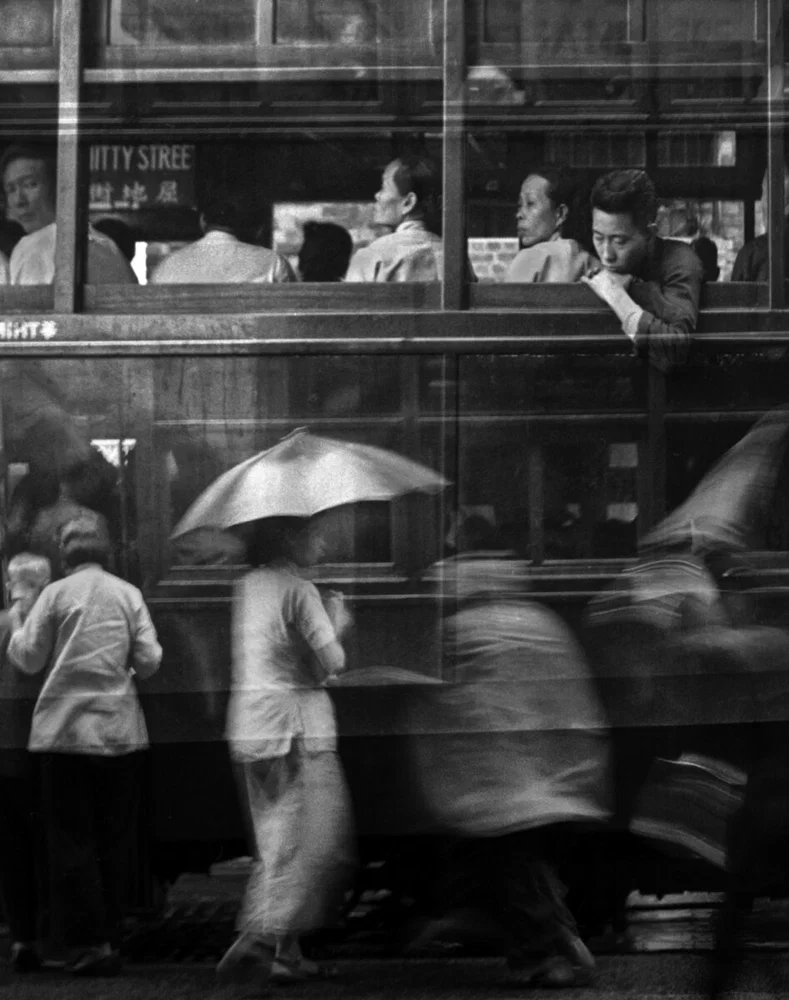
Yet, despite his considerable reputation in Asia, Ho has often remained less familiar to Western audiences. His work is often discussed alongside better-known Western figures in the history of street photography, and as a result, his contribution and distinctive sensibility have not always received the recognition they deserve.
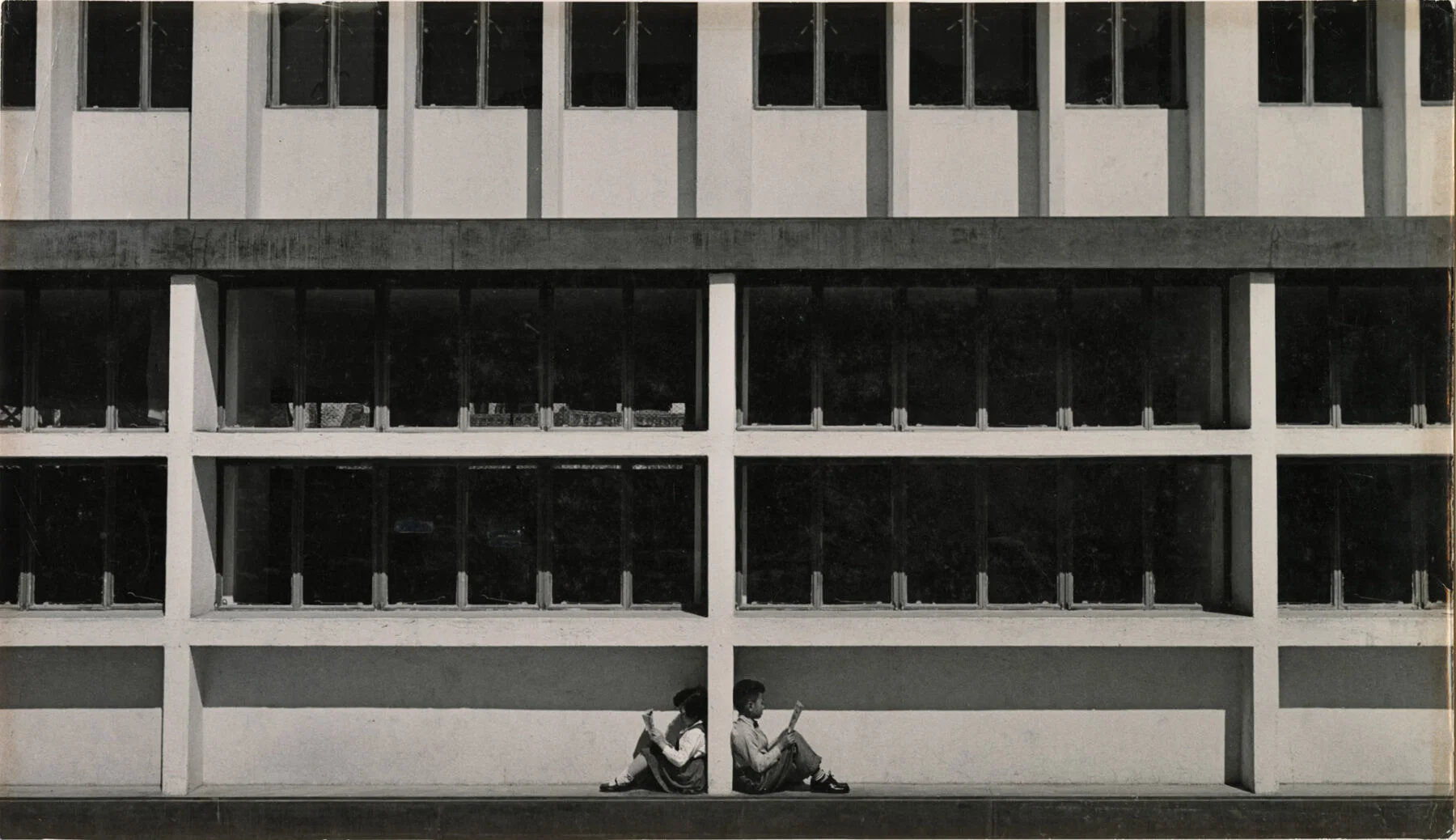
Published by Blue Lotus Editions, Hong Kong Symphony brings together decades of Ho’s photographs of his home city, from some of the images that have become synonymous with his name to lesser-known works that reveal the true depth of his artistry.
Taken as a whole, and accompanied by Sarah Van Ingelgom’s essay, the collection makes a compelling case for his rightful place in the wider history of photography, alongside the better-known names of his generation.

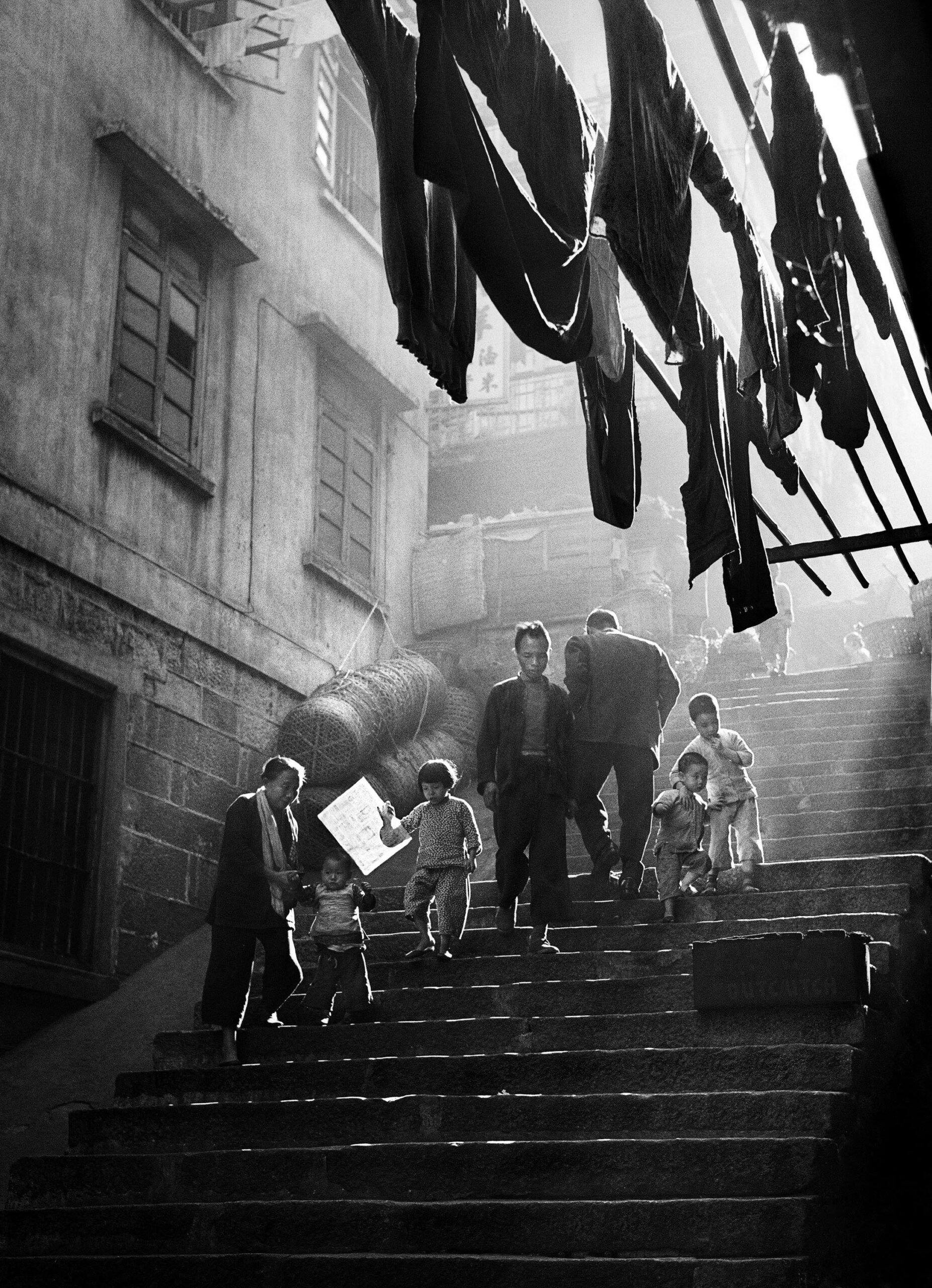
Born in Shanghai in 1931, Fan Ho moved with his family to 香港 in 1949. Photographing with a Rolleiflex twin-lens reflex camera, he spent long hours walking the streets of a city undergoing dramatic change. Traditional markets and older neighbourhoods existed alongside the expansion of a modern metropolis, providing a rich backdrop for his observations of everyday life, which he captured with a remarkable sensitivity and skill.
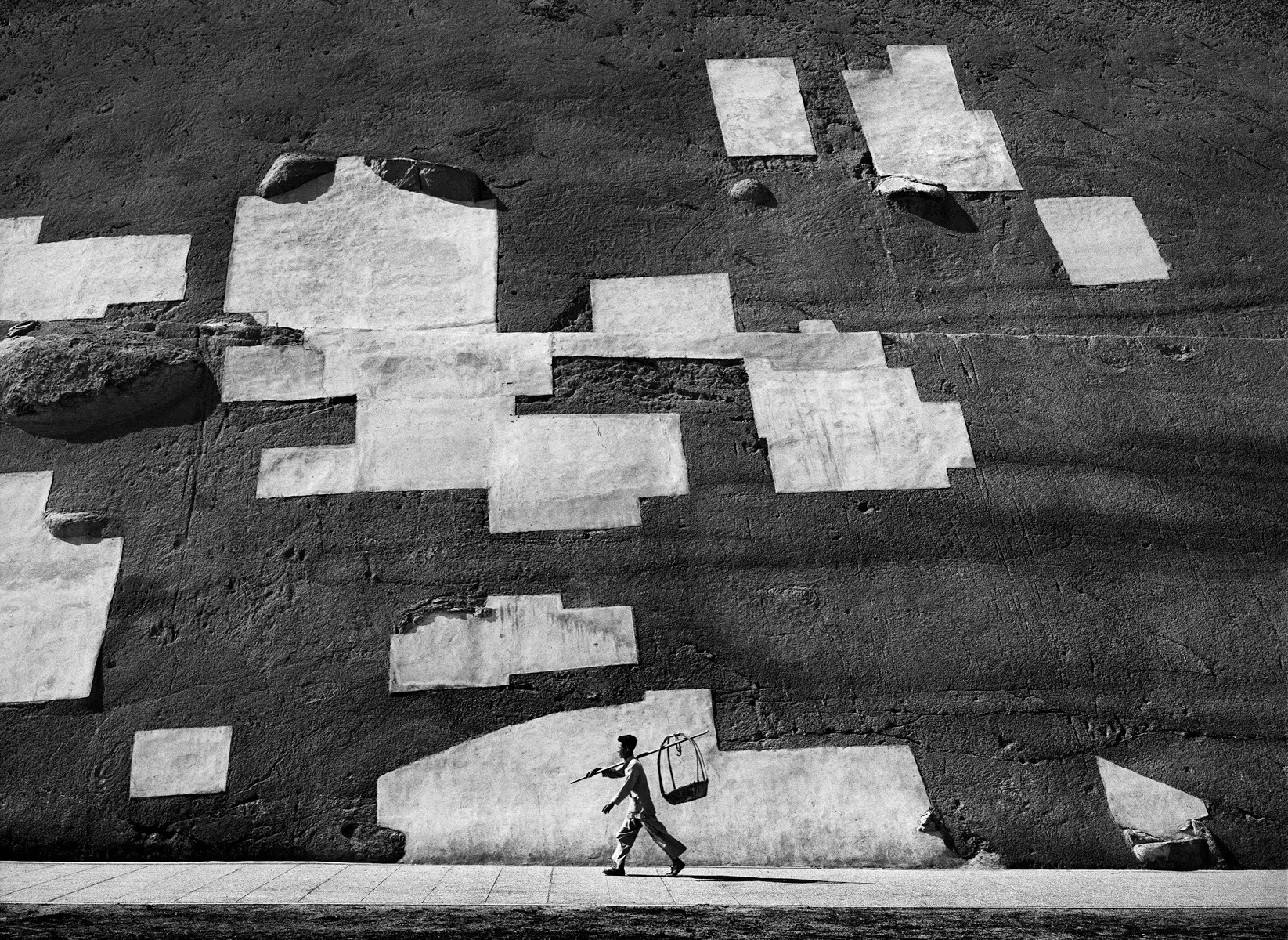
In her accompanying essay, Sarah Van Ingelgom considers Ho’s work in relation to the wider history of photography, drawing out some of the influences and parallels that help place his practice in context.
He has often been referred to as ‘The Henri Cartier-Bresson of the East’, a comparison that is perhaps inevitable. Like the Frenchman, Ho had an extraordinary sensitivity to timing and the relationships that emerge between people and their surroundings, and there are also echoes of Andre Kertész in the poetic treatment of urban life and the isolation of individual figures, and Robert Frank’s attention to the emotional character of the street.
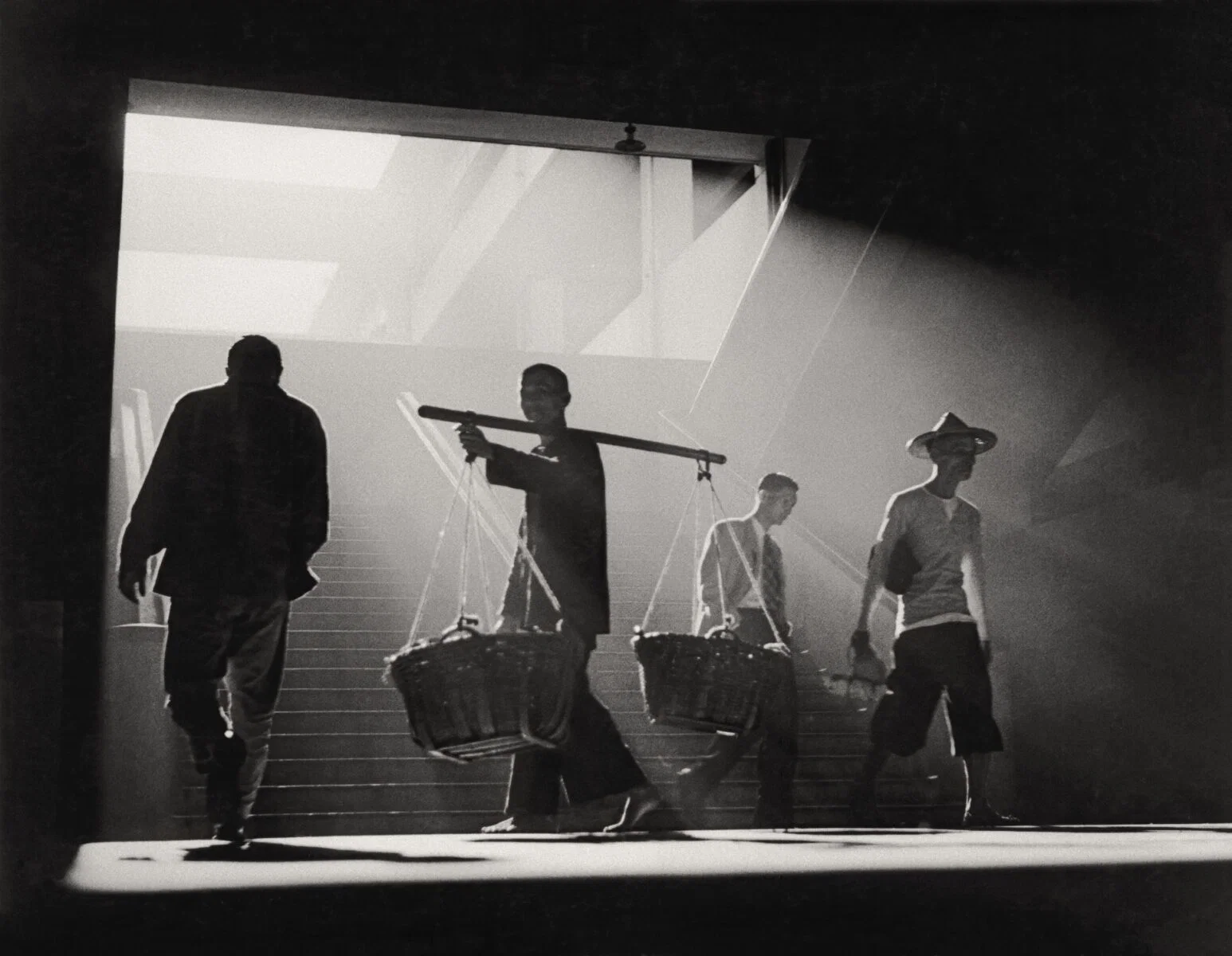
Yet Ho’s approach was distinctly his own. His experience as an actor, director, and screenwriter, alongside his deep interest in classical music, informed the way he observed and composed the world around him, bringing together light, shadow, and human figures with an almost cinematic sense of rhythm and arrangement.
But for Ho, composition did not end with the click of the shutter. Often, the process continued in the darkroom, which he regarded as a second stage of the creative process. Through cropping, dodging, and burning, he would refine the balance of an image, adjusting tonal relationships and removing distractions, with the final print holding as much importance as the moment of exposure.
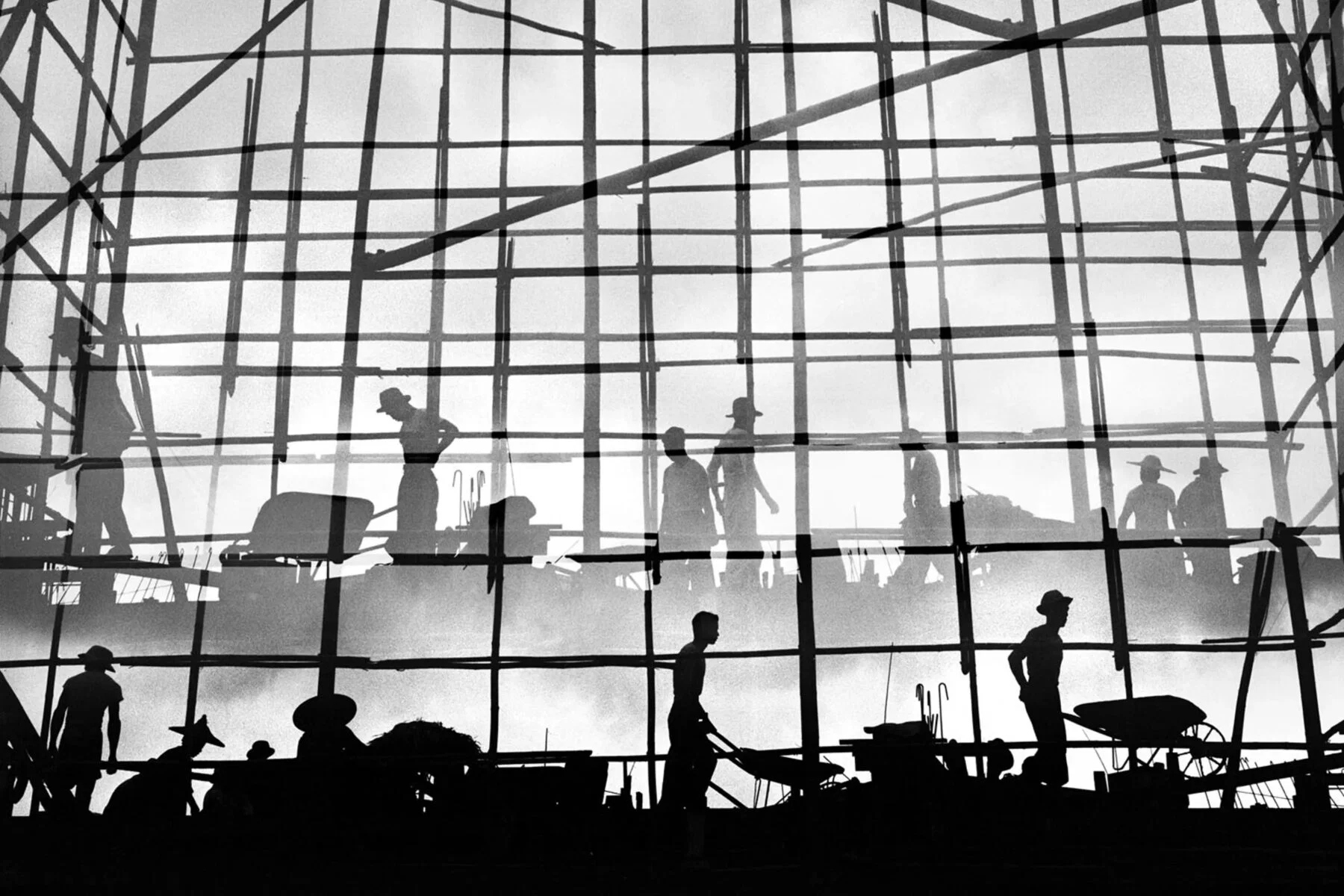
The book also explores Ho’s later experiments with composite photography, in which he combined separate negatives, sometimes taken decades apart, to create entirely new images. By bringing together fragments of Hong Kong from different periods, he created imagined versions of the city, shaped as much by memory as by observation.
These works reveal just how far Ho’s approach to composition departed from that of the street photographers with whom he is often compared, allowing him to construct scenes that could never have existed in a single moment.
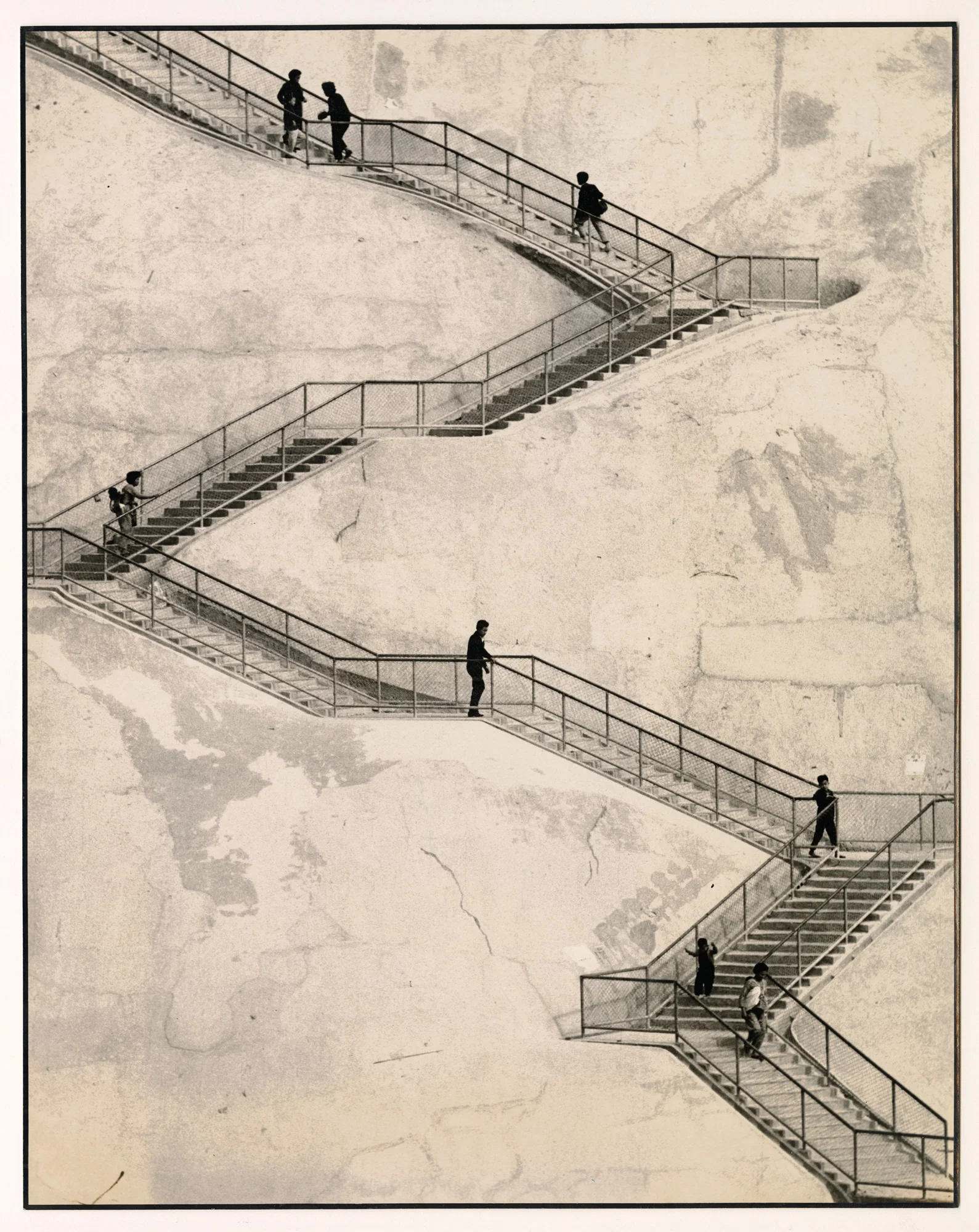
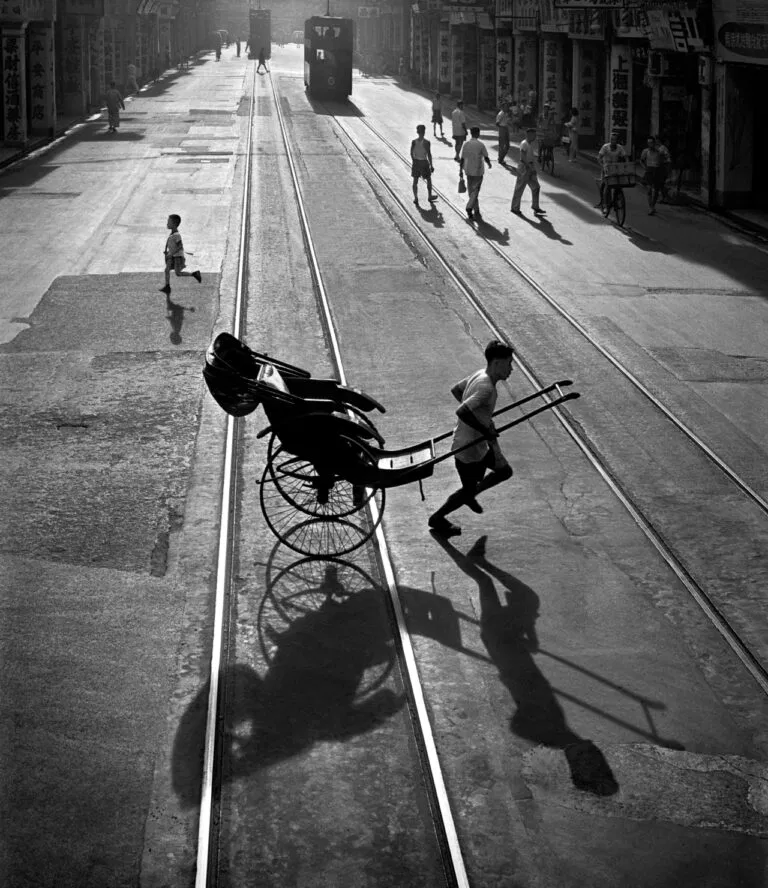
Hong Kong Symphony is an apt title. Taking in these images, these fragments of life, one truly begins to sense a rhythm running through them, a relationship between moments, gestures, and forms that gives the work its particular character. Much like the composers he so greatly admired, Ho understood how individual elements could be brought together to create something beautiful.
The book arrives at a time when Ho’s work is receiving renewed international attention. Alongside the accompanying exhibition at Blue Lotus Gallery in Hong Kong, his first European solo exhibition is currently on view at Palazzo Falletti di Barolo in Turin. His work is also included in Tate Modern’s Light and Magic: The Birth of Art Photography in London, and Hong Kong Reframed: Fan Ho and the Salon Generation at Fotografiska Shanghai.
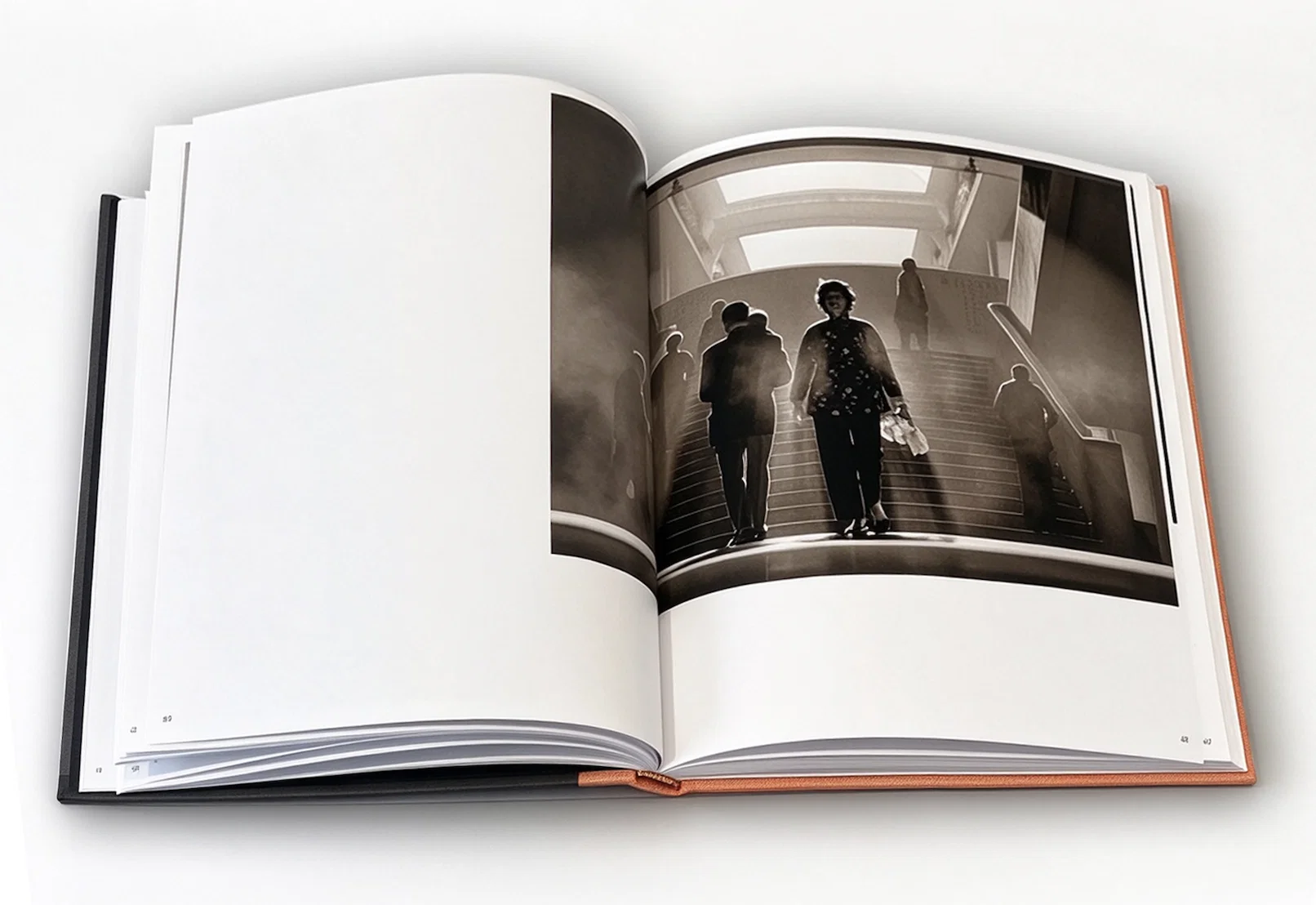
This growing recognition is a welcome development for a photographer whose place among the greats of his generation is still being established. Hong Kong Symphony makes a compelling case, paying tribute to a truly remarkable photographer and his interpretation of a city that was both his home and muse.
All images © Fan Ho Courtesy of 蓝莲花画廊
Hong Kong Symphony is published by Blue Lotus Editions and is available 这里。.