

“Forget everything you’ve learned on the subject of photography for the moment, and just shoot. Take photographs – of anything and everything, whatever catches your eye. Don’t pause to think.” – Daido Moriyama
London’s Photographer’s Gallery presents a landmark retrospective of work by influential Japanese photographer Daido Moriyama, who has spent six decades capturing life on the streets of Tokyo and beyond.
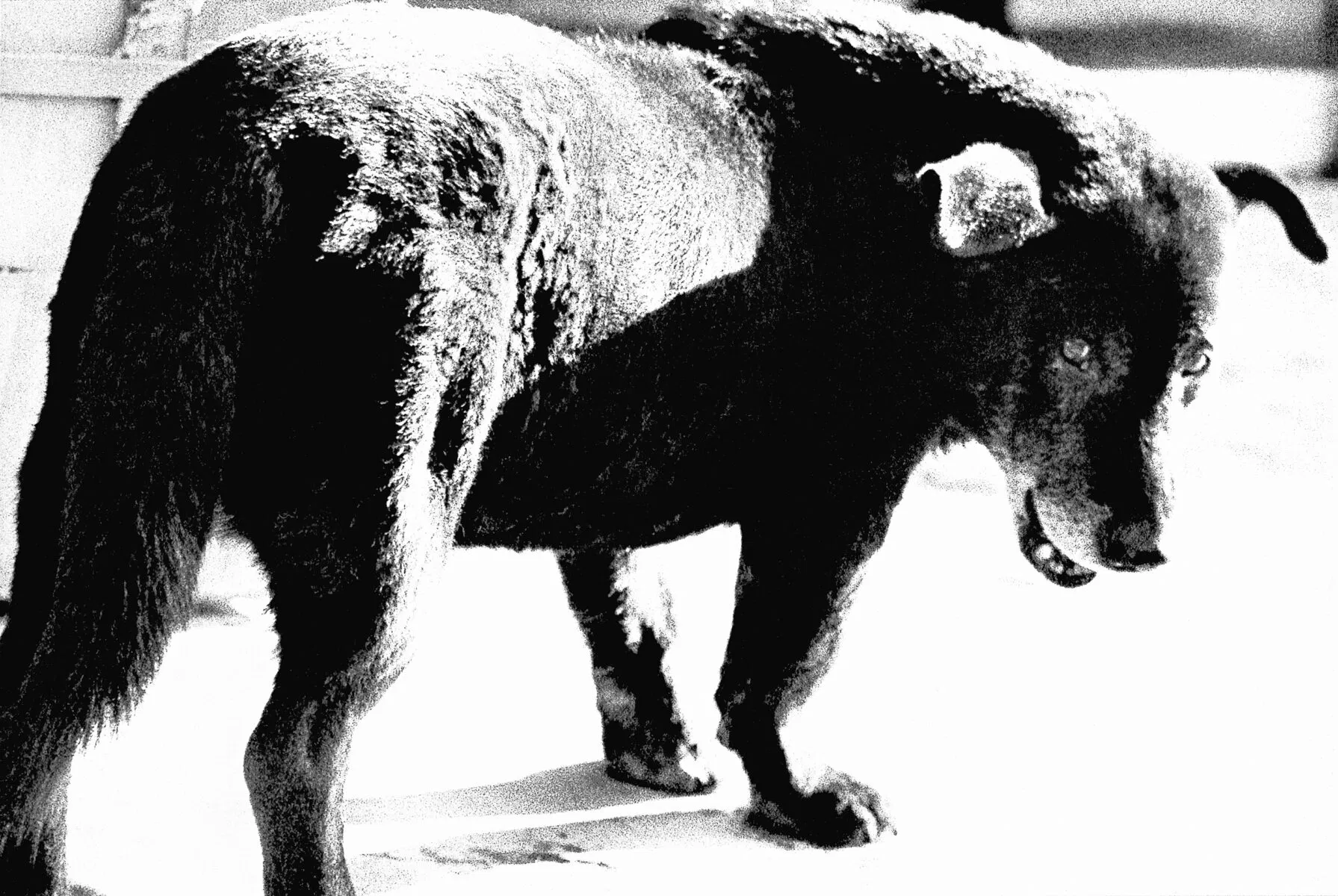
Featuring over 200 works spanning from the mid-1960s to the present day, Daido Moriyama: A Retrospective, chronicles the prolific and extraordinary career of one of the most important photographers of our time.
Born in Osaka, Japan, in 1938, Moriyama became interested in photography during his teens and pursued formal studies, before relocating to Tokyo, a city with which he would become synonymous.
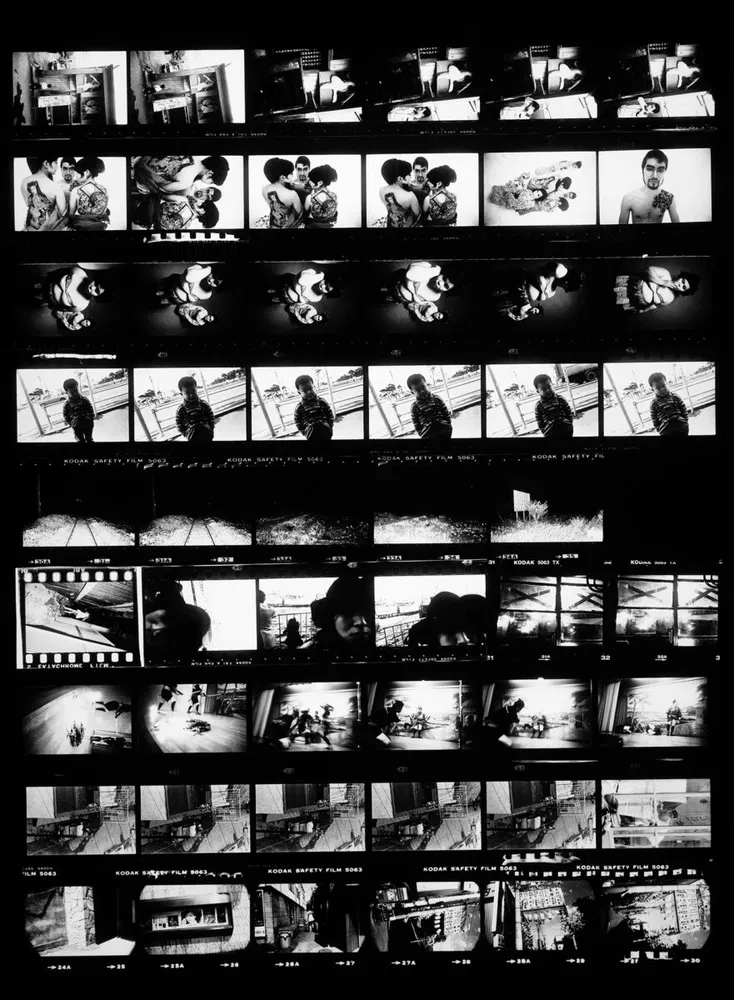
Moriyama’s early career was heavily influenced by 惹, a group of Japanese photographers (led by founding members Takuma Nakahira and Yutaka Takanashi) known for their gritty and often disorderly images, which reflected the nature of the country during that time. The group published three magazines in the late 1960s, with Moriyama joining from the second.
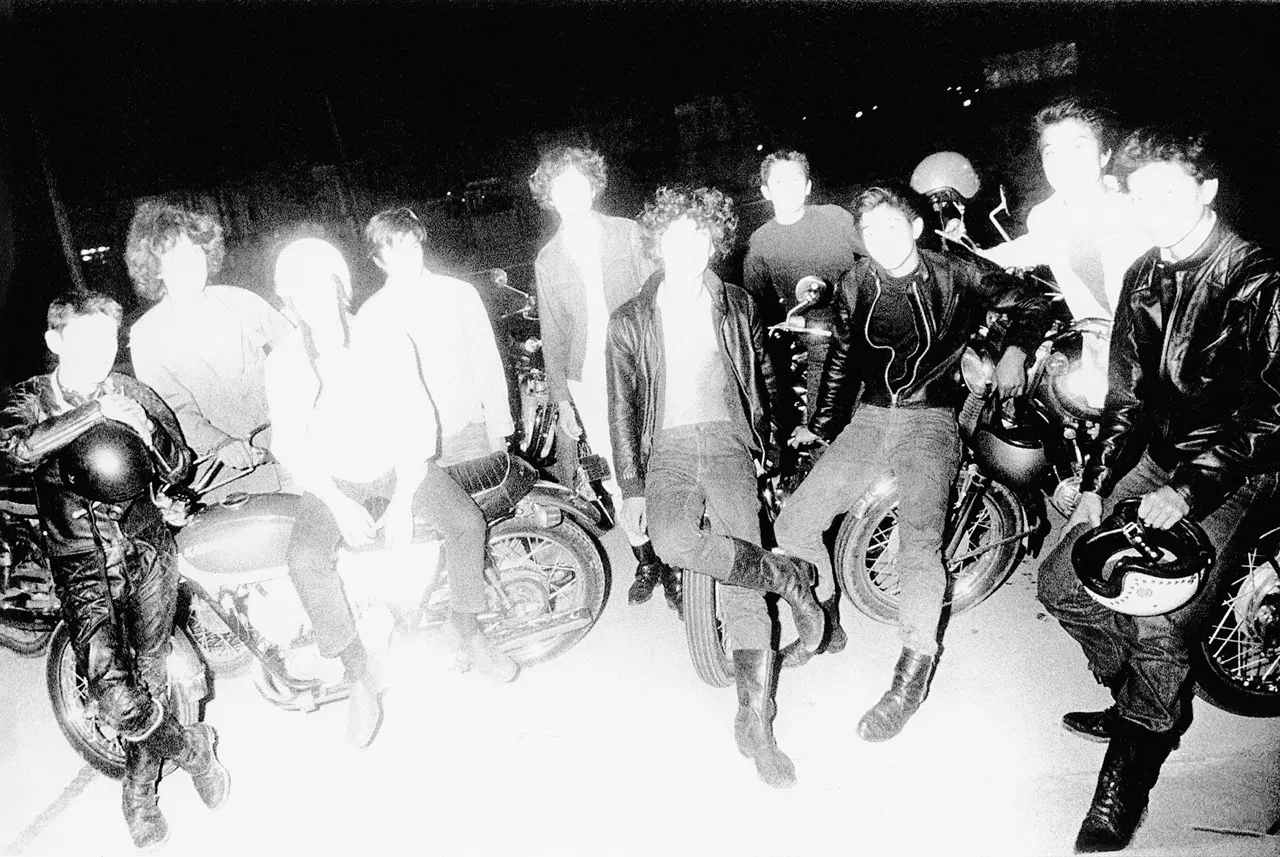
Although influenced and inspired in part by Western photojournalists like Henri Cartier-Bresson, Moriyama shared a desire to be more self-expressive, a sentiment also held by his fellow 惹 photographers who felt that photography could be radical, with space for creativity, individuality, and subjectivity.
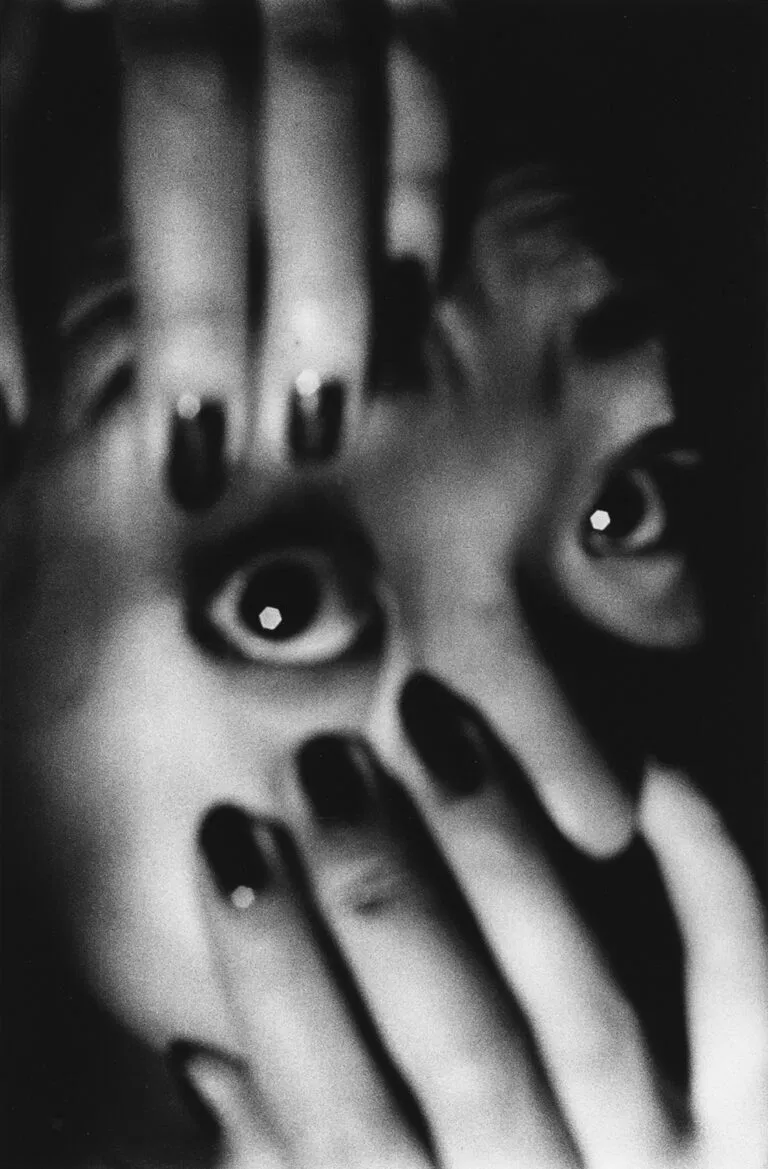
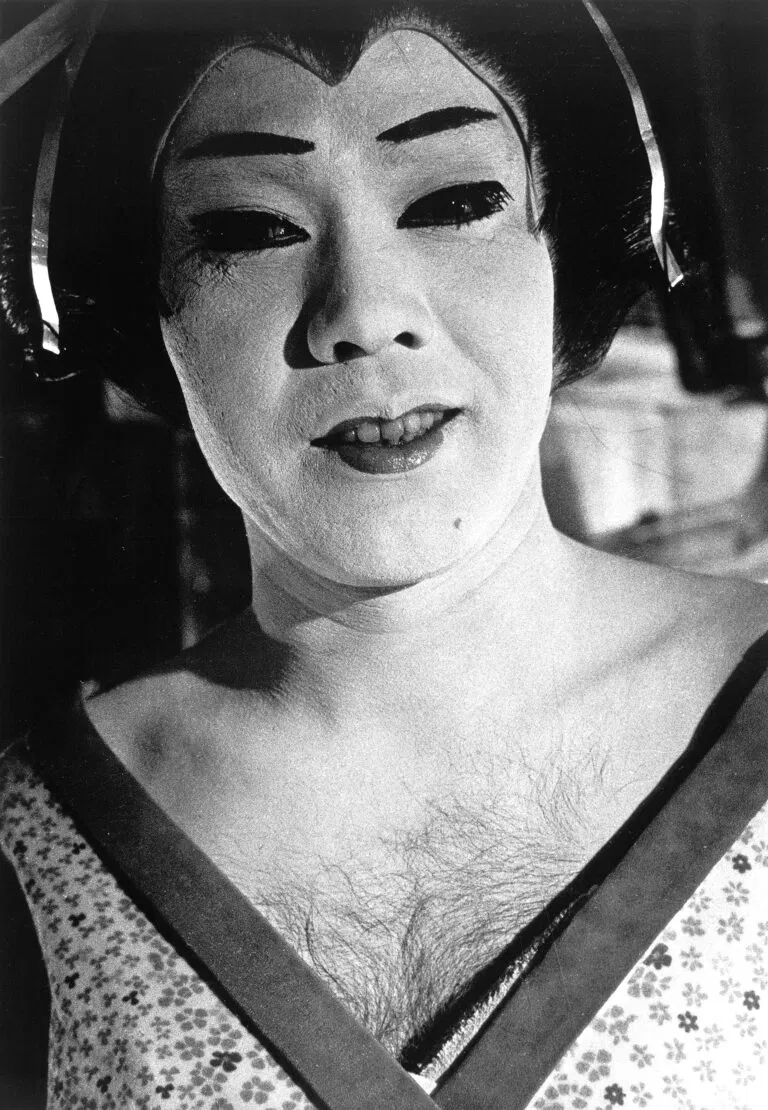
Moriyama developed his distinctive style during this period, capturing life in Japan during and immediately following, the post-WWII US occupation. Underpinned by a distinct radicalism and a rejection of the medium’s ‘rules,’ his unique style broke with traditional views on composition and sharpness.
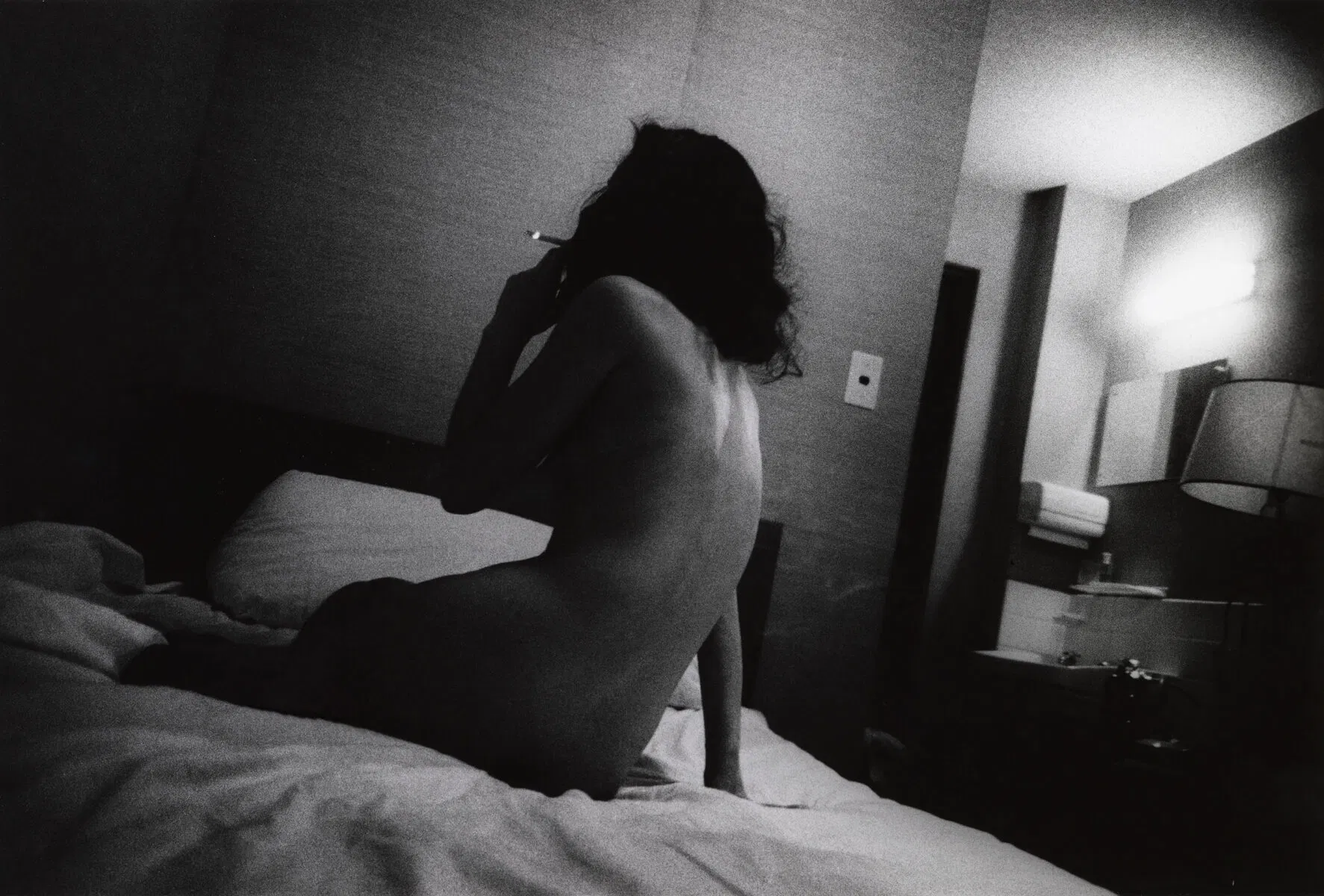
His images were often shaky, blurry, and textured with heavy grain, reflecting the often gritty and tumultuous nature of the period. This distinctive brand of street photography, which shared similarities with the work of his 惹 colleagues, would go on to wield significant influence in the following decades, leaving a lasting impact on subsequent generations of Japanese photographers, and offering an alternative to the dominant Western photographic style.
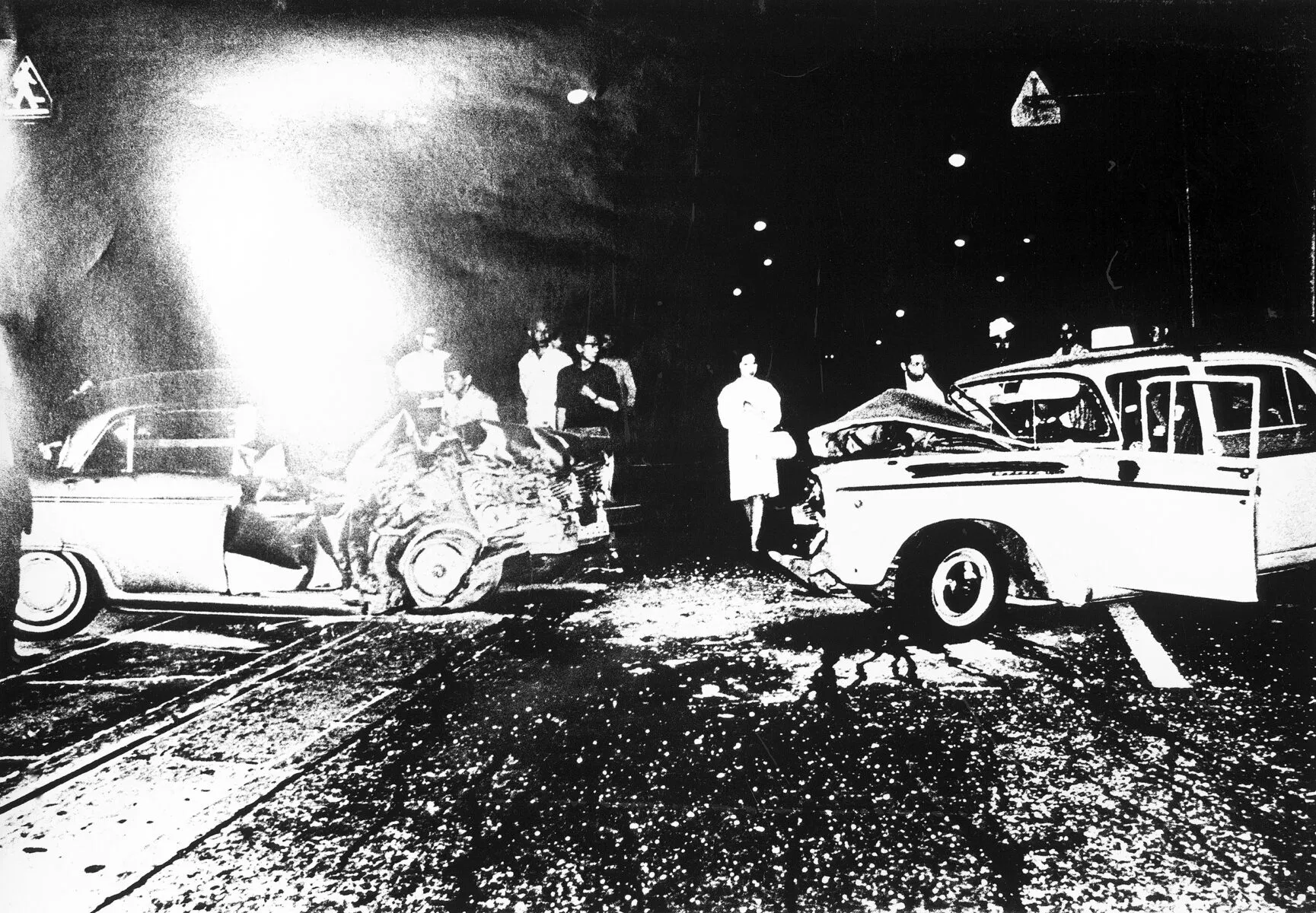
Moriyama was also unique in that he saw the ability to easily reproduce photos as one of the most fundamental aspects of photography. He often used the same photos in a variety of ways, experimenting with different sizes and prints, and produced work with books and magazines in mind rather than exclusive art galleries.
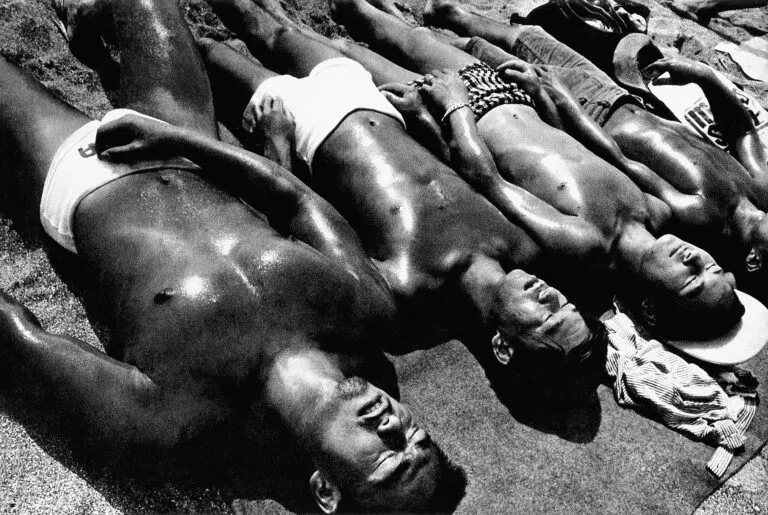
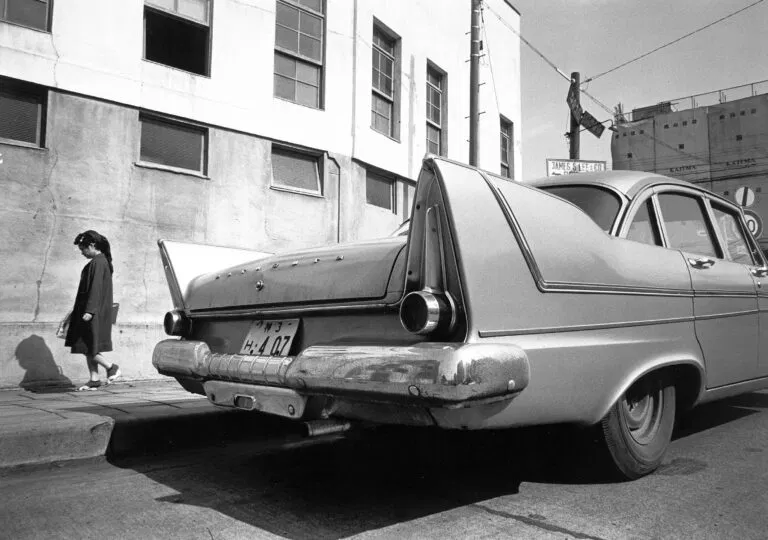
The exhibition, 森山大道:回顾展, is divided into two phases. The first phase chronicles Moriyama’s early work for magazines, including his experiments for 惹. It showcases how he developed this subversive style for which he is now renowned and is the first UK exhibition to include many of his rare photobooks and magazines, ranging from early rare editions and out-of-print Japanese publications to more recent titles.
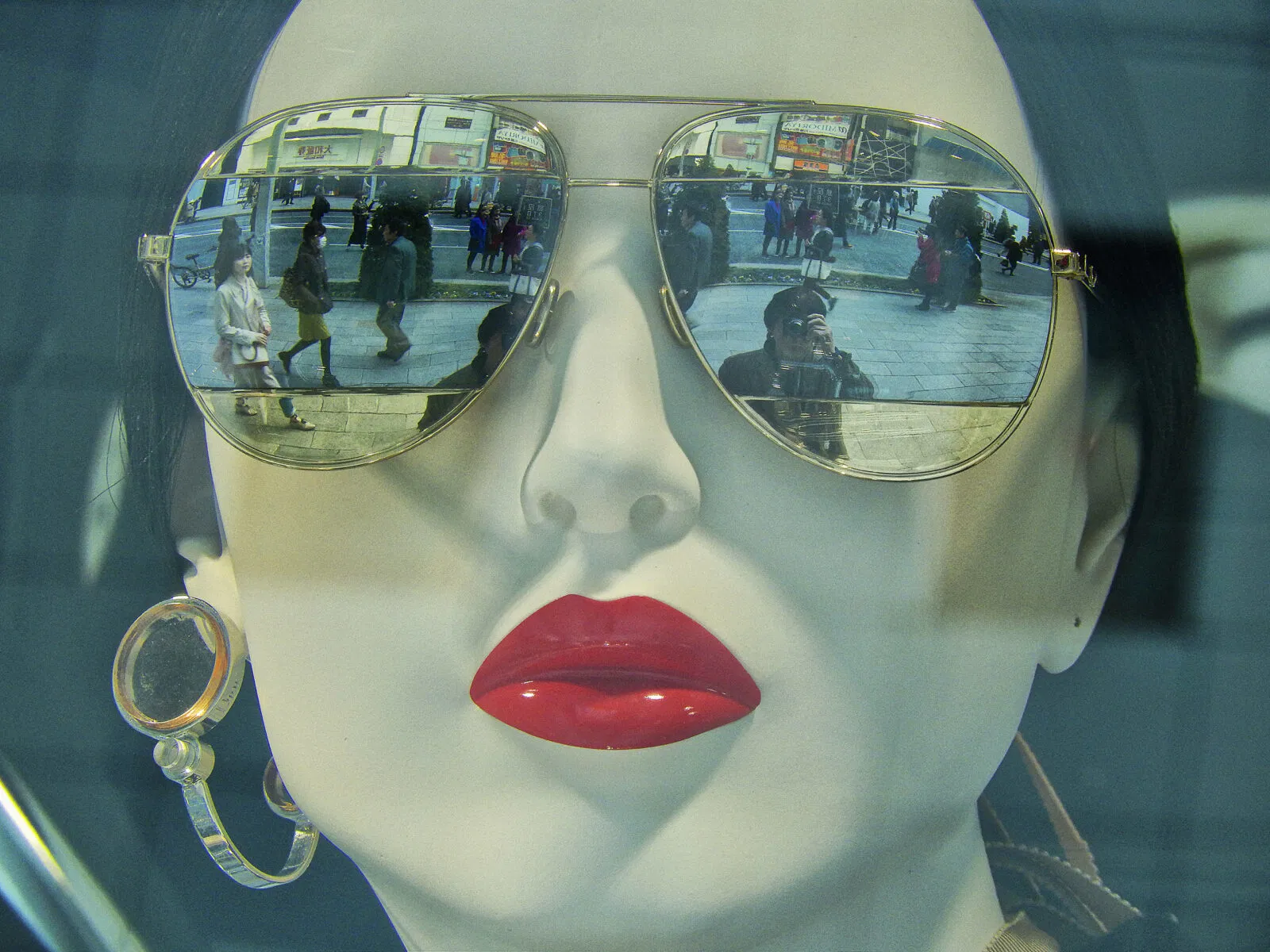
The second phase begins in the 1980s. During the previous decade, as extensive government reforms swept the country, 森山 struggled with personal and creative issues, finding it difficult to be productive and focused, and became disillusioned with his practice. However, by the early 1980s, he began to overcome these problems and embarked on a mission to explore the very essence of photography itself, developing a new visual language rooted in his trademark style, but with greater depth, using it to explore memory, reality, and history.
所有图片版权所有 Daido Moriyama/Daido Moriyama Photo Foundation
‘Daido Moriyama: A Retrospective’, is on view at The Photographer’s Gallery, London until 11 February 2024. More information here.