

“Here, in my solitude, I have the feeling that I contain too much humanity.”
– Ingmar Bergman
It’s a common misconception that all photographers are charismatic, outgoing socialites who can effortlessly navigate any situation. In reality, the artistic process often unfolds in solitude. Creativity is shaped by discipline and quiet reflection, and while solitude can be isolating, it also offers a rare opportunity for self-confrontation. To choose to work alone is to turn inward, to face the emotions that reside within us all—to confront one’s humanity, as Bergman so poignantly expresses.
The relationship between Solitude and photography can be deconstructed in myriad ways, but we will begin with Masahisa Fukase’s seminal work The Solitude of Ravens. Made between 1975-1982 in the wake of his divorce, and considered by many to be one of the important bodies of work to come out of post-war Japan, 渡鸦 revolves around the anthropomorphic form of the raven. Though the book is punctuated with complimentary images, the recurring presence of the bird sets an ominous and metaphorical tone for the work.
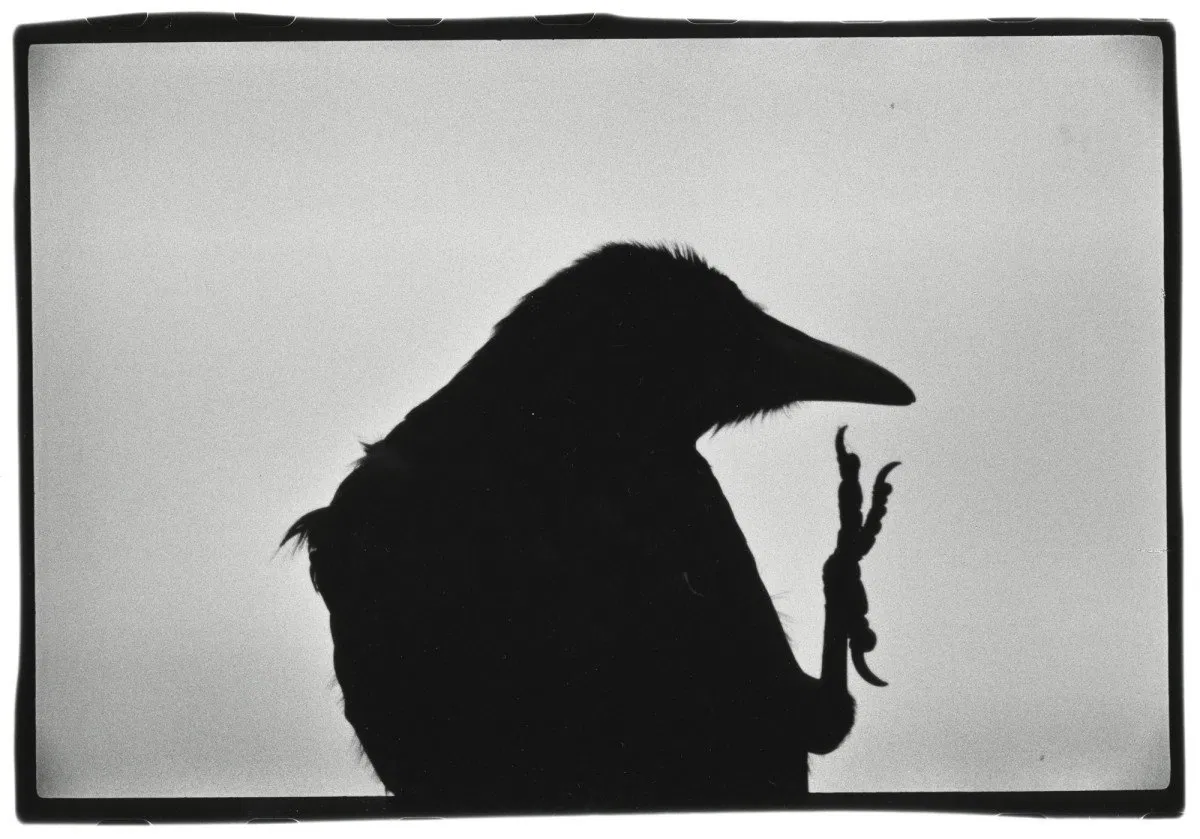
In the afterword to the book, critic and journalist Akira Hasegawa writes: “In the case of Masahisa Fukase, the subject of his gaze became the raven. For him, the “raven” was both a tangible creature and a fitting symbol of his own solitude”. Fukase himself even wrote that he had “become a raven” 1982 年,他结束了自己的项目。虽然乌鸦的出现可以有多种解释,但该系列照片是摄影师在被迫面对自己的孤独之后,对自己饱受折磨的个人生活的哀叹。.
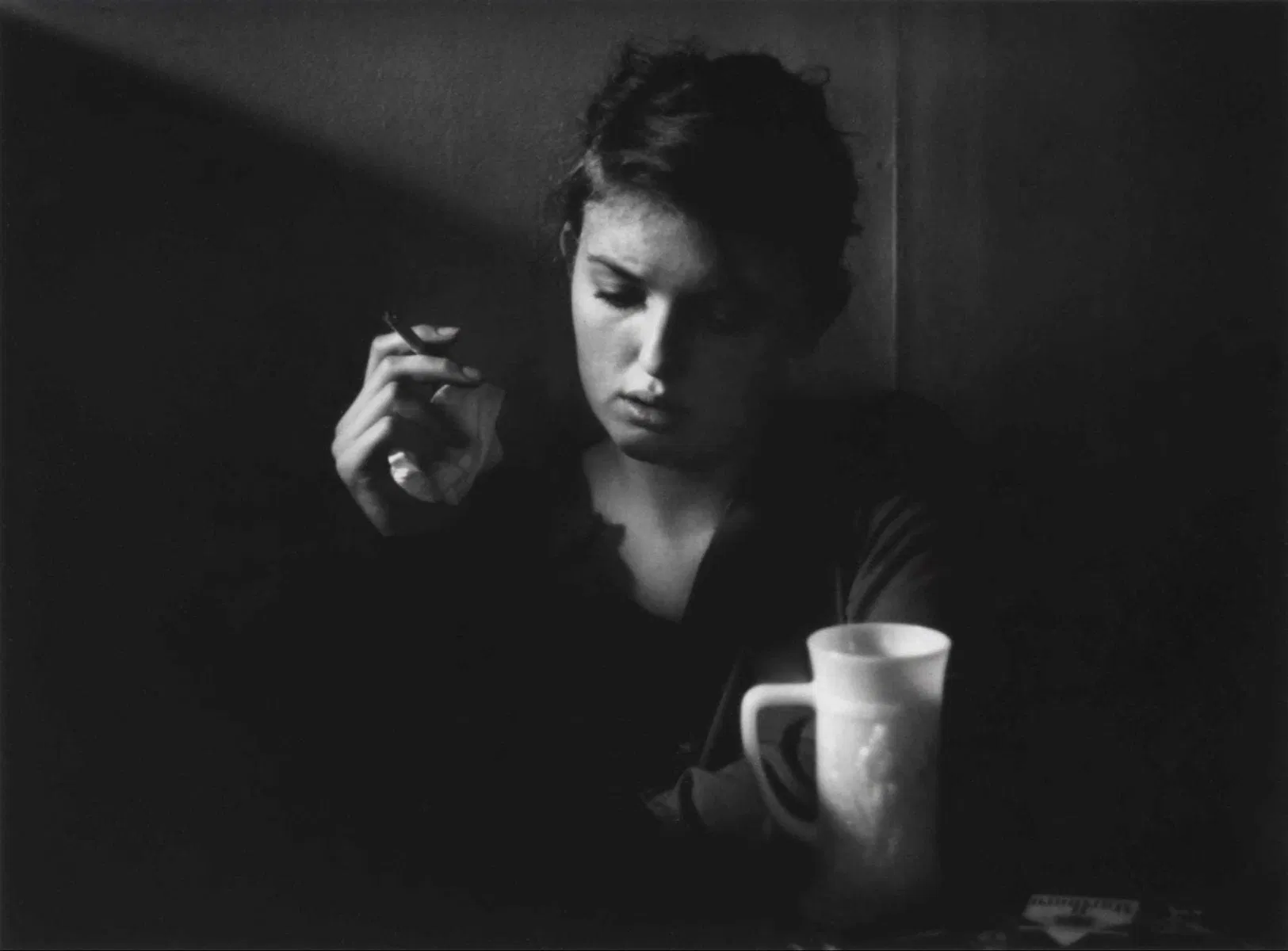
Drawing on another title, Dave Heath’s powerful photos of loss and hope in his project Multitude, Solitude conjure feelings of the desire for human connection. Deeply influenced by his early life, the turmoil of Heath’s childhood abandonment at the age of 4 profoundly shaped his artistic vision. Heath channeled his feelings of alienation and abandonment into the practice of photography, teaching himself how to shoot and always underlining the difficulties of human interaction within his work. Heath’s powerful photos of loss and hope are a sensitive exploration of pain, love and empathy.
Yet solitude in photography has not exclusively represented a means to express the complexities of human existence. It is also the state adopted by photographers to gain certain access to restricted parts of life, hard to enter situations or places, or a way to become intimate with the most difficult of characters.
The father of street photography, 索尔·雷特 once said: “Being ignored is a great privilege. That’s how I think I learned to see what others do not see and react to situations differently. I simply looked at the world, not really prepared for anything.” Leiter’s ability to blend into the background is extremely apparent in his work, his layered photographs give us insight into his artistic process, which often involved shooting from behind objects or through small openings.
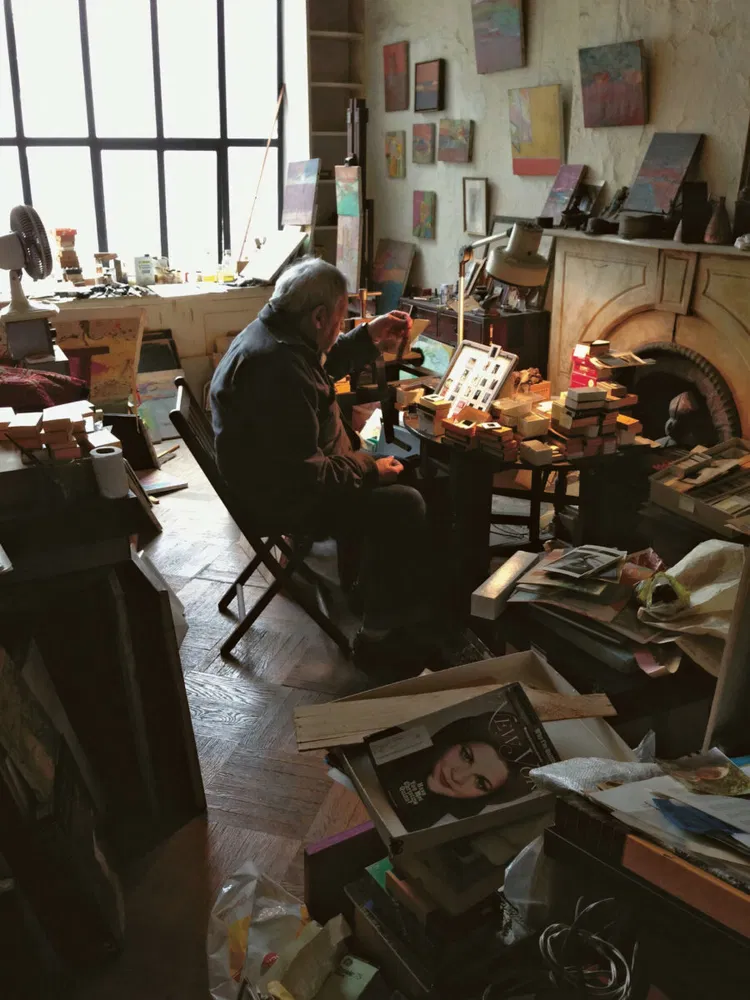
This in mind, many photographers have claimed their camera is a portal into the lives of others. Using their instrument as a passport, photographers have realised a way to maintain both closeness and distance from their subjects by approaching things alone. Expressed succinctly by Susan Meiselas: “The camera is an excuse to be someplace you otherwise don’t belong. It gives me both a point of connection and a point of separation.”
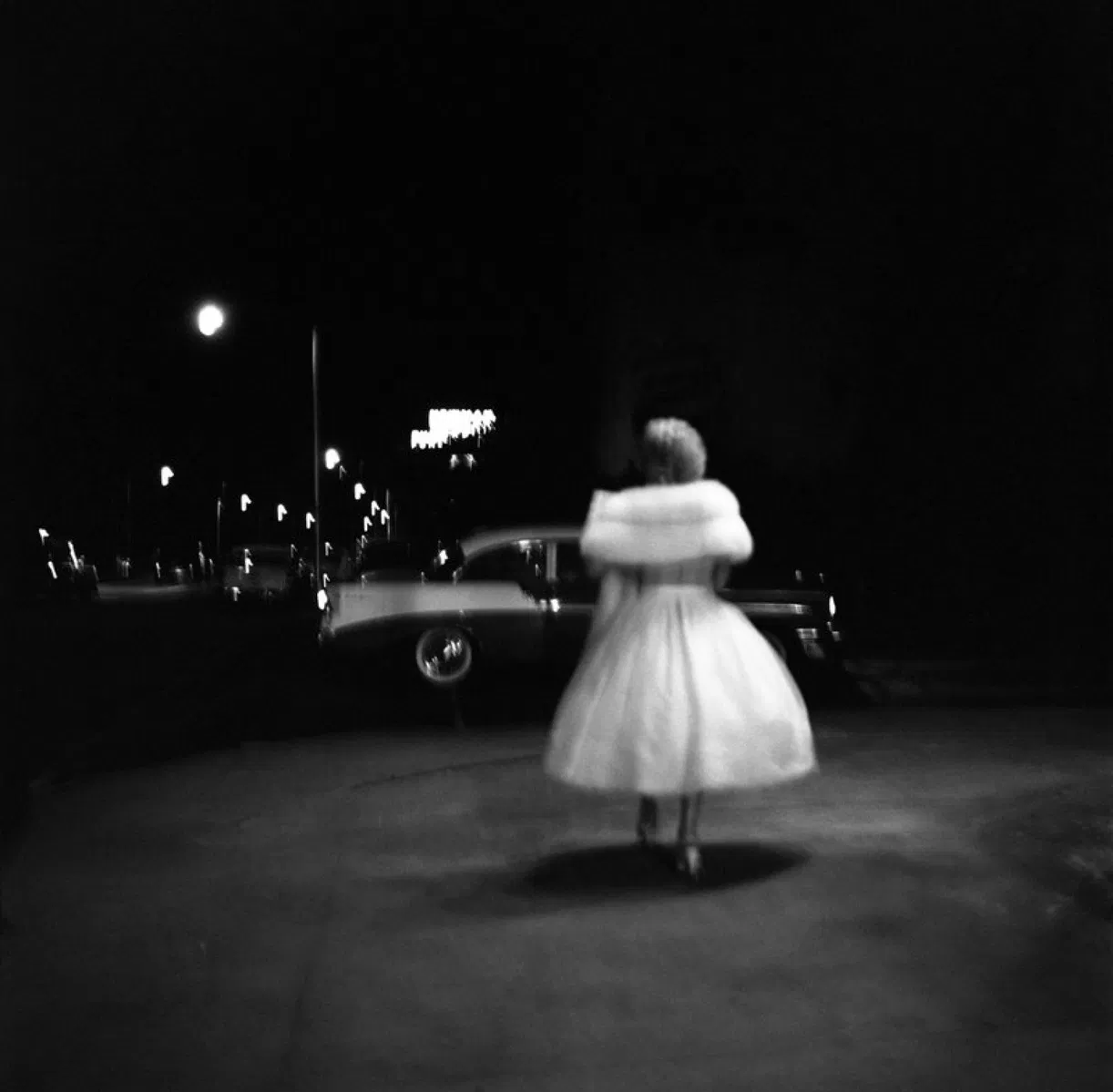
Vivian Maier is a perfect example of the solitary photographer. The richness and depth of her images were revealed slowly as a team of archivists restored her pictures, bringing to light a true visionary, who had done her best to stay invisible during her lifetime. Maier’s story is a remarkable one, but perfectly highlights the relationship between photography and solitude. Though a fairly tall and imposing woman, Maier would not have been able to capture the spontaneous moments of reality that she is now famous for without being able to blend seamlessly into her surroundings.
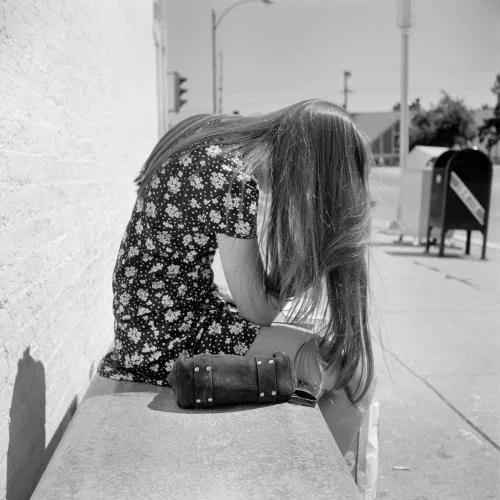
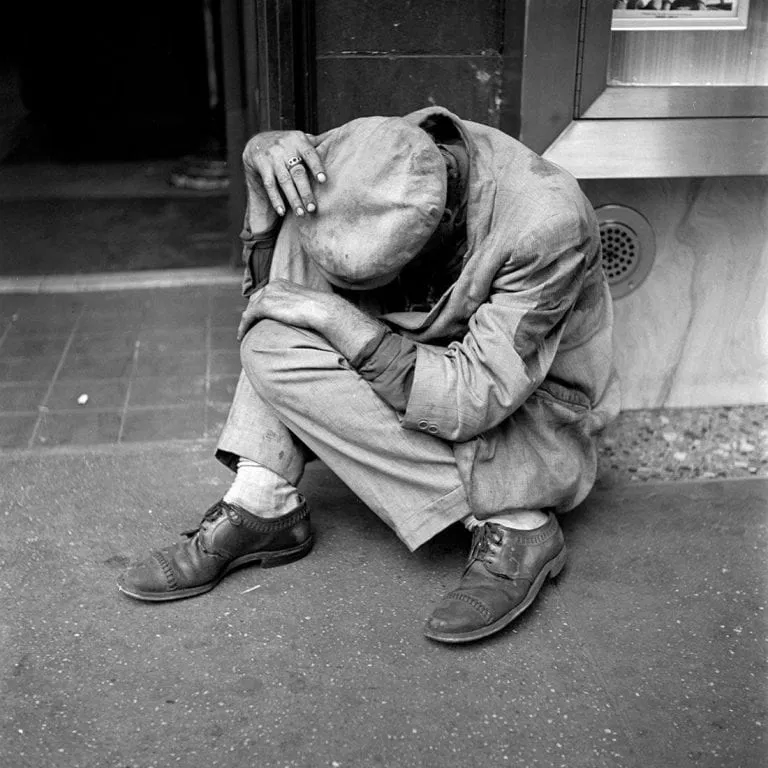
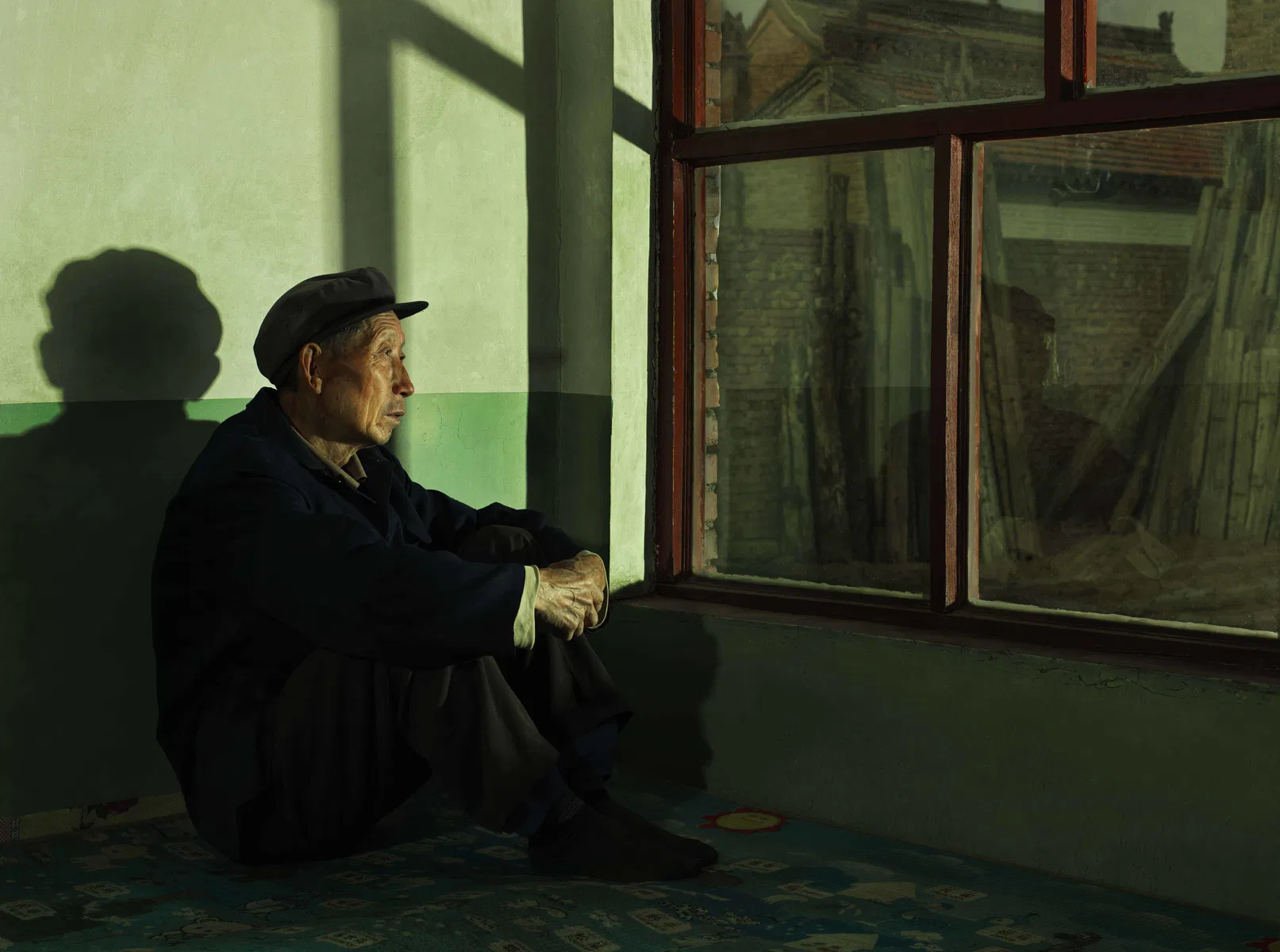
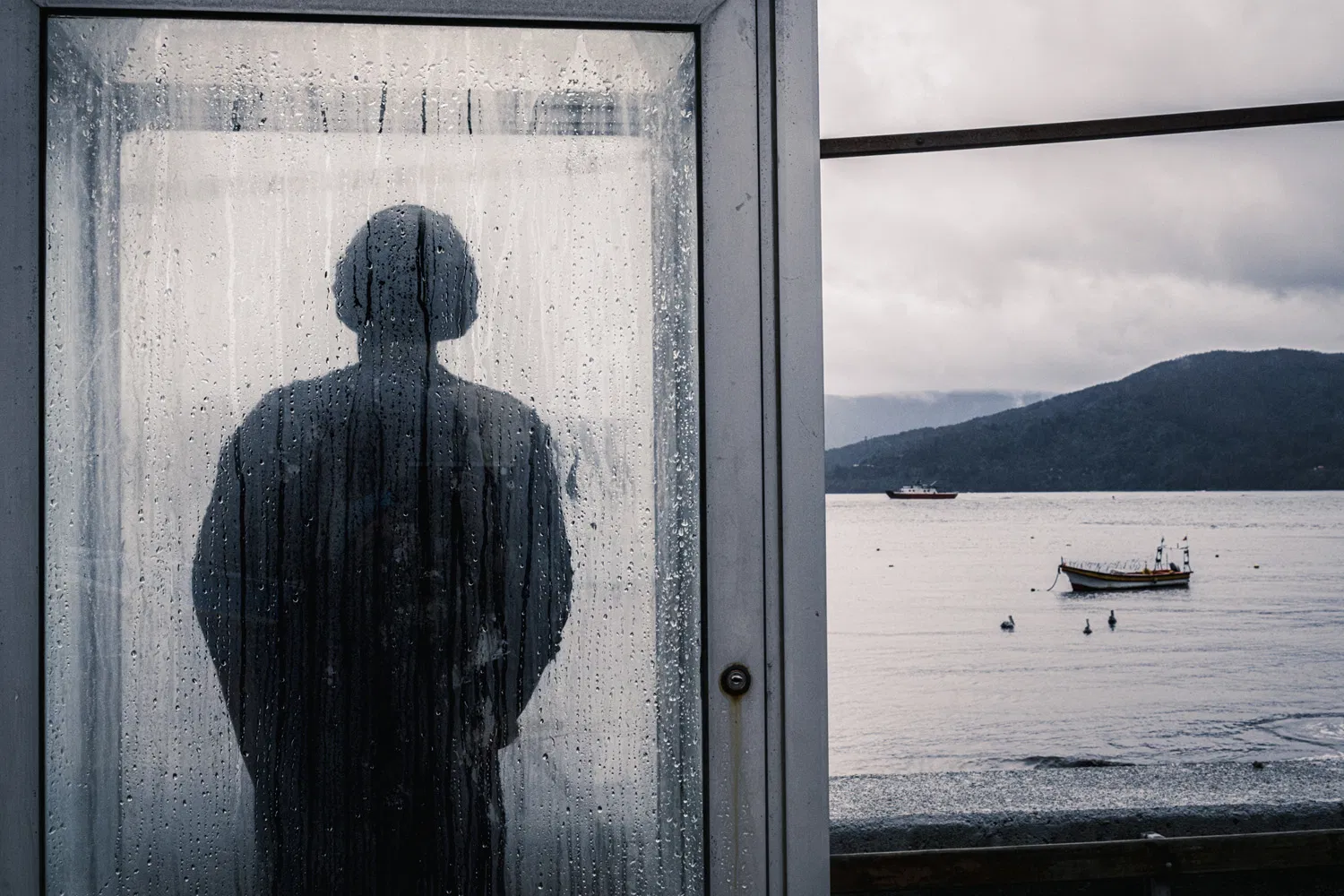
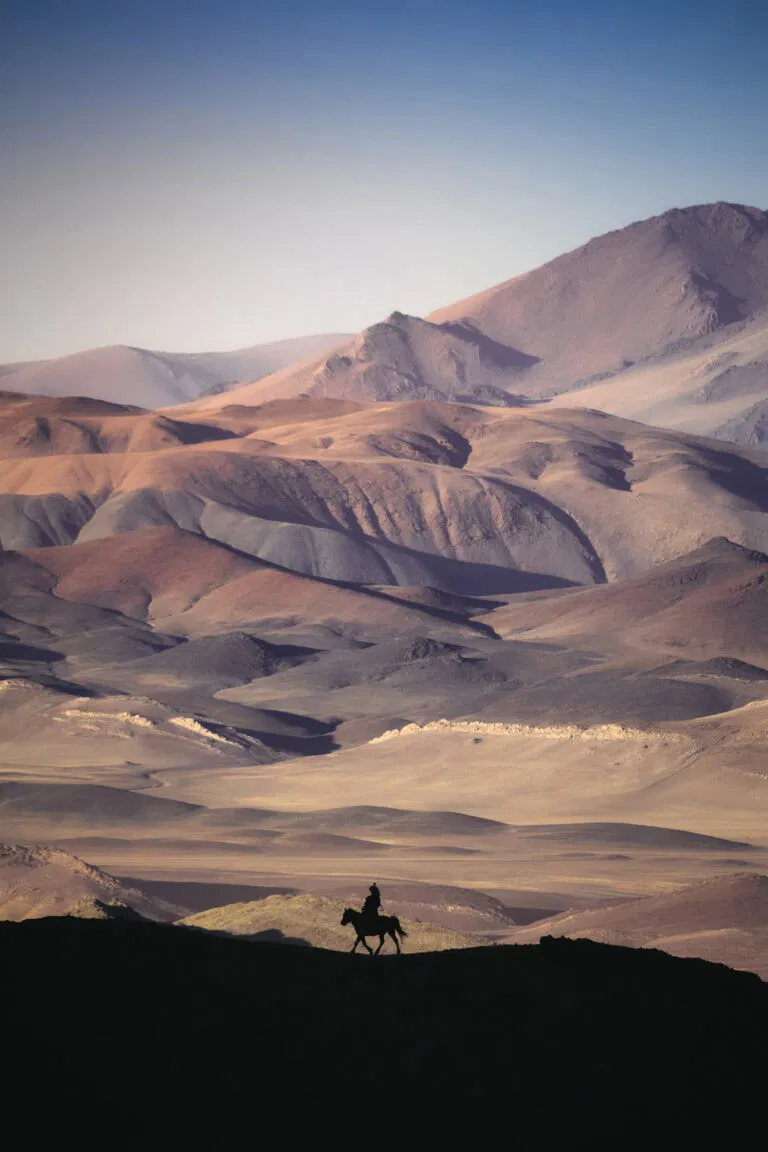
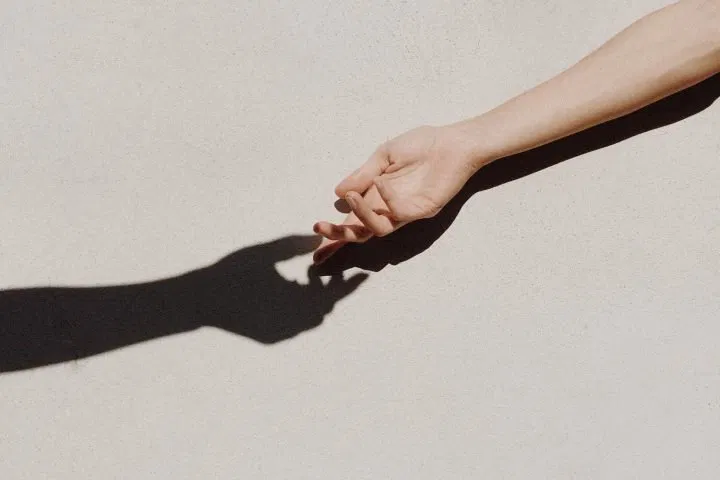
The lone figure in a photograph that represents the idea of solitude can be a visual metaphor for the effects of poverty, ostracisation, the aftermath of war or environmental disaster, mental health issues, or any of the multitude of reasons that thrust people onto the fringes of society. Since a viewer can easily relate to the lone, pensive figure, a photograph is open to the interpretations or projections of its audience.
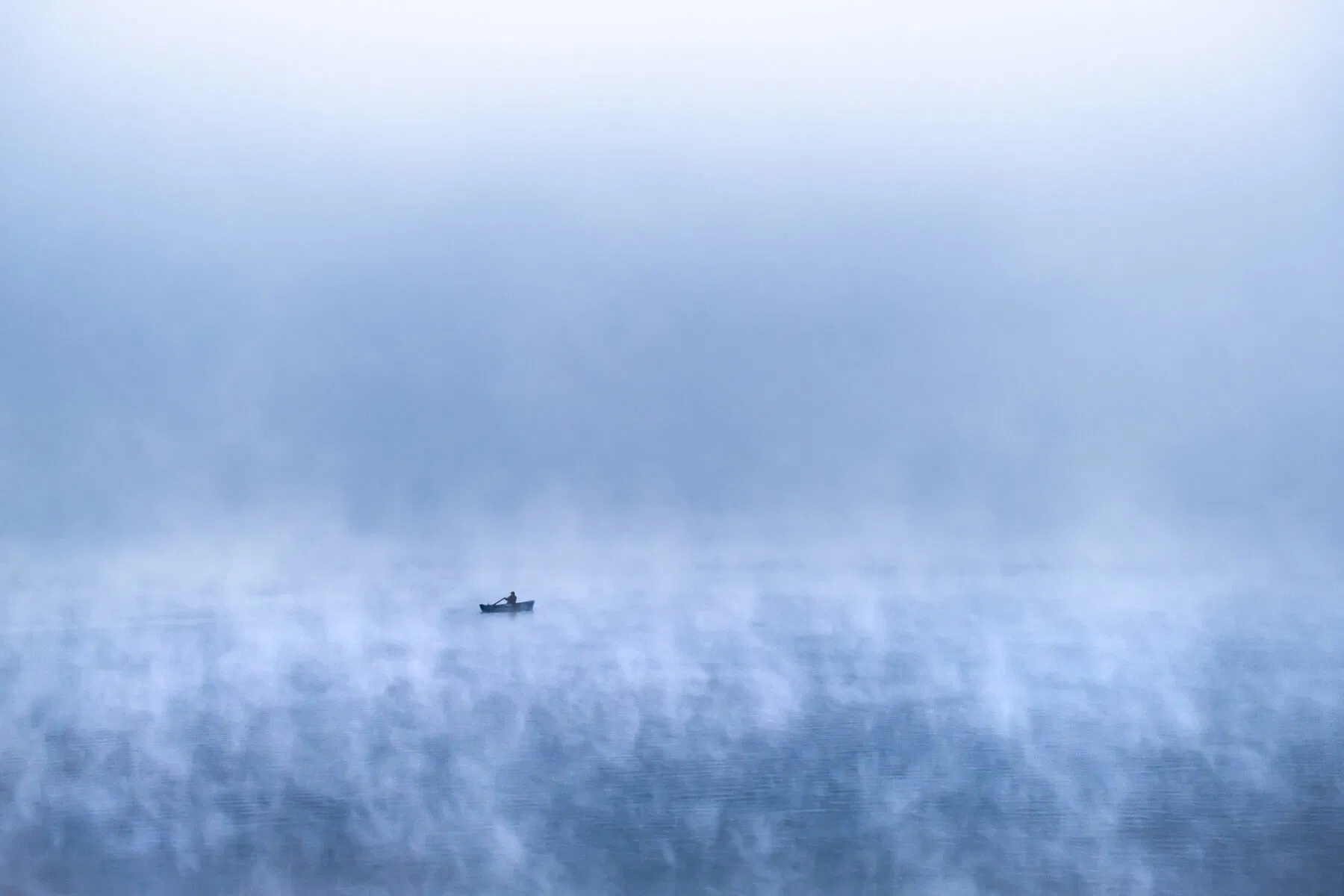
© 尼古拉斯·卡斯特曼斯
Countless photographers have visually explored the ideas of thoughtfulness or alienation in this way, but solitude remains an intriguing and enigmatic concept nonetheless. It is even innate in the way we regard photographs; the viewer and the picture converse in a silent, singular language of their own.
Alone with a camera, the photographer’s existence is a solitary one. Despite interacting with their subjects and surroundings, much of the work made by documentary and street photographers requires a great deal of patience, silence and observation, and is thus reserved for those comfortable in the company of themselves.
所有图片版权归其各自所有者所有