

Damiani 展示了 Pierre Fatumbi Verger 拍摄的具有里程碑意义的图像集,记录了 20 世纪 30 年代的美国。.
Born in France in 1902, Pierre Verger may not be as widely known as some of his contemporaries, but he was a pivotal figure in the evolution of photojournalism and social documentary photography.
While he photographed notable figures such as Diego Rivera, Leon Trotsky, and Ernest Hemingway for major publications like 生活, it is his ethnographic approach to documenting the cultural and religious traditions of indigenous populations and African diasporic communities around the world that truly defines his legacy.
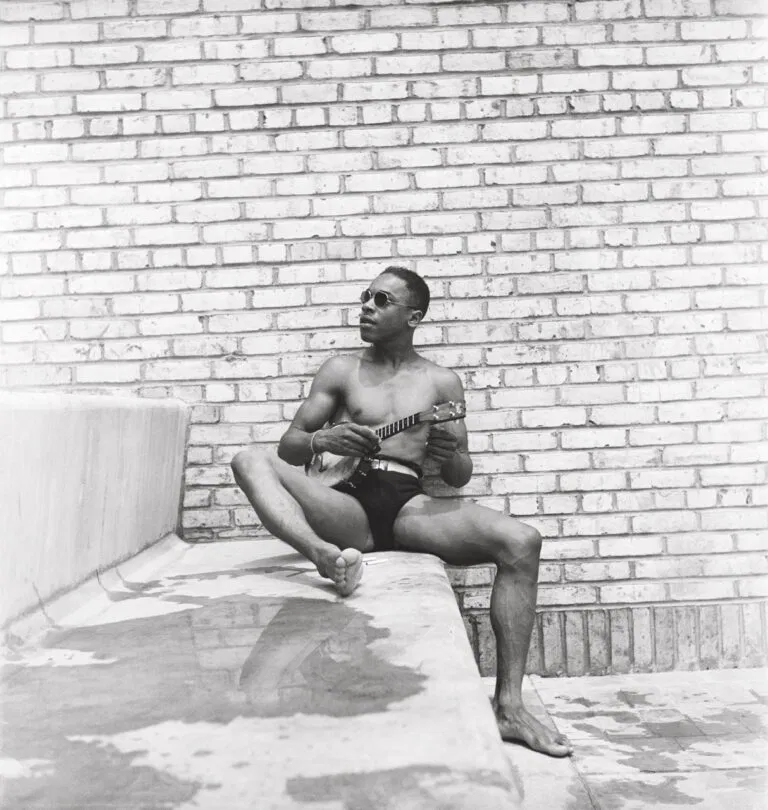
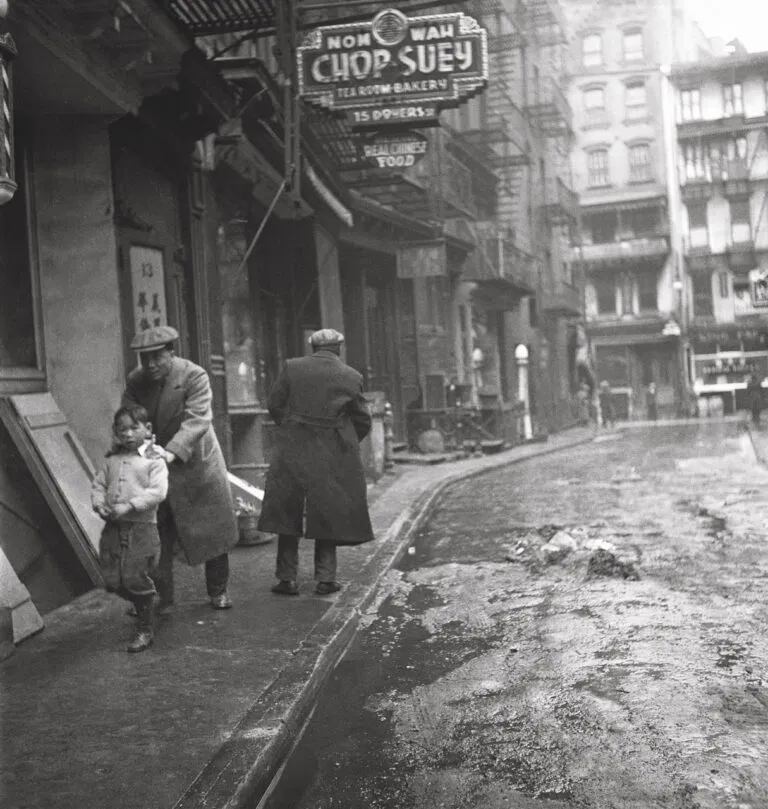
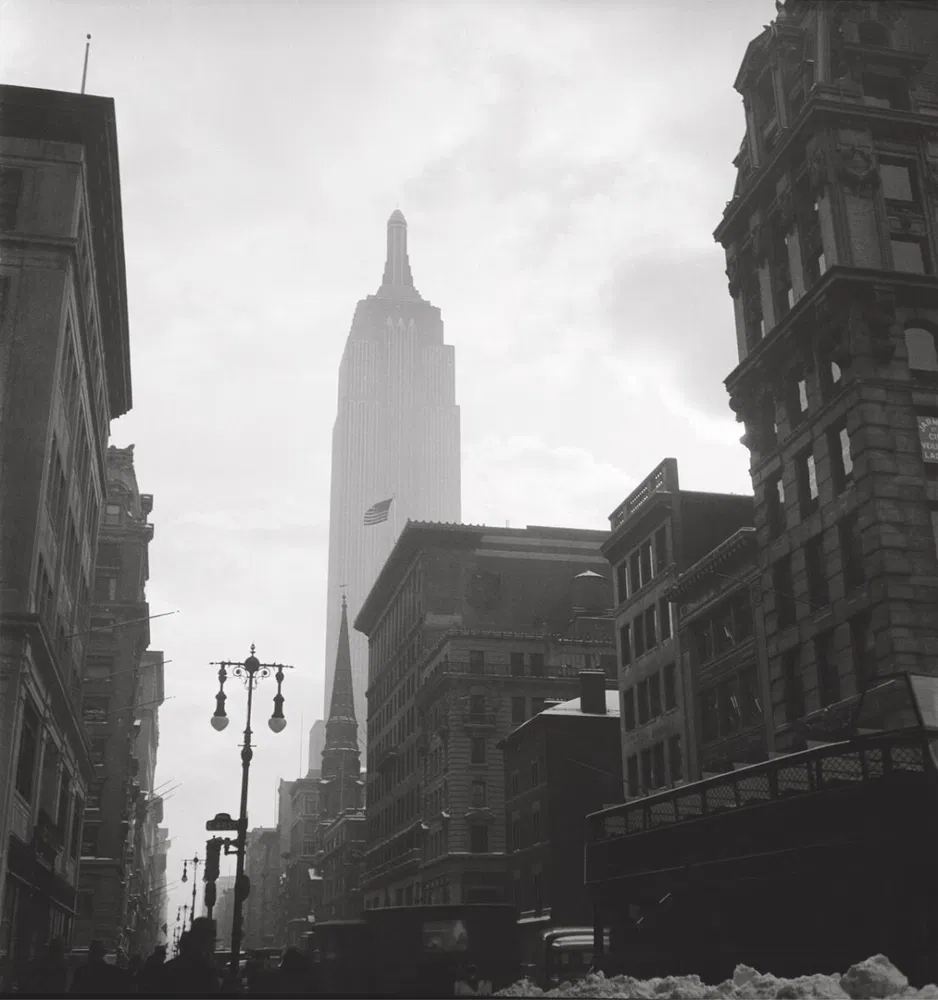
Verger’s depictions of the United States mark the beginning of a shift in his focus, both stylistically and geographically. He visited the country twice, in 1934 and 1937, traveling thousands of miles by train south from New York City through Washington, DC, to New Orleans. West through Arizona to Los Angeles, and then north along the coast to San Francisco.
While, at the time, photographers like 多萝西娅·兰格 and Walker Evans, working with the Farm Security Administration, focused on the plight of agricultural workers displaced by the Dust Bowl, Verger captured a different side of Depression-era America.
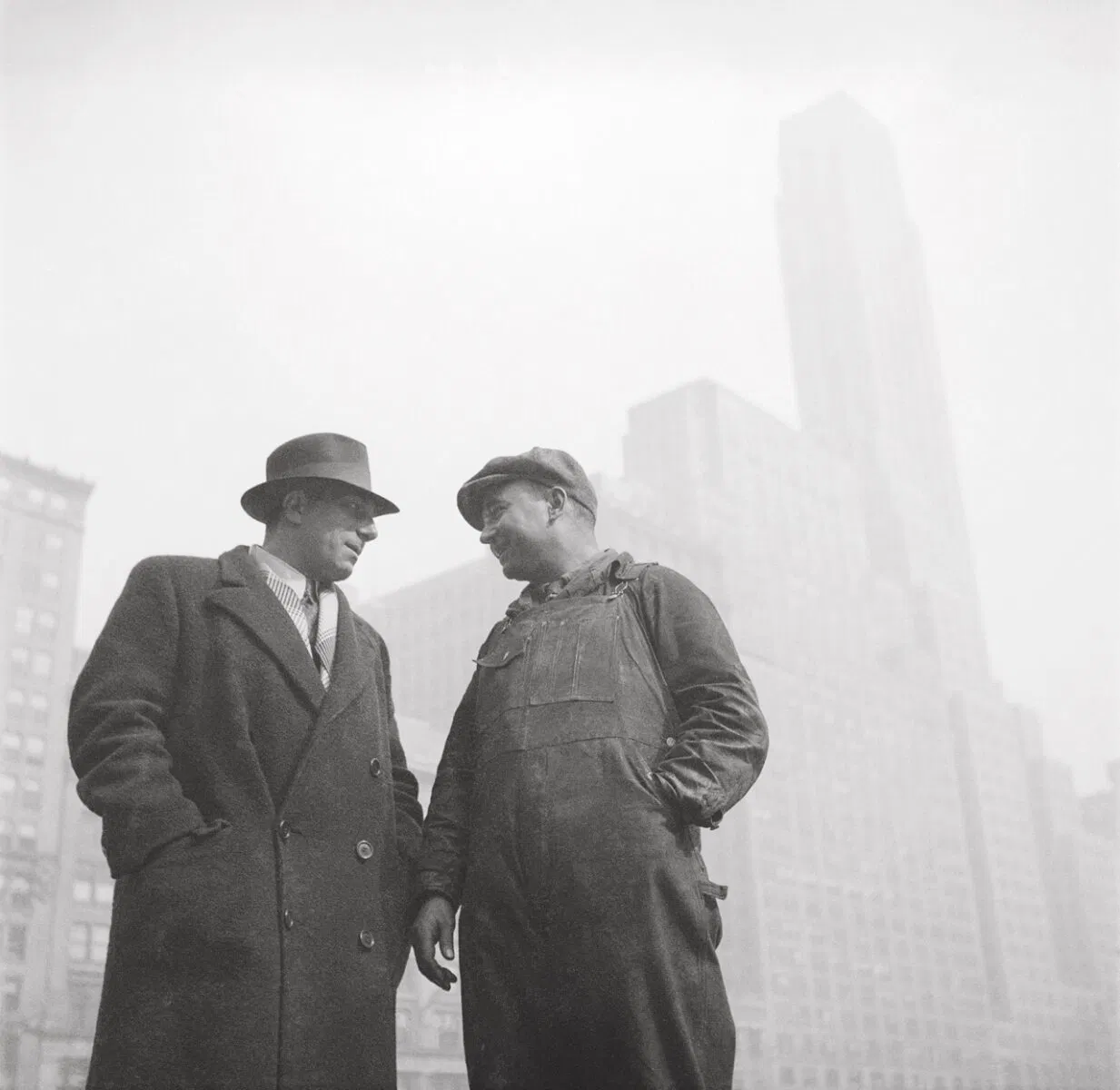
He didn’t shy away from documenting the socioeconomic struggles faced by poor and marginalized communities, particularly Black Americans living under segregation, both legally and in practice, as well as migrant communities from Mexico, China, and 日本. However, his images offer a nuanced perspective.
They reveal moments of joy, solidarity, and cultural expression, particularly in Harlem, where he captured the vibrancy of a community impacted by the legacy of the ‘Harlem Renaissance’, offering a window into how Black communities forged their own spaces of resistance and resilience amid systemic discrimination.
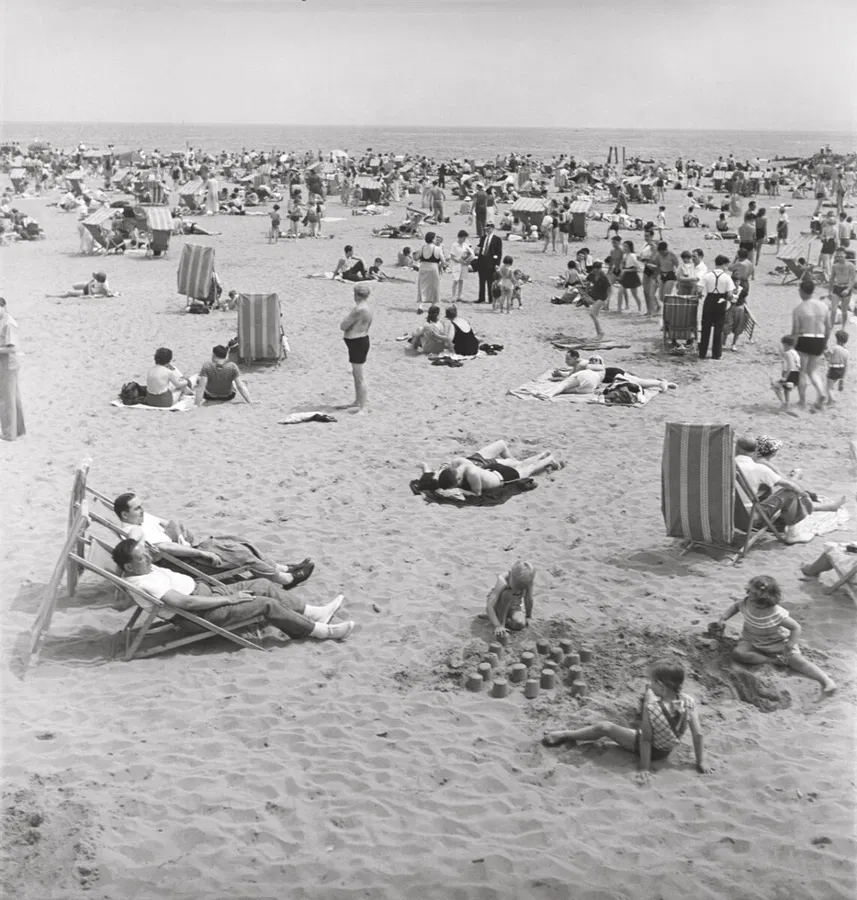
Some of Verger’s images from this period were published in Paris-Soir, a French newspaper, accompanying articles about life in Depression-era America. However, the majority of his photographs did not conform to the prevailing narrative of poverty and suffering and thus remained unpublished until now.
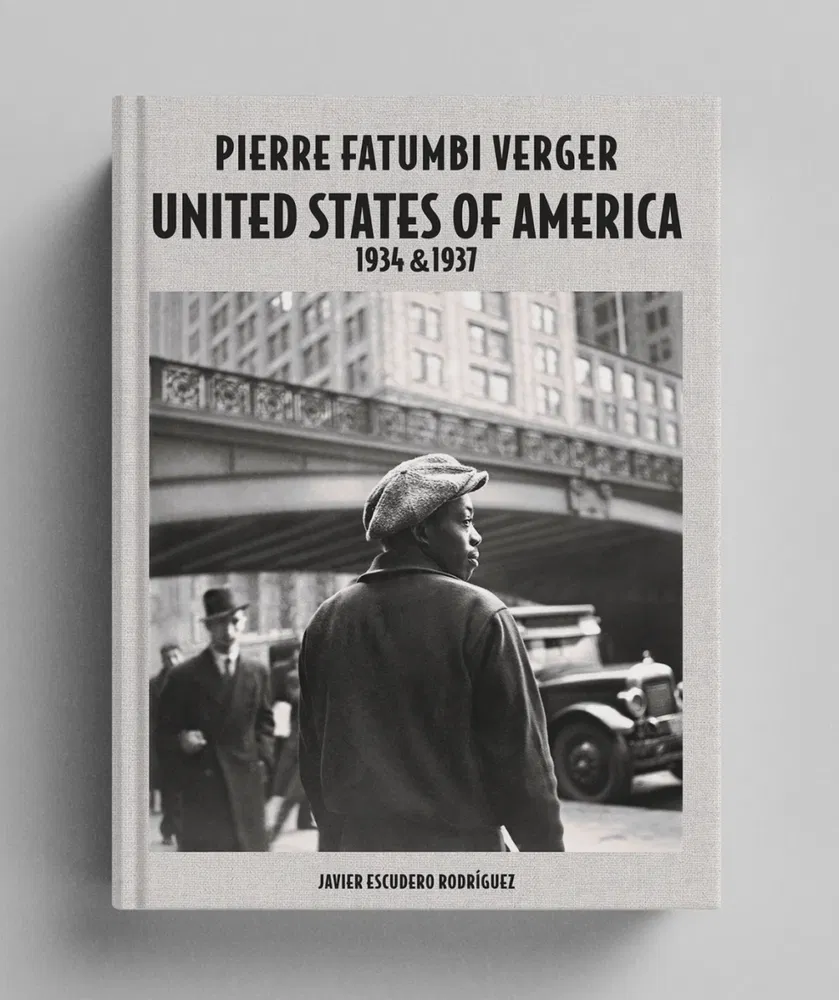
The 150 images in this book, selected from over 1,000 negatives in Verger’s archive by Brazilian scholar and photographer Javier Escudero Rodríguez, represent the most comprehensive selection of Verger’s US work ever made, and one of the most compelling portraits of 1930s America in existence.

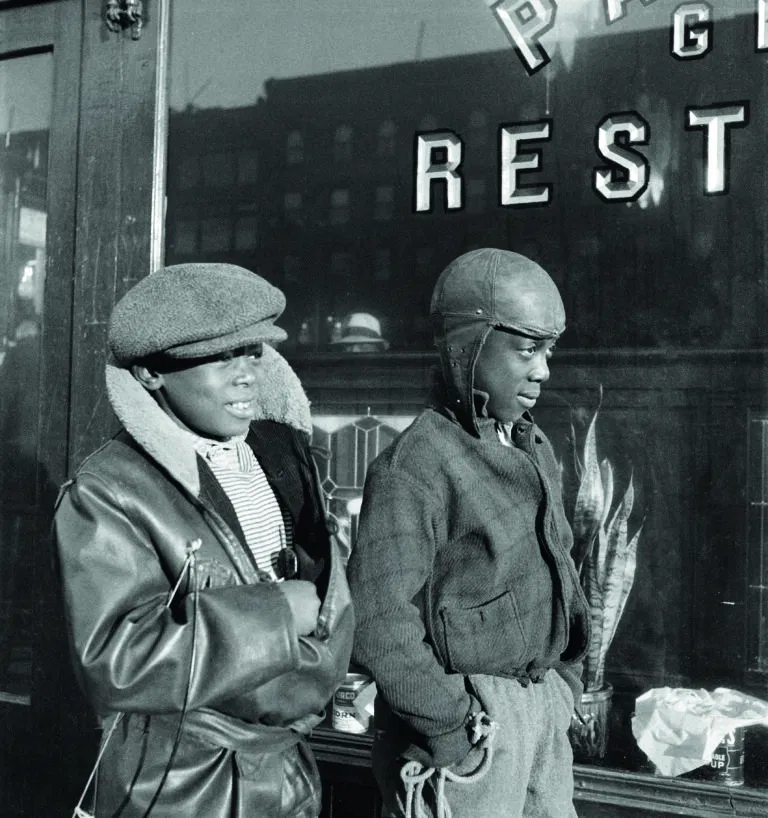
This body of work represents a pivotal moment in Verger’s photographic career, bridging his early European humanist work, greatly influenced by his compatriot Henri Cartier-Bresson, which focused on the rituals of everyday life within working-class communities, and his later, more immersive ethnographic approach.
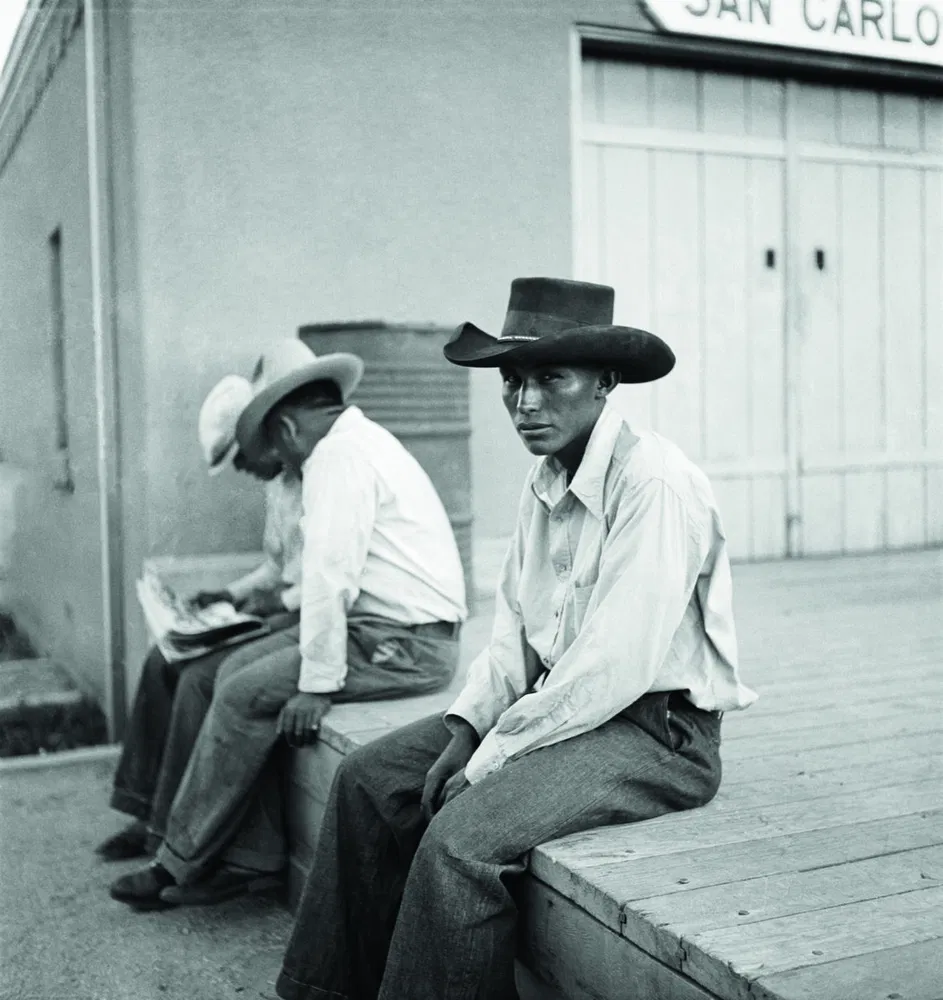
His travels through the United States marked the beginning of his deep engagement with the sociocultural dynamics of communities. Moving beyond merely recording aesthetic moments, Verger began to explore the profound cultural and historical contexts that shaped these communities—a theme that would define his subsequent work in 巴西 (where he settled in the mid-1940s and became deeply immersed in Afro-Brazilian culture), the Caribbean, and Africa.

This collection of photographs is, therefore, not only a striking visual record of a significant moment in American history, but also a vital part of Verger’s journey toward becoming a leading figure in the documentation of the Afro-Atlantic world.
All images © Pierre Fatumbi Verger
Pierre Fatumbi Verger: United States of America 1934 & 1937 由 Damiani 出版,现已上市。 这里。.