

“A great street photograph shares the same fundamentals as any strong image,
but what sets it apart is the ability to find magic in the everyday.”
评判我们的 2025年街头摄影奖, Mikko Takkunen is a Finnish-born, New York City-based photographer and Photo Editor at The New York Times.
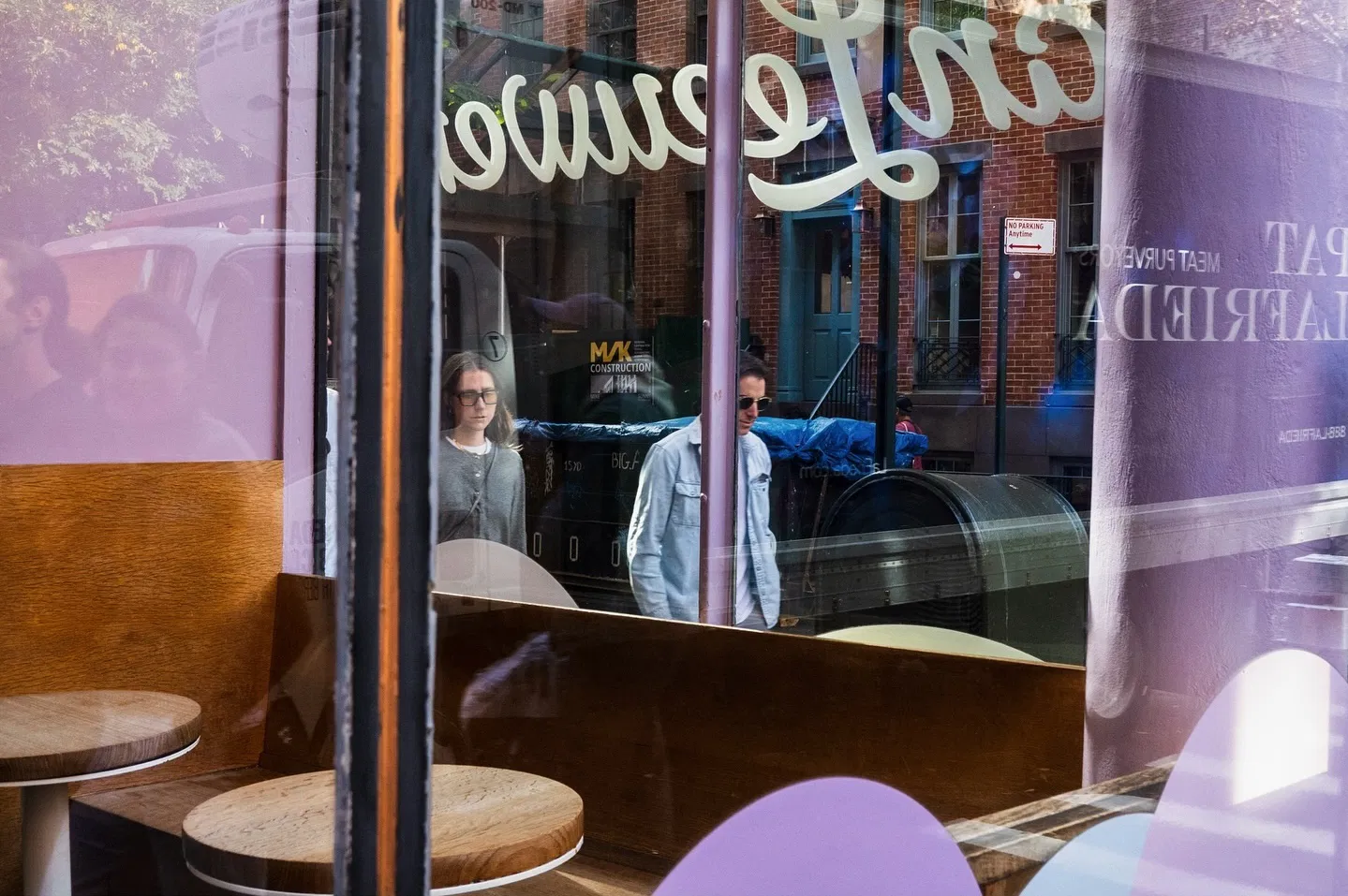
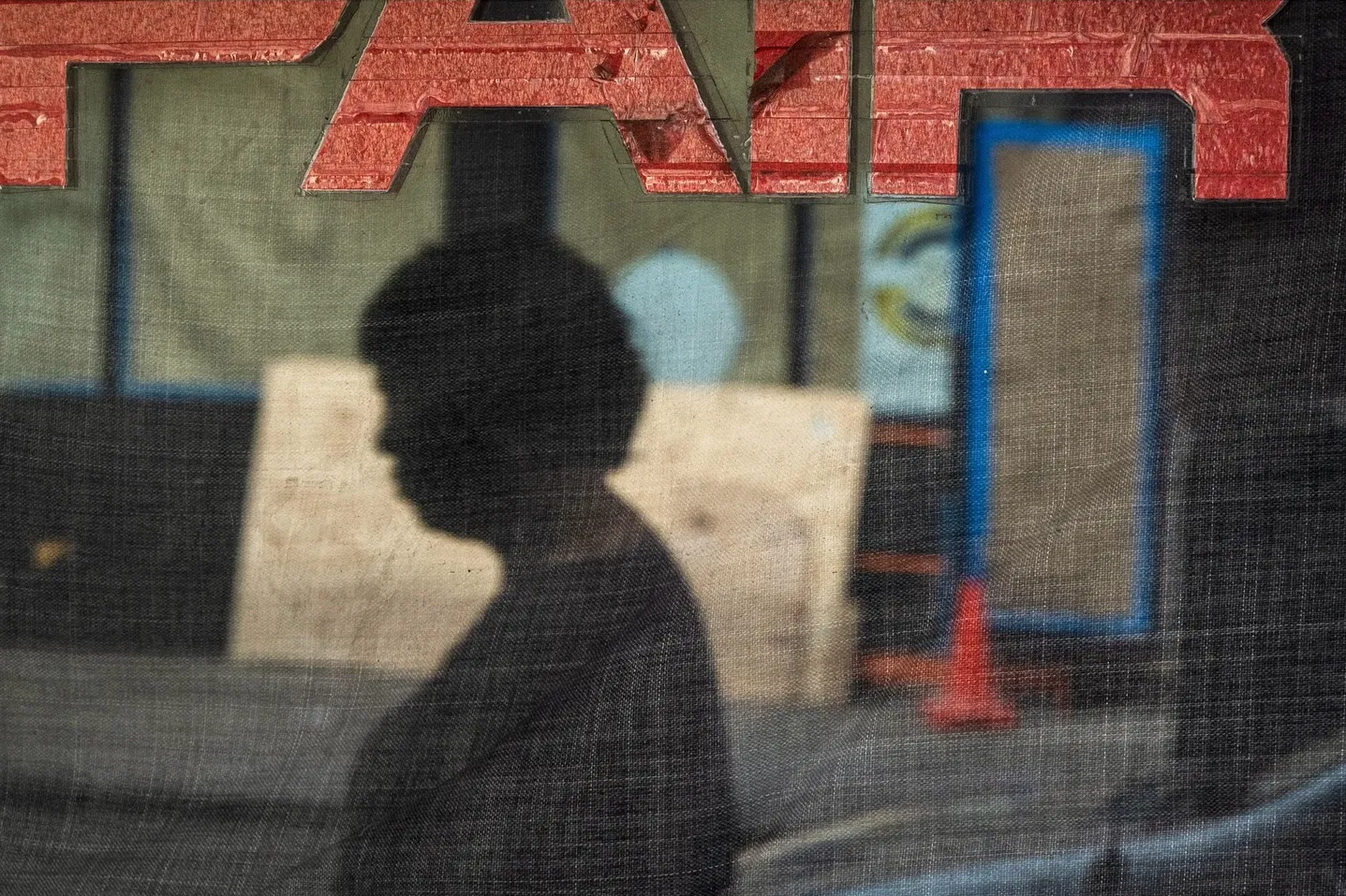
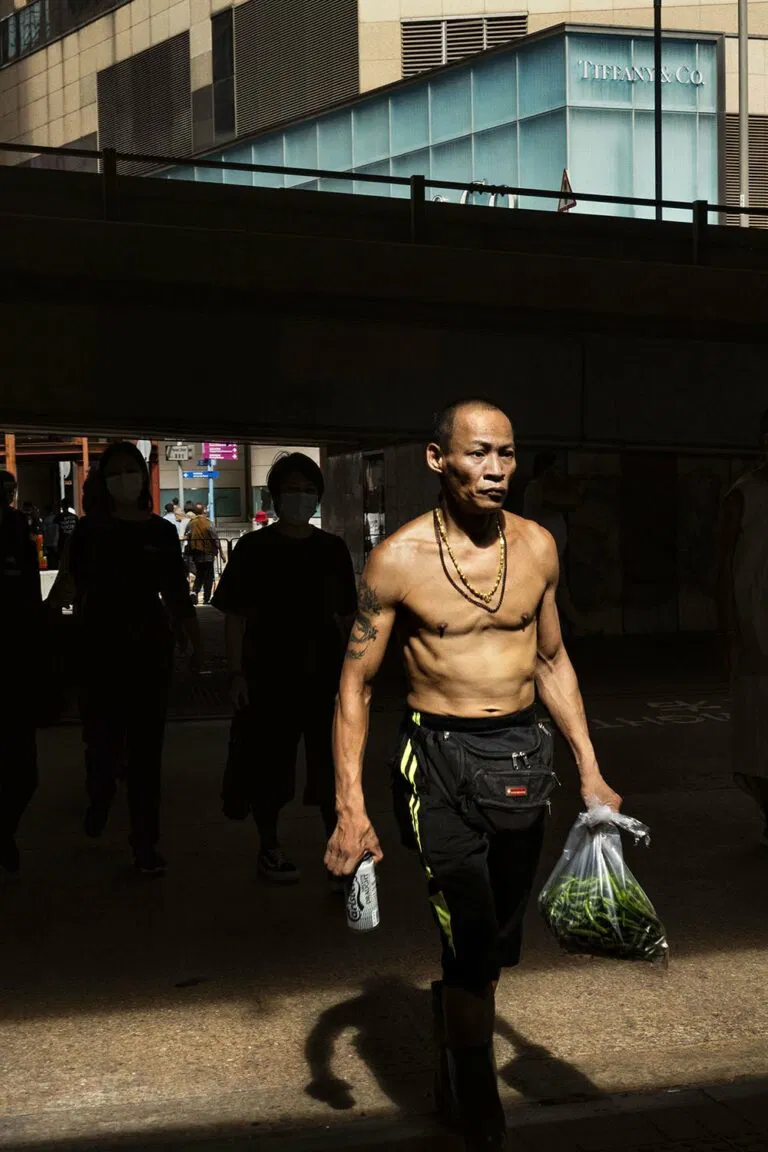
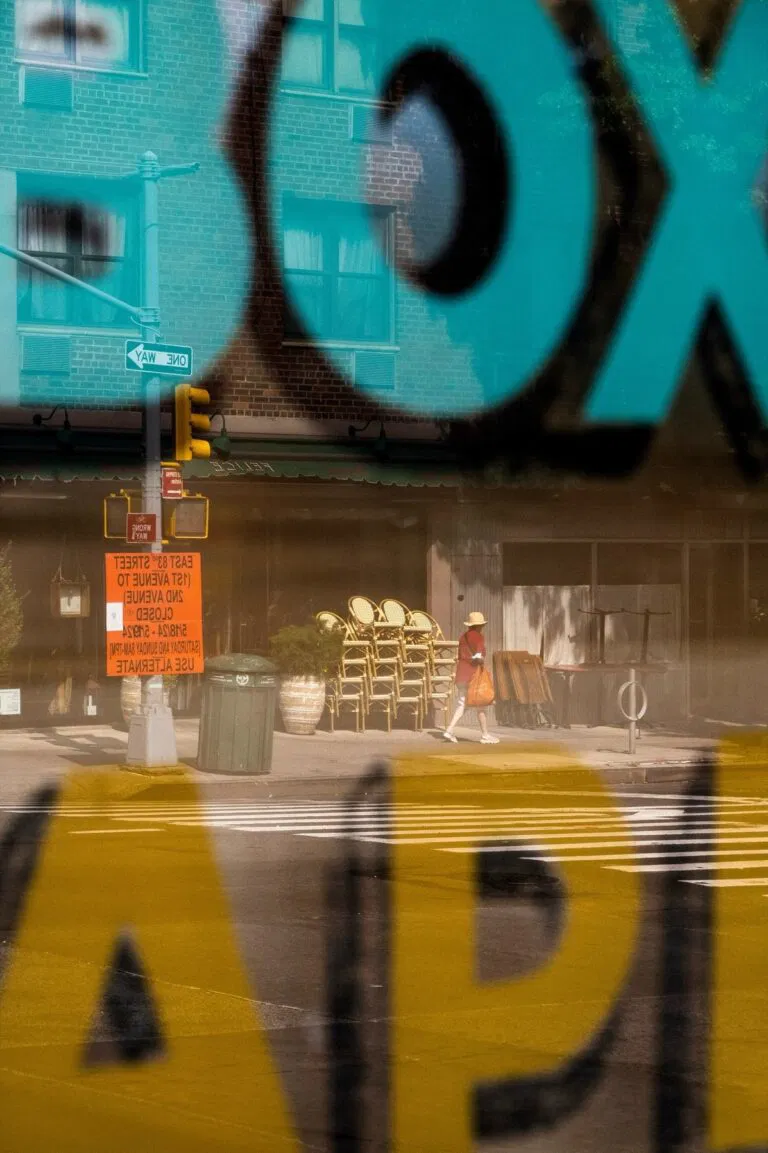
From 2016 to 2021, while living in Hong Kong, he served as the Asia photo editor for the NYT International desk, covering major news stories across 25 countries in the region. A gifted photographer, in 2024 Mikko published his debut monograph, 香港 – a collection of street photography taken during his final years in the city.
We sat down with him to discuss his professional journey, his dual role as an editor and photographer, and what makes a great image.
What first sparked your interest in photography, and how did it evolve into a career?
M.Takkunen: I left my native Finland in my early twenties to study International Relations in Aberdeen, Scotland. During my studies there, I began taking photos as an enthusiastic hobbyist at rock concerts and hiking in the Highlands. Then, one of my friends showed me the War Photographer documentary about James Nacthwey, which opened my eyes to photojournalism, which seemed to combine my two big interests, international affairs and photography.
After graduating from Aberdeen, I ended up enrolling to do another degree, this time in photojournalism in Swansea, Wales. I began to work professionally soon after graduating and just a couple of years later I moved to the editing side.


As both an editor and a photographer, how do these roles complement and influence each other in your work?
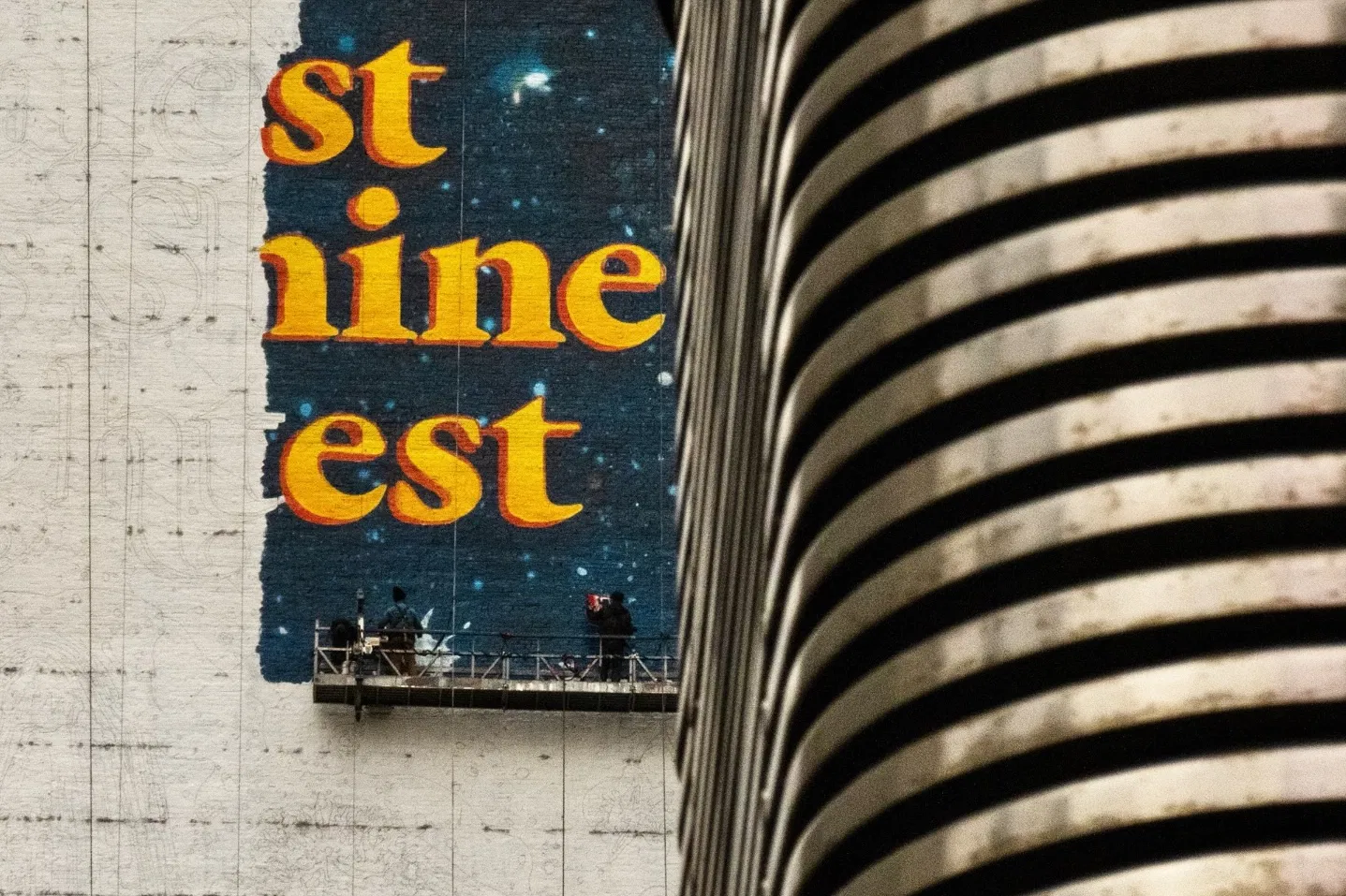
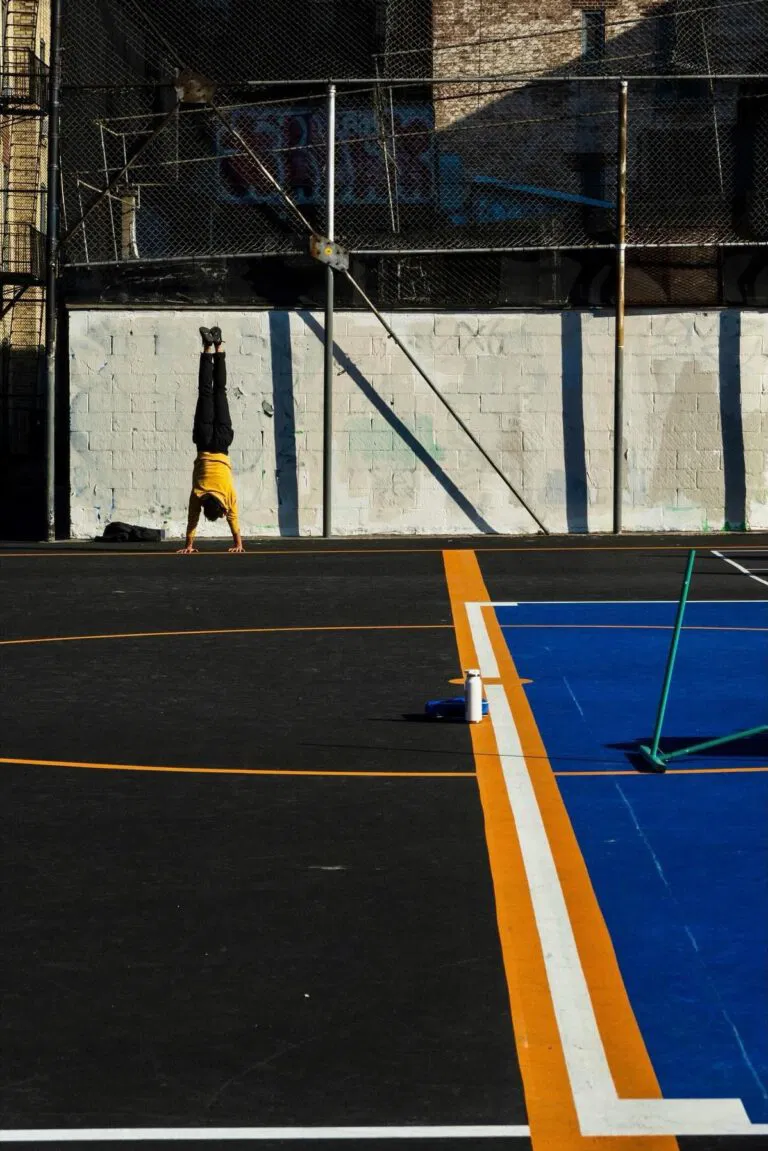
M.Takkunen: My own photographs aren’t journalistic, but working as a photo editor has given me ideas about light, composition, and other elements. I like to make very controlled—at least as much as you can control a street or observed scene—technically precise images in terms of exposure, framing, focal length, and depth of field. While the mood or feel of the final picture matters most, I often struggle to appreciate my own work if the technical aspects aren’t just right—unless the lack of precision is intentional and serves a visual purpose.
This pursuit of precision has also led me to look for it in the work of others, especially in the photographers I assign. And of course, I’ve learned how to select and sequence the strongest images from large sets, a skill that proved invaluable when editing Hong Kong myself.
What is the most impactful or memorable story you worked on at 《纽约时报》, and why does it stand out to you?
M.Takkunen: I’ve been at 《纽约时报》 for over 9 years now and there’s a lot of work that I’m immensely proud of, but if I have to choose one, it is probably the work I assigned and edited during the seven months-long Hong Kong protests in 2019. Rather than a single story, it was more of an ongoing storyline, as I worked closely with local photographer 林亦菲, who was on assignment for us nearly every day for months. He had countless front-page images. We did several very visual-heavy stories, and we ended the year with an ambitious portrait project where we spent a week making studio portraits of people on both sides of the conflict – protesters and government-affiliated figures.
The storyline was especially striking because it happened in the city where I lived and worked. Unlike most of the stories I cover, this was something I experienced firsthand. I witnessed many of the events myself while editing the coverage.
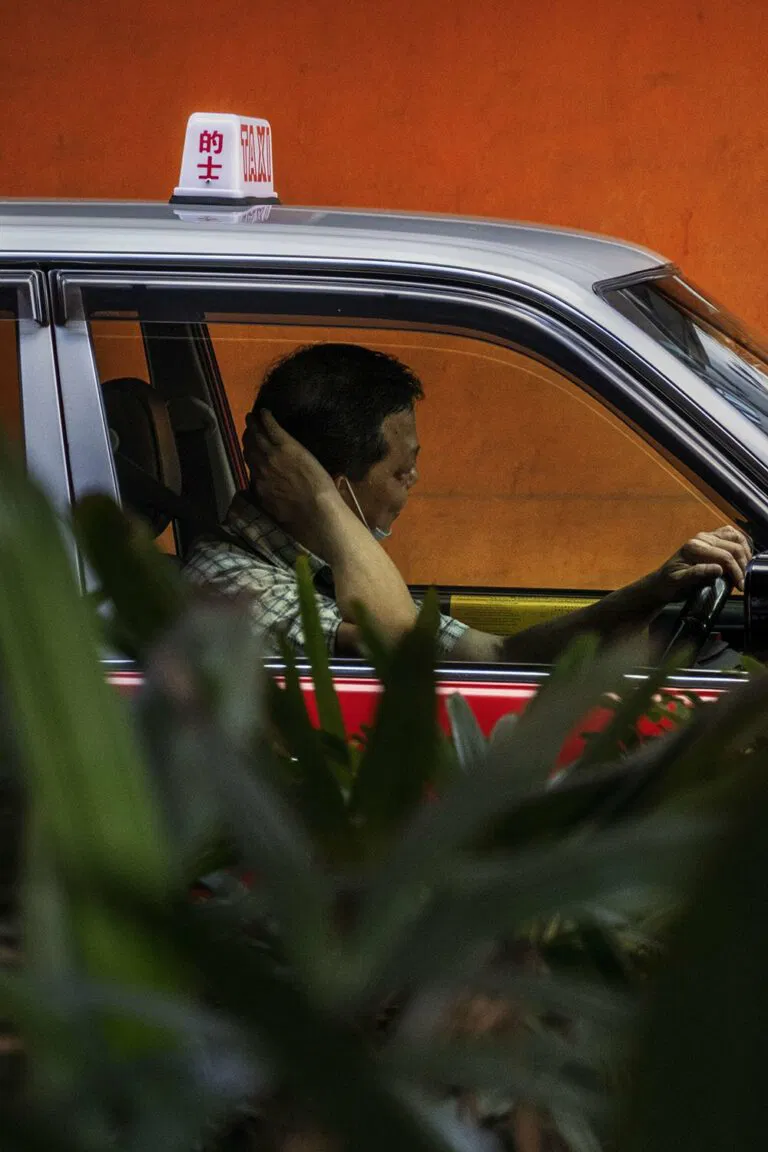
Your book Hong Kong captures the city’s unique energy. What drew you to street photography, and what do you think makes a great street photo?
M.Takkunen: In my day job as a photo editor on 《纽约时报》’ International desk, I deal with photography which is always very much about something. With my own work though, I ended up letting go of the need for overt meaning.
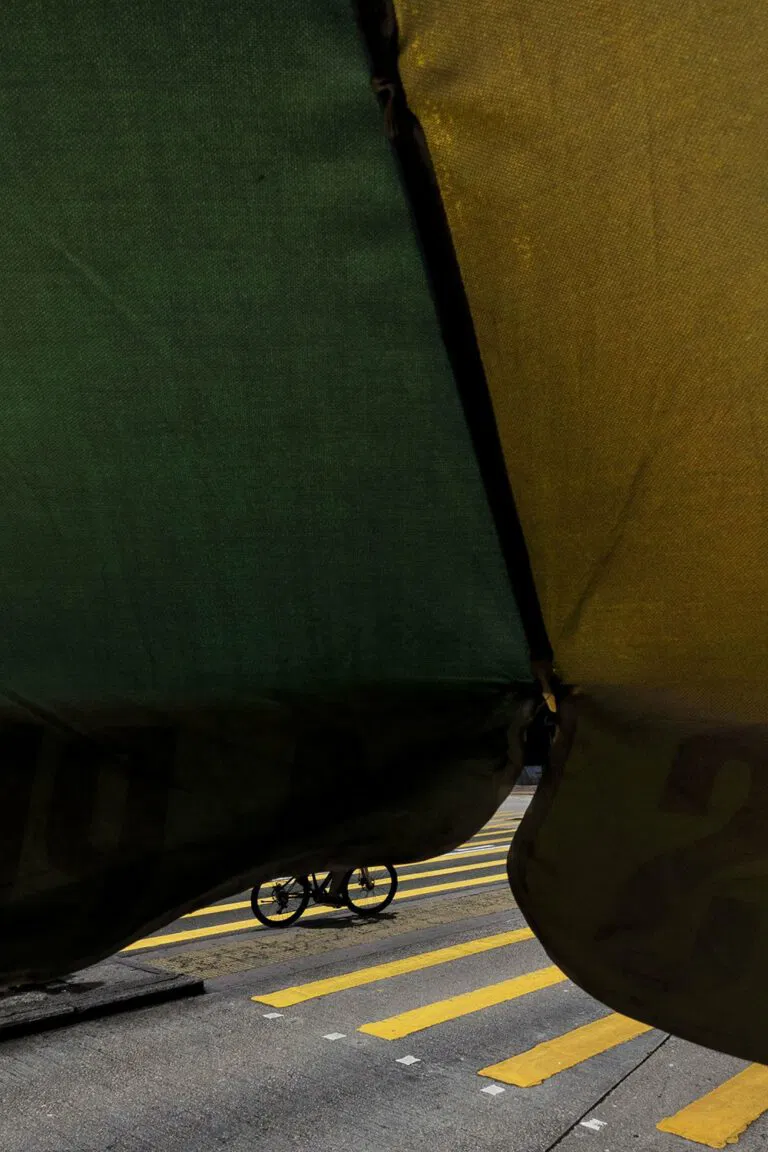
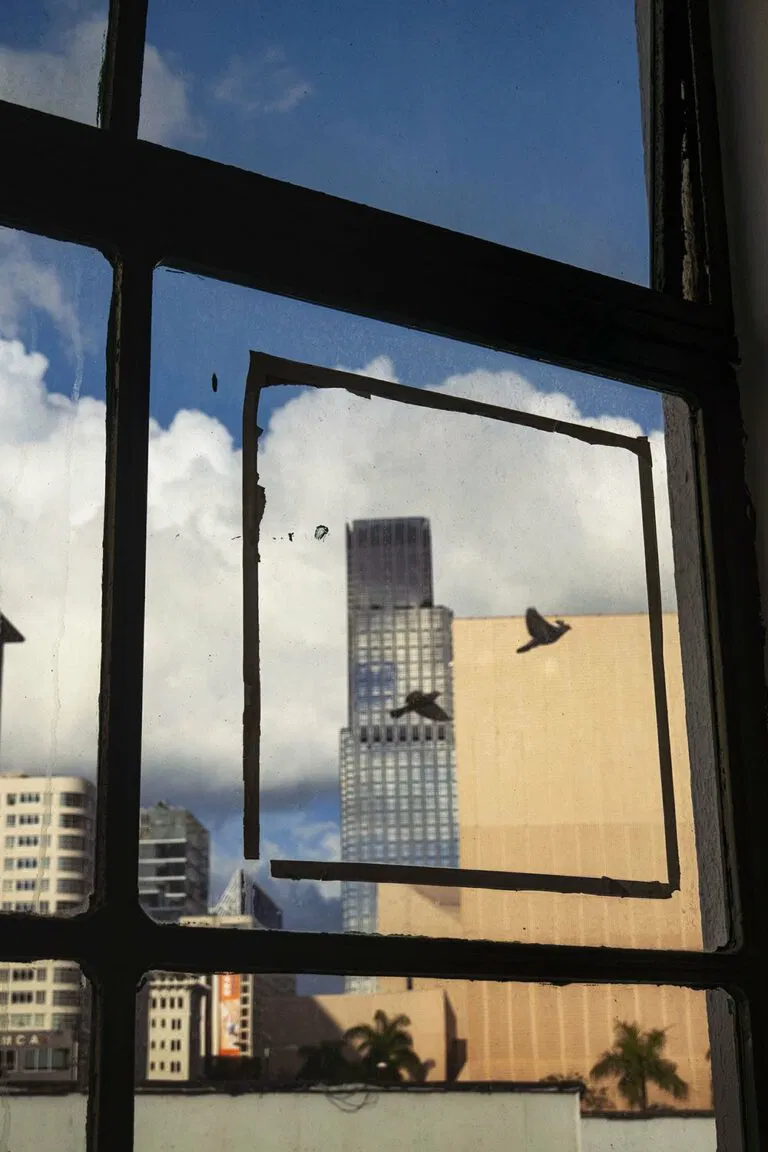
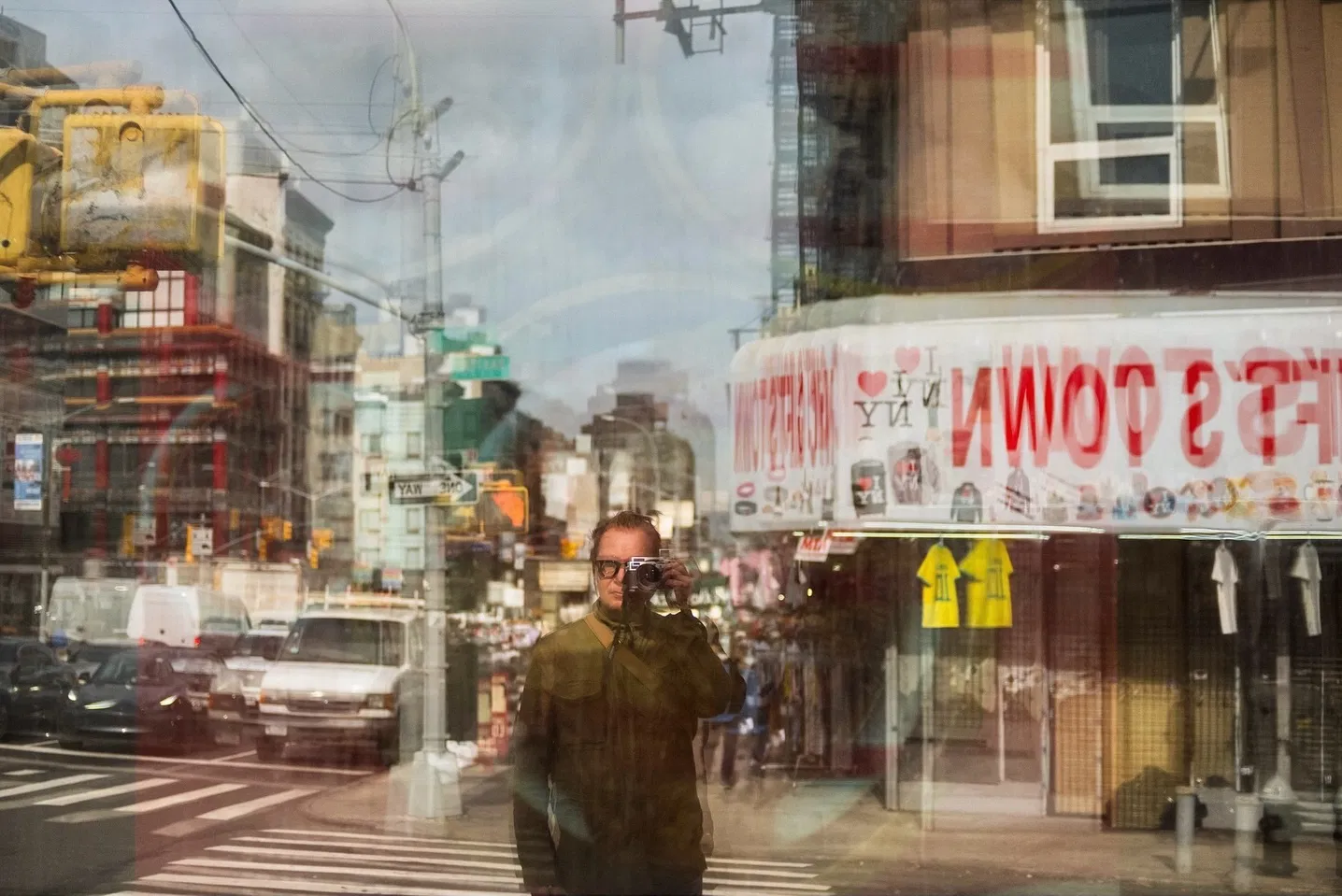
I like to wander and photograph whatever catches my eye. I don’t necessarily see it as street photography, though much of my work happens on the street—but I don’t mind if others call it that. A great street photograph shares the same fundamentals as any strong image—light, composition, and color—but what sets it apart is the ability to find magic in the everyday. It’s about seeing the extraordinary in the ordinary, whether in objects, human interactions, or the way people move within a scene at a specific moment.
What’s one key piece of advice you’d give to photographers hoping to break into the industry today?
M.Takkunen: I can only speak for editorial photography. It’s a tough field, as more publications now rely on news agency images instead of commissioning original work, and even the assignments that remain tend to be shorter. So there isn’t as much work to go around as before.
I recommend doing personal projects or other self-assigned work to build a portfolio that consists of stories, rather than just single images. Even short stories can give an editor a better sense of your true capabilities than a collection of single images. The subjects you choose to cover also reveal your interests. Some photographers prefer to be jacks-of-all-trades, which is perfectly fine, but it’s often easier to stand out—especially early in your career—if you have a specific ‘beat’ or speciality, such as portraiture.
所有图片版权所有 米科·塔库宁
His work is represented by the Hulett Collection. Browse it 这里。.