

“To be a great street photographer, in my opinion, one needs to have curiosity, patience, respect, empathy, and a clear vision.” – Jamel Shabazz
世界知名的布鲁克林摄影师贾梅尔·沙巴兹在过去的四十年里,一直致力于捕捉家乡的生活精髓。.
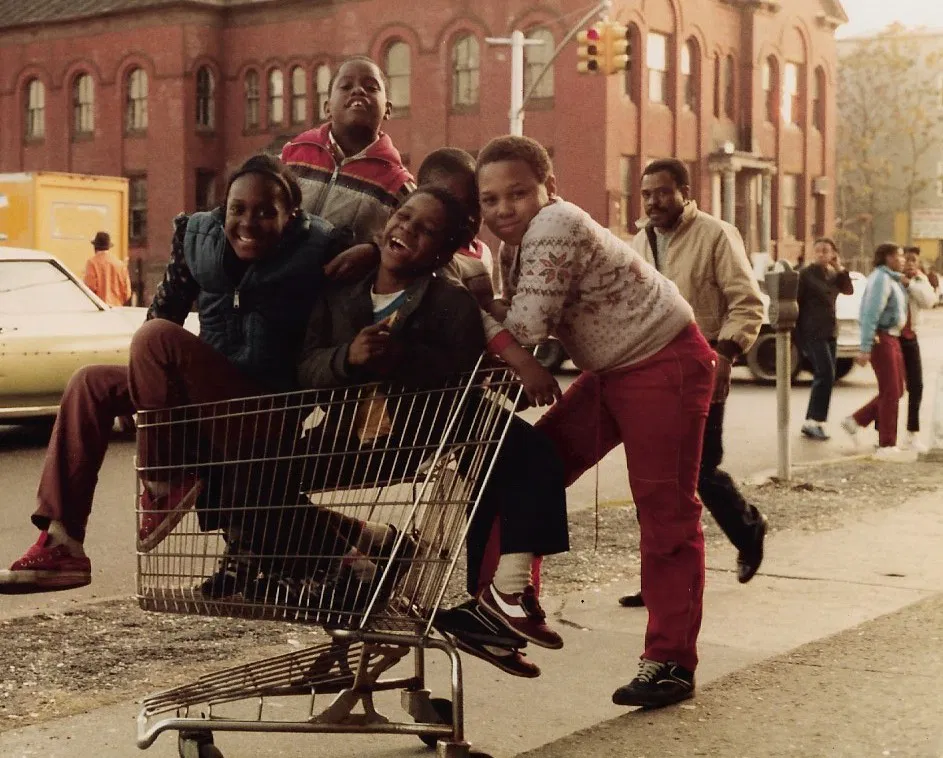
Flatbush, Brooklyn, 1981, a group of children pose, crammed in a shopping cart, their youthful vivacity, and innocence, perfectly captured. It is one of Shabazz’s most iconic images, one that embodies the distinct style for which he is renowned.
Born and raised in the Red Hook neighborhood of Brooklyn, in 1960, Shabazz grew up in a creative household. As a teenager, his home permeated with the sound of soul and early disco, and was filled with magazines like 国家地理 和 生活, along with a litany of books encompassing everything from politics to photography (including Leonard Freed’s landmark 1968 monograph, ‘Black and White in America’, which had a significant impact on the young man).
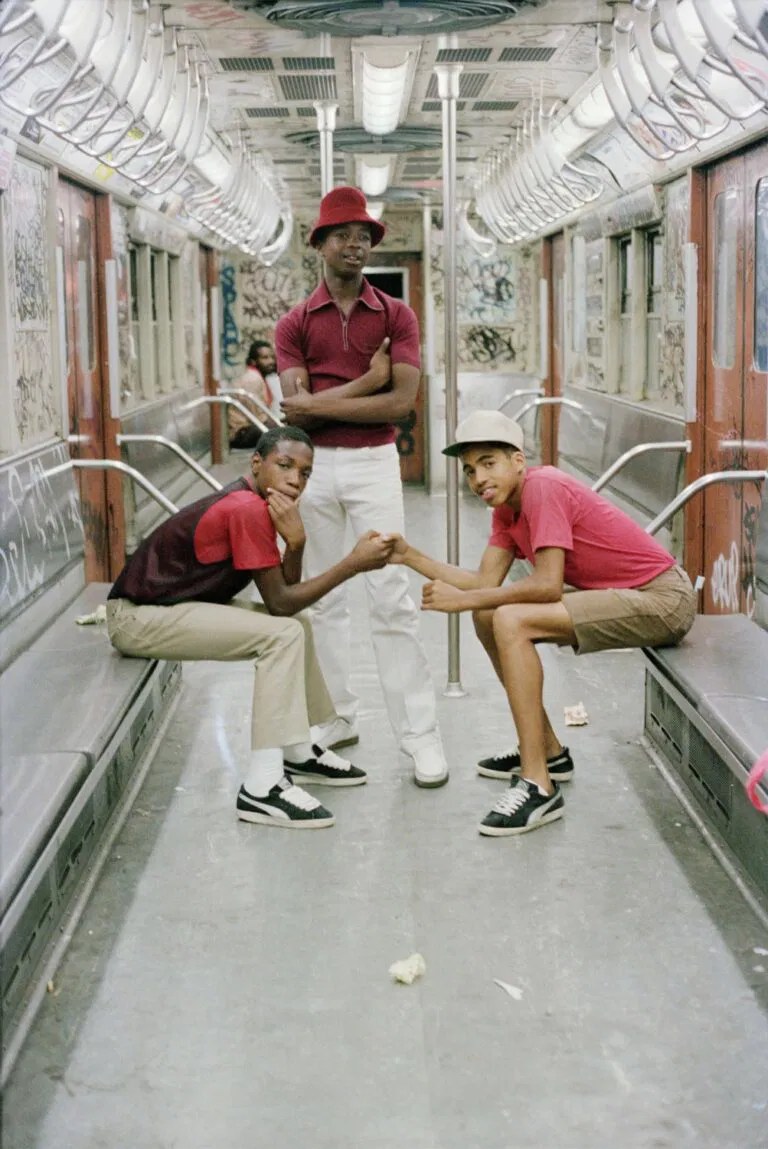
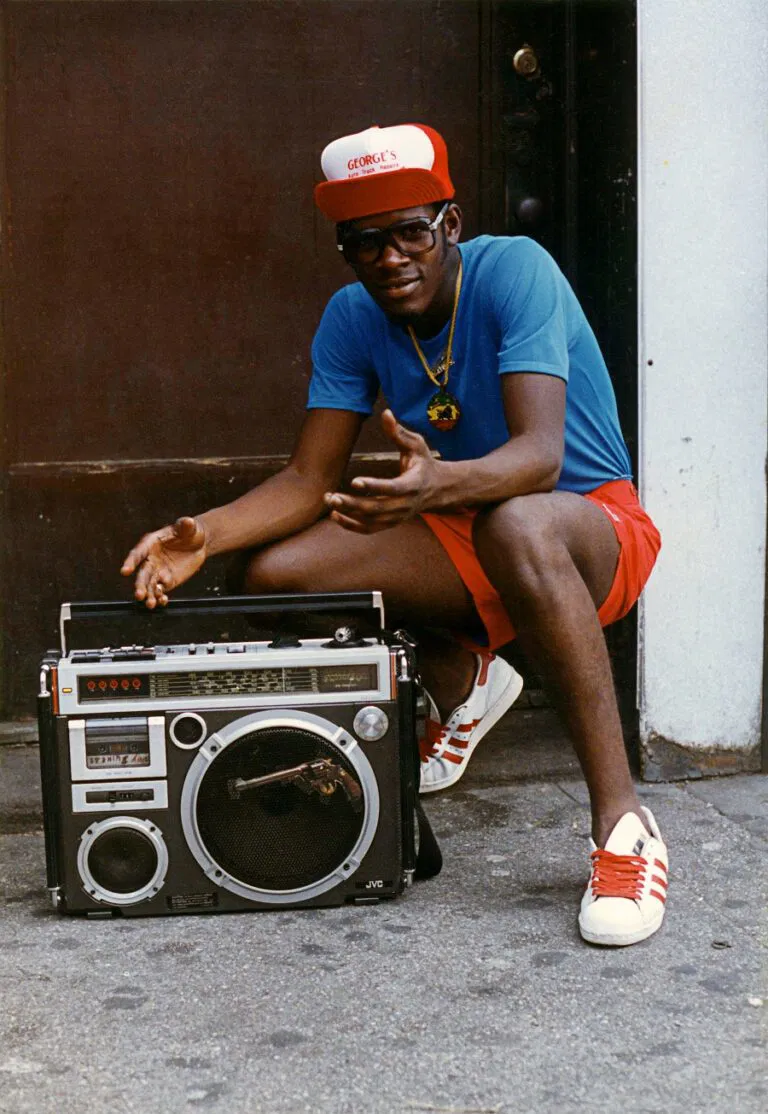
These diverse strands helped shape Shabazz’s sensibility and inspired him to first pick up a camera, aged fifteen, encouraged by his father, who was himself a photographer.
“He always had a camera around his neck and when he began to teach me the craft, he stressed that I should carry my camera everywhere, have the cap off, and aperture and shutter set for any occasion; as you never know when you will see something that will capture your eye.”
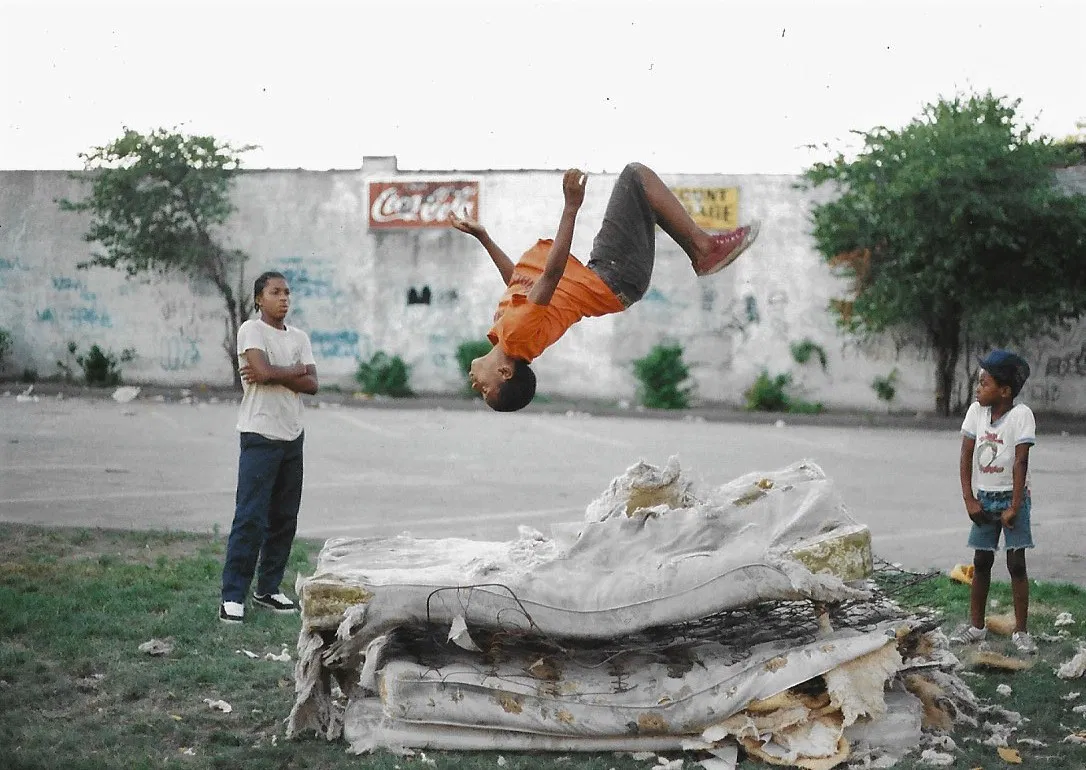
At the age of 17, Shabazz enlisted in the military and was sent to 德国. He returned to New York three years later, at the turn of the 1980s, a key moment in contemporary US culture. The Hip hop movement (which encompassed music, dance, and fashion) had exploded across some of the inner city neighborhoods, though, simultaneously, industrial decline and stagnation had led to high unemployment, societal erosion, and an increase in crime, engendering a crack epidemic which blighted a number of his childhood friends.
Driven by a desire to ‘honor & elevate the young people in his community’, Shabazz took to the sidewalks, public squares, and subways of his local area with his new Canon Ae1 35mm camera in hand (a leaving gift from the military), and photographed his compatriots with honesty, artistry, and respect.
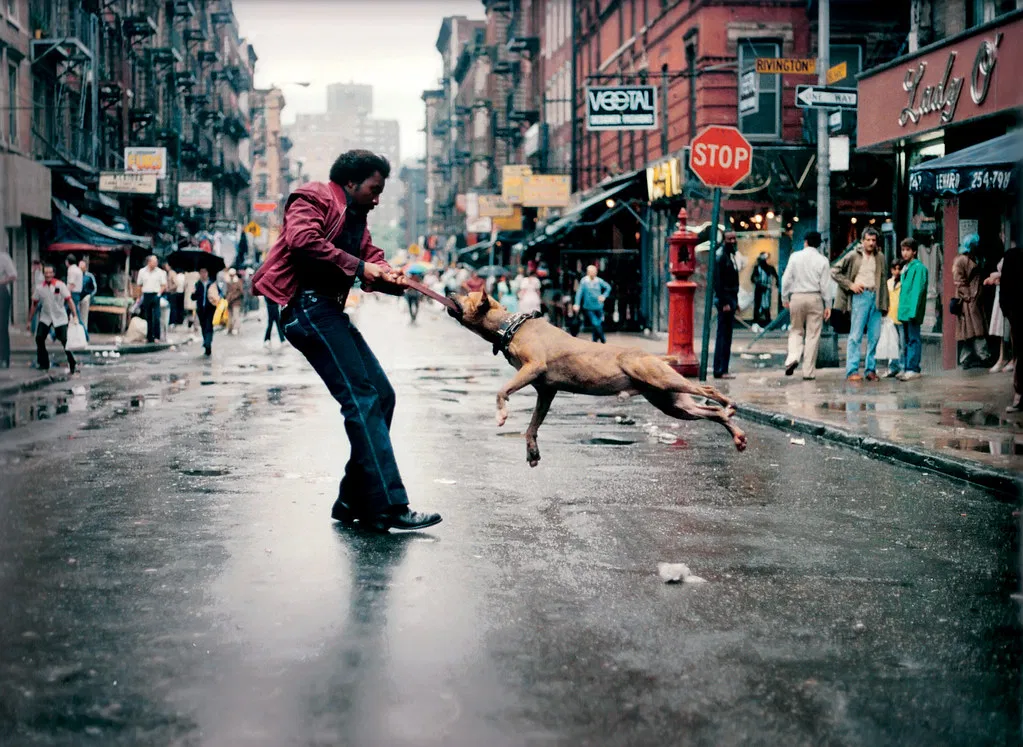
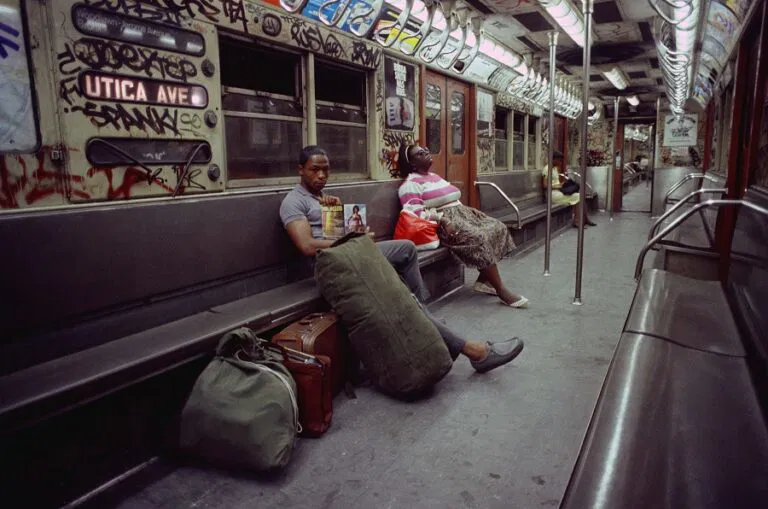
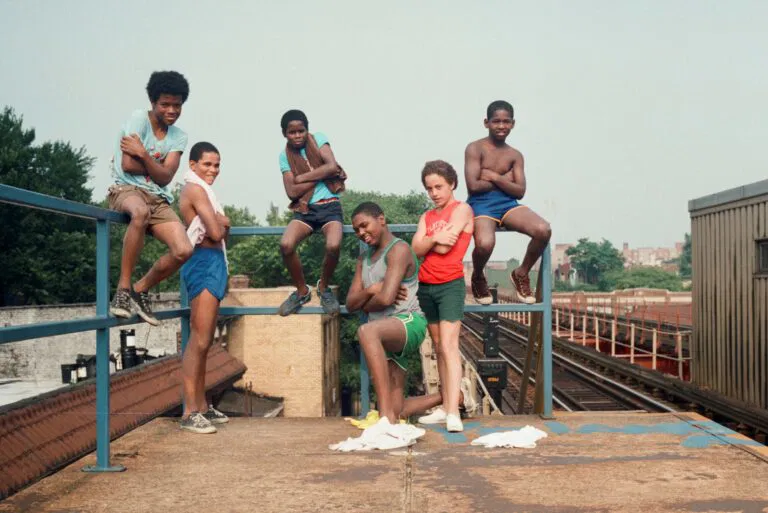
Switching between a 28mm wide angle lens, for more candid dynamic shots, and a 50mm, for portraiture, he captured striking images imbued with optimism. The latter was the product of a ‘collaboration’ with his subjects, usually captured after a short, but deep conversation, in which Shabazz would extol the importance of choosing ‘the right path’.
As a local, who understood the vernacular of the neighborhood – the style, body language, and slang – he was afforded trust, and thus, a closeness that allowed him to capture his subjects with rare veracity. His young subjects are empowered by their experience, conveying a strong sense of pride and confidence.
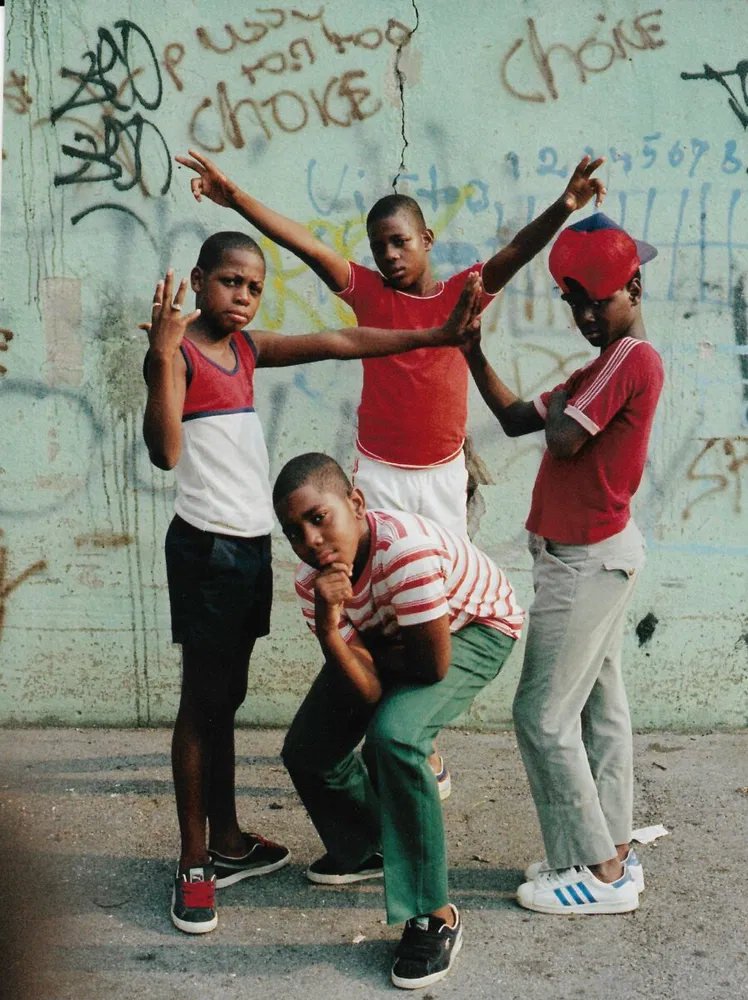
Though predominantly known for these striking, color-rich images, imbued with energy and positivity, he also captured more somber renditions. In 1983, eager to further help his community, he took a job with the New York Corrections Department, which took him to the city’s notorious Riker’s Island jail; the State Supreme Court in Manhattan – where he worked primarily with mentally ill detainees and the criminally insane – and various other locations and programs, that included mentorship, drug rehabilitation, and work release.
He would spend several decades there, witnessing close-hand the effects of the crack epidemic which had ravaged disadvantaged communities across the city, and conveying his experiences through his lens.
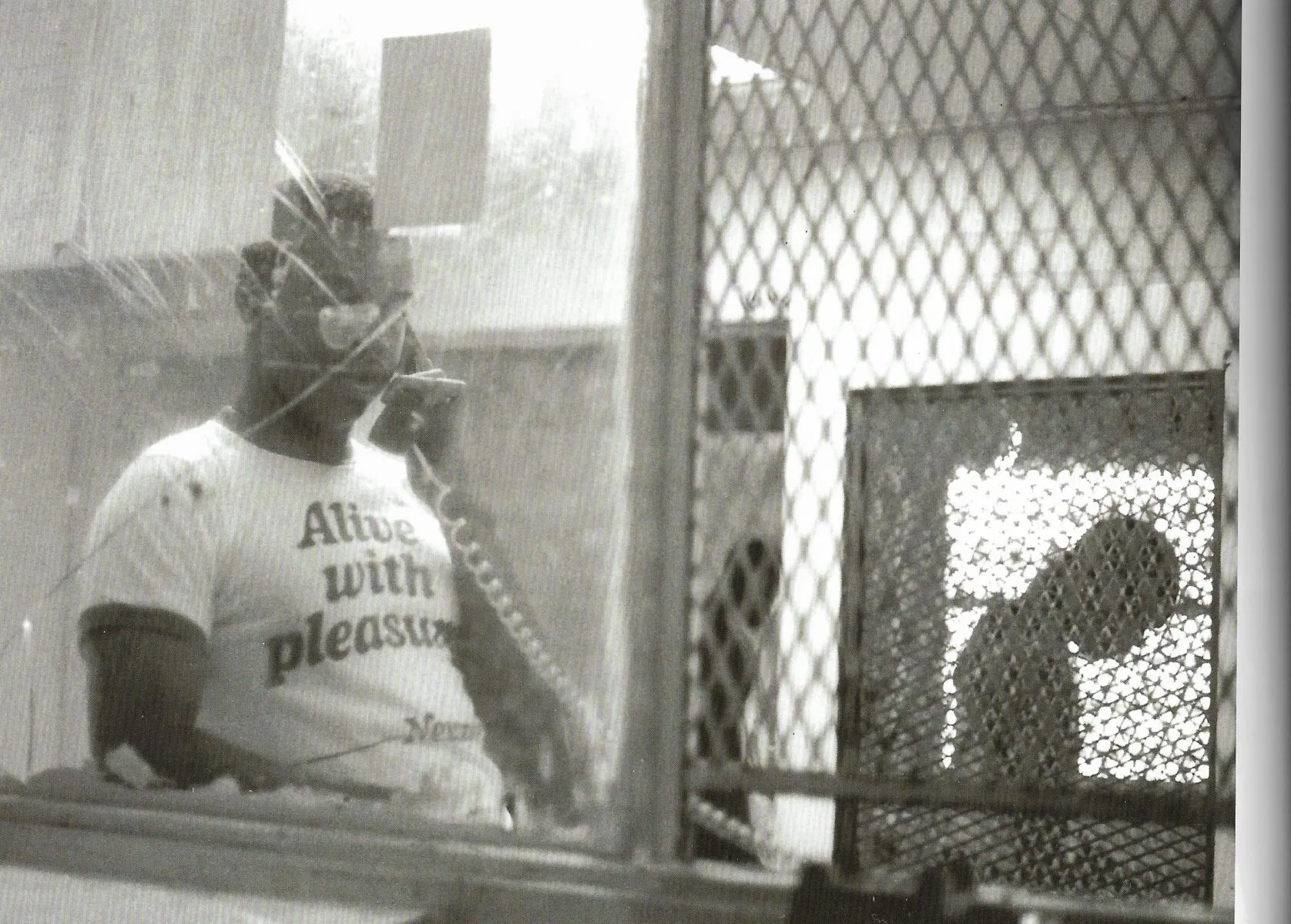
Four decades into his career, his approach remains largely unchanged. However, more recently, in order to better understand the diverse cultures that comprise his home city, he has turned his attention outside of his community. He has attended and documented various cultural events and parades, including, among many others, Pride, Native American Pow Wows, and one that is very close to his heart, the annual Veterans Day parade.
“When I first started out on this photographic journey, I focused my lens primarily on my community. As the years progressed and I started traveling, I focused on developing a broader and more definitive body of work. In most cases, my personal approach was engagement, meaning if I saw someone I wanted to photograph, I would take the time to stop and explain my intention as to why I wanted to photograph them. (Where I come from, you just could not take a photograph of a person and keep it moving, as the results could be very negative.) I found it was better to just engage a person and gain their trust first. That was a common practice I followed for many years.”
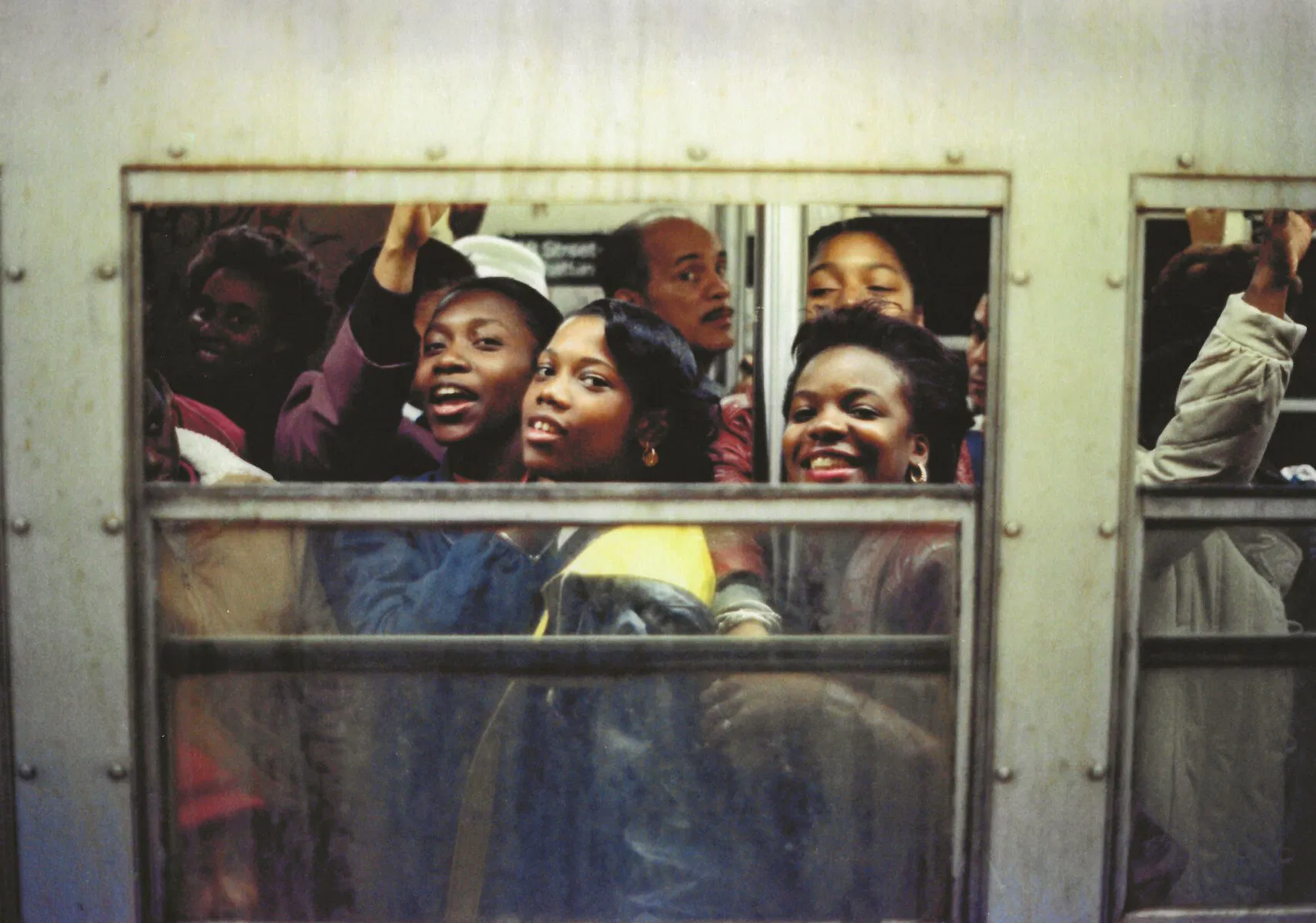
He notes that the rise of cellphone photography since the mid-2000s has made his approach more challenging. The ability to take ‘selfies’ has rendered many people reluctant to have their image taken by a stranger, and thus, he has resorted to using his 28mm lens more frequently, documenting his subjects ‘using the landscape as a backdrop’.
Over the years Shabazz has exhibited extensively across the US and internationally, including, at The Brooklyn Museum, The Studio Museum in Harlem, The J. Paul Getty Museum, and the Victoria and Albert Museum in London. He has published several books, including Back in the Days (2001), and has worked as a teaching artist in institutions such as the International Center of Photography.
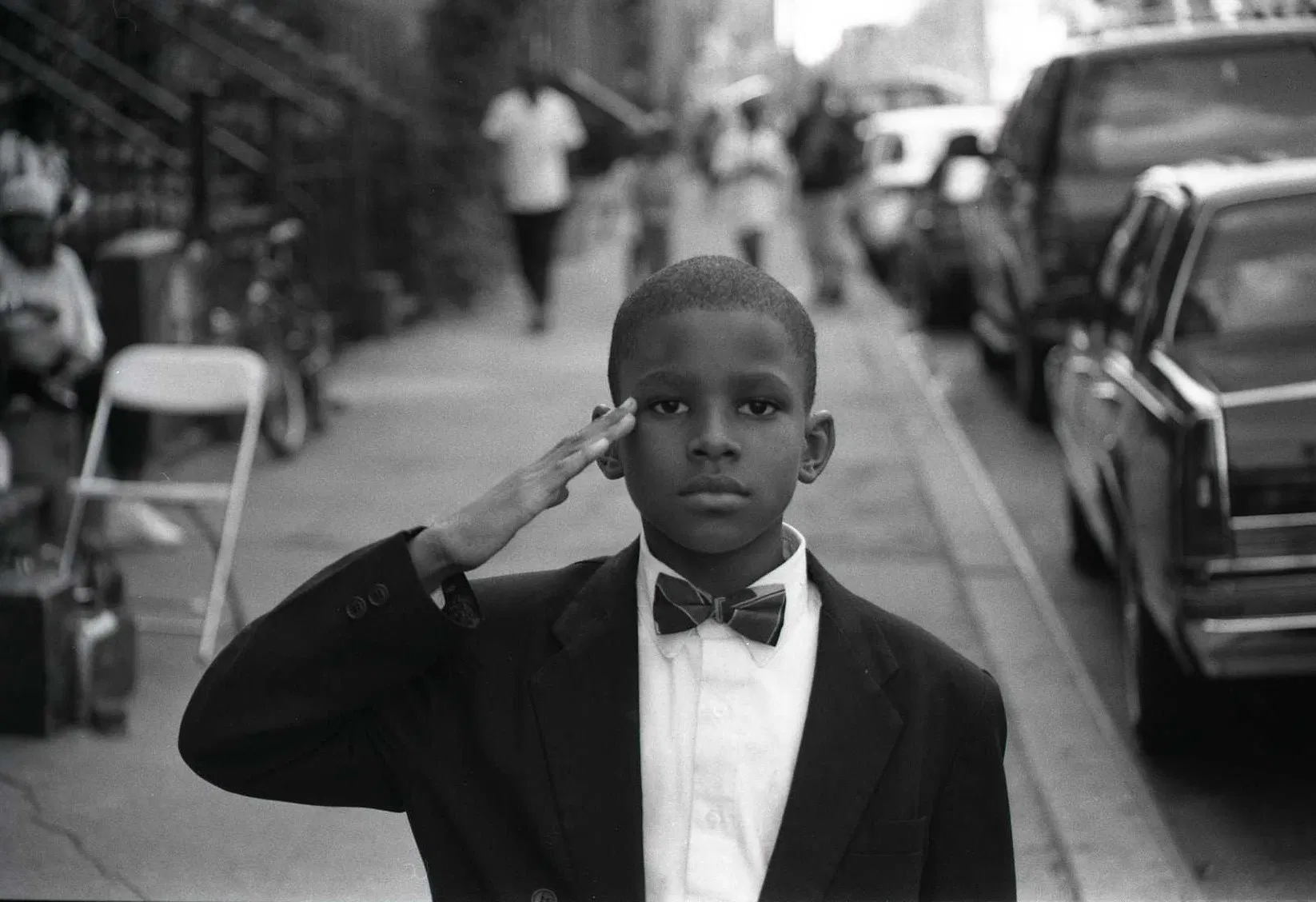
Today he is widely recognized as one of the most important street photographers of our time, a unique and visionary practitioner whose unflinching commitment to the human spirit serves as an inspiration to us all.
“Regarding advice, I would have to reiterate what my father passed on to me, and that is to carry your camera everywhere you go, with the cap off, and shutter and aperture set accordingly, to respond to any situation that might arise at any given moment.”
所有图片版权所有 贾梅尔·沙巴兹
Jamel Shabazz was judge of our Street Photography Award in September 2022. You can view the results 这里.