

“… influence has no rules. I am influenced most when I am most inspired. Perhaps that’s why many photographers love to explore new places and meet new people. That freshness provides excitement.” – Laura Pannack
Judge of our 2026 Visual Story Award (now open for entries), London-based photographer Laura Pannack is known for portraits shaped by patience, sensitivity, and a masterful understanding of light. Often focused on young people, her images carry a quiet intensity, inviting the viewer into moments of trust, vulnerability, and presence.
“I’ve been raised to do what I love, and the moment I started photography I fell in love…”
Despite the fact that her father worked as a photographer, Laura Pannack was 20 before she picked up a camera and captured an image for the first time. This was during her foundation studies at London’s Central Saint Martins College of Arts, and it ignited a feeling she describes as: ‘like a drug’, leaving her in no doubt that photography was the career she was destined to pursue.
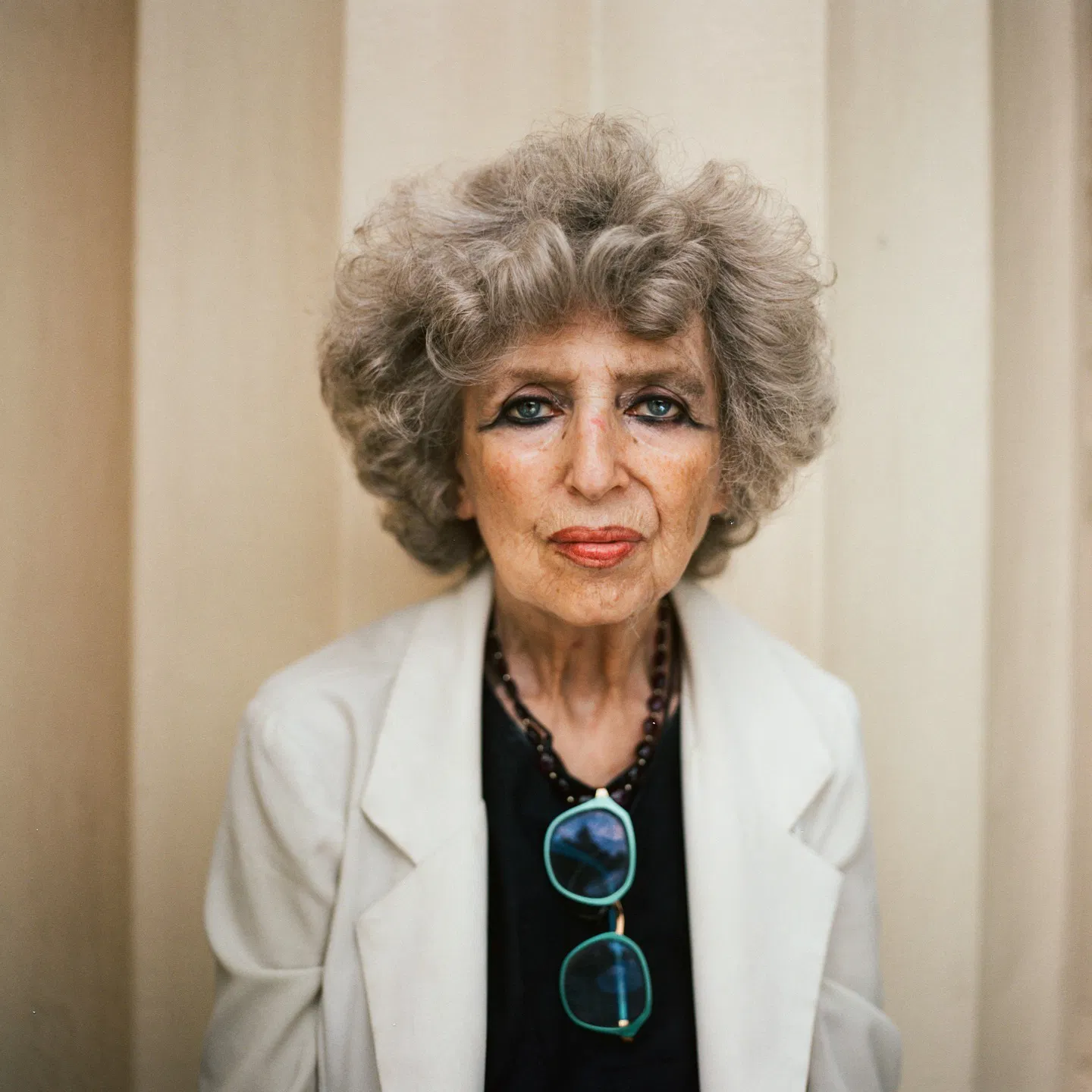
Influenced and inspired by the works of myriad artists and photographers, both past and present, from Diane Arbus’ striking and subversive portraiture and Man Ray’s surrealist renderings, to that of her contemporaries like Taryn Simon, Phillip Lorca diCorcia, and Joakim Eskilsden, Pannack, examines the often composite connection between the subject and photographer, driven by her deep fascination with people, “and the interaction, dynamic and psychology of the relationship”.
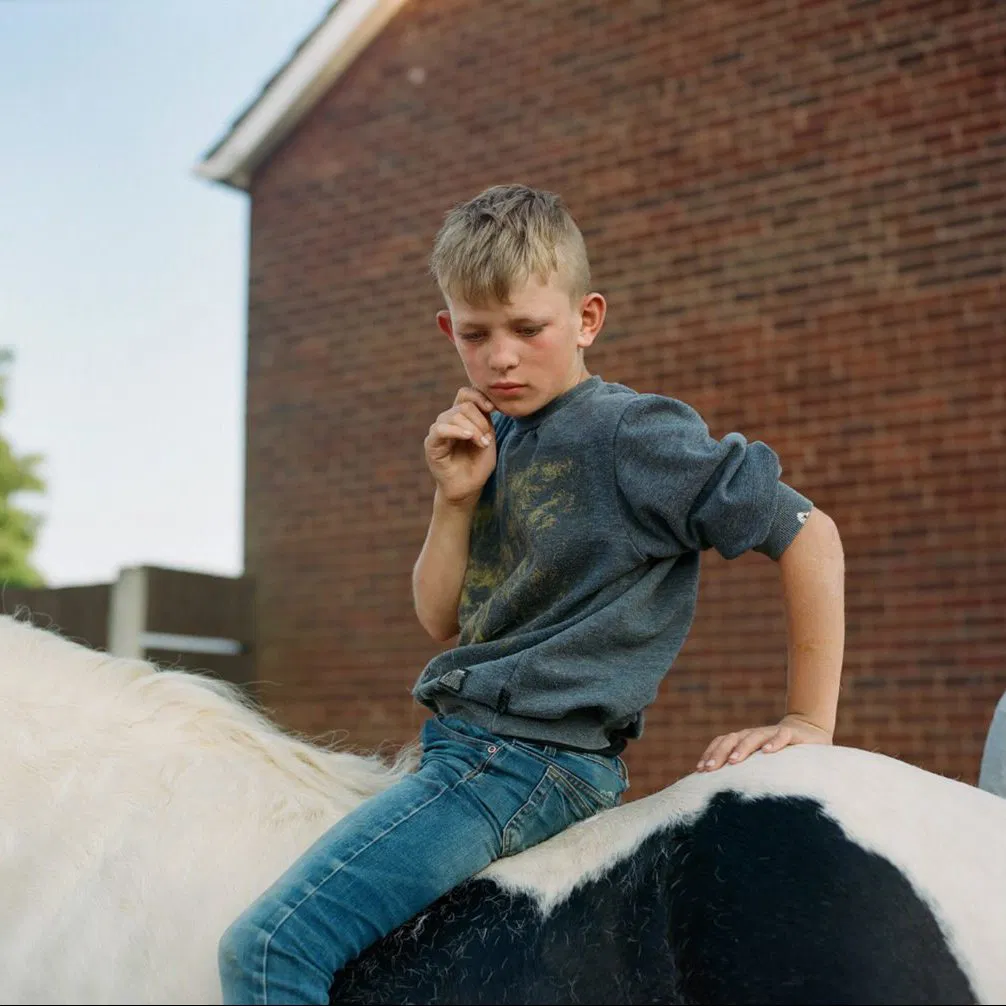
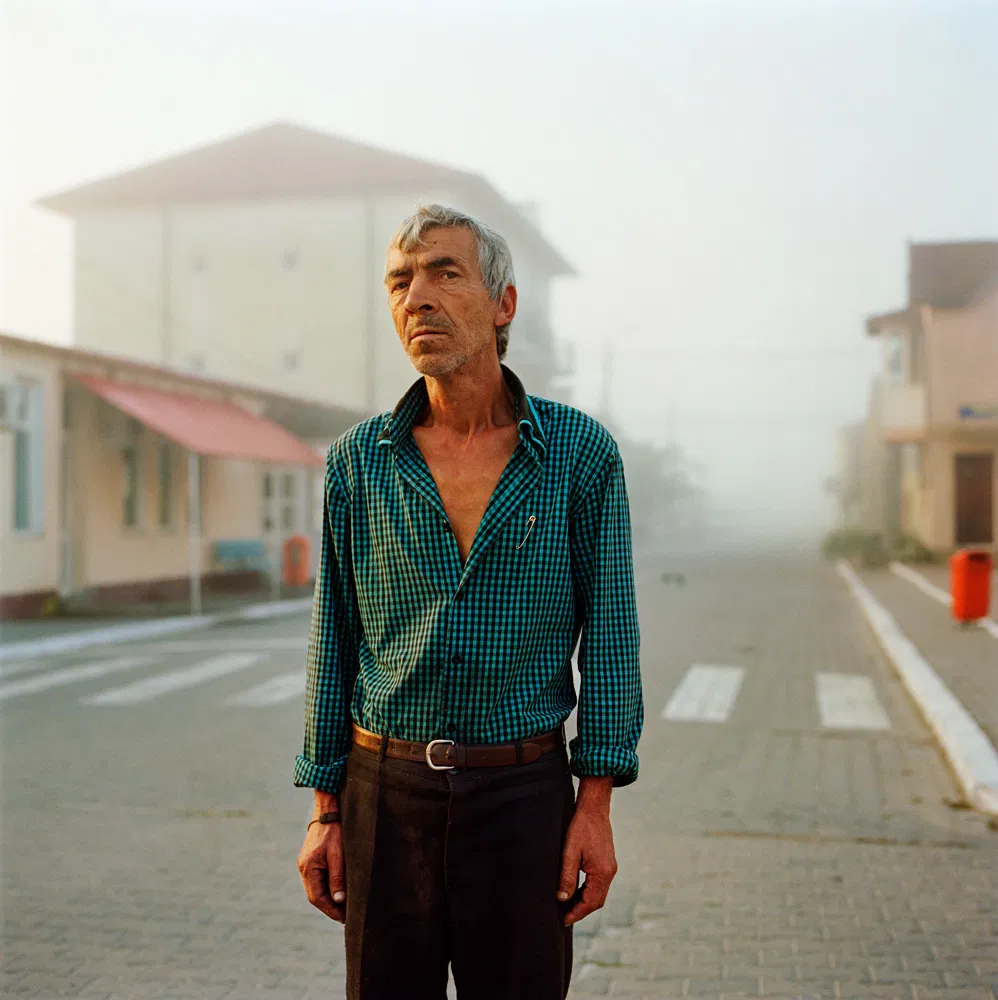
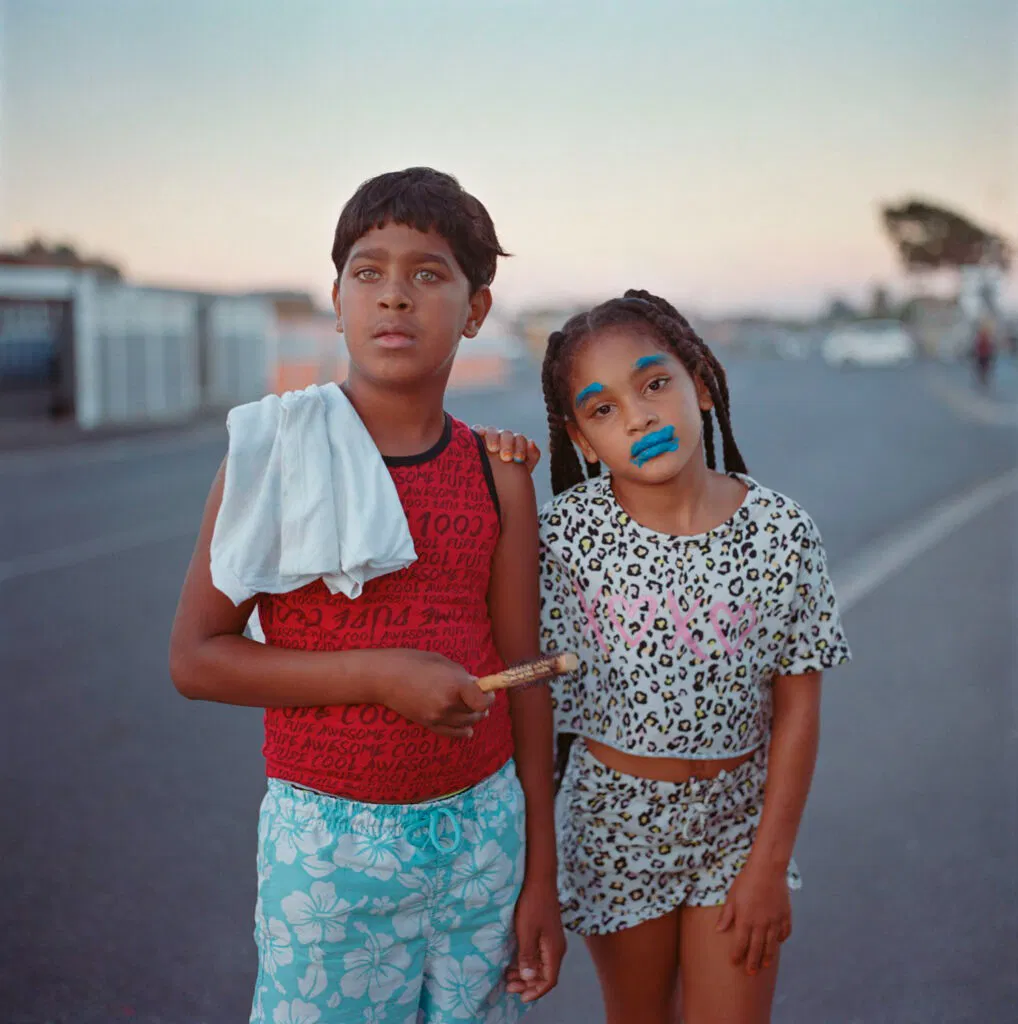
She shoots predominantly on film rather than digital, finding enjoyment in the act of using an analog camera, which she describes as “slower and more considered”, allowing her to “concentrate on the process rather than being distracted by the result”.
Although she asserts that her working methods differ slightly depending on the context, her approach is invariably intuitive, with narratives forming organically from her instinctive shooting rather than from any preconceived ideas or agenda.
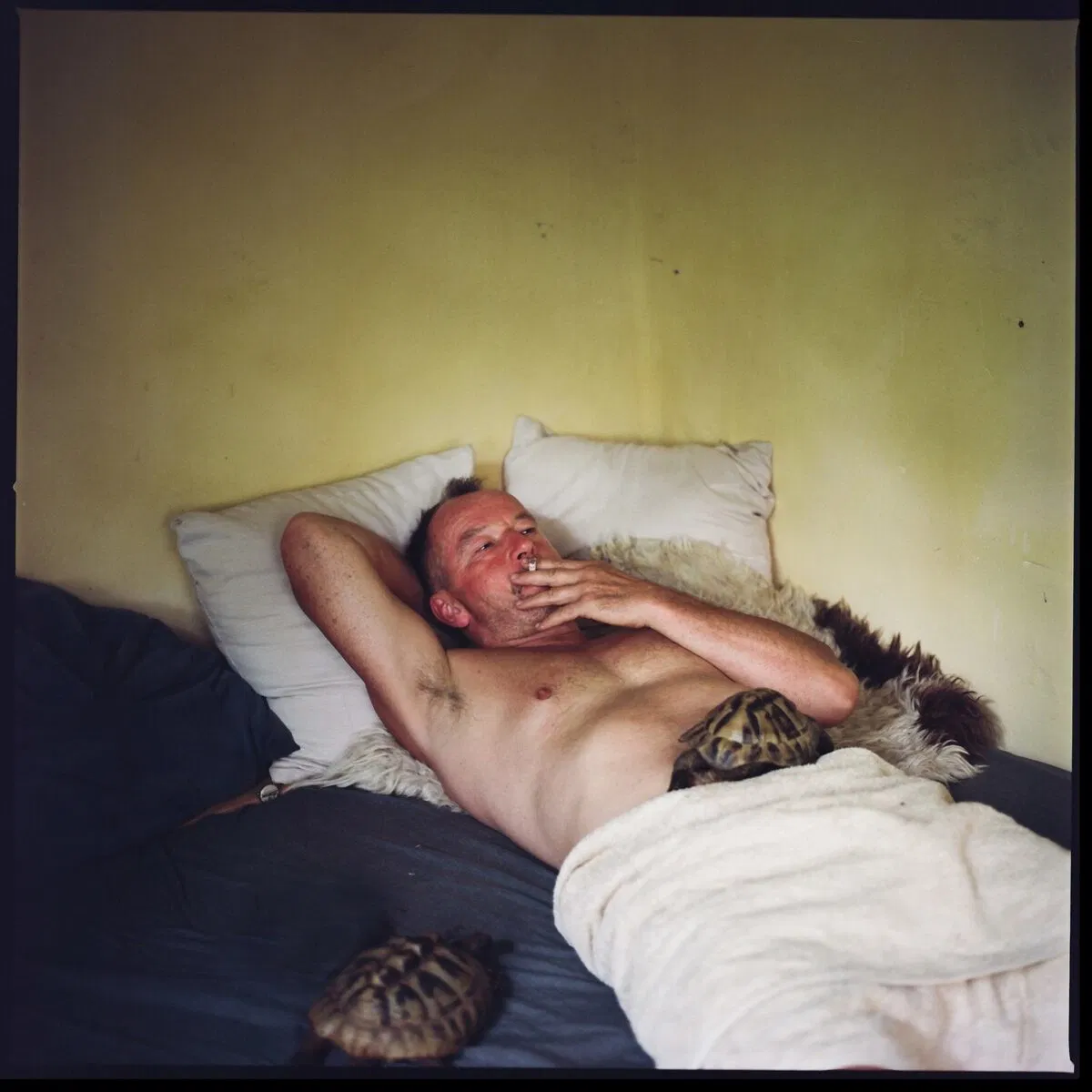
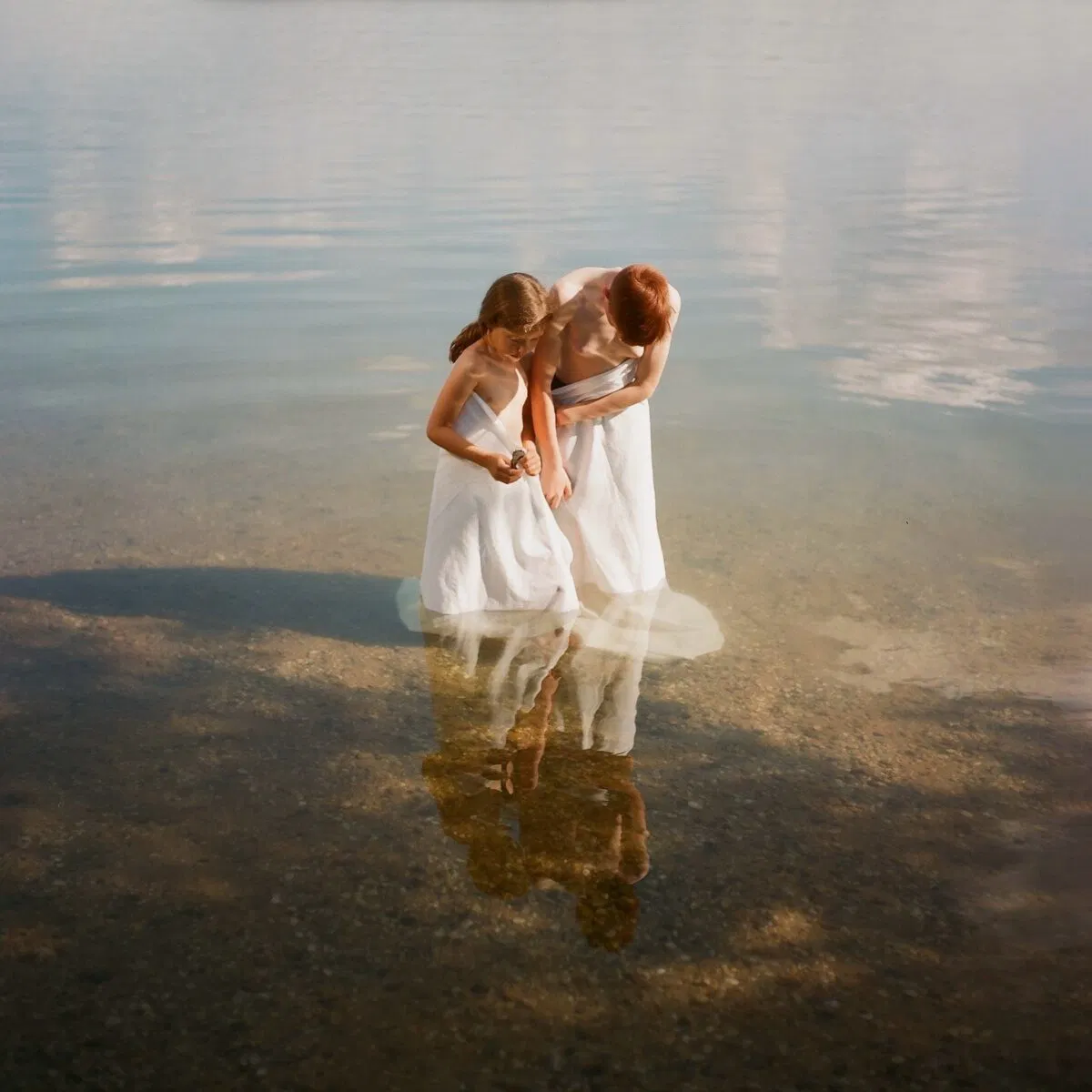
Much of her work focuses on youth, a period of life she has long been drawn to, and one she captures with remarkable grace and clarity. Young Love, Baruch and Island Symmetries, the series through which Pannack first established her reputation, reveal a quiet perceptiveness and candour, dreamlike in tone, and deeply attentive to the individuality of each person she photographed.
“Adolescence is a beautifully intense period that shapes us. That mix of identities and confusion. The strength of naivety and sense of invincibility and wonder inspires me. I like the honesty of young people, the lack of pretense, and most of all, they are just great fun.”
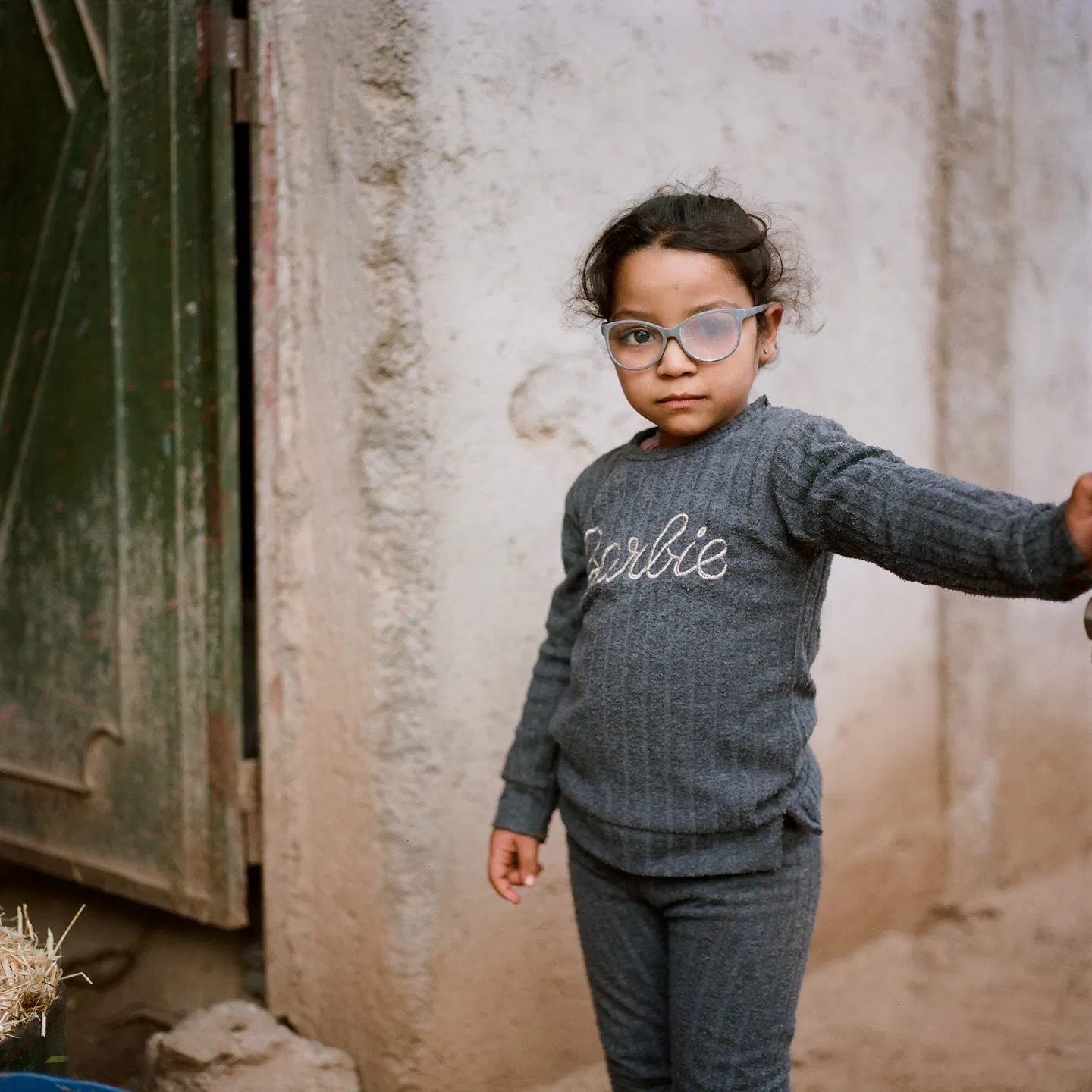
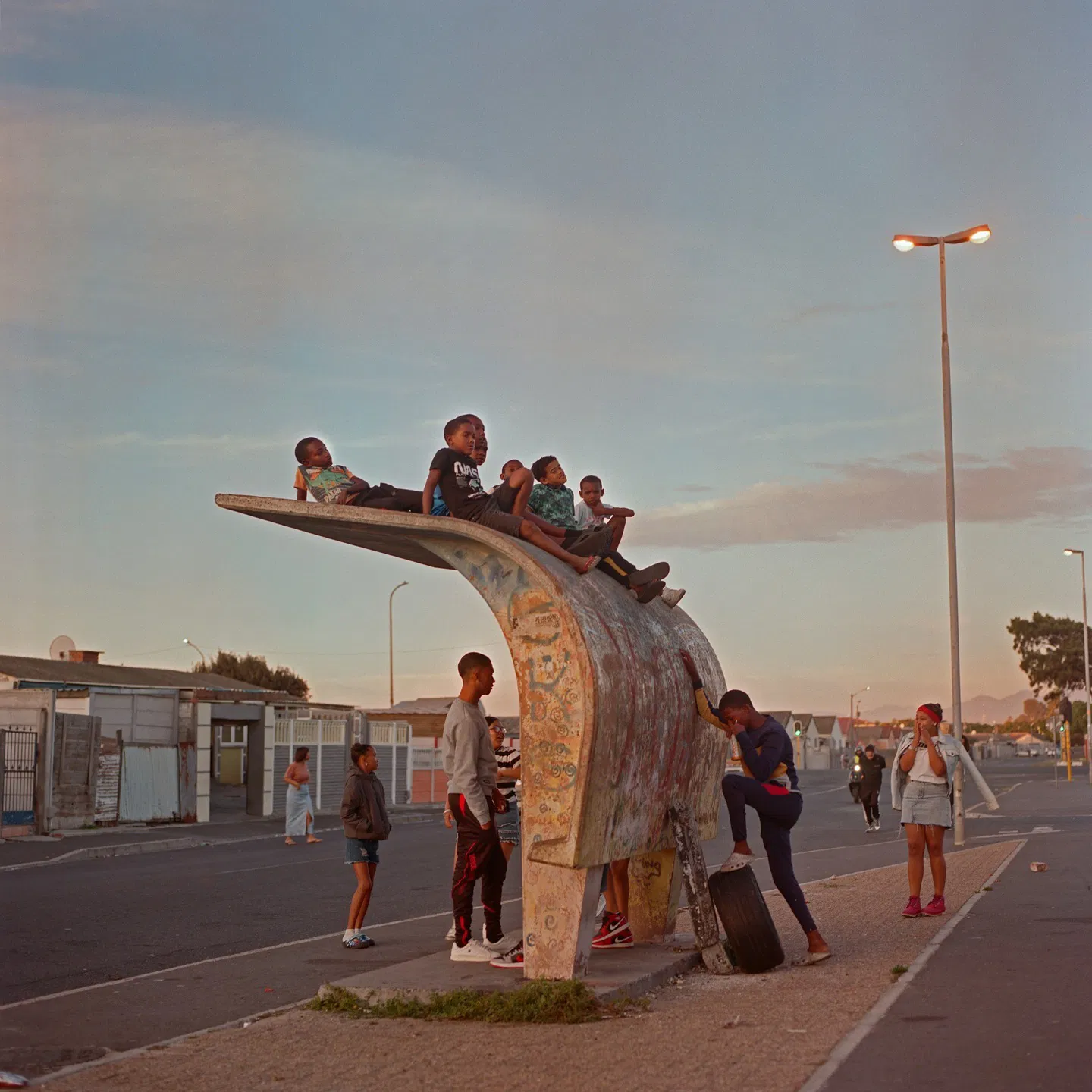
It is conspicuous that this distinct combination of qualities underpins her own practice, thus exemplifying the potent reciprocity between photographer and subject that her work seeks to explore. In recent years, Pannack’s practice has expanded while maintaining this core sensitivity. While young people remain central to her work, she has developed collaborative and socially engaged projects that explore questions of place, risk, and shared experience.
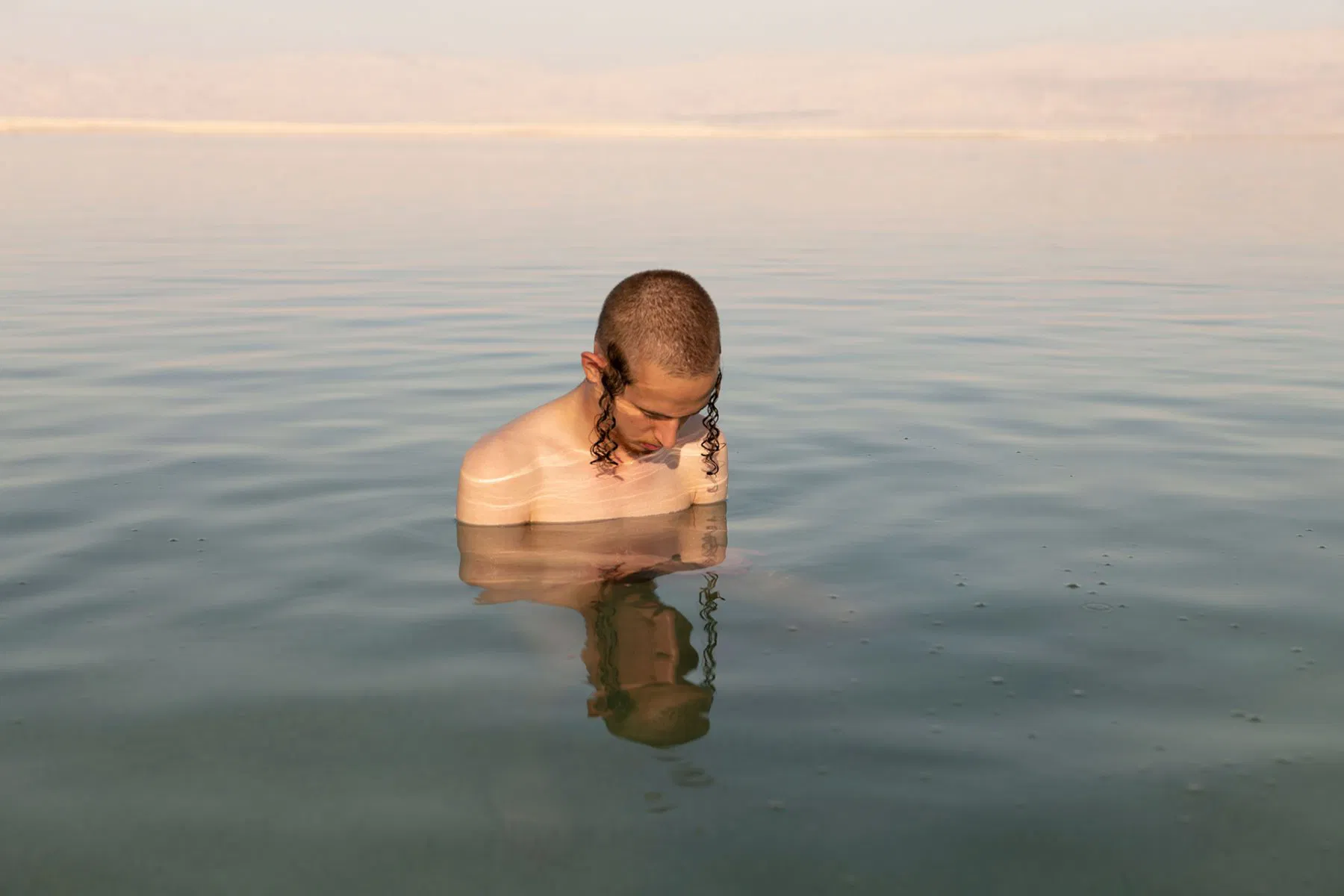
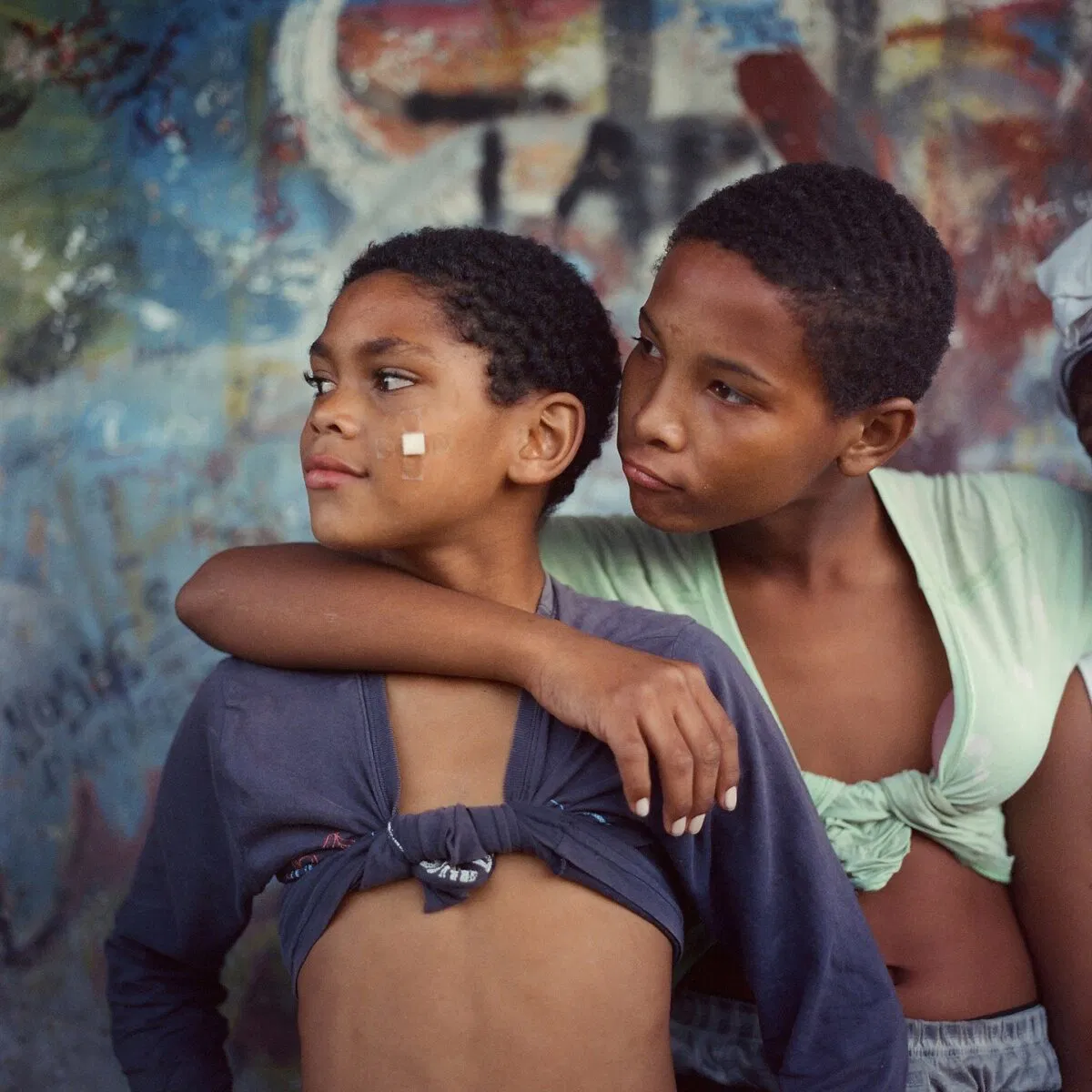
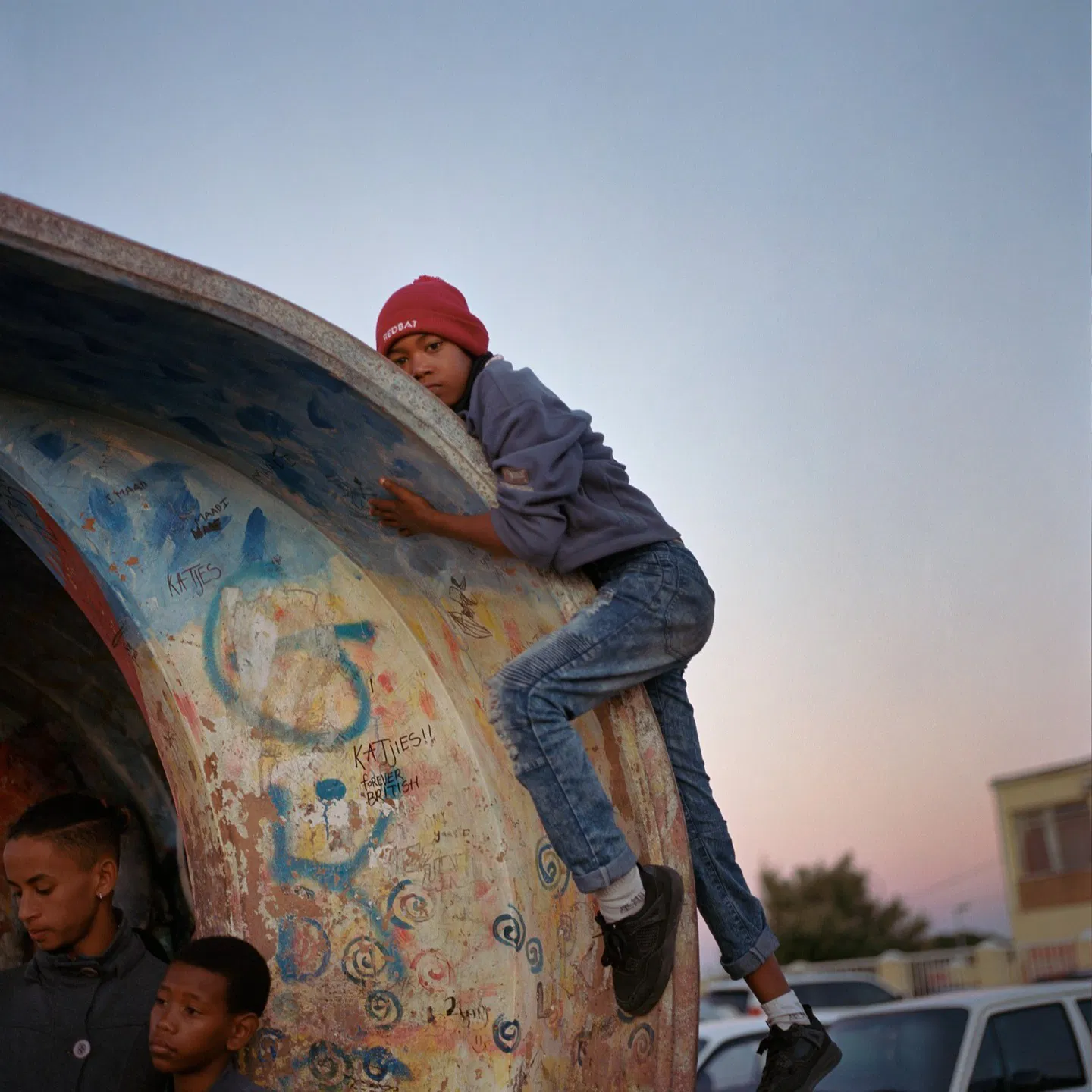
In recent years, Pannack’s practice has continued to evolve while retaining the intimacy and empathy that defined her early portraits. Her acclaimed, ongoing series The Journey Home from School follows young people in Cape Town as they navigate daily journeys through gang‑affected neighbourhoods, combining portraiture, landscape and participatory collaboration to create layered narratives of resilience and lived experience. Youth Without Age and Life Without Death explores Romanian folklore and the passage of time, bringing the dreamlike, poetic element of her work into sharper focus.
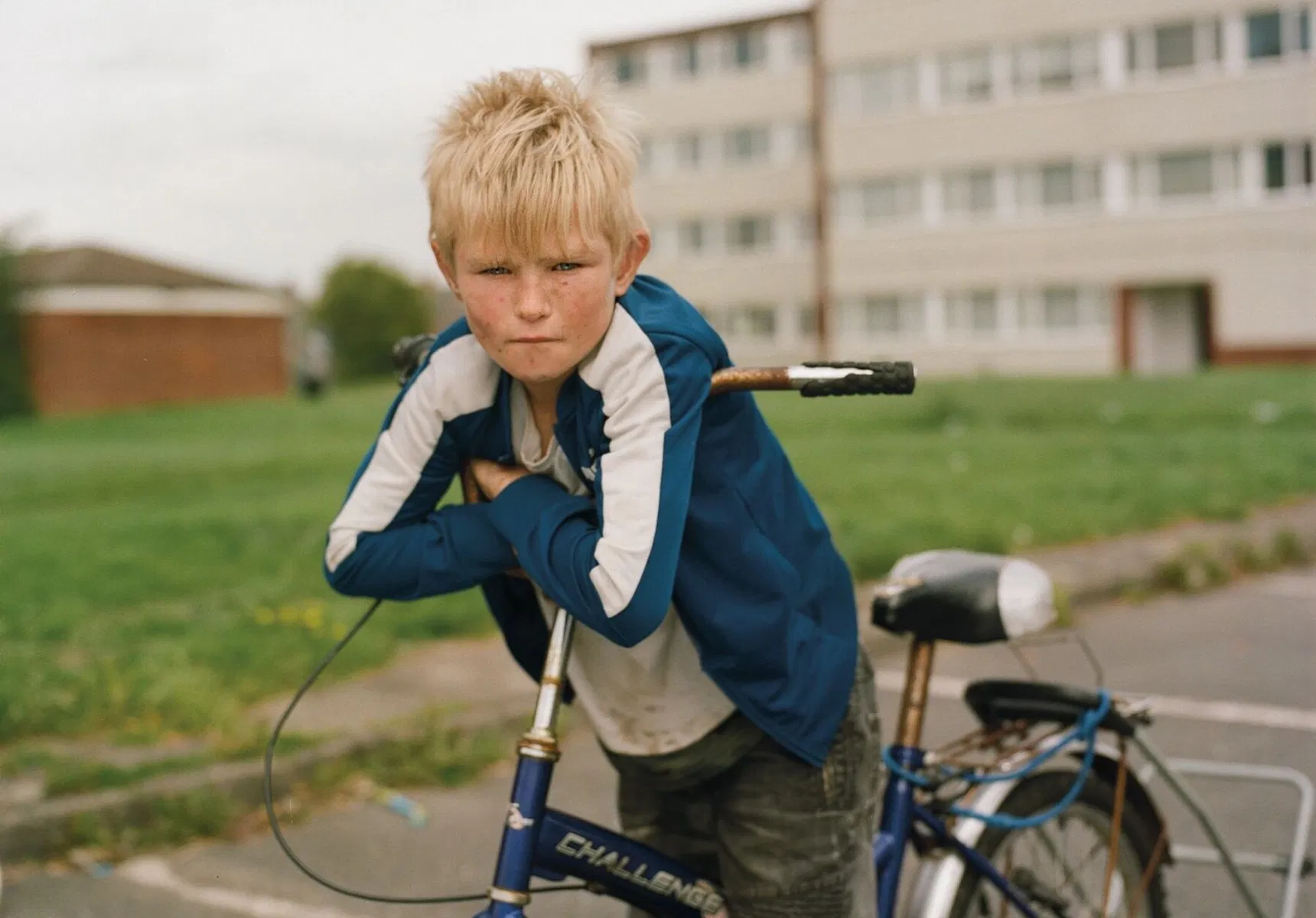
Pannack’s work stands as a reminder of the unique power of visual storytelling, its ability to illuminate lives, foster empathy, and reveal the depth and complexity of human experience. Her images continue to testify to the intimacy, attentiveness, and care that have always defined her practice, while demonstrating how photography can be both a mirror and a bridge, connecting artist, subject, and viewer in dialogue.
All images © Laura Pannack