

“When you get very close to people, you take something from them.” — Raymond Depardon
Few photographers have observed the world with the patient moral attention of Raymond Depardon. Across continents, conflicts, and generations, he has captured lives with a quiet rigor: images that are never sensational, never performative, but insist upon being seen.
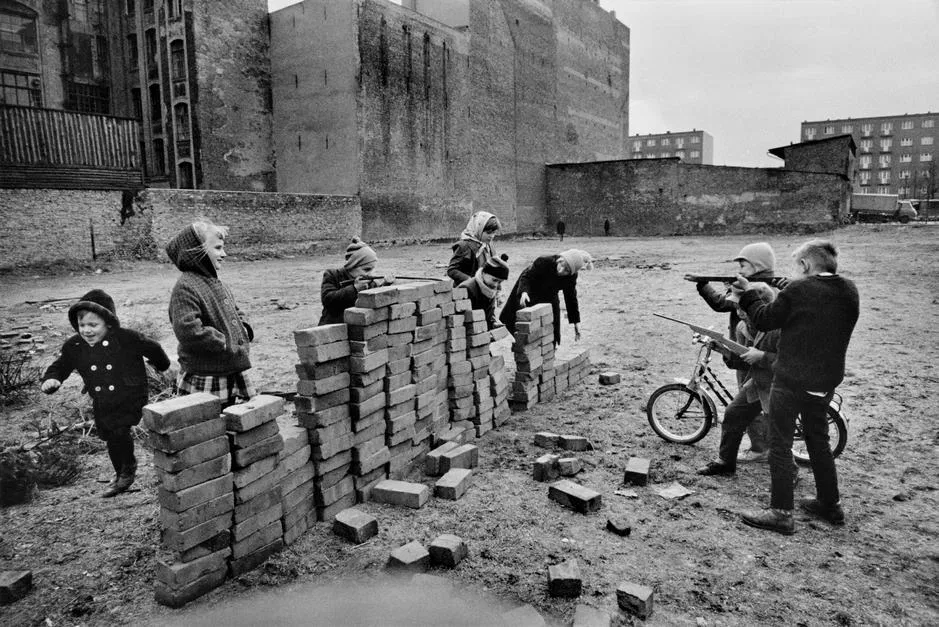
Born in France in 1942, Depardon began taking pictures on his family farm in Garet at age twelve, photographing his parents and the land that had shaped him. Early on, he learned that the camera could serve as both witness and companion.
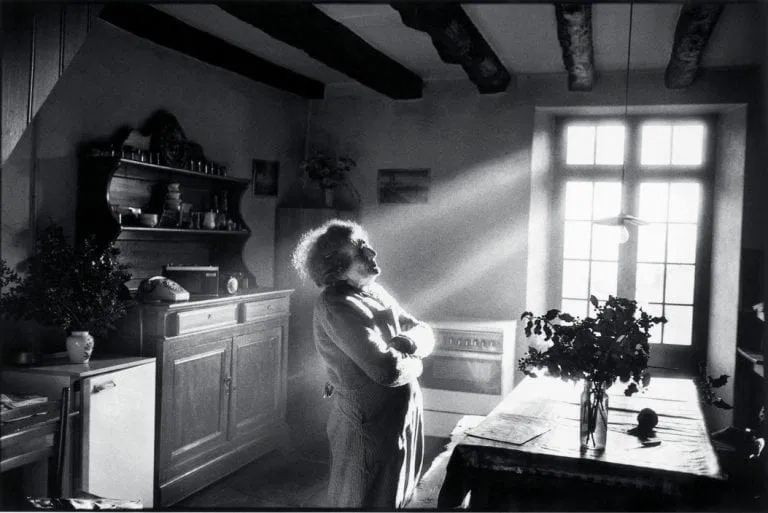
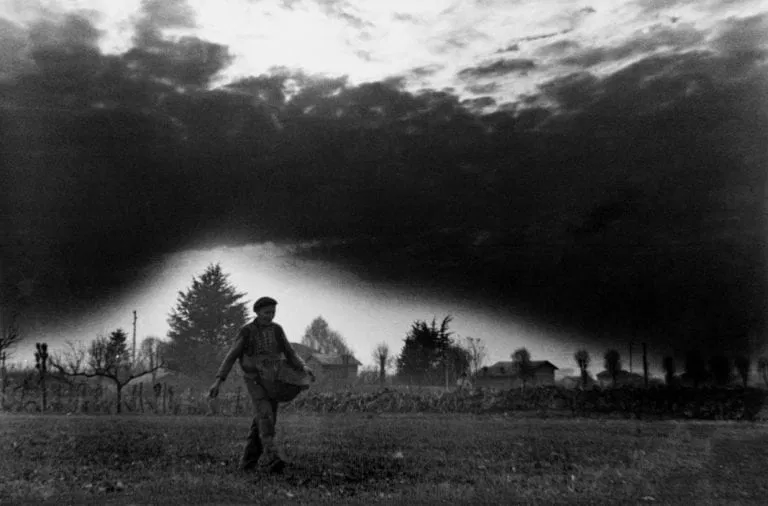
In 1960, two years after moving to Paris, Depardon’s early portfolio helped him join the Dalmas photo agency as a reporter, where he rapidly gained assignments that allowed him to see the world. Within a few years, his growing independent success enabled him to co-found his own photo agency, Gamma, in 1966, a platform through which he could pursue projects of personal investment and ambition. By 1979, after years of international work, he became a full member of Magnum Photos, solidifying his place among the foremost photographers of his generation.
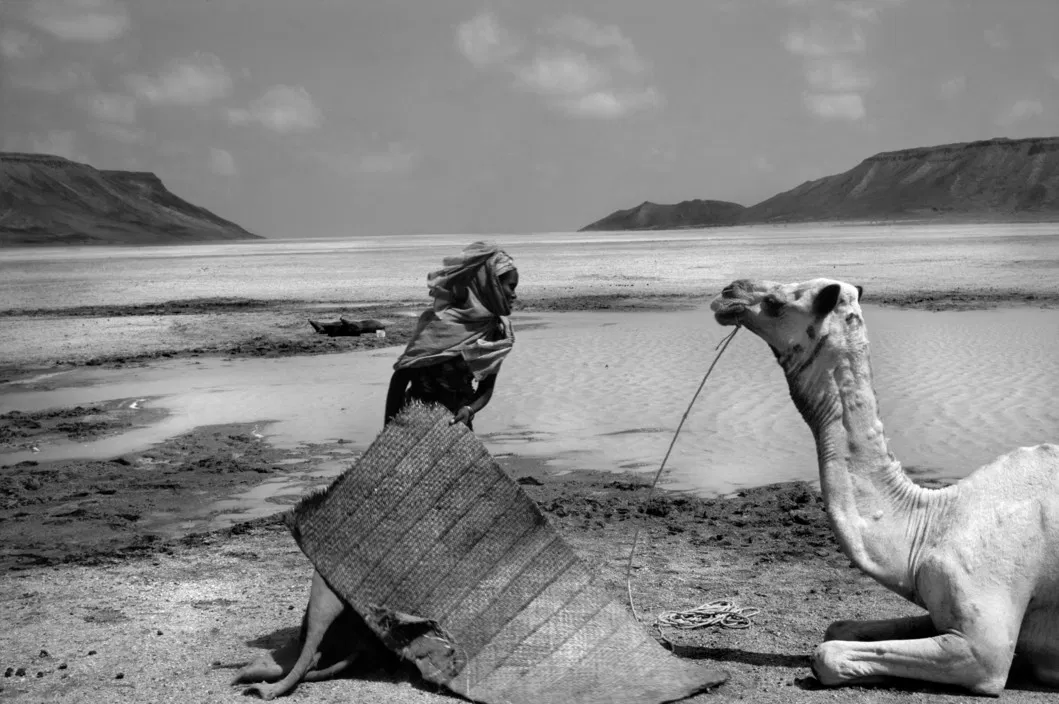
From the 1960s onwards, Depardon worked extensively in Africa, producing striking landscapes and reportage that balanced formal rigor with an attuned sense of place. His work in Chad in the mid-1970s marked a turning point where the frantic pace of news photography gave way to the steady, cinematic gaze of cinéma direct. This evolution followed his internationally acclaimed coverage of the 1973 military coup in Chile alongside his friend, American photojournalist David Burnett, a body of work that earned him the prestigious Robert Capa Gold Medal.
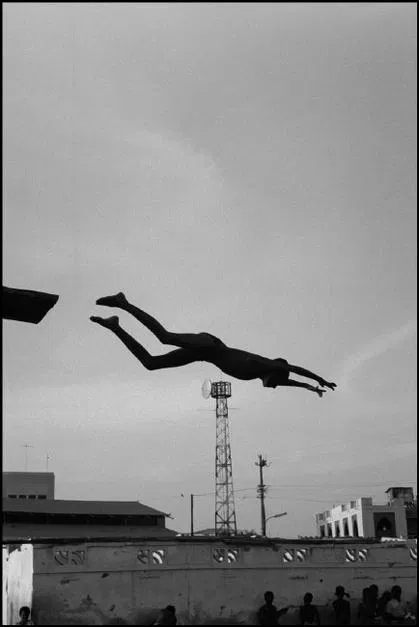
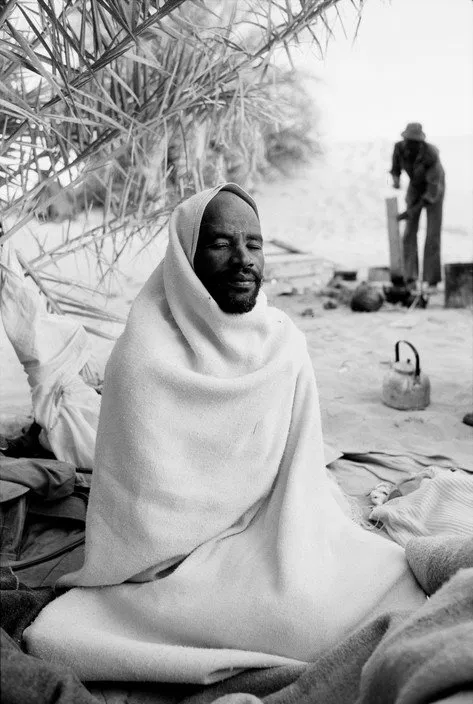
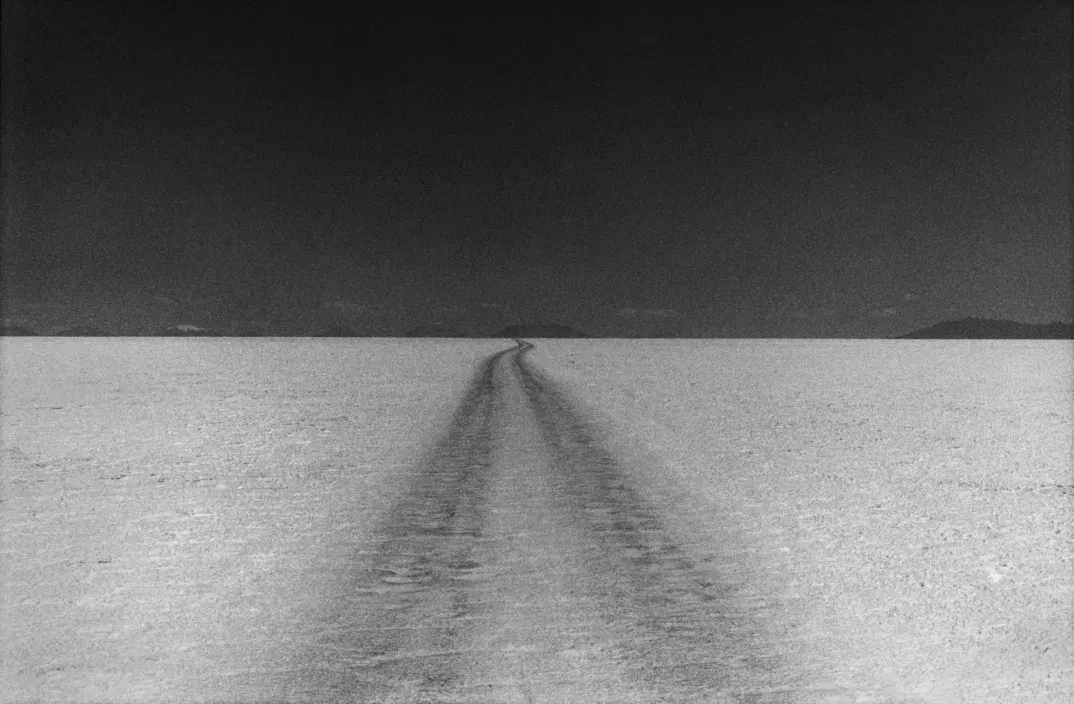
Depardon’s work also encompassed the United States. In the late 1960s he traveled to cover the Democratic National Convention, interrupted by over 10,000 protestors chanting against the Vietnam War, beginning a decades-long engagement with the US. In the early 1980s, he moved across the country — from New Mexico to California — photographing landscapes inspired by Ansel Adams and other great American photographers.
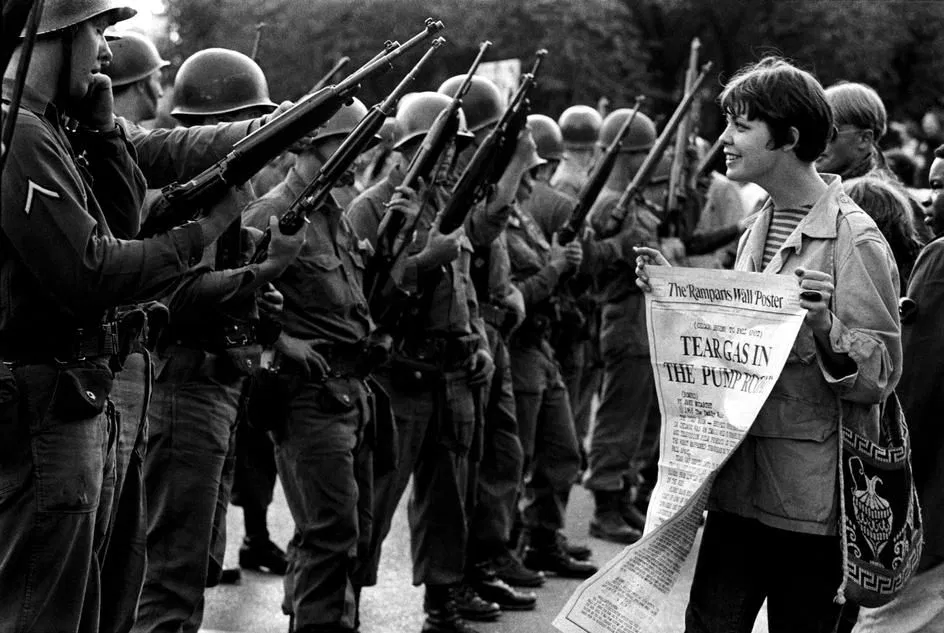
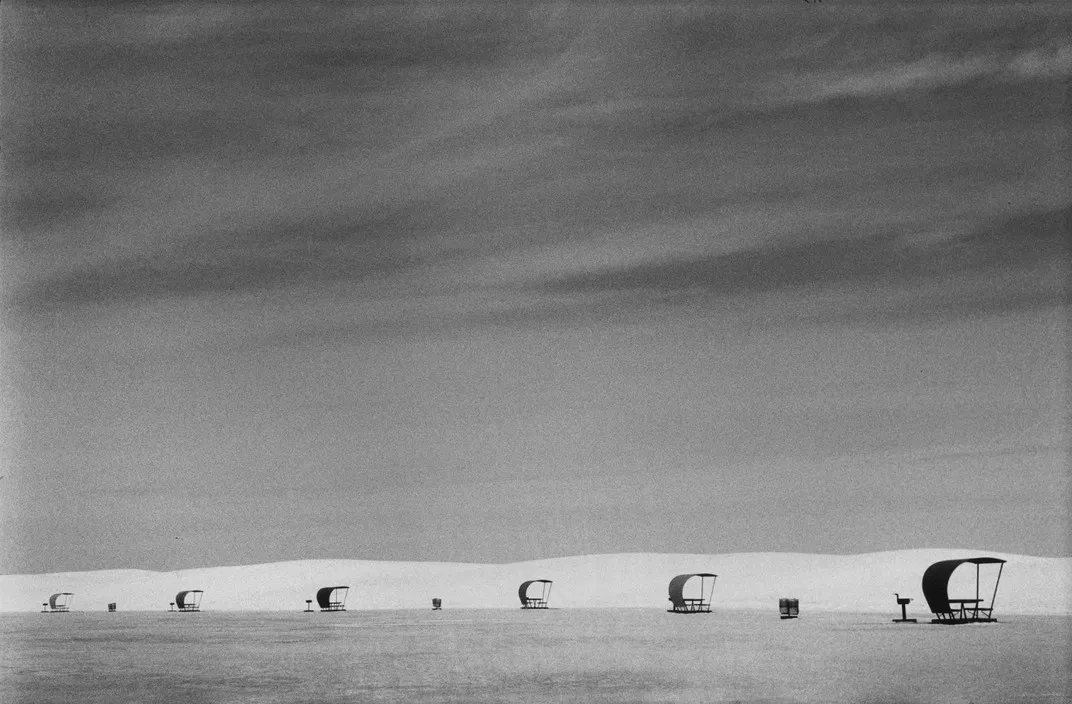
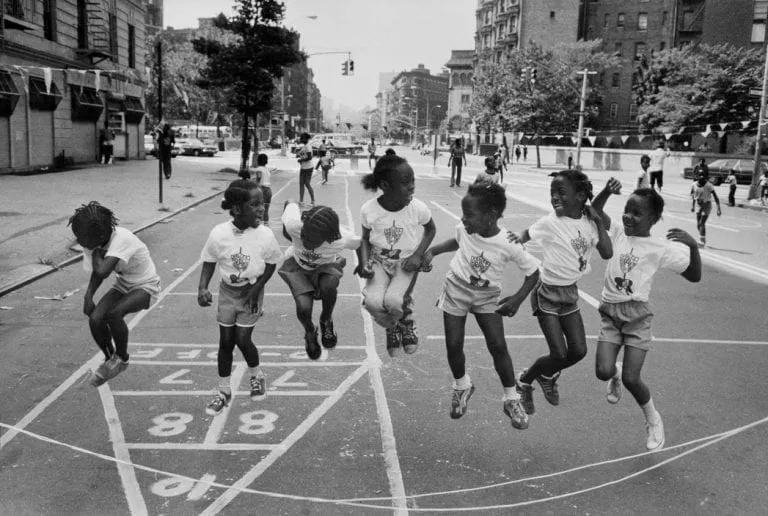
Images from New York’s Harlem, Grant Park protests, and the deserts of Arizona and New Mexico reveal both his formal sensitivity and his interest in capturing rhythm, scale, and light. Working with Liberation, he produced a photo correspondence from New York, sending a daily photo and caption for a month, an early exploration of what he called “the French touch”: observing the United States as a detached, attentive outsider.
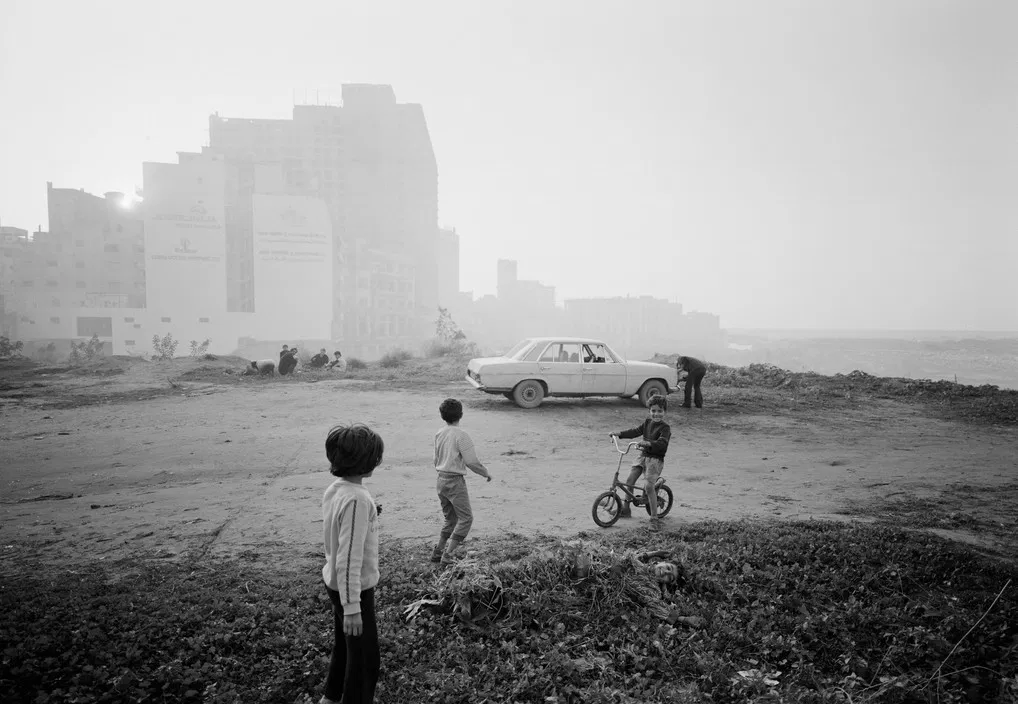
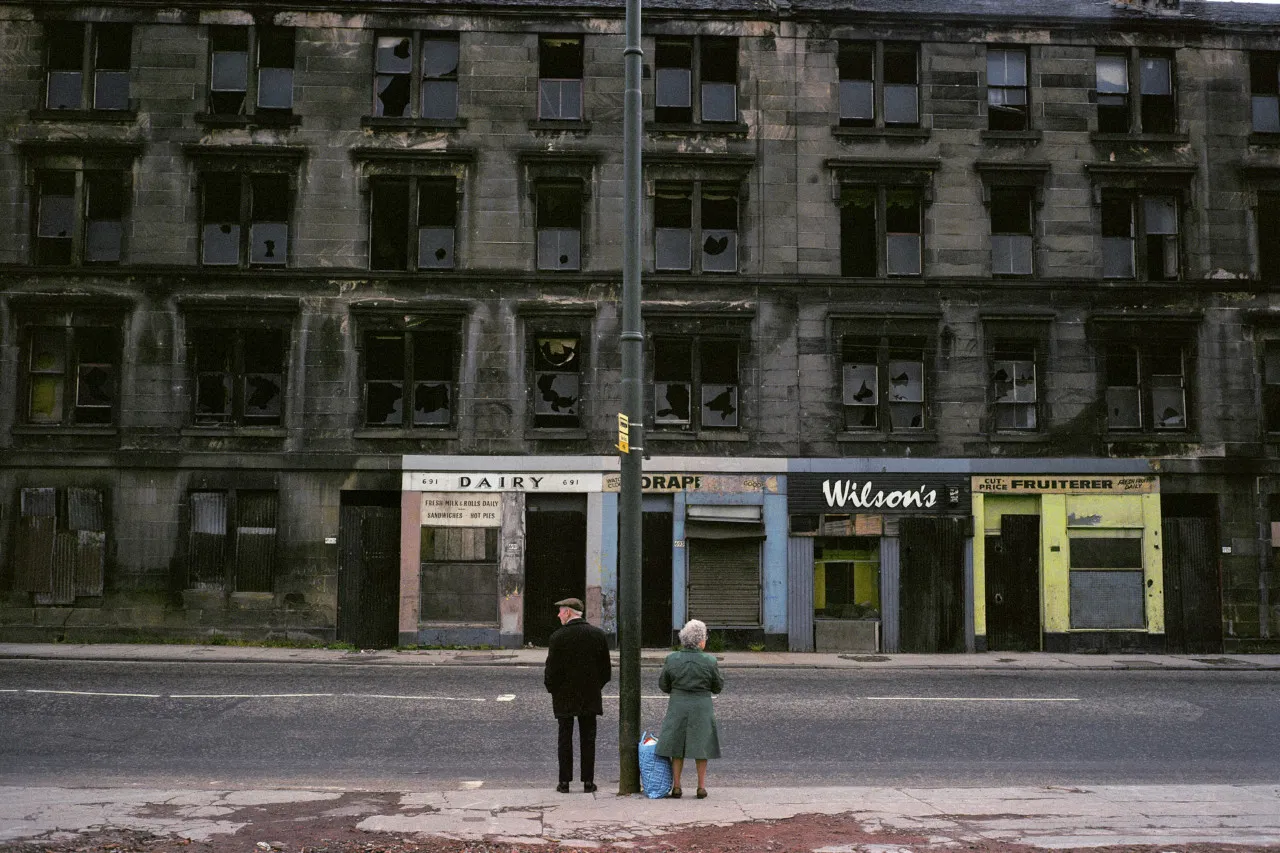
Though his work spans continents and conflicts, perhaps no place apart from his native France is more inextricably linked to his name than Glasgow, a city he photographed in 1980. Commissioned to document the streets and docklands, he approached the city’s urban poverty with the same formal rigor and ethical restraint that mark his entire oeuvre: long perspectives, precise composition, careful attention to light, and figures that inhabit their environment without dramatization.
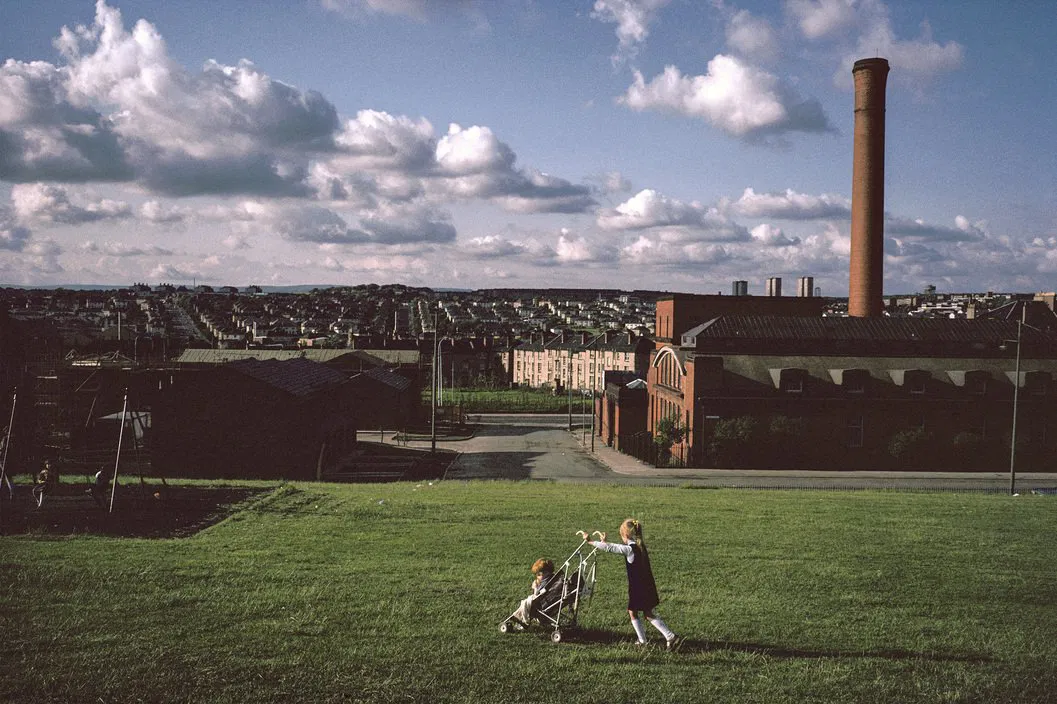
The city’s streets, tenements, and industrial spaces are rendered with a subtle, almost painterly beauty, where human presence is simultaneously central and delicate, a witness to ordinary life framed with extraordinary care. In these images, one sees the artistry of observation itself: the balance of geometry and atmosphere, the rhythm of light and shadow, and the silent dialogue between photographer and subject.
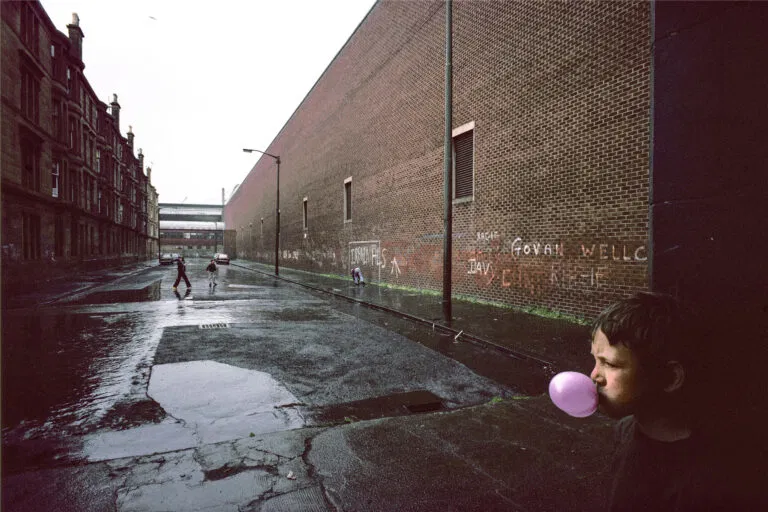
Depardon’s work has always been informed by proximity and responsibility. “Closeness always comes at a cost. When you get very close to people, you take something from them. And sometimes you don’t know what to do with it afterward. Certain situations stay with you for a long time.” This ethic guided both his photography and his move toward cinéma direct: not to explain, not to dramatize, but to let life unfold.
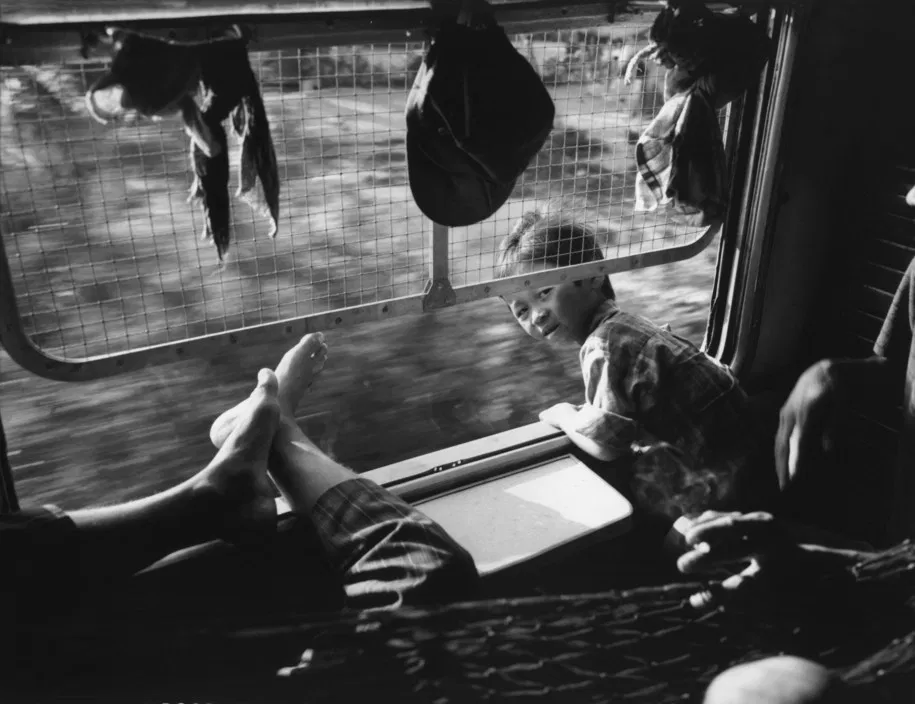
“To listen. To accept silence. When you work that way, you don’t take so much from people, you try to accompany them.” In both film and stills, his camera bears witness without intrusion, allowing subjects to exist fully and with dignity, rather than being consumed for the sake of an image. Ethical care and artistry are inseparable in his method, creating work that endures precisely because it respects the humanity of its subjects.
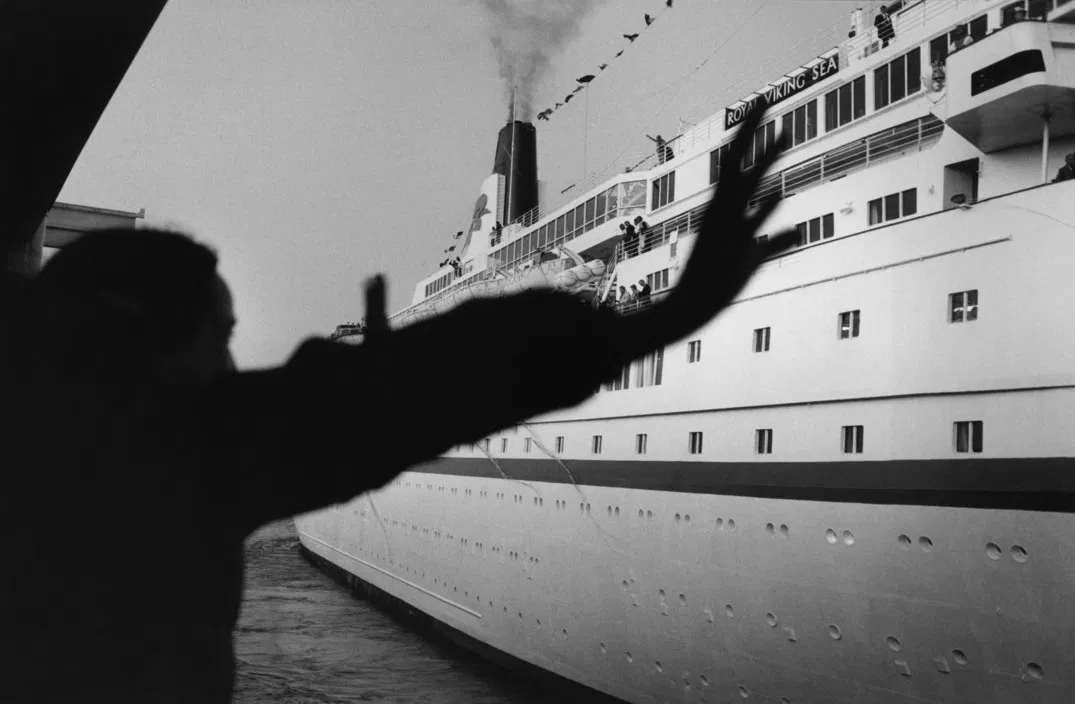
France remained a constant laboratory for his work. Projects such as La France de Raymond Depardon (2011) and Un moment si doux (2013) are studies of a country in motion yet anchored in continuity: roads, towns, landscapes, and people living in rhythms that echo across generations. Here, the quiet work of observation could unfold fully, unconstrained by spectacle, framed instead by human attention and photographic patience.
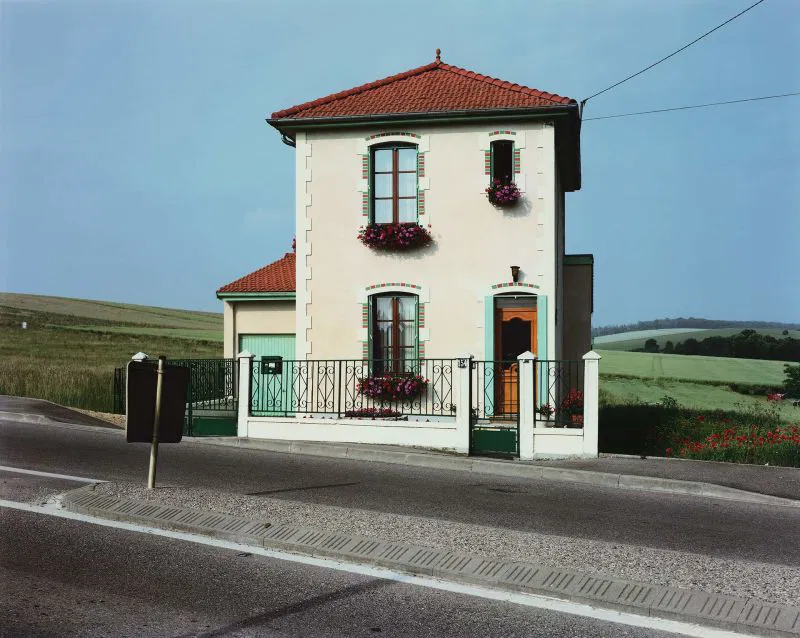
Even in a world where images circulate with unprecedented speed, Depardon’s approach remains deliberate. “Even small assignments. Especially small assignments,” he has reflected. Continuity, not accumulation, defines his practice: to keep looking, to remain precise, and to allow the work itself to circulate, to be questioned, to endure.
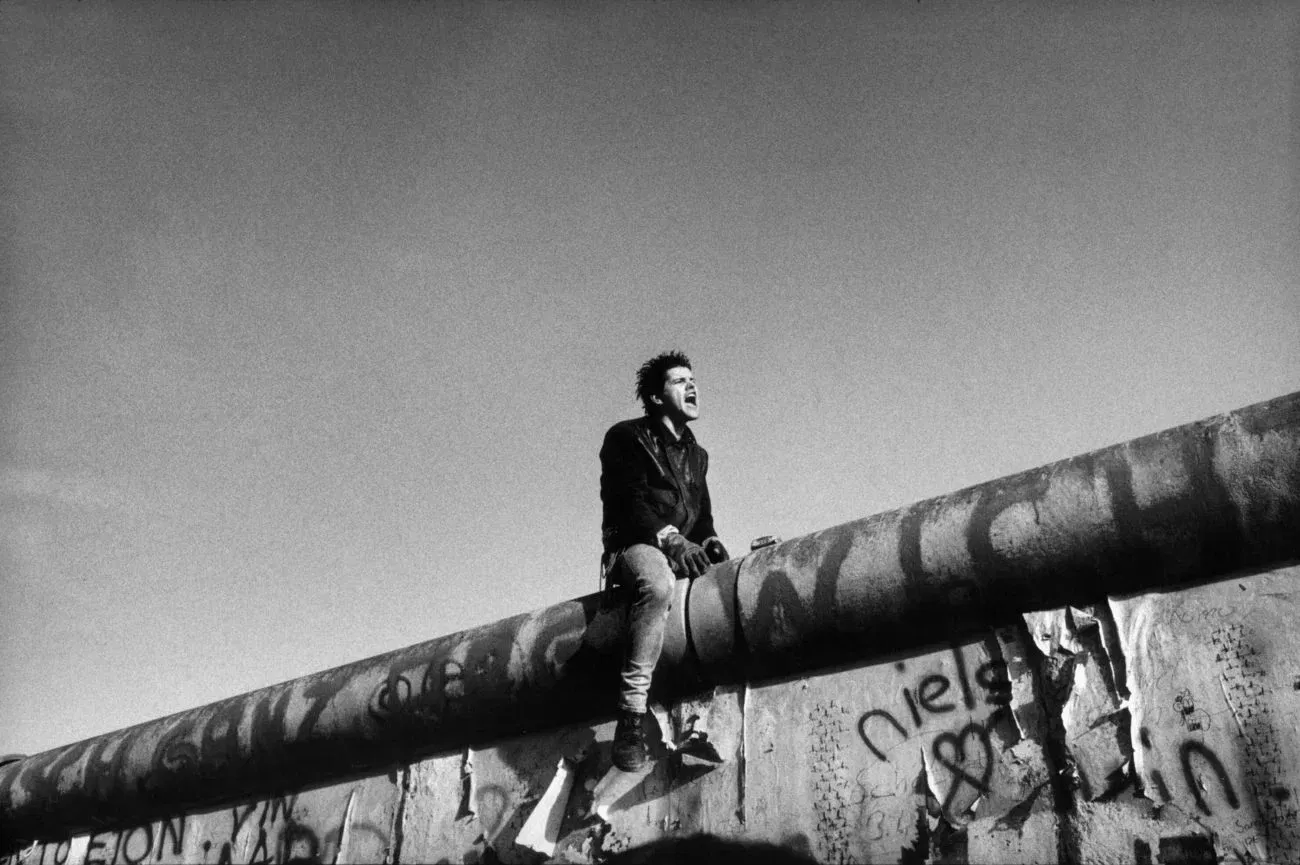
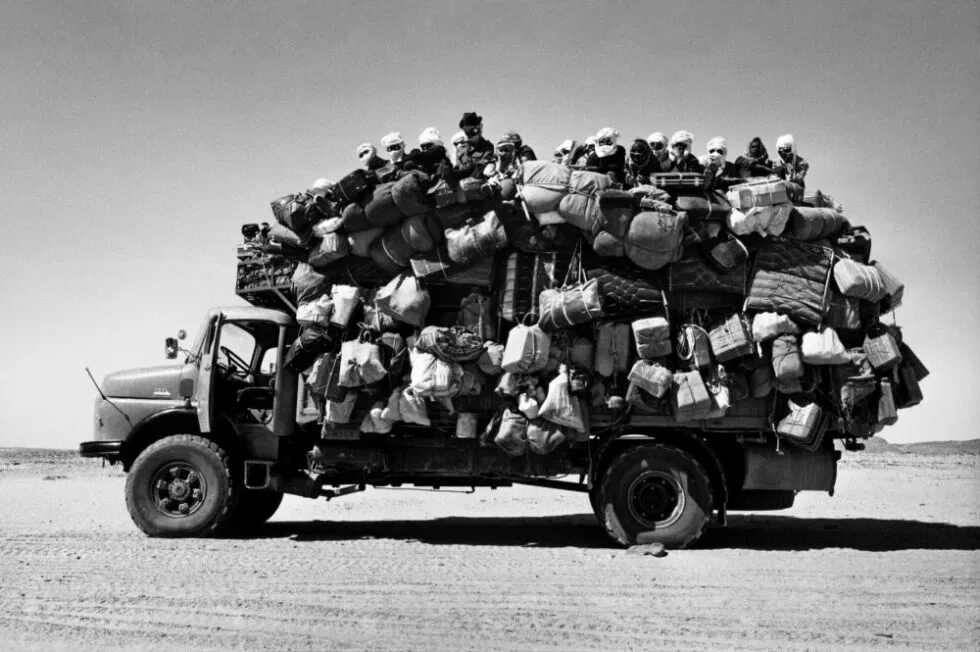
Over a career spanning decades, 21 films, and more than 60 books, Depardon has built a body of work measured not by fame but by ethical attention and moral persistence. With the opening of his archive, assisted by his son Simon, he has approached his own legacy with the same rigor and humility that shaped his photographs: not as a monument to himself, but as a living resource.
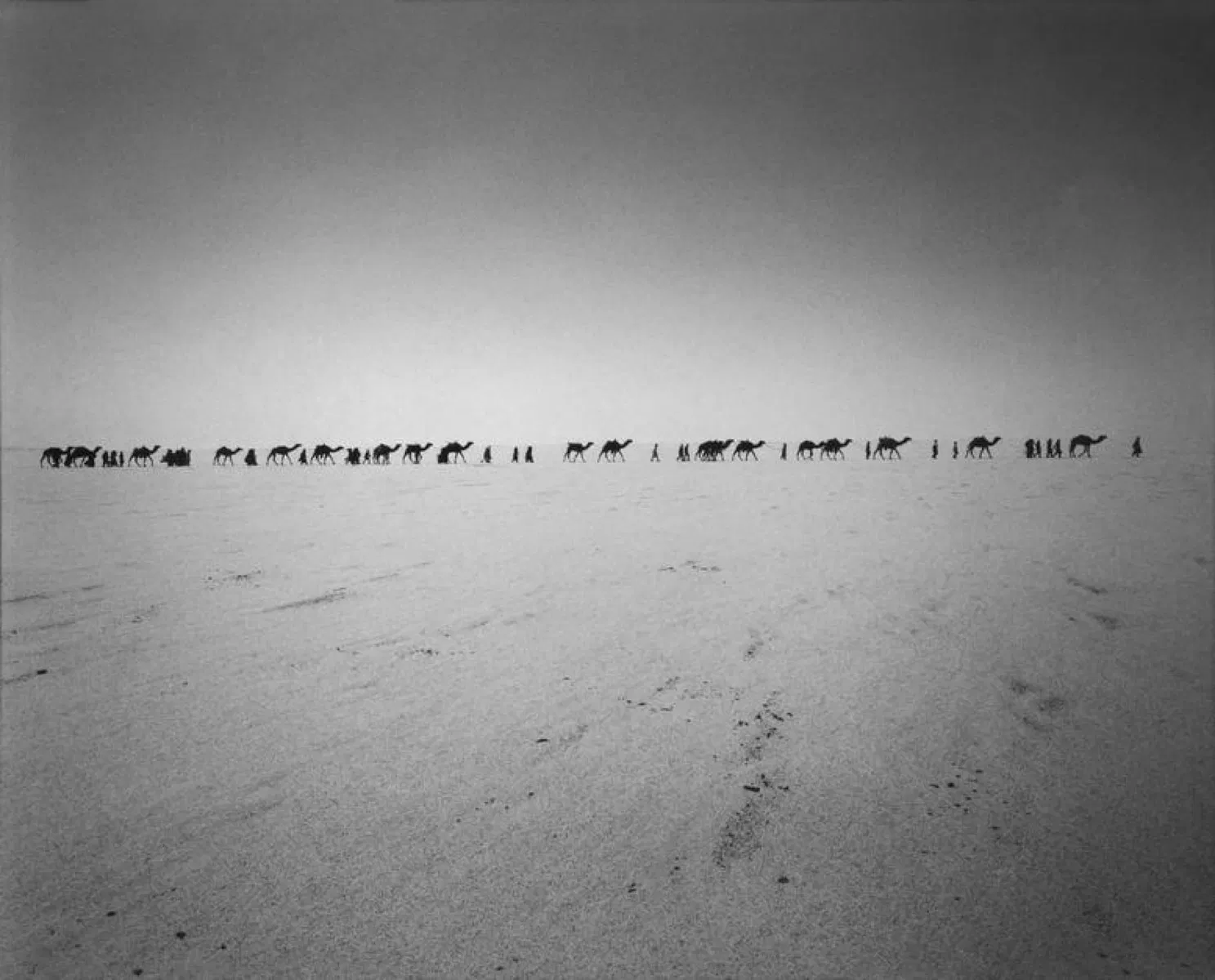
The archive is more than preservation; it is a space for curiosity, for reinterpretation, for dialogue across generations and disciplines. Depardon has described it as an invitation to see differently, to follow connections he himself may never have anticipated. “Yes, there will probably be more books and exhibitions. But that’s not really the point. What matters is that the work continues to circulate, to be questioned”. Through this careful stewardship, the archive transforms from a static repository into a dynamic encounter, ensuring that the images — and the ethical attention they embody — continue to engage, challenge, and inspire.
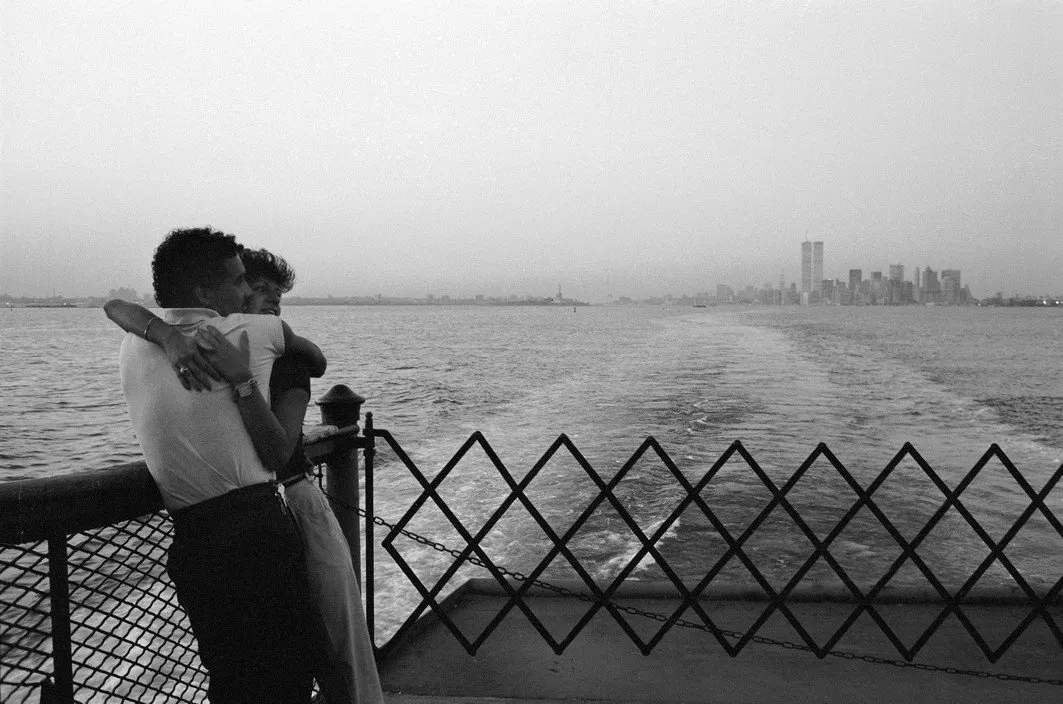
Whether photographing the deserts of America, the streets of Glasgow, or the fields of France, Depardon’s images insist on careful, patient seeing, a photographic ethic that endures through attention, through circulation, and through the quiet act of observation.
All images © Raymond Depardon / Magnum Photos