

“I found a people largely uninterested in the space travellers and yet somehow bound up in this strange ritual. These descendants of nomads once again on the edge of a new horizon”.
Some Worlds Have Two Suns by Irish photographer Andrew McConnell, documents the comings and goings of the Russian Soyuz spacecraft in rural Kazakhstan, and the lives of the local community whose existence is intertwined—almost accidentally—with this portal to space.
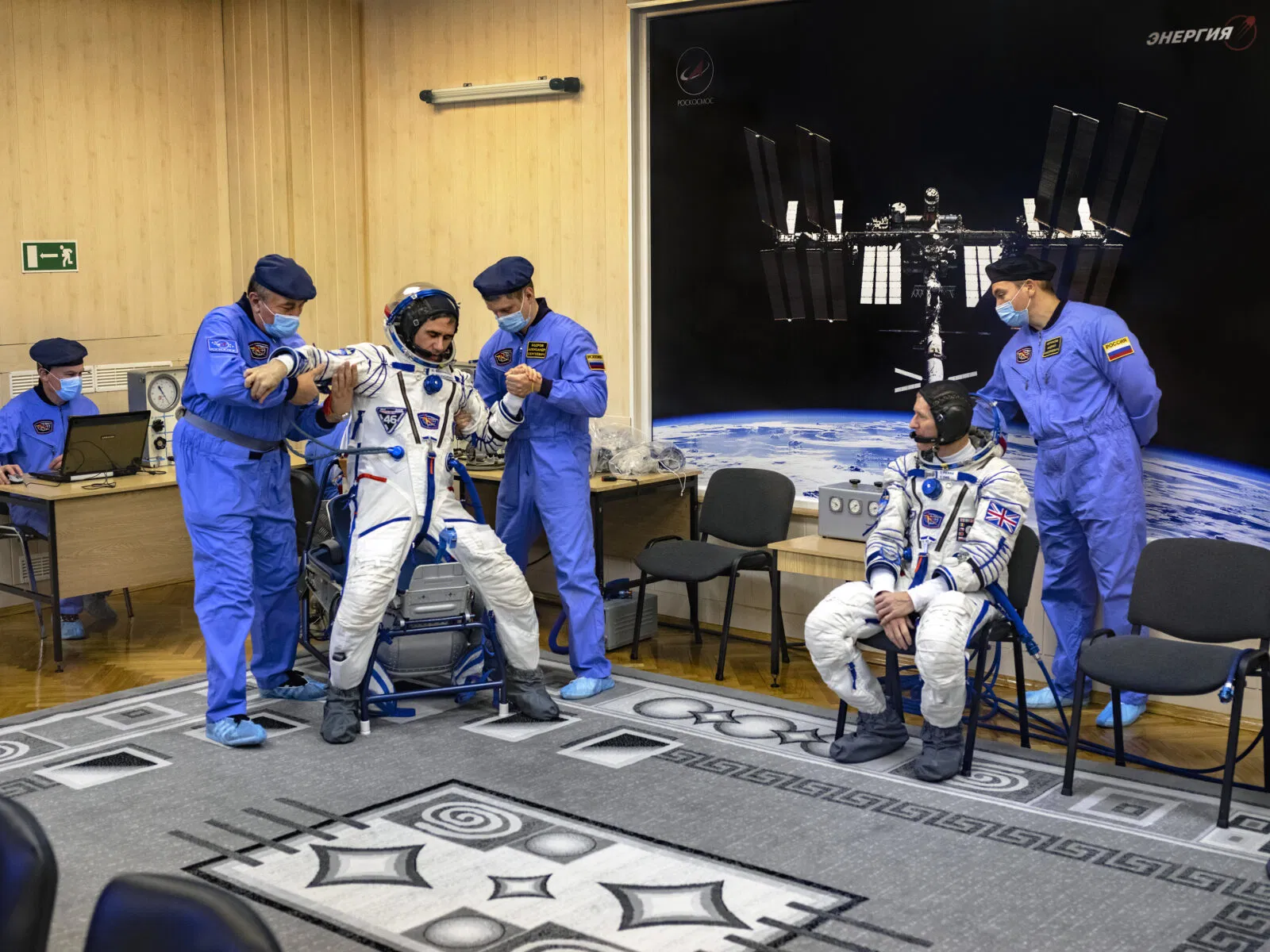
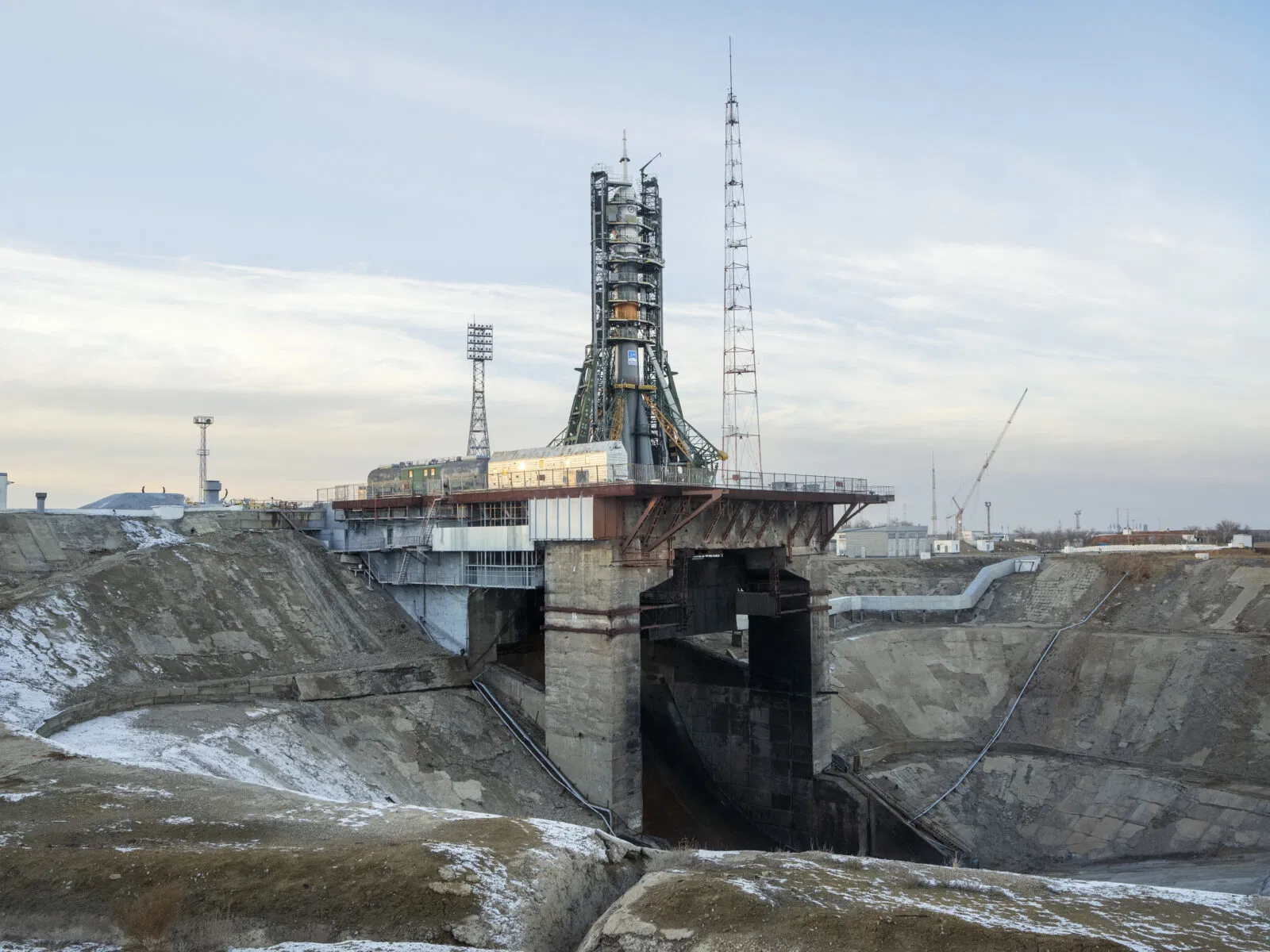
Every three months, a space rocket carrying three astronauts and cosmonauts, bound for the International Space Station, launches from Baikonur Cosmodrome, a Russian-operated spaceport in the remote Ulytau Region of central Kazakhstan. Around the same time, in the grasslands a little to the northeast, another returns to Earth.
Northern Ireland-born Andrew McConnell began his career as a press photographer for a daily newspaper in Belfast, covering the closing stages of the Troubles and the transition to peace. Today, his work focuses on themes of displacement, post-conflict issues, and the environment. His interest in the Soyuz landings began in 2014 after he saw footage of astronauts emerging from their capsule into the frozen Kazakh steppe.
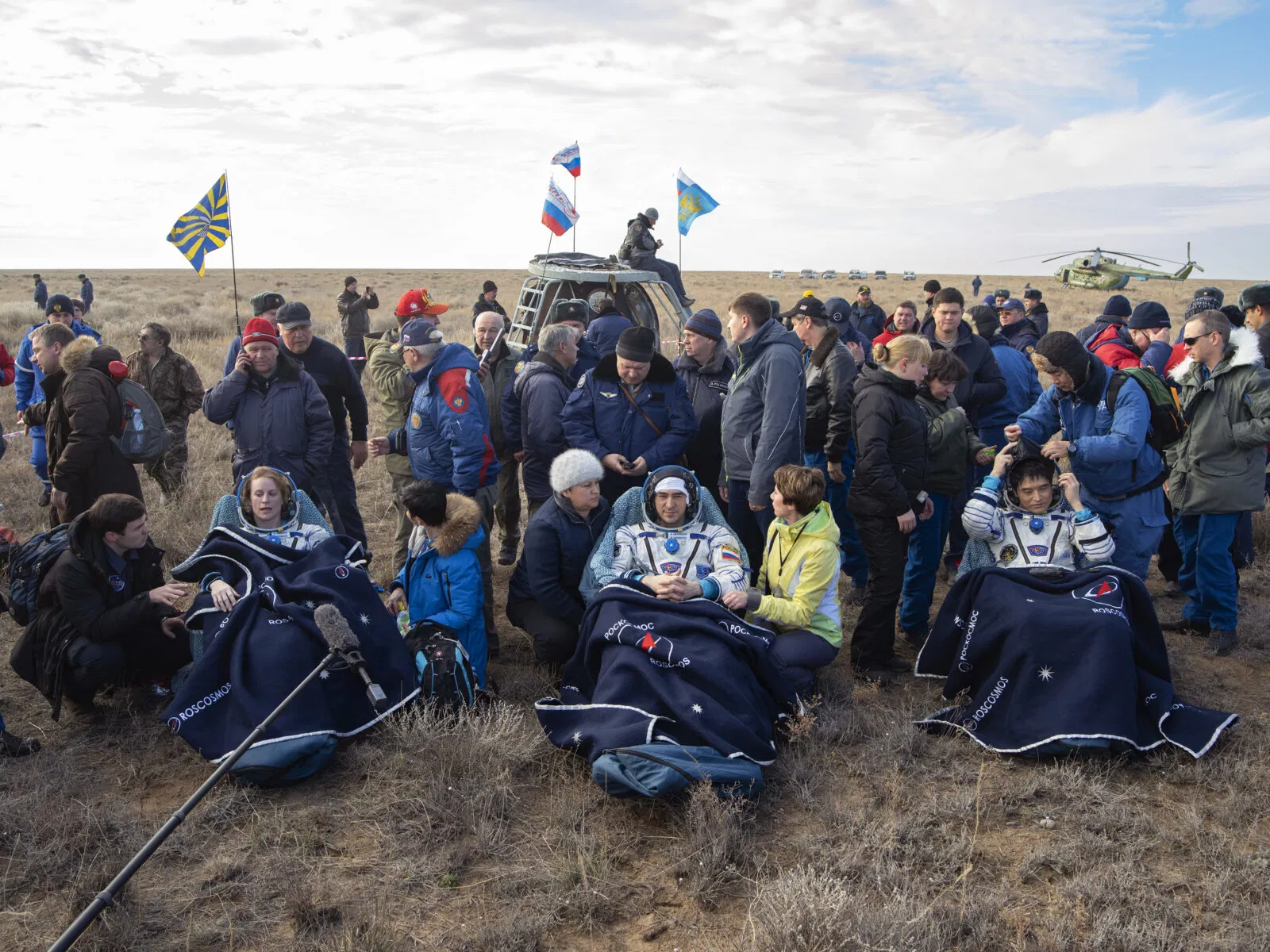
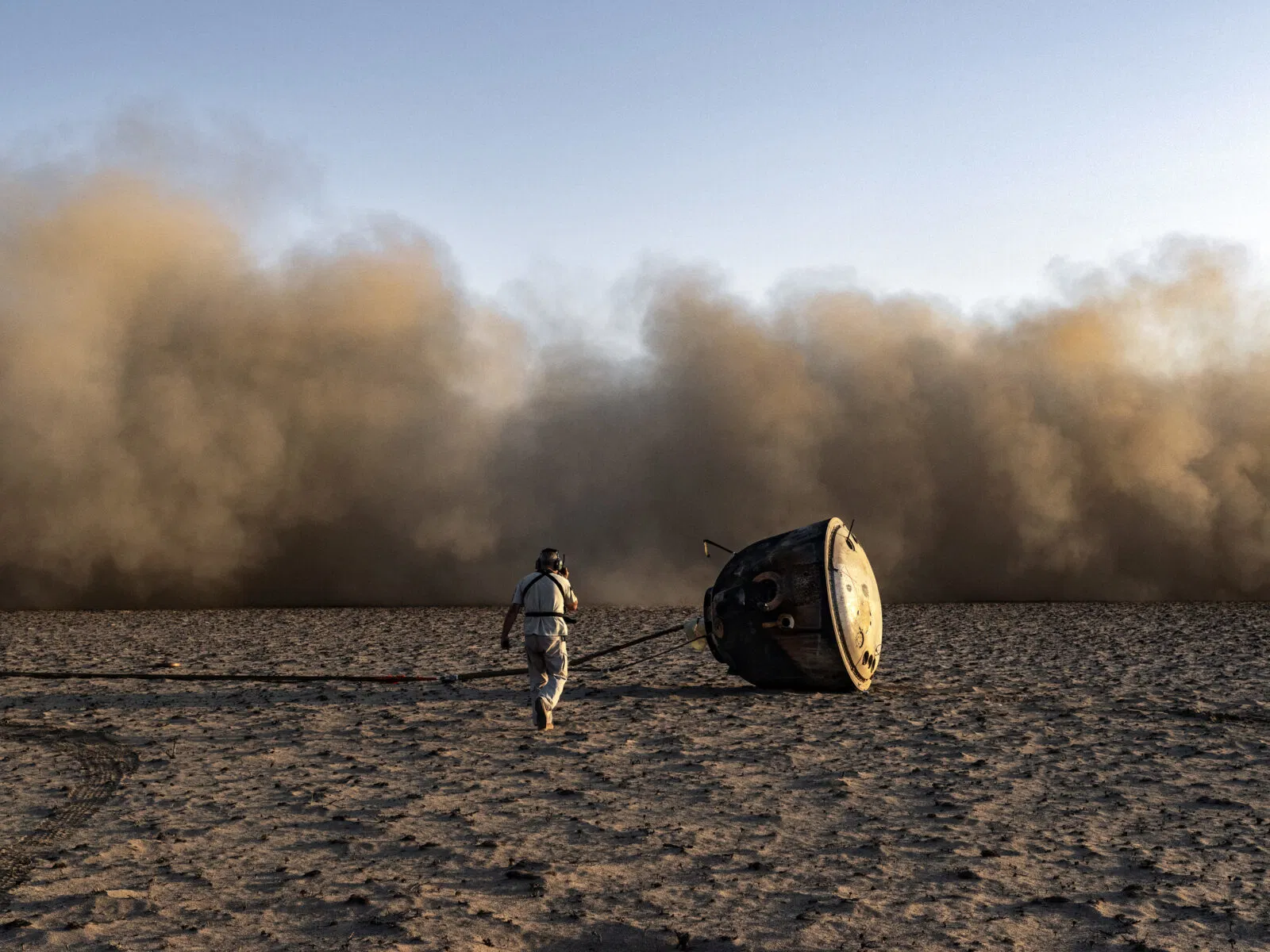
“It was deep winter and the spacecraft descended under parachute into an ice world. A ground team battled the harsh conditions to open the capsule and when eventually three humans emerged my heart skipped a beat…I had just returned from covering a war and had witnessed the very worst of humanity, yet here were humans working together and achieving the seemingly impossible. In my jaded state it was profoundly moving and I resolved to go and see it for myself.”
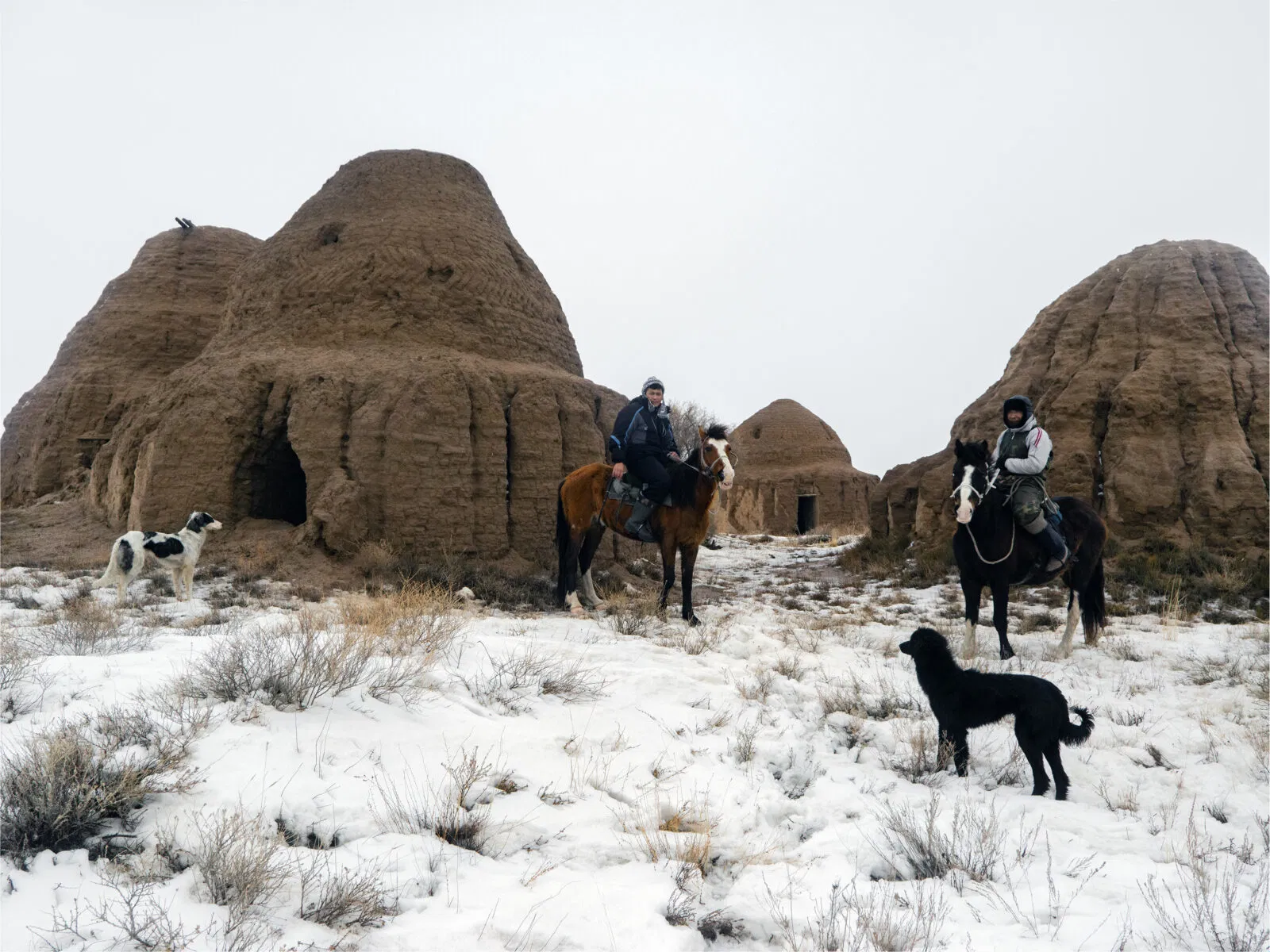
He visited the site around a year later, and witness a crew of astronauts and cosmonauts taking part in a landing ceremony, watched by a group of locals from the nearby village of Kenjebai-Samai. Although he had initially been drawn to record the space travellers, it was the local community residing in the isolated grasslands that compelled him to return.
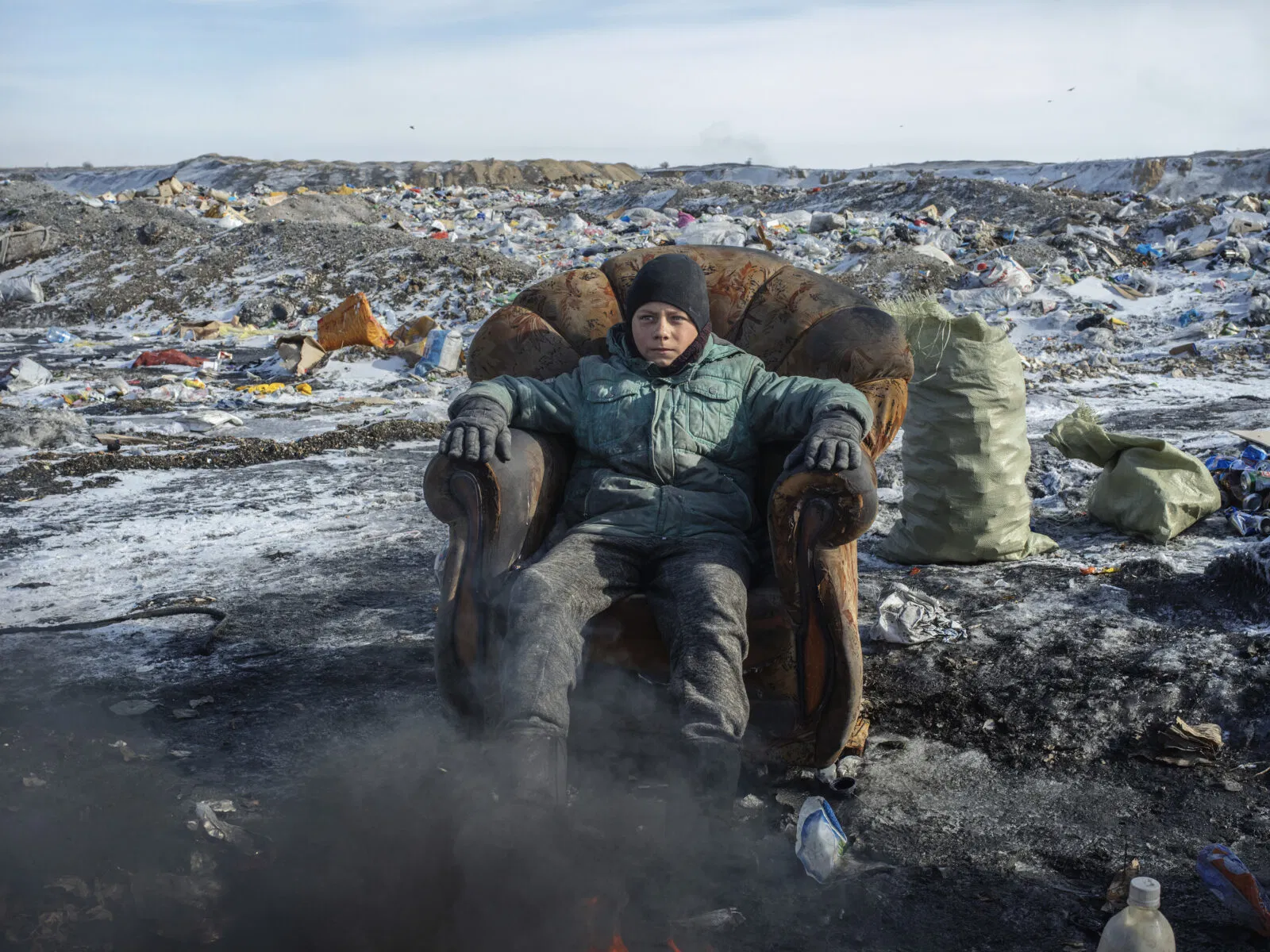
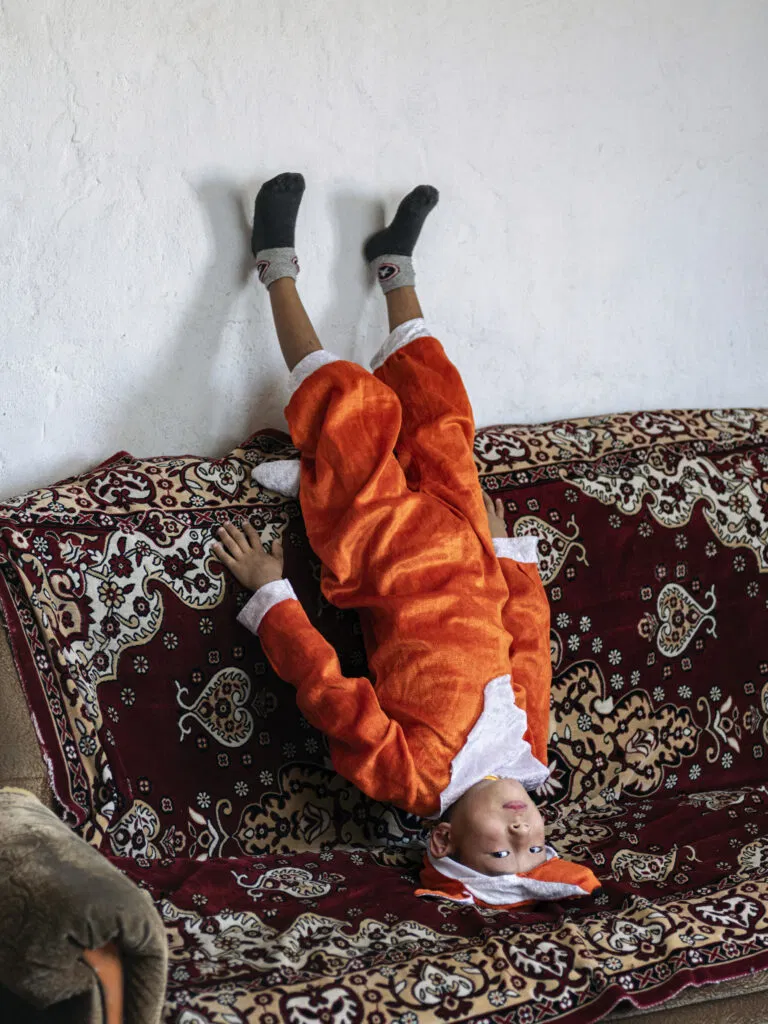
The Kazakh Steppe—known as the Great Steppe or Great Dala—is the largest dry steppe on Earth, spanning approximately 804,450 square kilometers from the Caspian Depression and the Aral Sea in the east to the Altai Mountains in the west. Each subsequent visit took McConnell further afield, exploring this vast expanse, which, he recalls, “at first appeared as a boundless void, but which, over time, began to reveal unexpected details.”
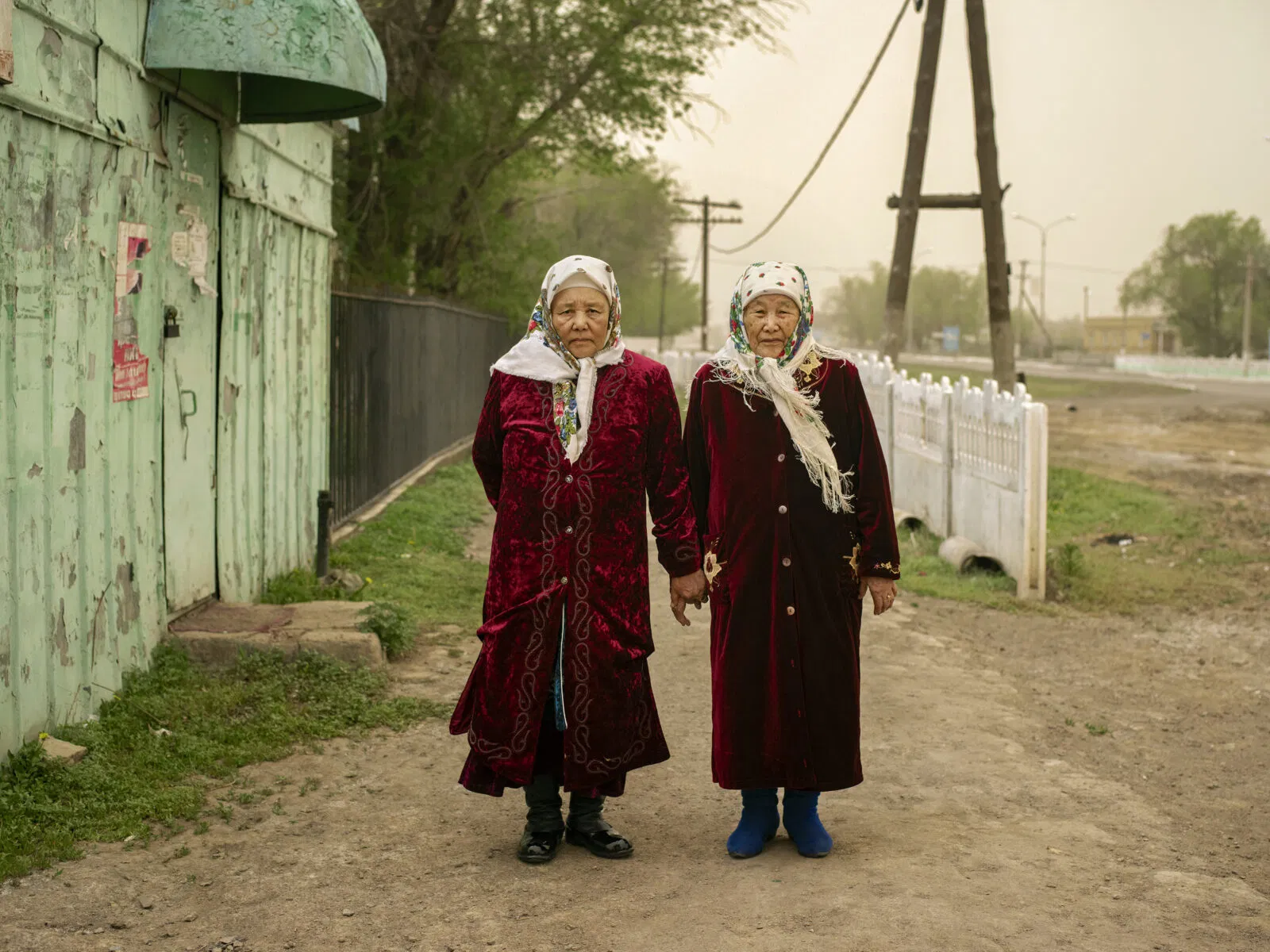
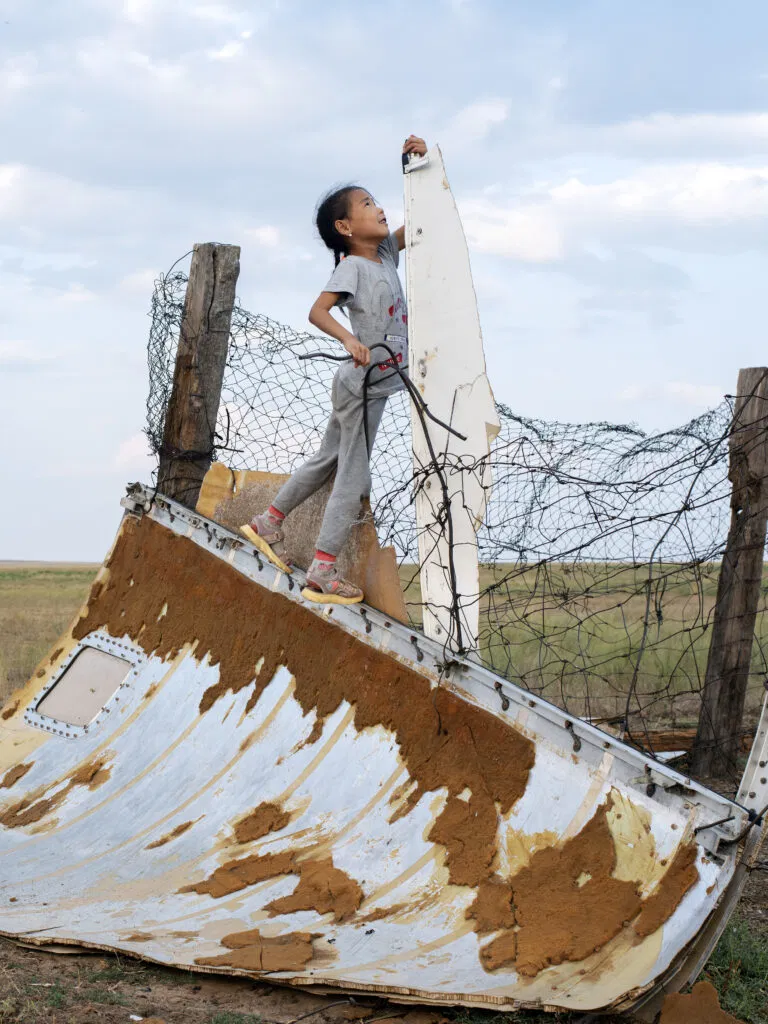
McConnell’s portraits of the local people, set against quotidian backdrops—the interiors of modest homes, local shops, or outdoor settings—are paired with images of the launches and returns. Wider shots capture the open, windswept landscapes of the steppe, a constant backdrop, where the natural scenery is often punctuated by debris from the returning spacecraft, left to rust and decay against the elements.
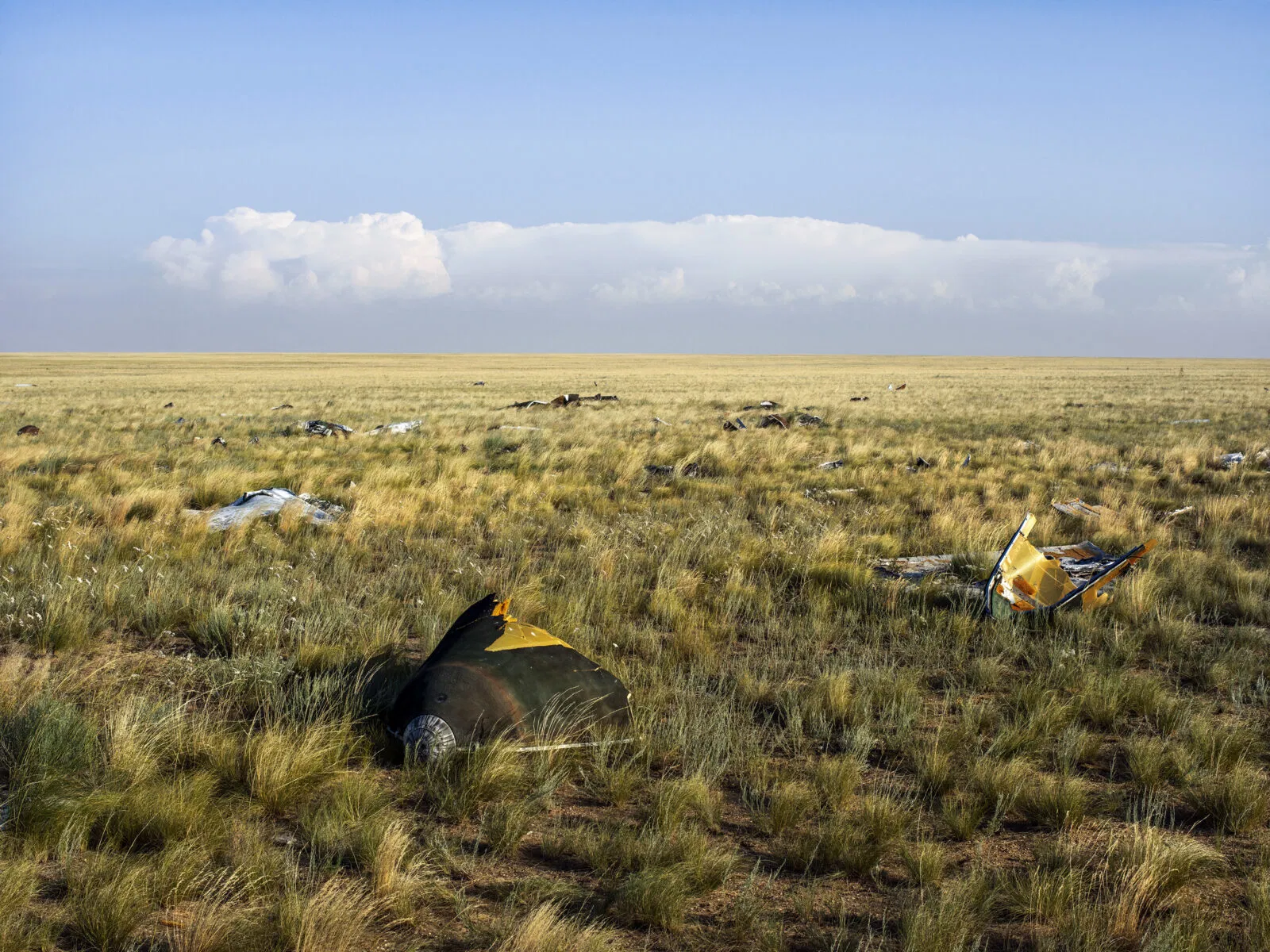
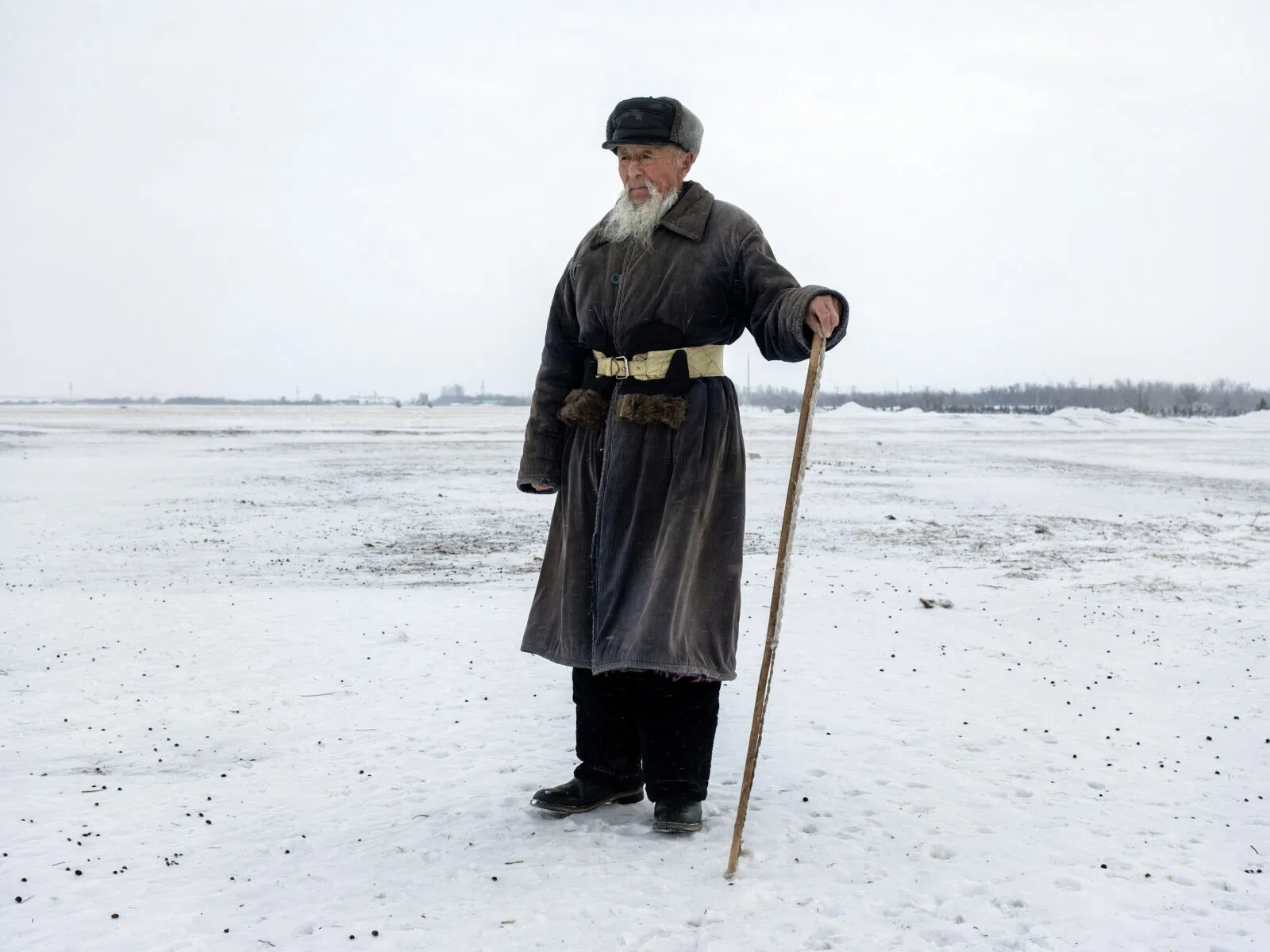
There is a surreal quality to McConnell’s images, juxtaposing rural life with symbols of what some might consider humanity’s greatest achievement. The locals appear largely ambivalent toward the arrivals from space, neither in awe nor in protest, continuing with their everyday lives much like the steppe itself—unperturbed by the man-made metallic fragments that scatter it.
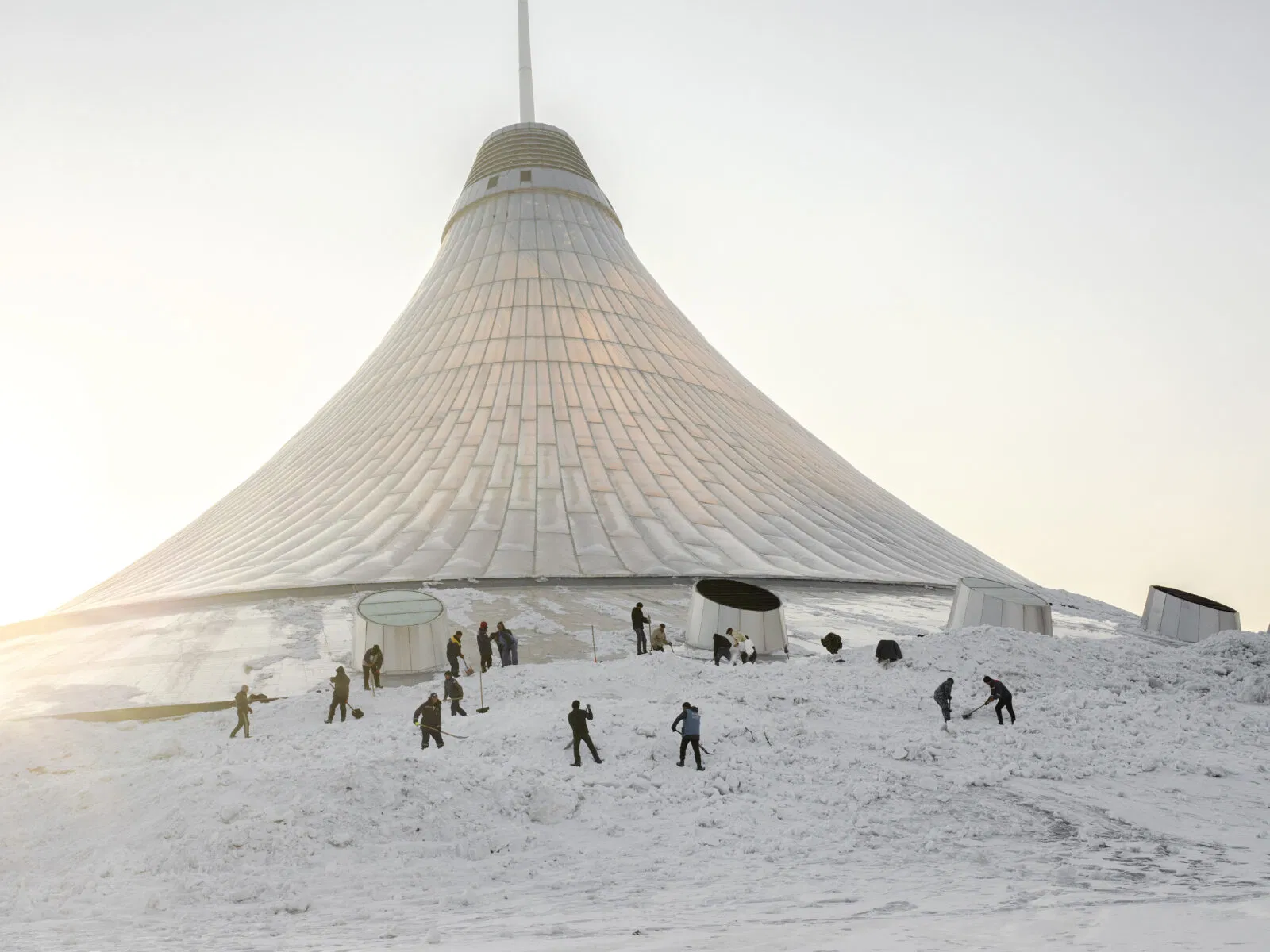
The word “Soyuz” means “union” in Russian, and in McConnell’s images, it becomes a metaphor for the relationship between the astronauts and the local villagers— one, not of alignment, but of coexistence, of simultaneous presence. For the people of this isolated stretch of Kazakhstan, their world has two suns: the real one and the returning spacecraft. One represents ambition, the other, the everyday routine—each orbiting the other with an enduring, if accidental, harmony.
All images © Andrew McConnell
Some Worlds Have Two Suns is published by GOST, and is available here.