

From bustling equatorial markets to the historic boxing gyms of Accra, Ghana’s identity is defined by a striking blend of ancient heritage and rapid, forward-looking modernity.
A country of historic kingdoms and urban pioneers, coastal fishing communities and thriving modern subcultures, Ghana’s spirit cannot be captured by a single narrative. Over the decades, this dynamic social fabric has drawn great photographers from both within the country and across the globe: their images tell a story of a fascinating nation, where deep-rooted traditions seamlessly intersect with a bold, contemporary energy, creating a visual landscape that is both complex and iconic.
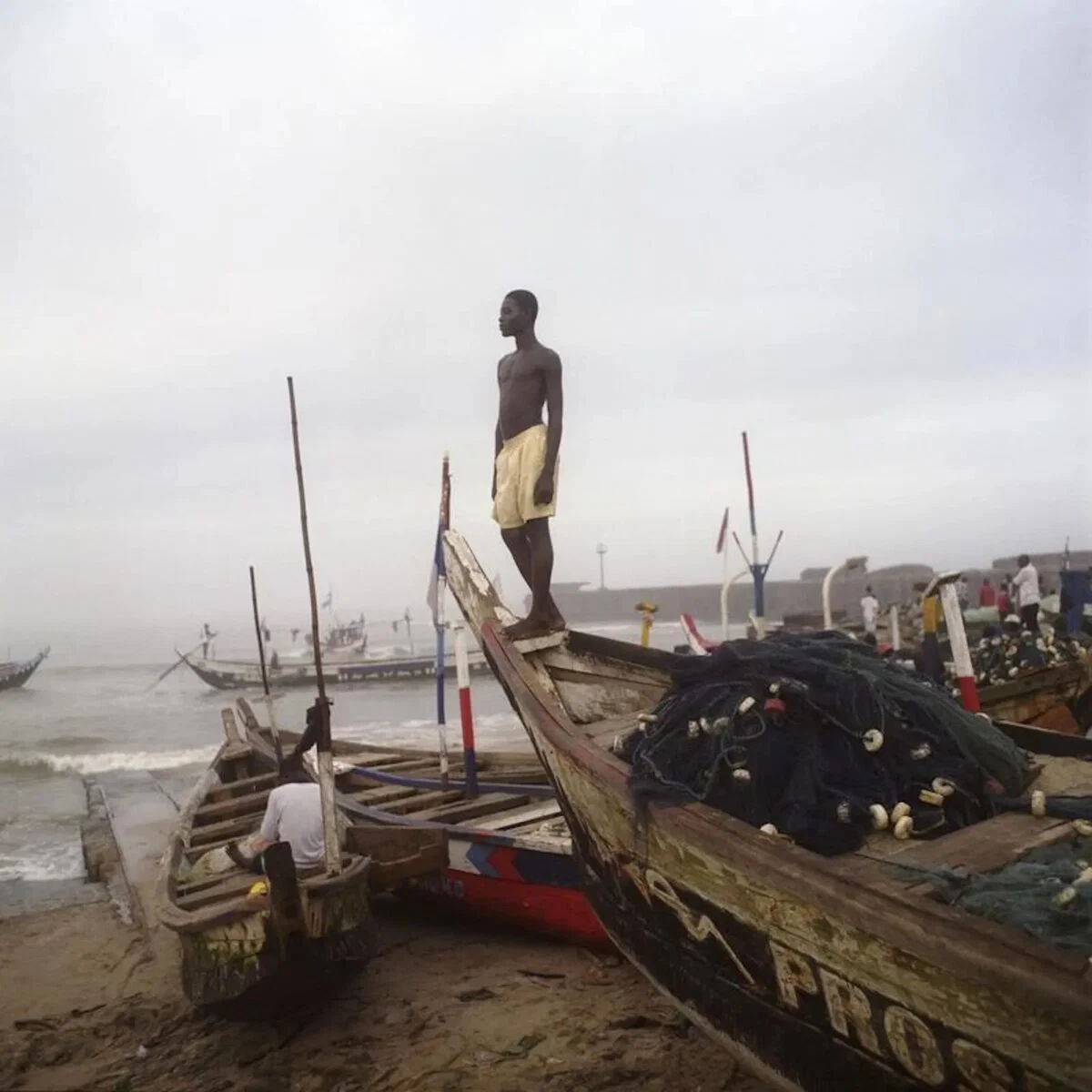
1. Untitled, Jamestown – Denis Dailleux
Though perhaps best known for his intimate and affectionate depictions of Egypt, where he lived for several years, Denis Dailleux also turned his gaze toward Ghana. During numerous trips over the course of a decade, the French photographer focused on Accra’s coastal community of Jamestown, capturing the delicate balance between tradition and the relentless forces of modernization threatening its historic fishing port. This stunning image captures a young fisherman standing on the prow of a traditional wooden pirogue, looking out over the Gulf of Guinea; the soft, diffused light, typical of Dailleux’s style, brings a serene, painterly quality, transforming a moment of everyday labor in a grueling industry into a powerful reflection on human resilience, communal heritage, and a deeply rooted relationship with the sea.
– Read our editorial on Denis Dailleux’s relationship with Egypt here.
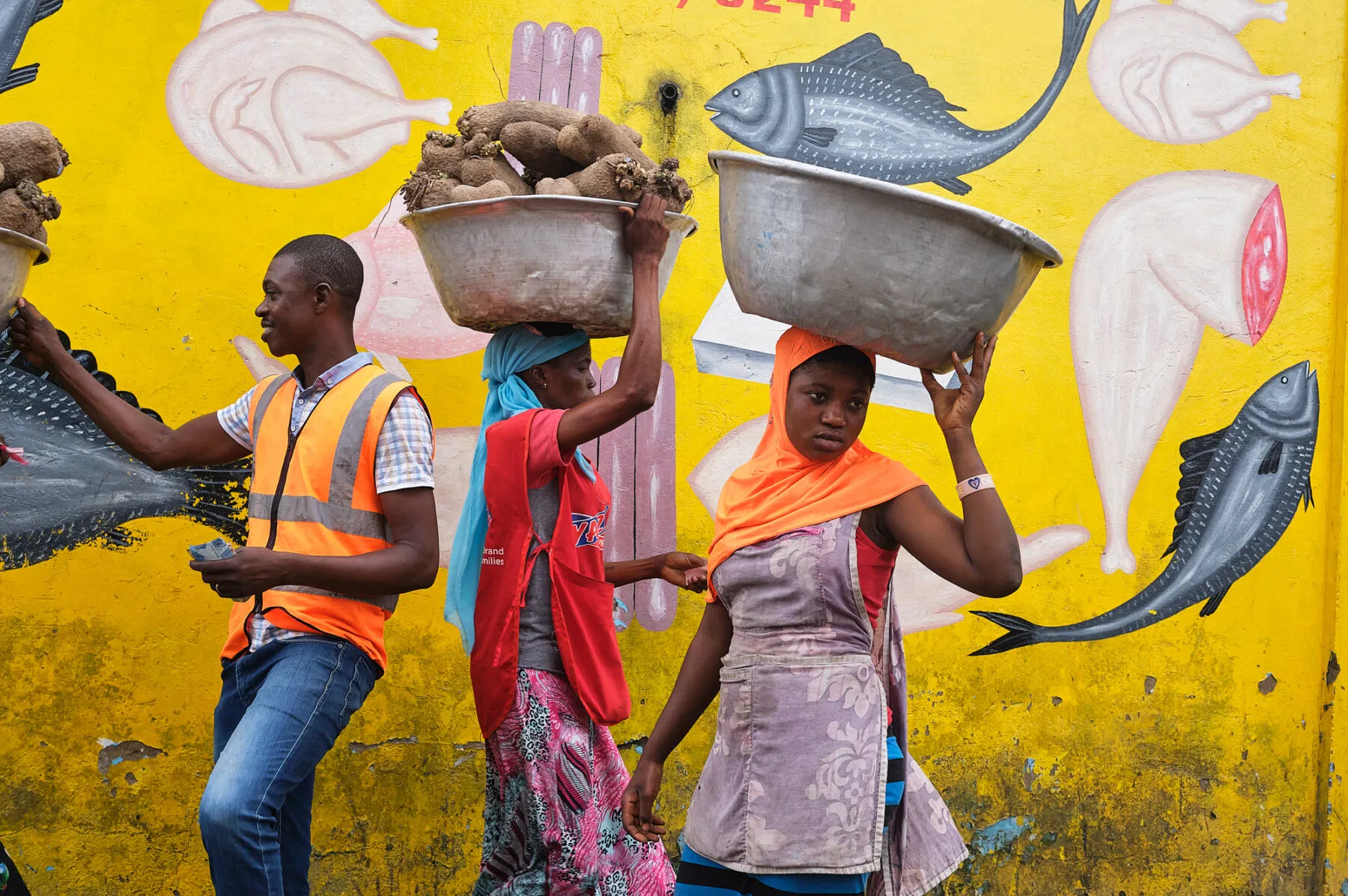
2. “A delicate balance” – Regula Tschumi
Swiss photographer Regula Tschumi captures the dynamic rhythms of daily commerce in Ghana, set against a vibrant yellow wall adorned with graphic food murals. Observing from afar to remain unobtrusive, Tschumi waited for the perfect synthesis of life and art to intersect. The resulting image captures two women balancing heavy basins of yams and fish with effortless poise, their movement seamlessly aligning with the illustrations behind them to create a striking depiction of everyday life in Ghana.
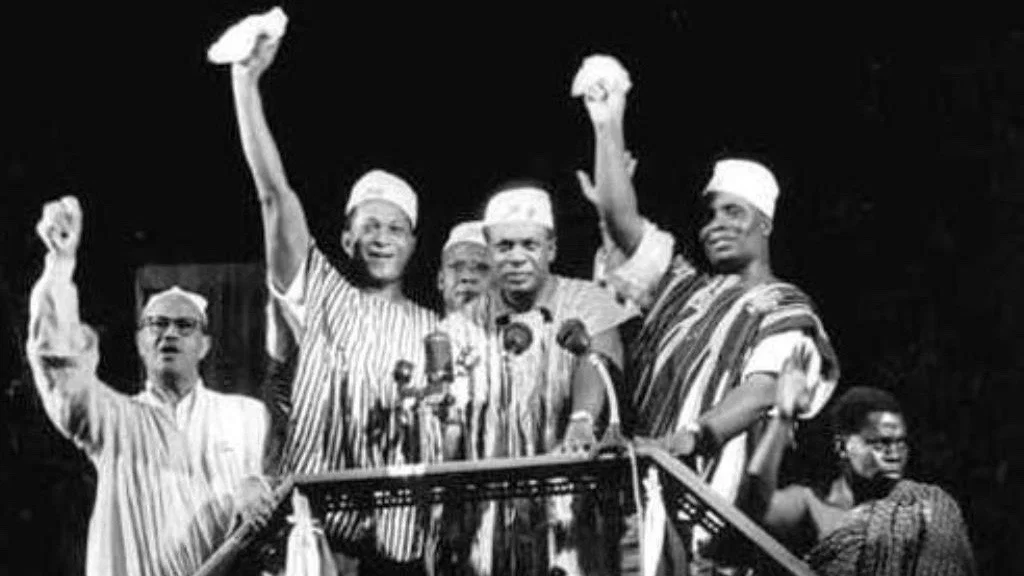
3. Ghana Independence Day, March 6, 1957
On the midnight of March 6, 1957, at the Old British Polo Grounds in Accra, Dr. Kwame Nkrumah stood before tens of thousands to declare Ghana free from British colonial rule. As the first sub-Saharan African colony to gain independence from European rule, the moment transformed the former Gold Coast into a sovereign state and helped ignite a wave of pan-African liberation across the continent. Standing alongside key political allies—many of whom had endured imprisonment and years of political struggle—Nkrumah rejected Eurocentric formal dress, appearing instead in the traditional northern batakari smock and white cap as a visual statement of indigenous pride and continental unity. This iconic archival photograph captures the electricity of that midnight declaration, as Nkrumah delivered his famous assertion that Ghana’s independence was “meaningless unless it is linked up with the total liberation of Africa.”
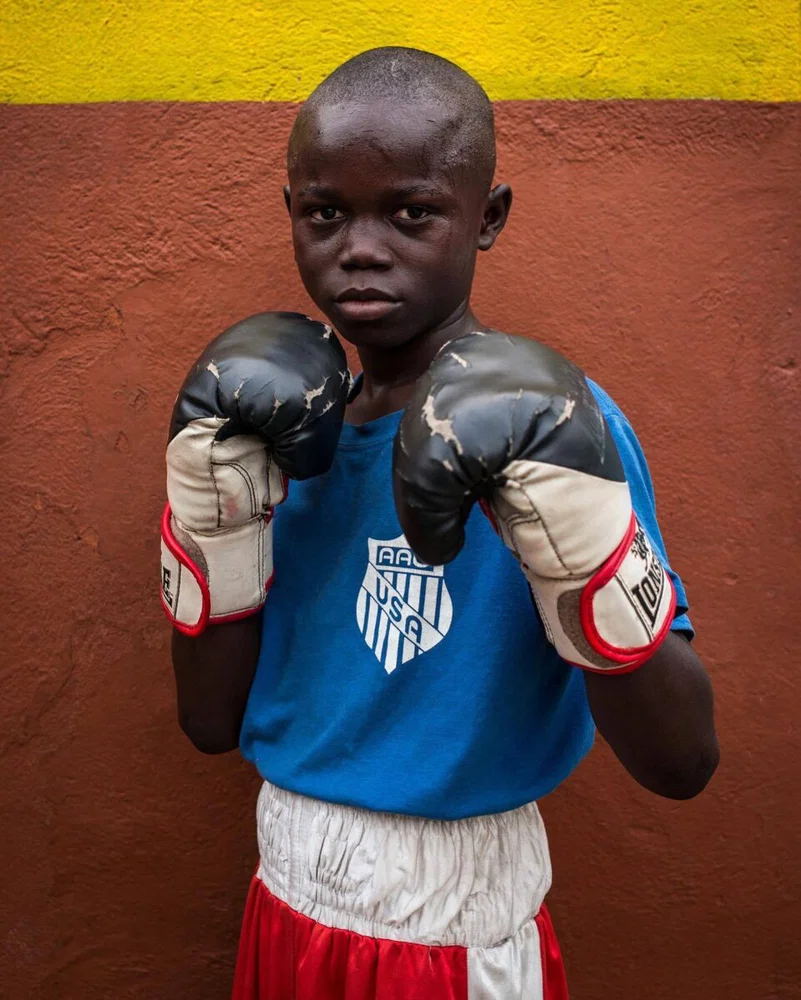
4. Ebanezer Ankrah, 11, Black Panthers Boxing Gym, Jamestown, Accra. From the series, “The Pride of Ussher” – Antoine Jonquière
In Accra’s historic coastal neighbourhoods of Jamestown and Usshertown, boxing is a way of life. It offers a rare beacon of upward mobility within a community facing severe structural inequality, while sitting in the literal shadow of Accra’s new corporate high-rise district. French photographer Antoine Jonquière spent two months documenting these makeshift gyms, where young fighters train for up to six hours a day in the intense equatorial heat, hoping to follow in the footsteps of the myriad world champions that honed their craft behind these same walls. Here, boxing is much more than a sport; it is a profound expression of community pride and a fiercely pursued path forward, a dynamic captured beautifully in this portrait, where the young fighter’s powerful gaze conveys the strength, pride, and ambition of someone entirely dedicated to his craft.
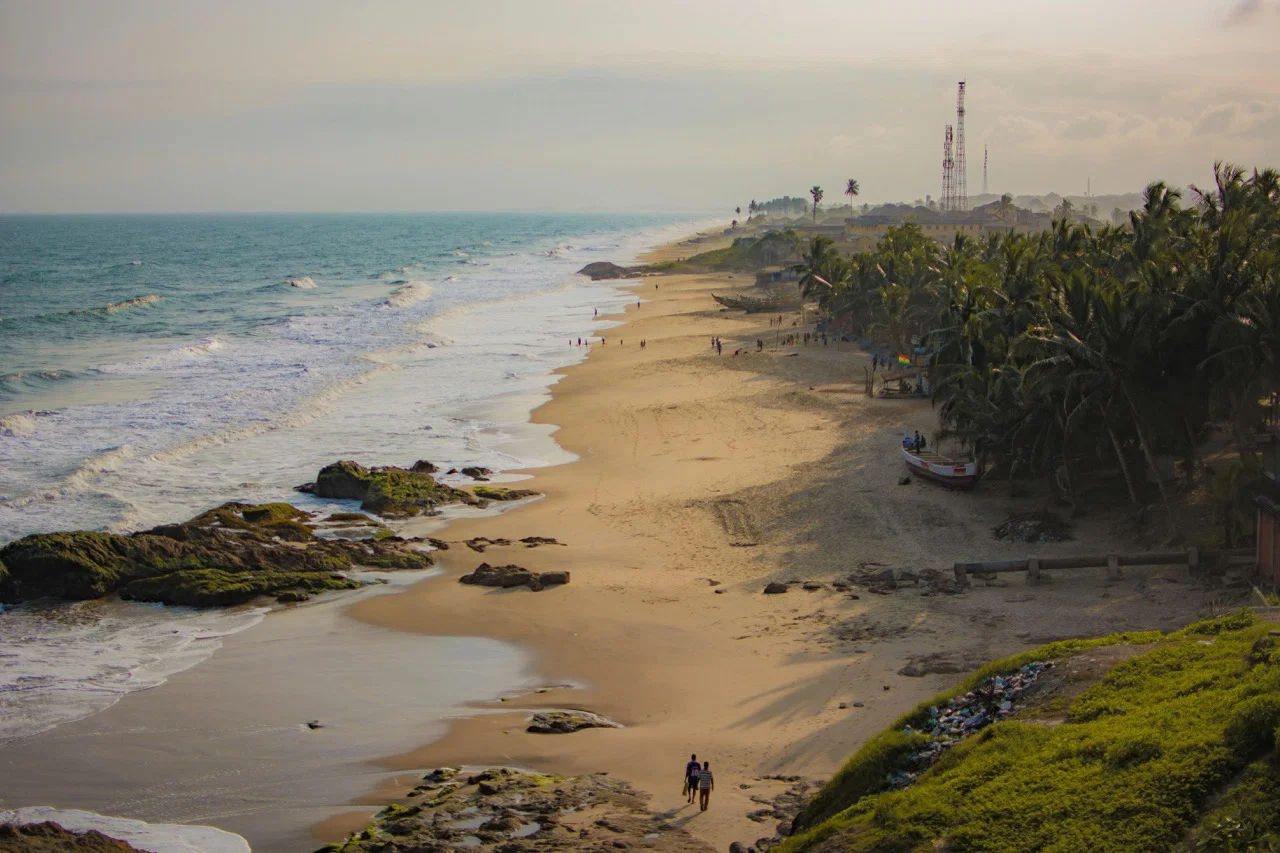
5. Cape Coast – Jared Poledna
This stunning image by Los Angeles-based photographer Jared Poledna captures the expansive beauty of Ghana’s Atlantic coastline, where a dense palm canopy meets the rugged, moss-covered rock formations of the Central Region. Running for 540 kilometres, this coastline has shaped West African trade, migration, and history for centuries. Its waters remain the absolute lifeblood for coastal communities, supporting a complex artisanal fishing economy. Using a raised, sweeping angle, Poledna captured the beauty and sheer scale of a coastline that stands as a symbol of Ghana’s captivating beauty and the importance of
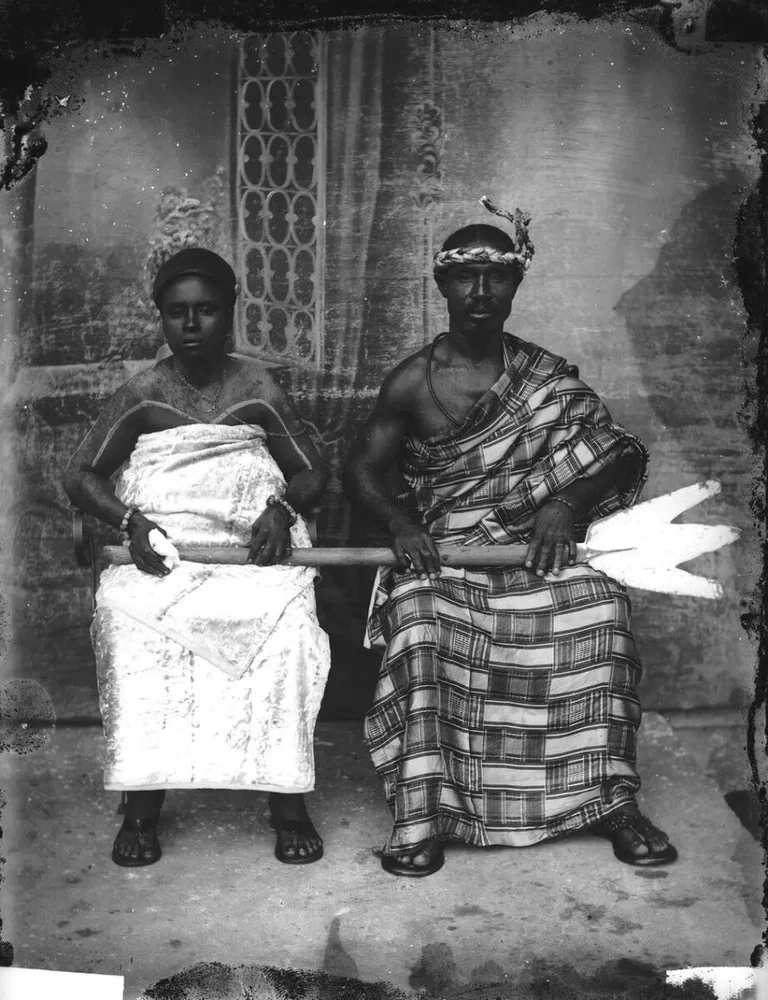
6. The chief of Jamestown and his wife, 1939 – James Kobla Bruce-Vanderpuije
Operating from his legendary ‘Deo Gratias’ studio in Accra—the oldest running photography studio in West Africa—James Kobla Bruce-Vanderpuije spent over seven decades documenting his home country in the decades leading up to independence. While he also captured more candid depictions of everyday life, his formal studio portraiture treated every subject with immense reverence, establishing a distinct sense of cultural pride. This magnificent early portrait captures the Chief of the Jamestown fishermen and his wife holding a traditional staff of office before a painted backdrop, demonstrating how Ghanaians masterfully adapted early 20th-century photographic trends to preserve and elevate their own heritage long before the formal birth of the new nation.
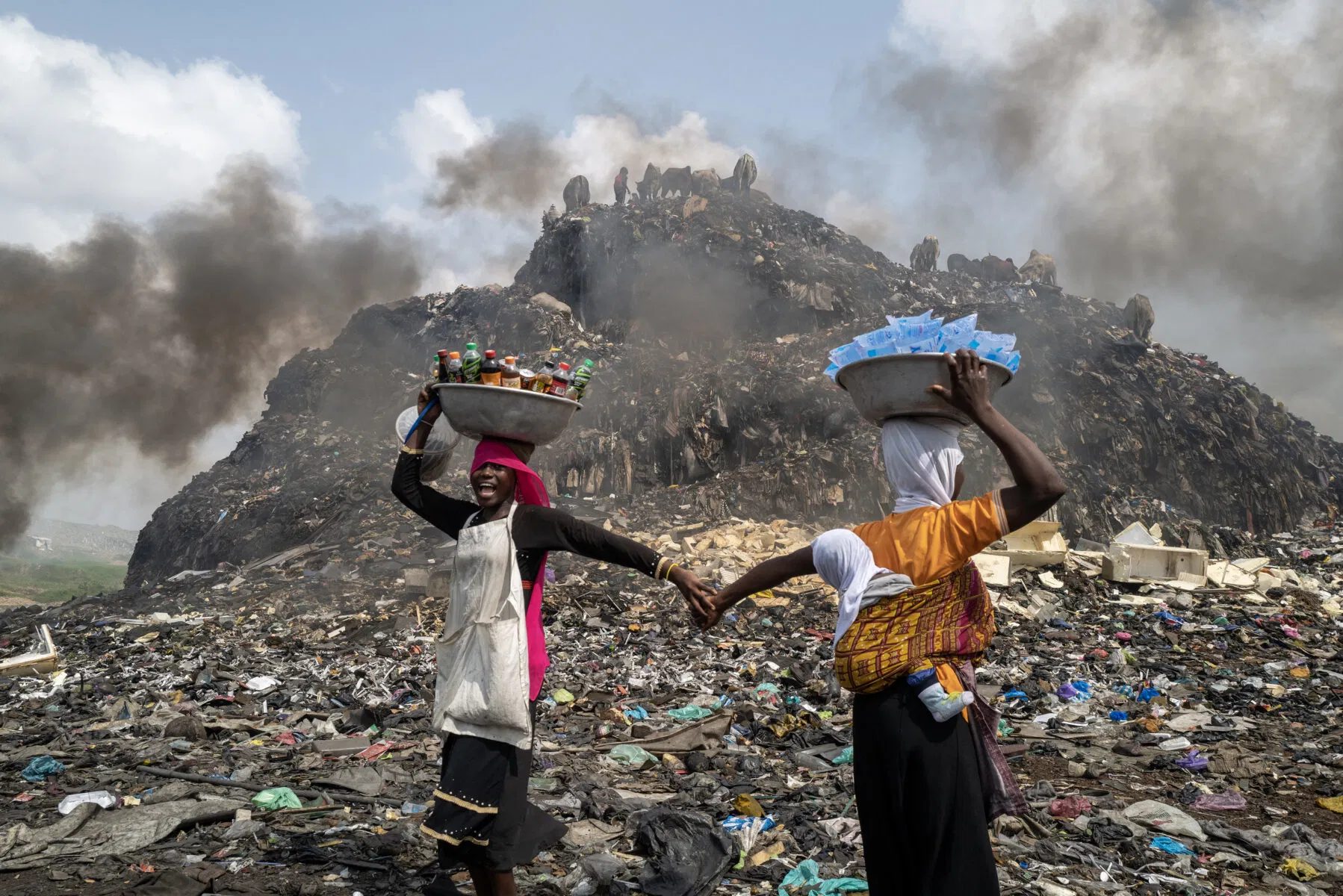
7. From the series “Fast Fashion, Slow Waste” – Kasia Trojak
This striking image from Polish-born photographer Kasia Trojak is part of her series Fast Fashion, Slow Waste, which exposes the environmental aftermath of global overconsumption in Accra. Ghana receives roughly 15 million items of secondhand clothing weekly from Western nations and China, with 40 per cent ultimately discarded into open-air dumps that choke the local landscape. Yet, against a mountain of smouldering, toxic waste, Trojak captures a powerful counter-narrative of human vitality; two women move through the debris holding hands, balancing basins of goods on their heads with remarkable poise and joy. It is an incredibly impactful frame; rather than reducing the crisis to pure devastation, the image brilliantly contrasts structural ecological failure with the resilient spirit, dignity, and enduring community bonds of those navigating its frontline.
– Discover more from the story here.
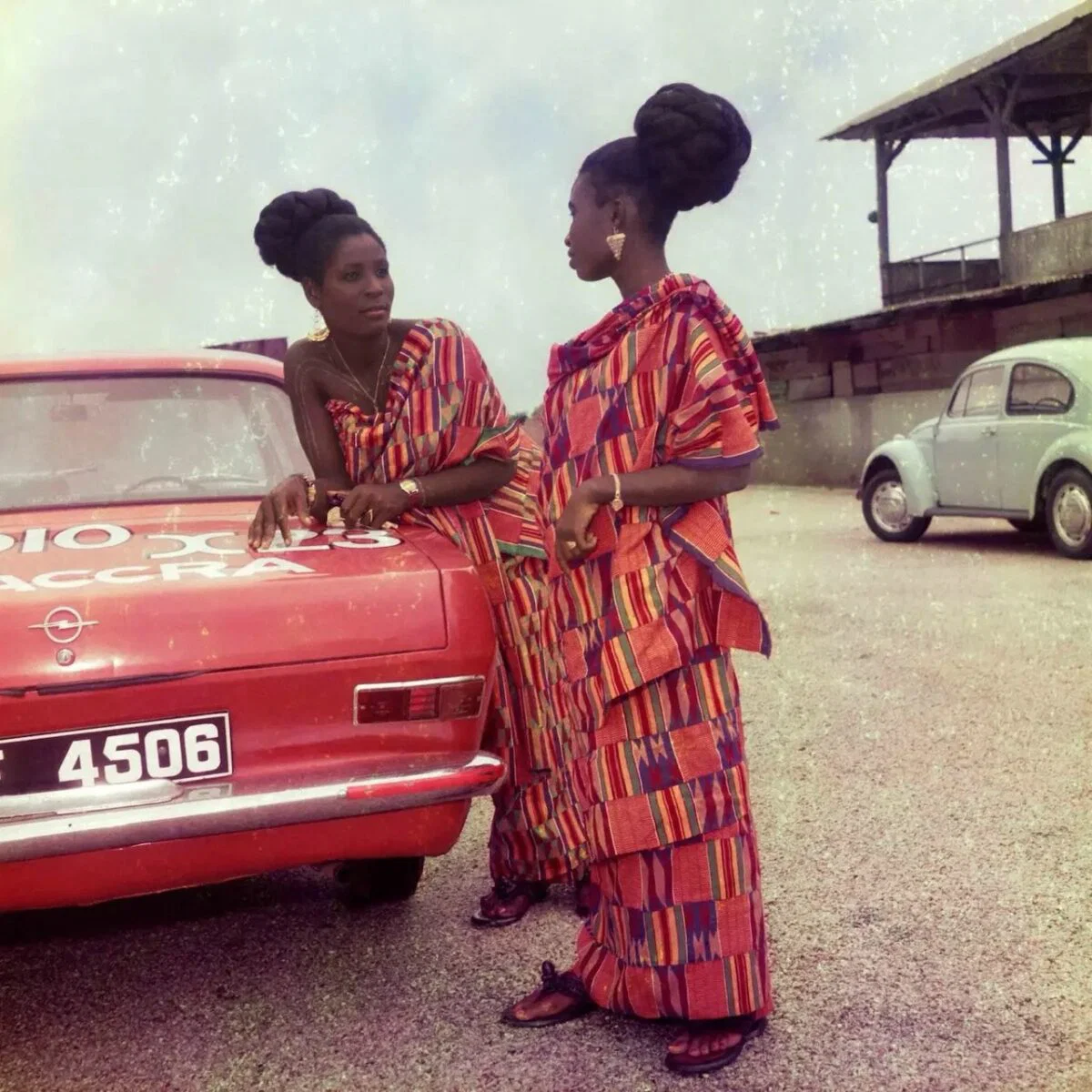
8. Two friends dressed for a church celebration with Barnor’s car, Accra, 1970s – James Barnor
A pioneer of modern African photography, James Barnor documented Ghana’s independence before mastering color photography in 1960s London. Returning to Accra, he established the country’s first colour lab and opened Studio X23. This striking portrait, featuring two women in matching kente cloth by a studio-branded car, captures the optimism of post-independence Ghana. Barnor’s early use of color—long before it gained widespread acceptance as a ‘serious’ medium—and his casual staging beautifully fuse traditional heritage with a forward-looking, cosmopolitan modernity that defined Ghana post-independence.
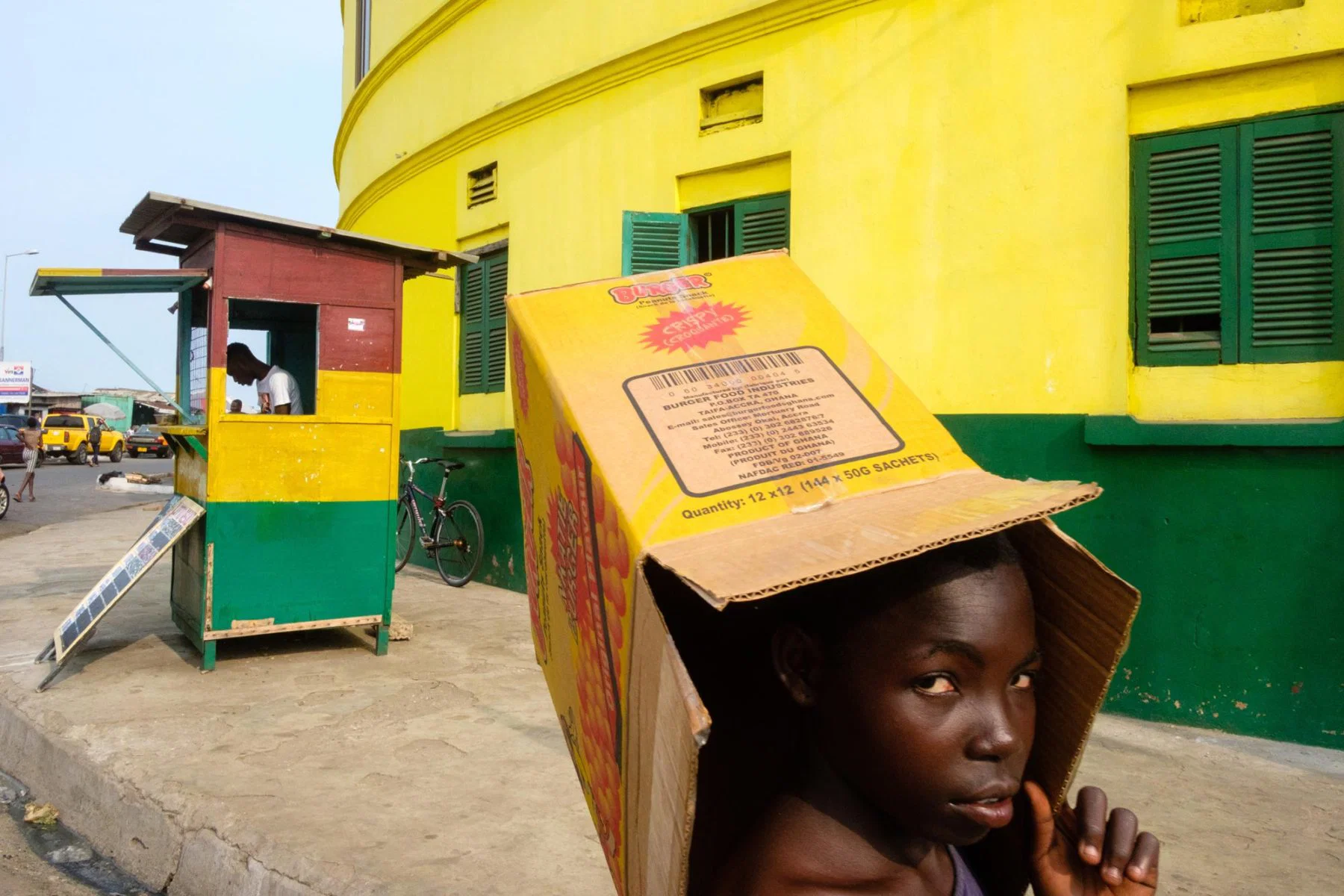
9. “Boxes”, Accra – Forrest Walker
American street photographer Forrest Walker captures a heartwarming moment of life in the Ghanaian capital. The framing beautifully balances youthful curiosity with the structured, graphic geometry of the city, using the sweeping yellow wall to pull the viewer into the subject’s gaze. Though at first glance it could be a scene from any number of West African cities, the vibrant palette—the green and gold of the architecture paired with the small wooden booth in the background that frames the silhouetted figure and holds the colours of the country’s flag—subtly anchors this spontaneous encounter firmly in Ghana.
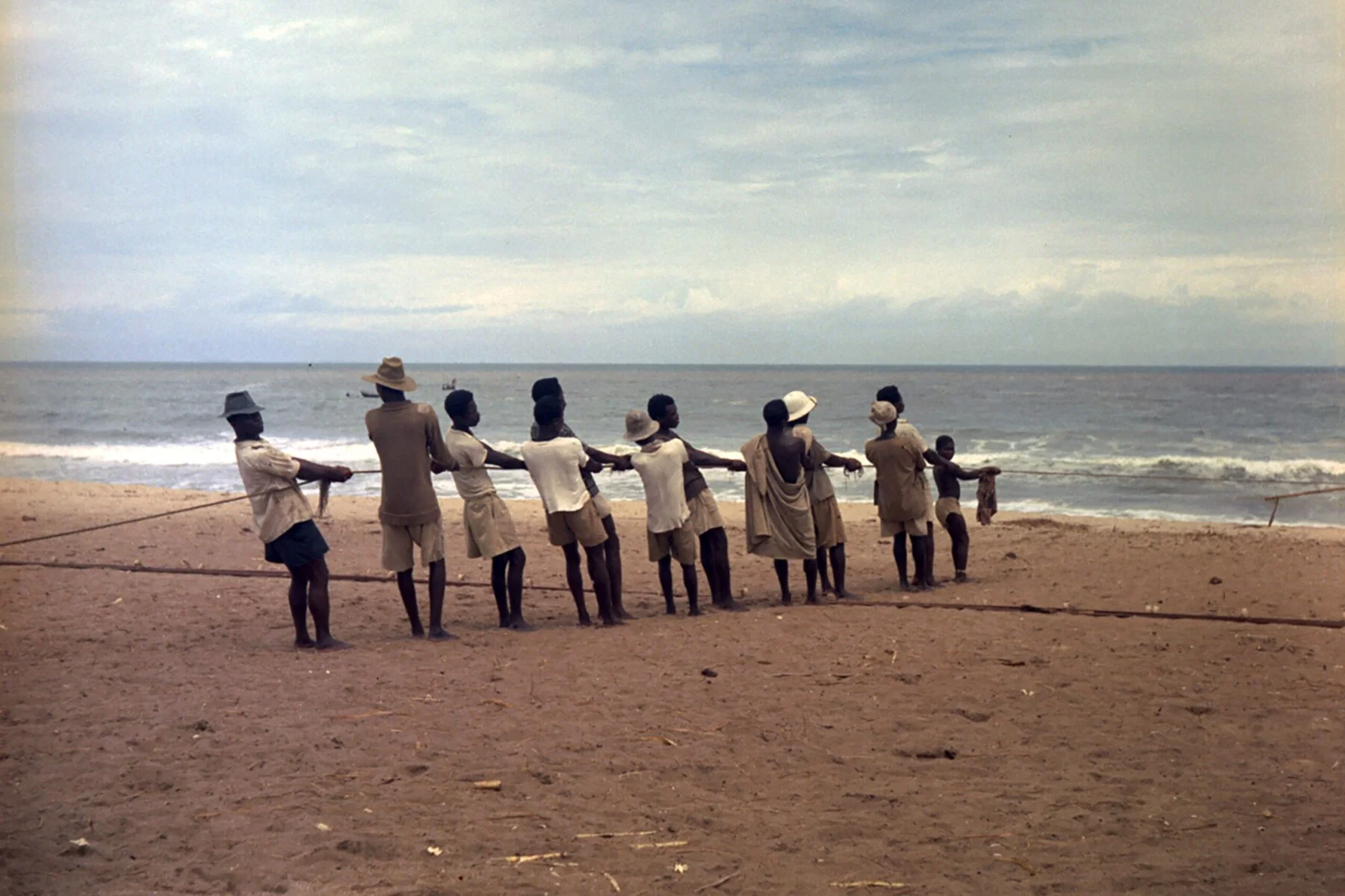
10. Untitled, 1958 – Todd Webb
American photographer Todd Webb was celebrated for his patient, straight documentary style, using sharp focus and clarity to capture the essence of daily life. In 1958, he turned this gaze toward a continent in transition, commissioned by the United Nations to document a region at the dawn of independence. Decades later, a spectacular archive of over 2,000 of these Kodachrome slides was rediscovered in five forgotten steamer trunks, revealing Webb as a pioneering master of color, long before it gained widespread acceptance. From that lost collection, this striking image captures a line of Ghanaian fishermen pulling heavy nets onto the shore, quietly documenting the enduring, everyday routines of the country’s coastal communities, routines which remain strikingly similar today.
– Read our profile on Todd Webb here.
All images © their respective owners