

RM presents the second edition of the most comprehensive survey of Graciela Iturbide’s work to date, covering five decades of the Mexican photographer’s poetic black-and-white imagery.
Widely regarded as one of Latin America’s most important photographers and among the most distinctive voices in contemporary photography, Graciela Iturbide (b. 1942, Mexico City) has spent five decades building a distinct visual language: always in black and white, always attentive to the interplay of presence, absence, and the poetic possibilities of the everyday.
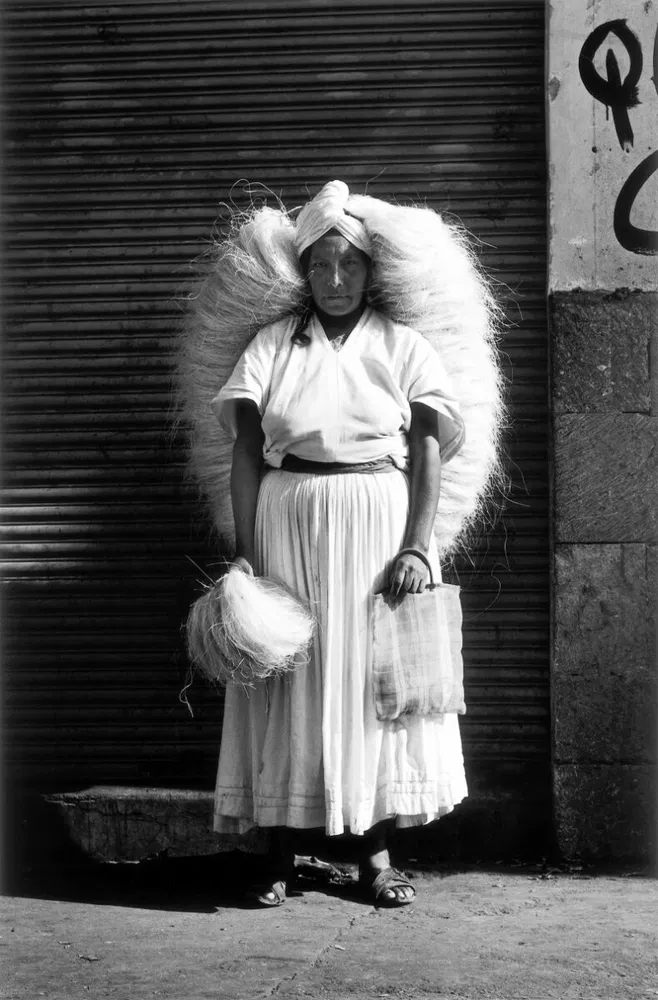
This new monograph, co-published by Fundación Mapfre and RM, gathers over 200 images spanning her career, from her earliest projects to her most recent explorations. It brings together familiar masterpieces and lesser-known works, offering a sweeping view of a practice that remains intimate, personal, and quietly radical.
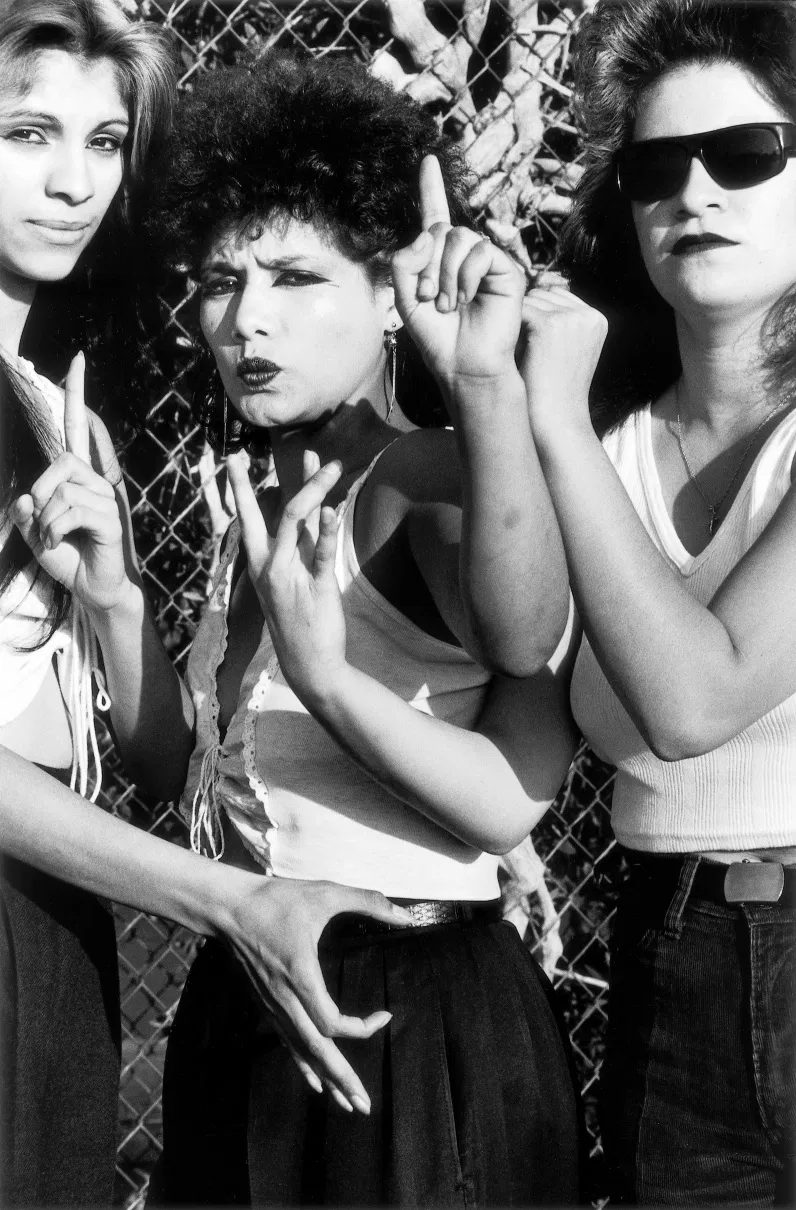
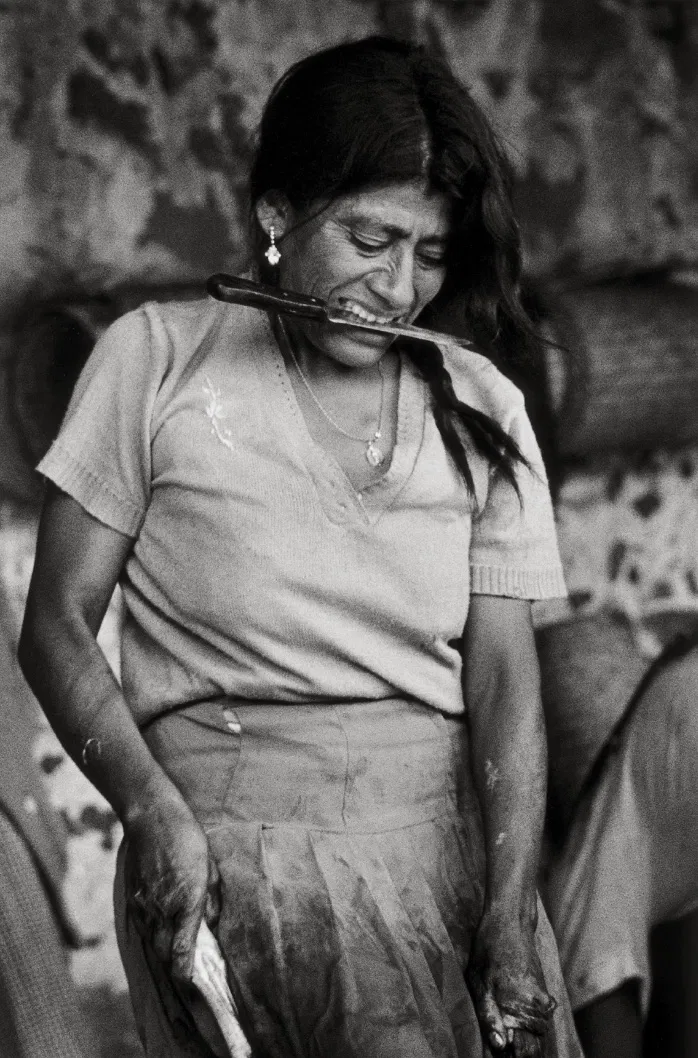
Iturbide’s photography moves effortlessly between documentary and poetry. Her images of indigenous communities and rural life in Mexico, her iconic portraits of Chicano identity in the United States — most notably her long-term engagement with the White Fence gang in Los Angeles — all reveal a consistent empathy and attentiveness. The book also features her lesser-known depictions of India from the late 1990s, which proved especially significant in shaping the evolution of her vision.
Confronted with a world at once overwhelming and unfamiliar, she turned her gaze away from direct human presence and toward symbols and absences, opening her images to a new kind of ambiguity. It was here that birds, a motif already latent in her practice, took on central importance, recurring figures she would later explore in depth across several dedicated publications. As omens, as metaphors of freedom or solitude, and as fleeting messengers between worlds, they exemplify the way Iturbide transforms the ordinary into the profoundly symbolic, expanding her documentary eye into the realm of poetry and mysticism.
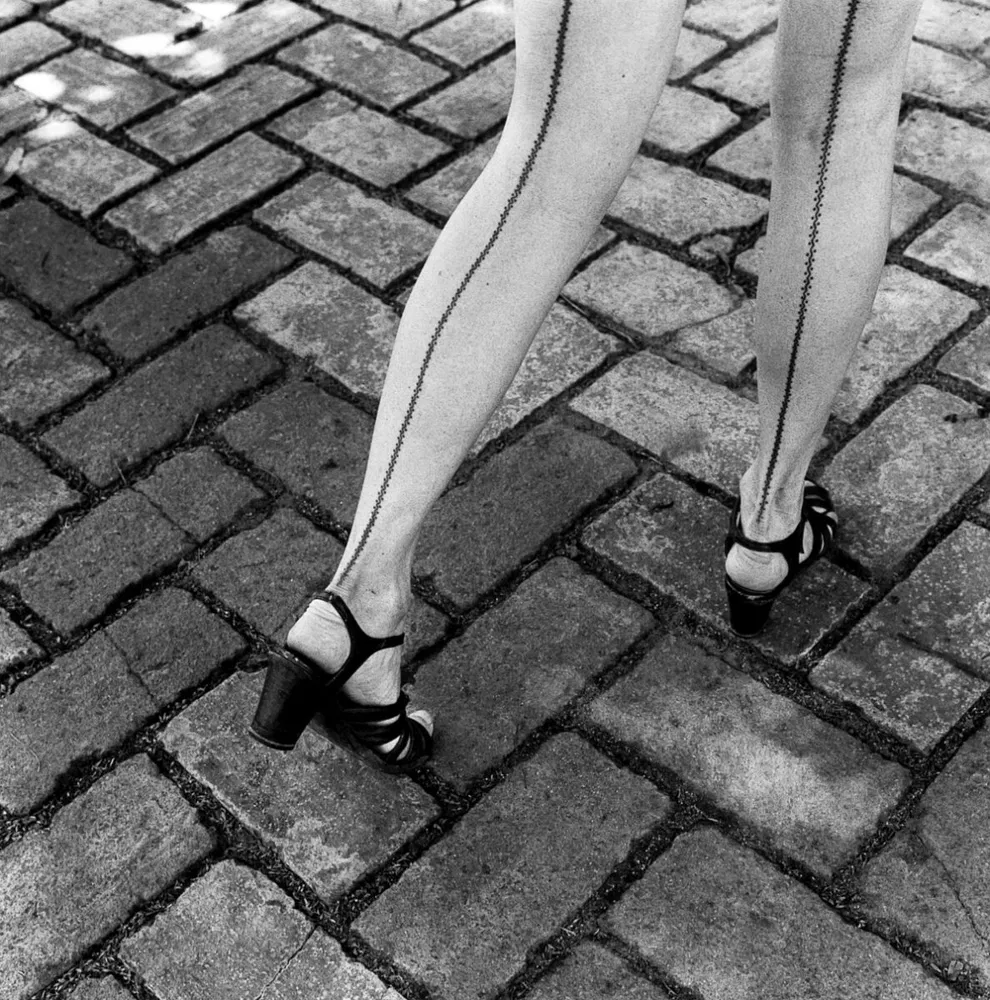
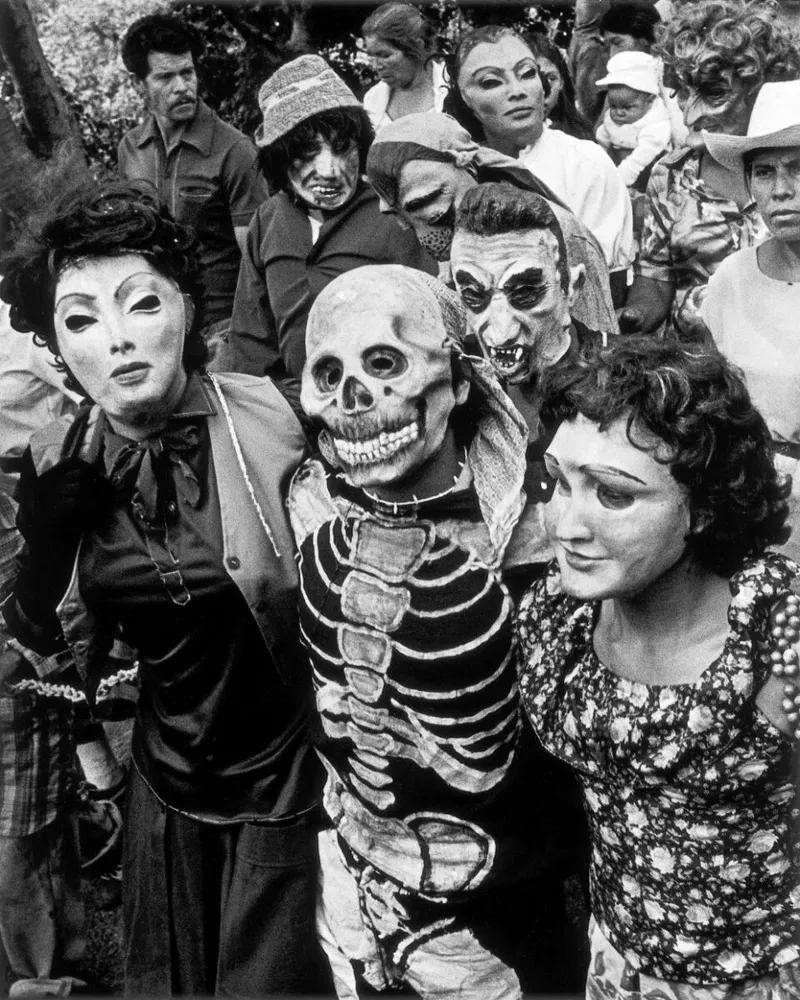
Symbolism runs throughout her practice. Snakes, masks, ritual objects, and birds appear alongside human subjects, infusing the everyday with layers of meaning. Her portraits balance toughness and vulnerability, ritual and domesticity, myth and lived experience. Working exclusively in monochrome, Iturbide distills her subjects to essentials of light, shadow, and form, transforming even the most ordinary moments into something heightened, enigmatic, and resonant.
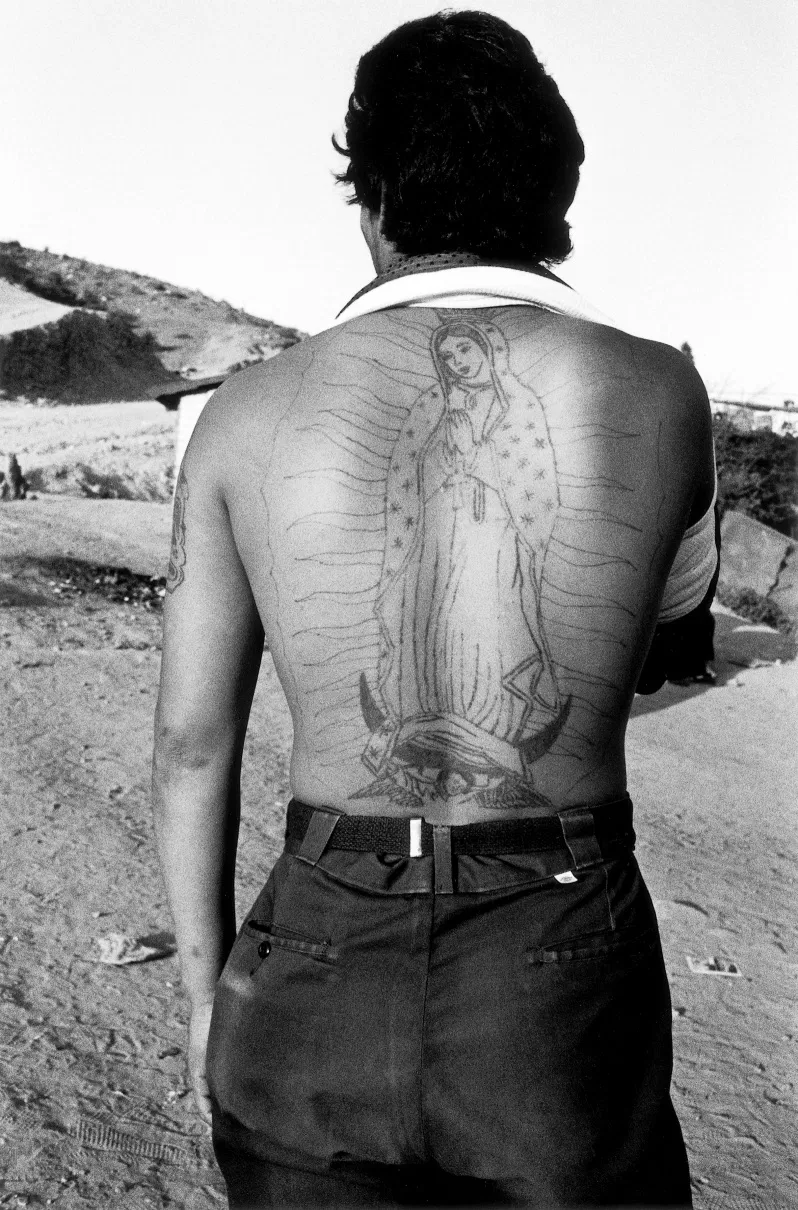
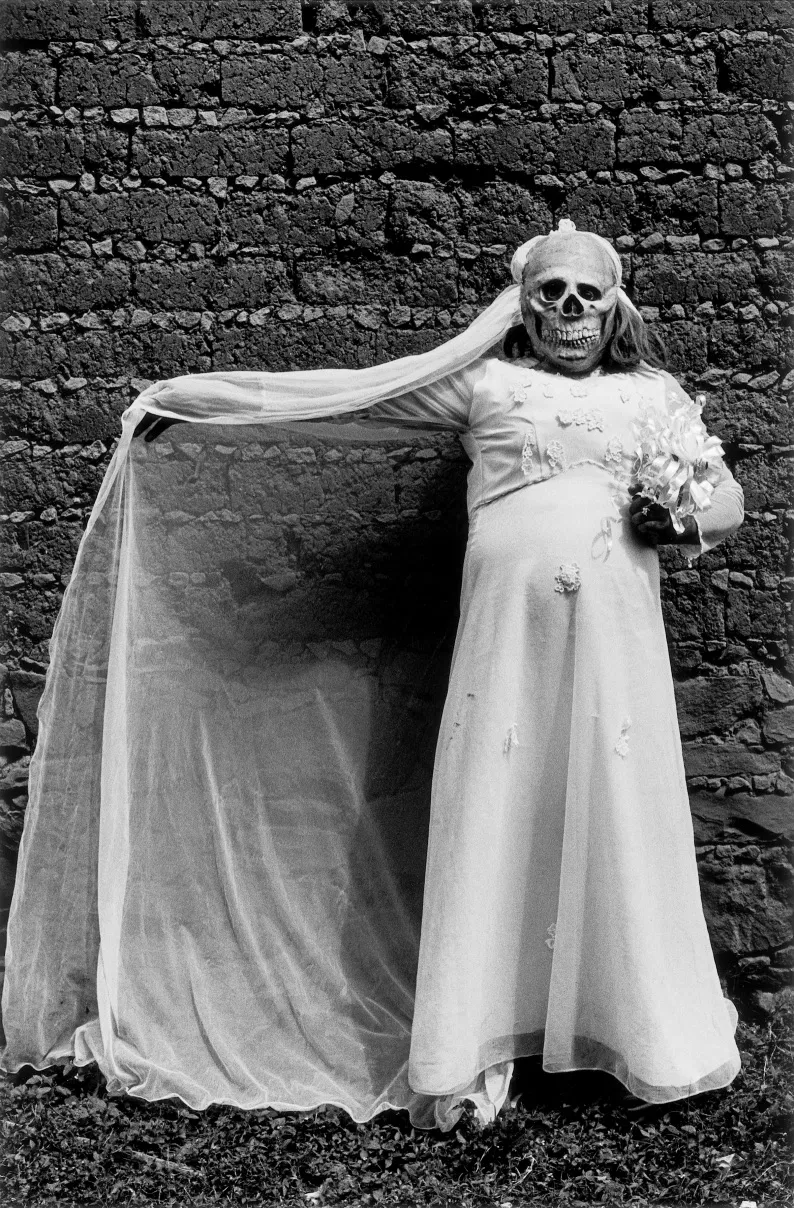
Among the accompanying texts, the book features an excerpt from Marta Dahó’s essay En la línea de sombra, originally written for Fundación Mapfre’s 2009 retrospective. It is a fitting inclusion, for Dahó’s words encapsulate the essence of Iturbide’s practice. She describes a photography that hovers in a liminal space: documentary, yet never confined to reportage; poetic, yet never untethered from lived reality.
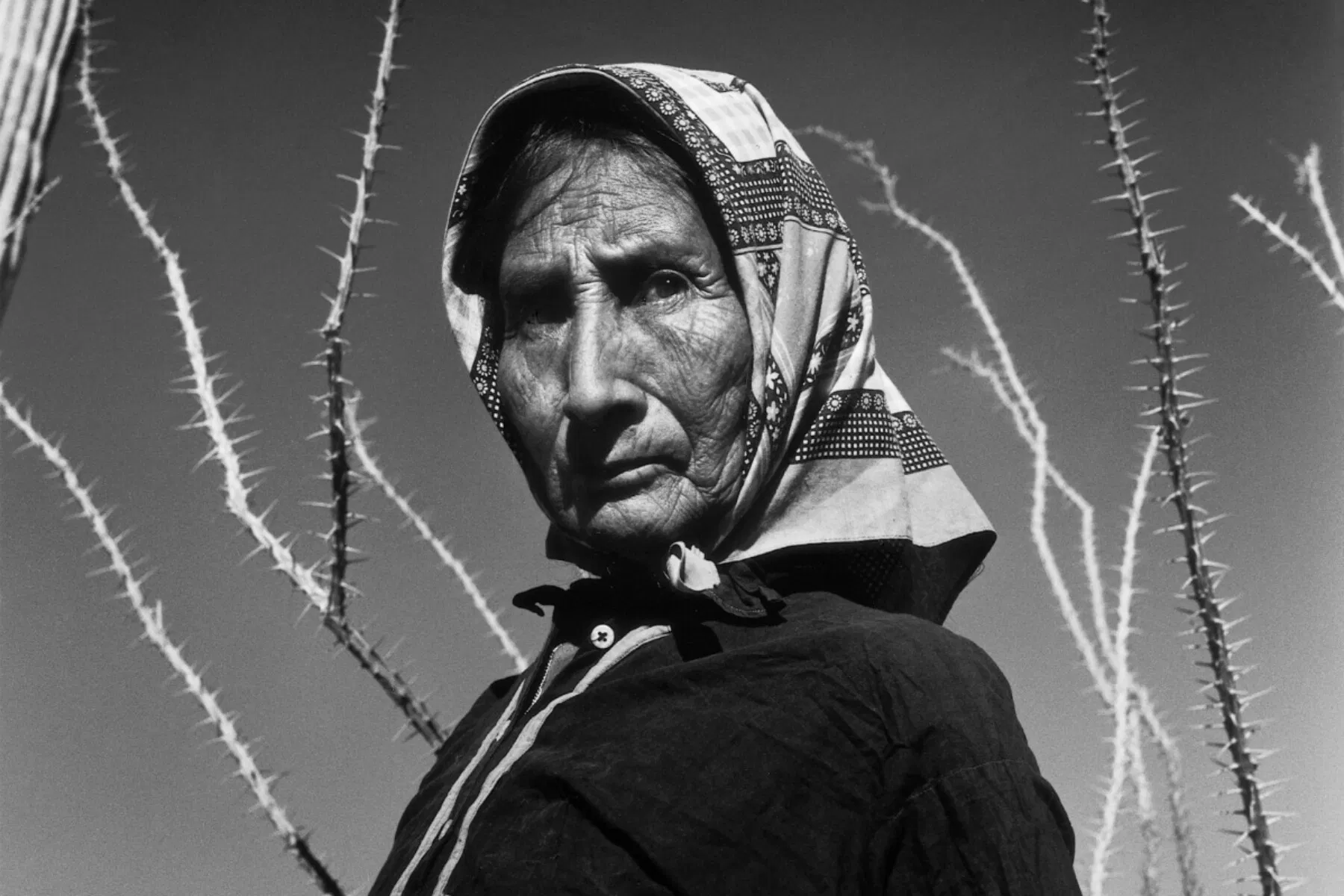
Iturbide’s images dwell in this “line of shadow,” where the everyday intersects with ritual, where symbols take on layered meanings, and where presence and mystery coexist. It is within this shadowed threshold that she has built one of the most vital and enduring bodies of work in contemporary photography, securing her place as one of the most significant voices in the global history of the medium.
Graciela Iturbide, 2nd Edition, is published by Editorial RM and can be purchased through their website.
All images © Graciela Iturbide