

“A photograph should always have the last word…” — Louis Stettner
His name may not carry the same level of recognition as some of his contemporaries, but within the photography world Louis Stettner is regarded as one of the greats, whose work quietly belongs to the canon. He wasn’t chasing attention; he was chasing truth, and in that pursuit, he made some of the most honest, human, and enduring images of the twentieth century.
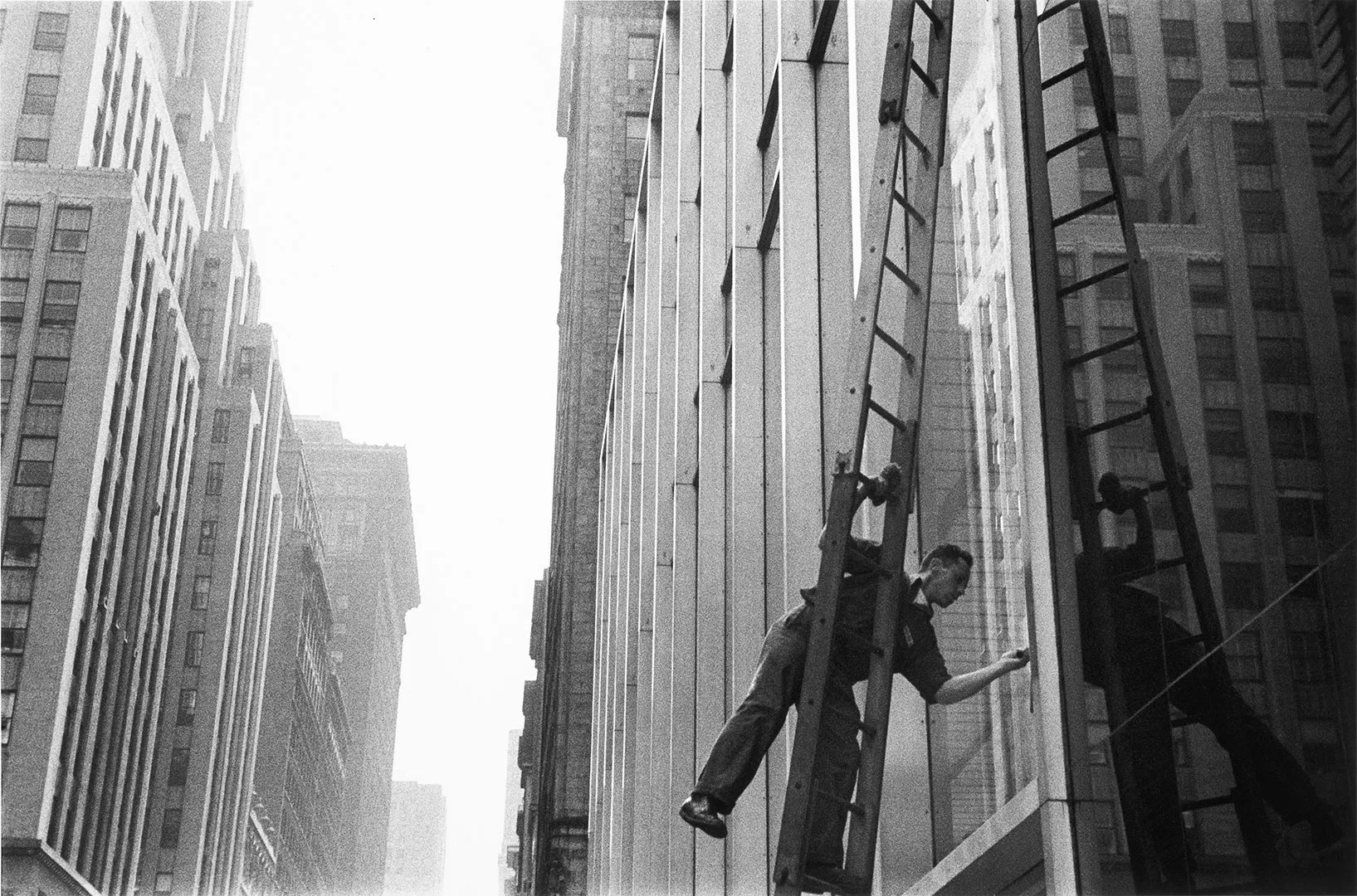
Louis Stettner was born on November 7, 1922, in Brooklyn, New York. He was the youngest of four children, including his twin brother, and grew up in a family where his father worked as a cabinet maker. His introduction to photography came early, when he received a modest box camera as a child, and by his early teens, he was already devoted to the craft. Saturday visits to the Metropolitan Museum of Art became part of his routine, where he immersed himself in photographic prints and early issues of Camera Work, discovering the work of Alfred Stieglitz, Clarence H. White, and Paul Strand, influences that would shape his visual sensibility.
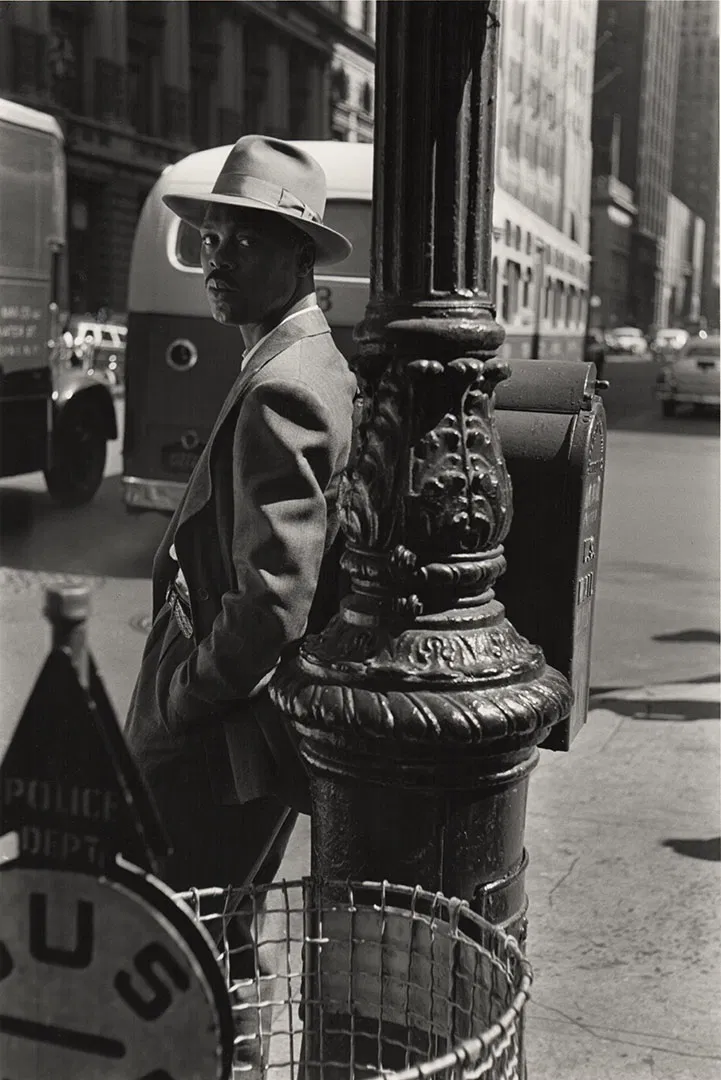
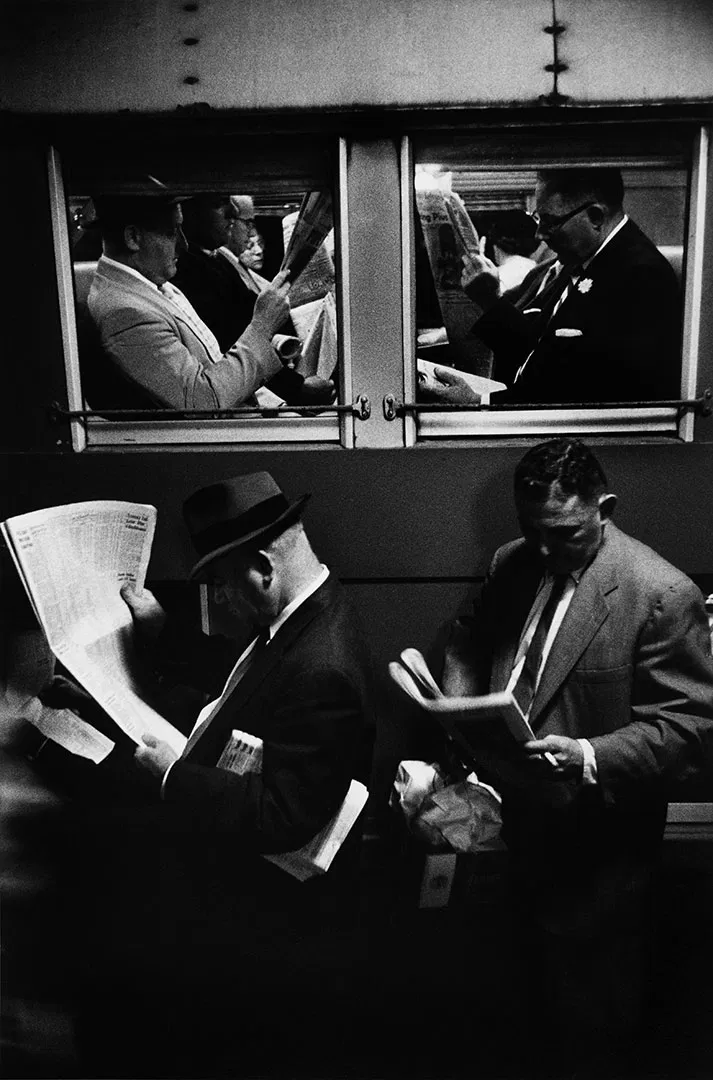
Stettner enlisted in the U.S. Army Signal Corps, determined to work as a combat photographer. He photographed military operations in the Pacific and lived alongside infantry divisions, witnessing the dissonance between ordinary human life and organized violence. The experience shaped his ethics more than his subject matter. War did not push him toward spectacle. It reinforced his conviction that meaning resided in presence rather than drama. After the war, he largely turned away from photographing catastrophe, committing instead to what he understood as the moral weight of everyday life.
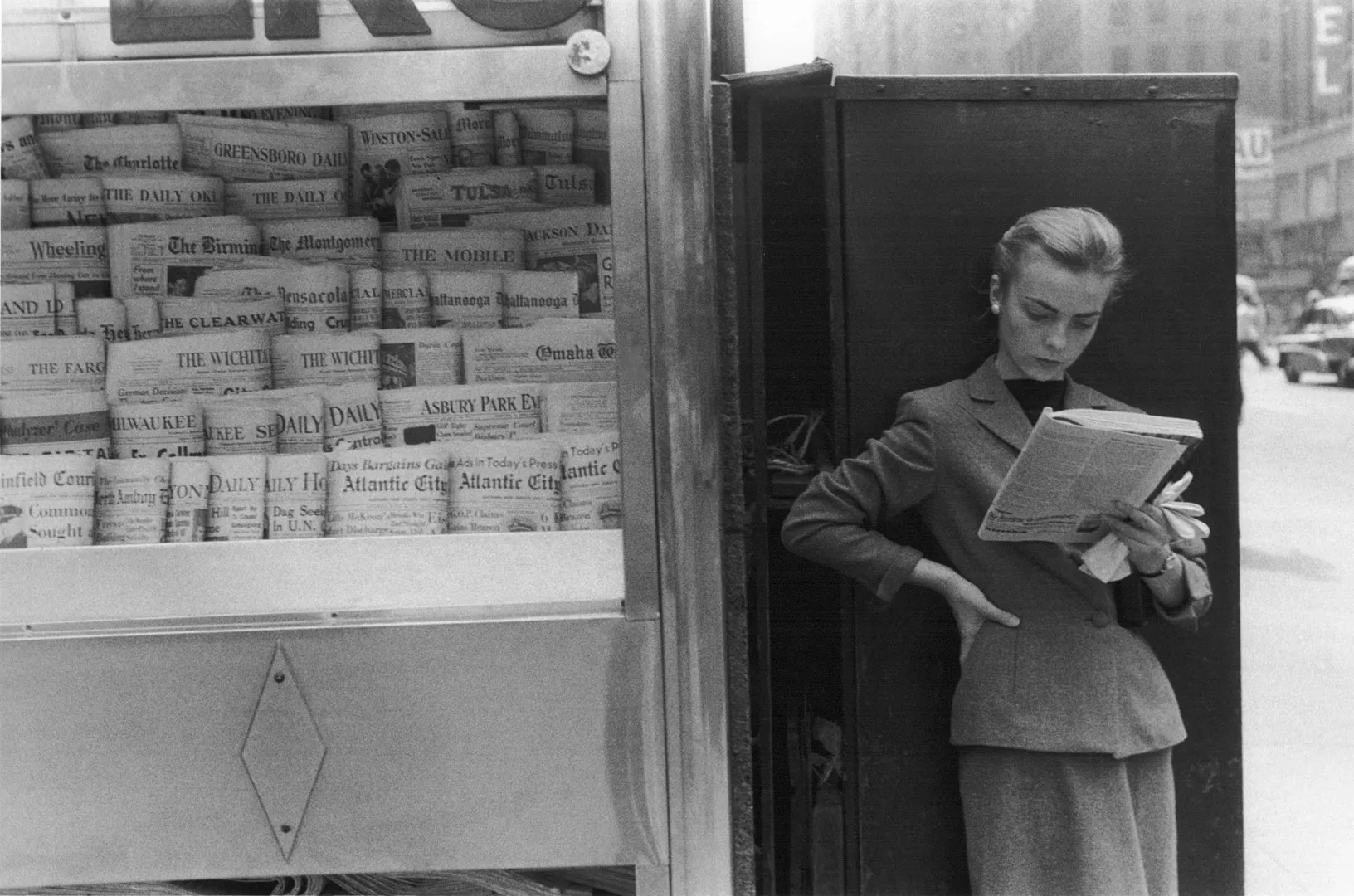
In 1947, Stettner arrived in Paris intending to stay briefly. He remained for five years. The city, still marked by occupation and recovery, offered a density of history and continuity that deeply resonated with him. Paris became his open-air studio: its streets, workers, commuters, cafés, and passersby became his subjects, which he photographed with a careful attention to how gestures, light, and architecture carried accumulated time.
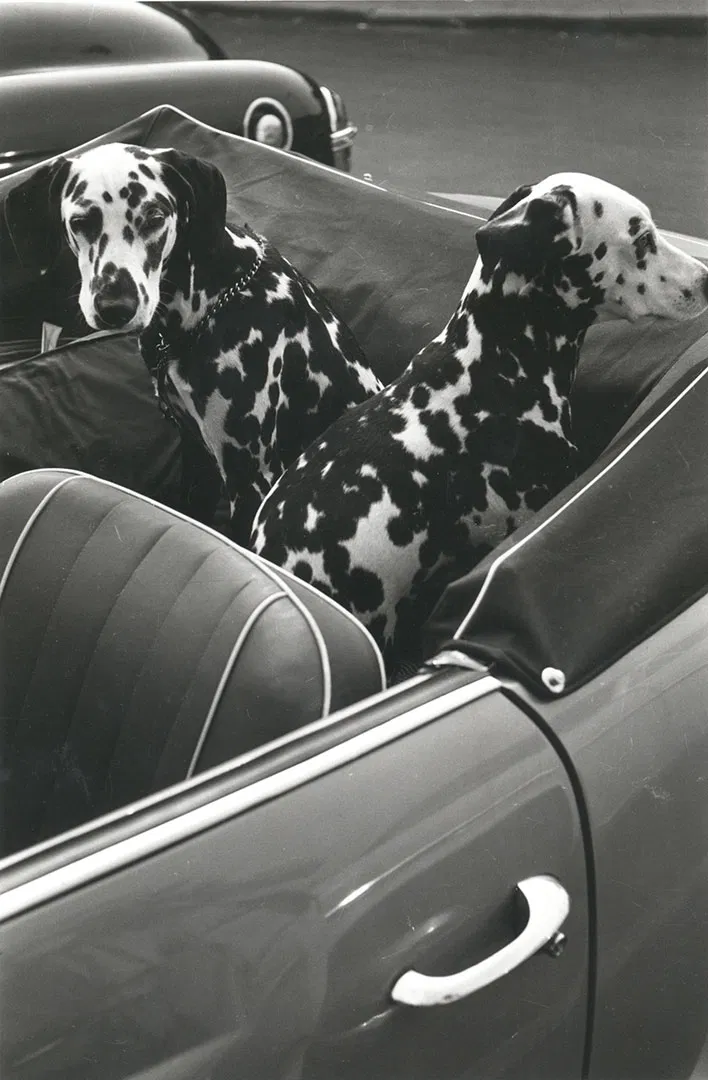
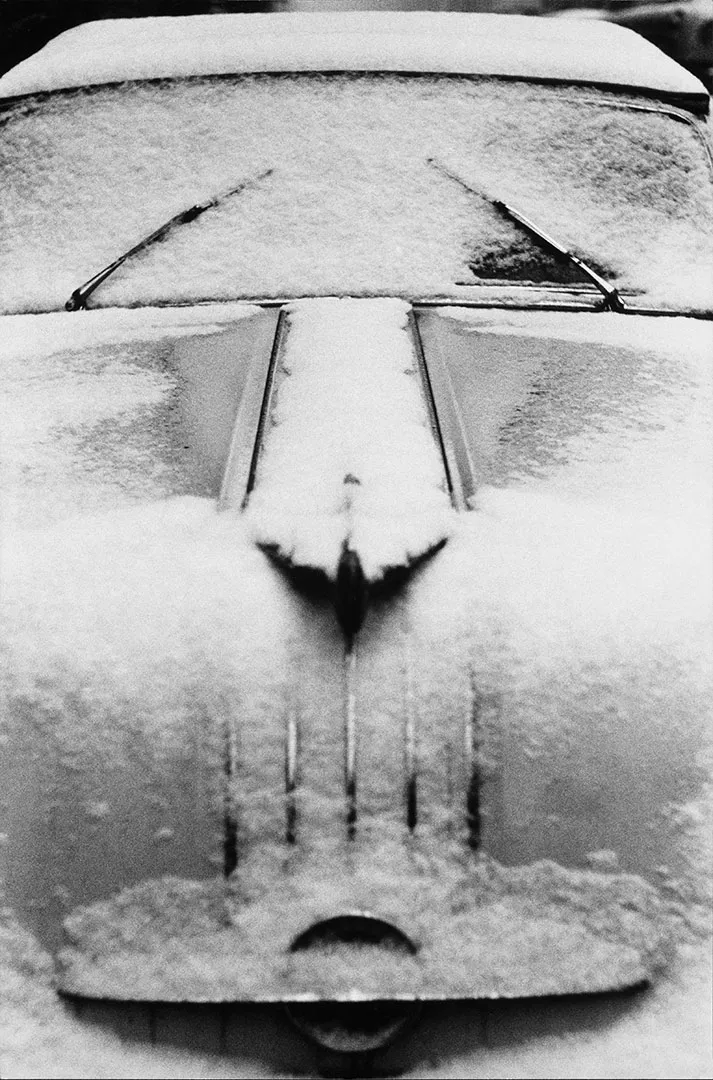
During this period, Stettner was closely involved with the Photo League and was part of a transatlantic exchange that helped introduce American audiences to French photographers, including Brassaï, Willy Ronis, Robert Doisneau, and Édouard Boubat. These exchanges were formative. Brassaï, whom Stettner openly admired, encouraged his attention to the everyday, while Stettner’s own insistence on material clarity and precision led him, famously, to work with a large-format camera on the streets of Paris, an impractical choice that reflected his commitment to detail and physical presence.
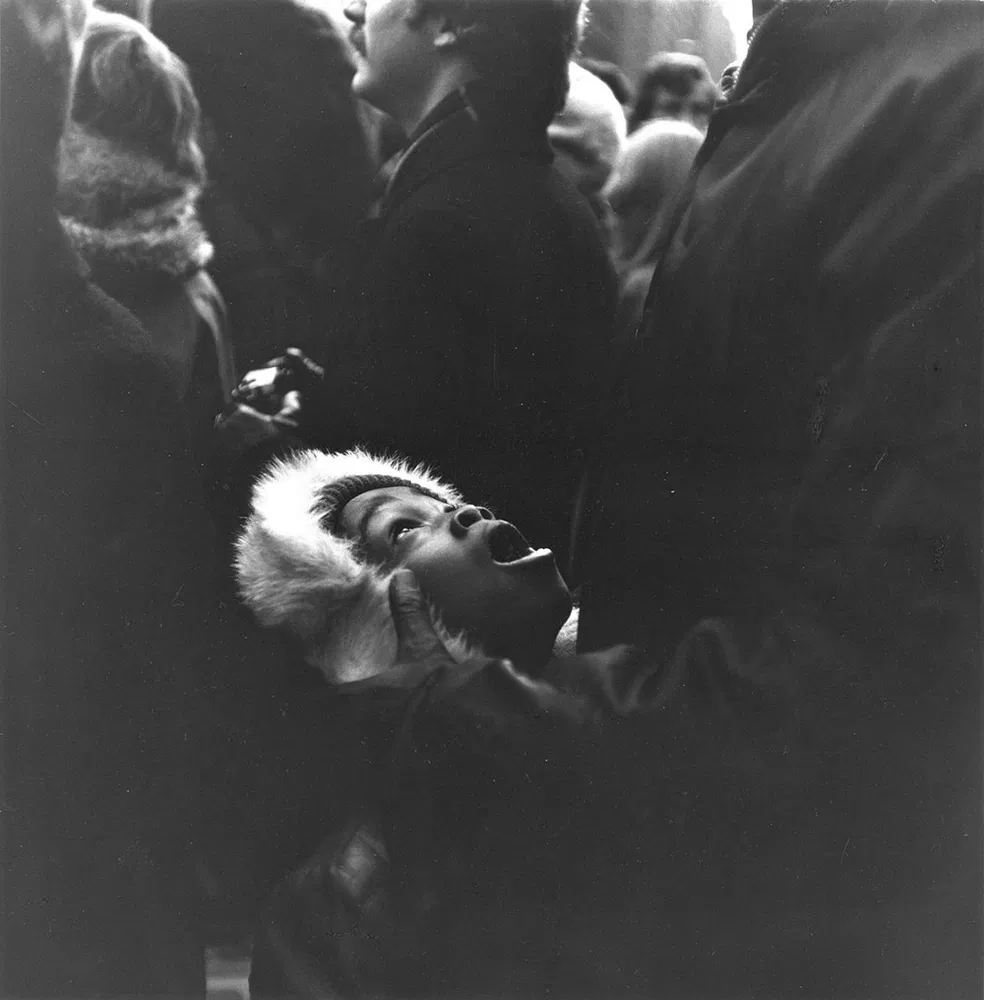
Stettner’s work is often described as humanist, though the term risks oversimplification. His photographs are not sentimental. They are structured around tension: between intimacy and distance, stillness and movement, individuality and anonymity. He was less concerned with decisive moments than with duration, with the quiet accumulation of meaning over time. Ordinary subjects, a worker at rest, a commuter framed by architecture, a wall marked by use, are rendered with gravity through attention rather than narrative.
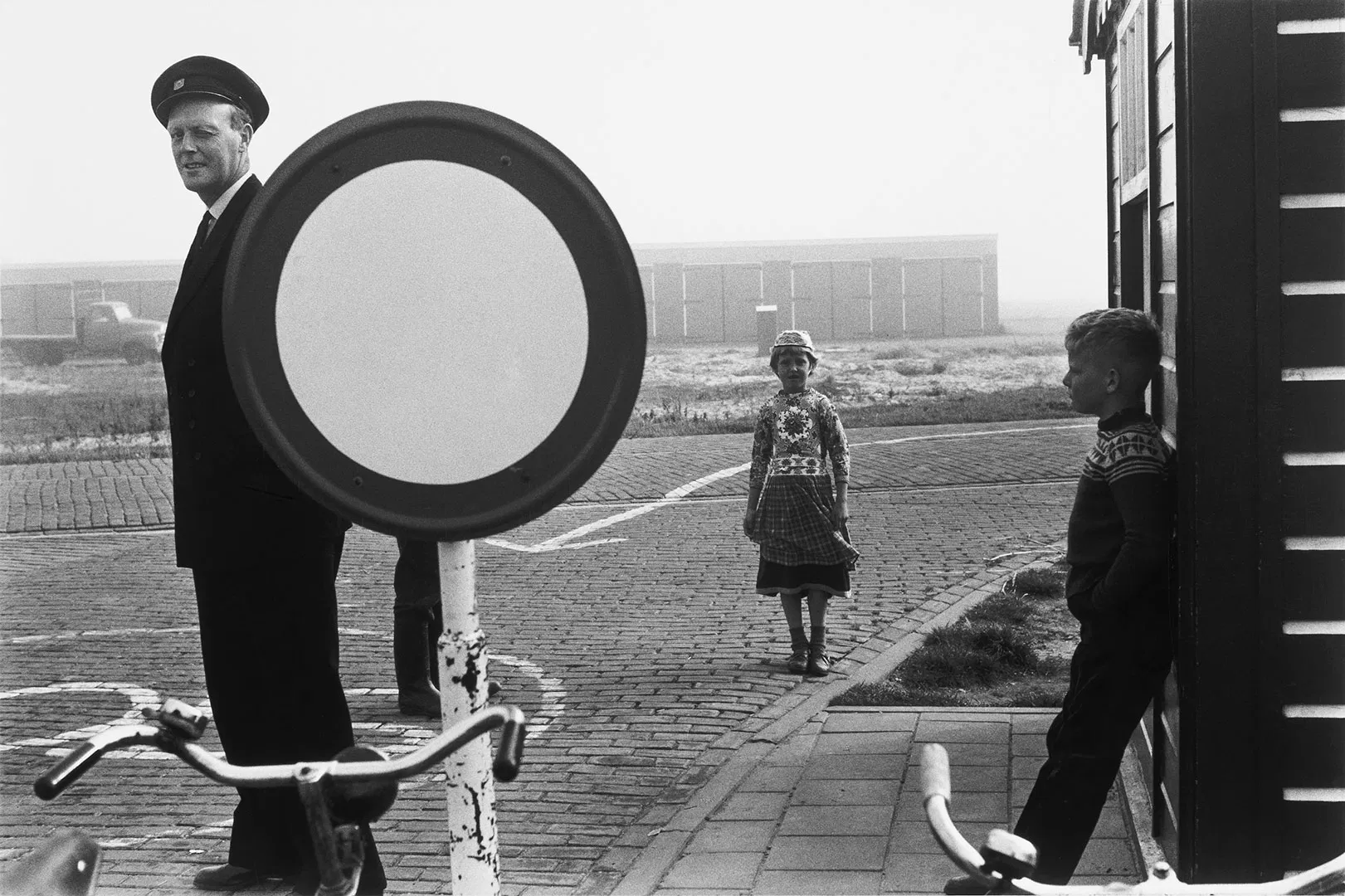
Politics, for Stettner, was embedded in this way of seeing. His association with the Photo League placed him within a tradition that understood photography as a social act, yet his images resist didacticism. He did not illustrate arguments. He made conditions visible. Labor, urban density, isolation, and endurance recur throughout his work, not as symbols, but as lived realities. The photographs do not instruct the viewer. They ask them to look longer.
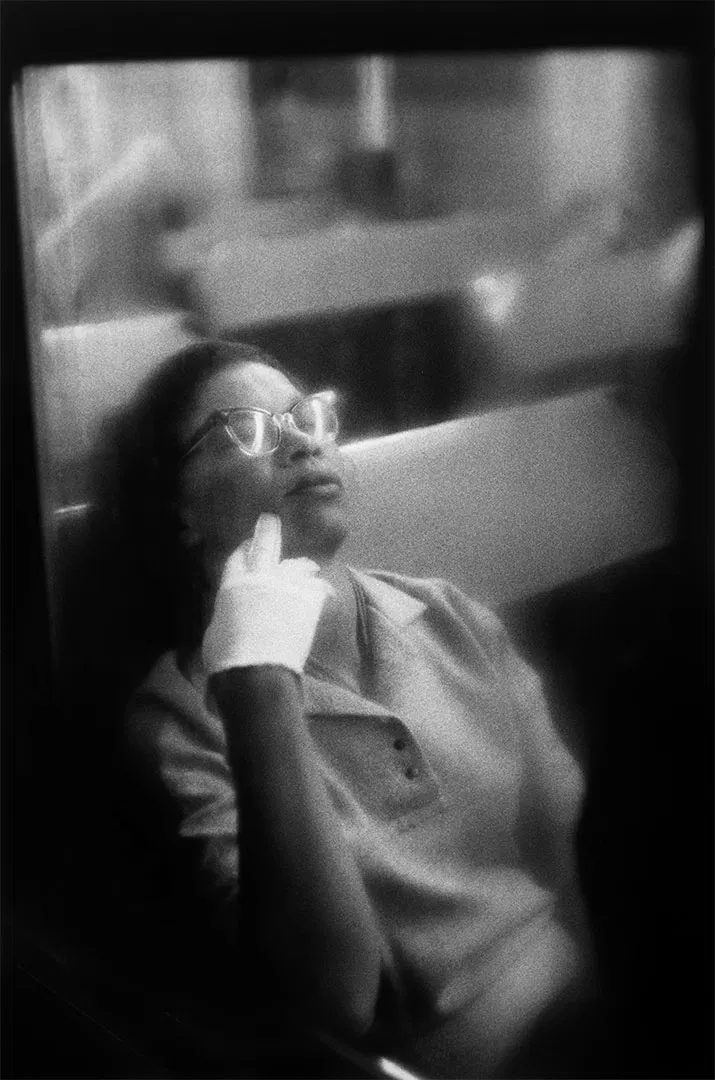
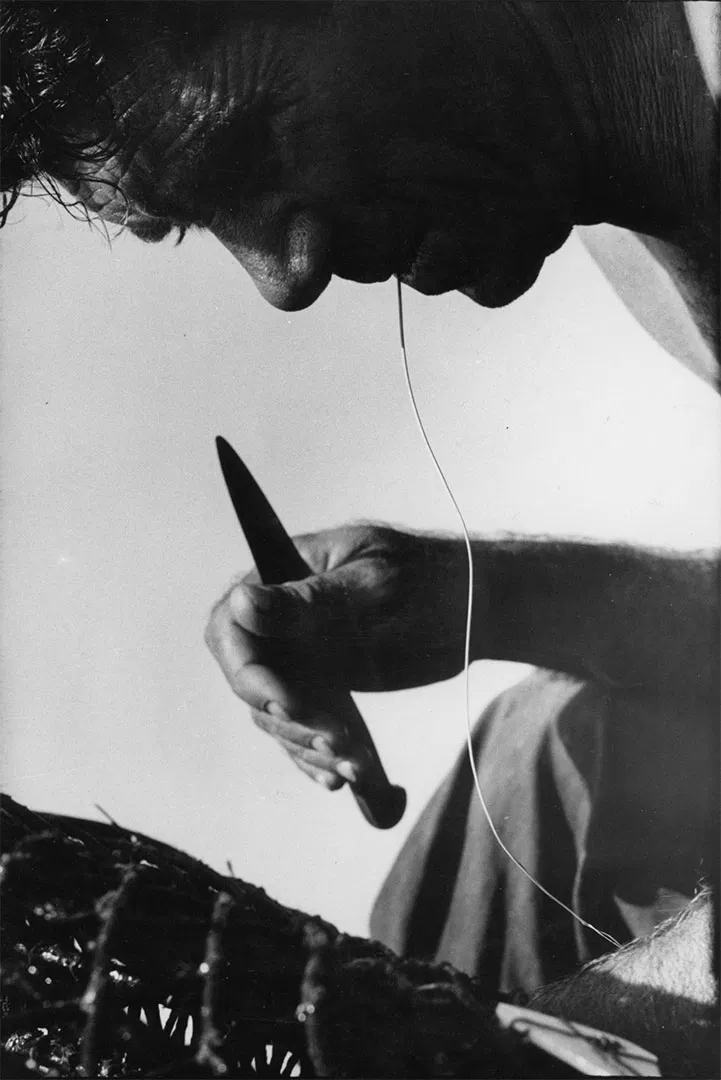
Much of Stettner’s life unfolded between Paris and New York, two cities that shaped his vision in different ways. Paris offered reflection and historical depth; New York offered speed, pressure, and unfinished form. Rather than resolve these differences, Stettner sustained them. Moving between the two sharpened his understanding of both, and of modern life more broadly.
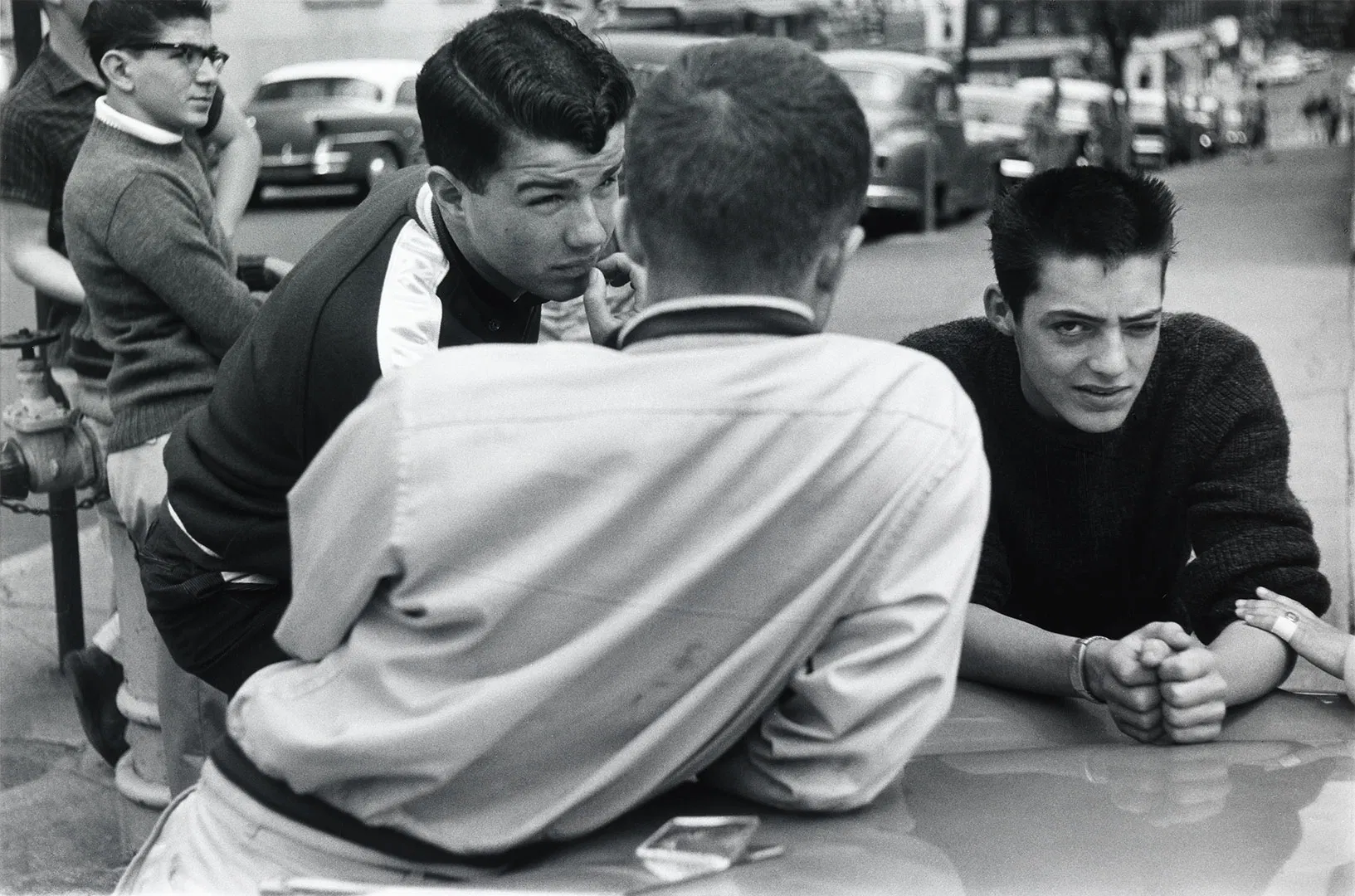
After returning to New York in the early 1950s, he produced some of his most enduring work. Commercial assignments followed, but never replaced his personal practice. When professional demands threatened to erode his autonomy, he stepped back. Teaching later provided stability while allowing him to continue photographing on his own terms.
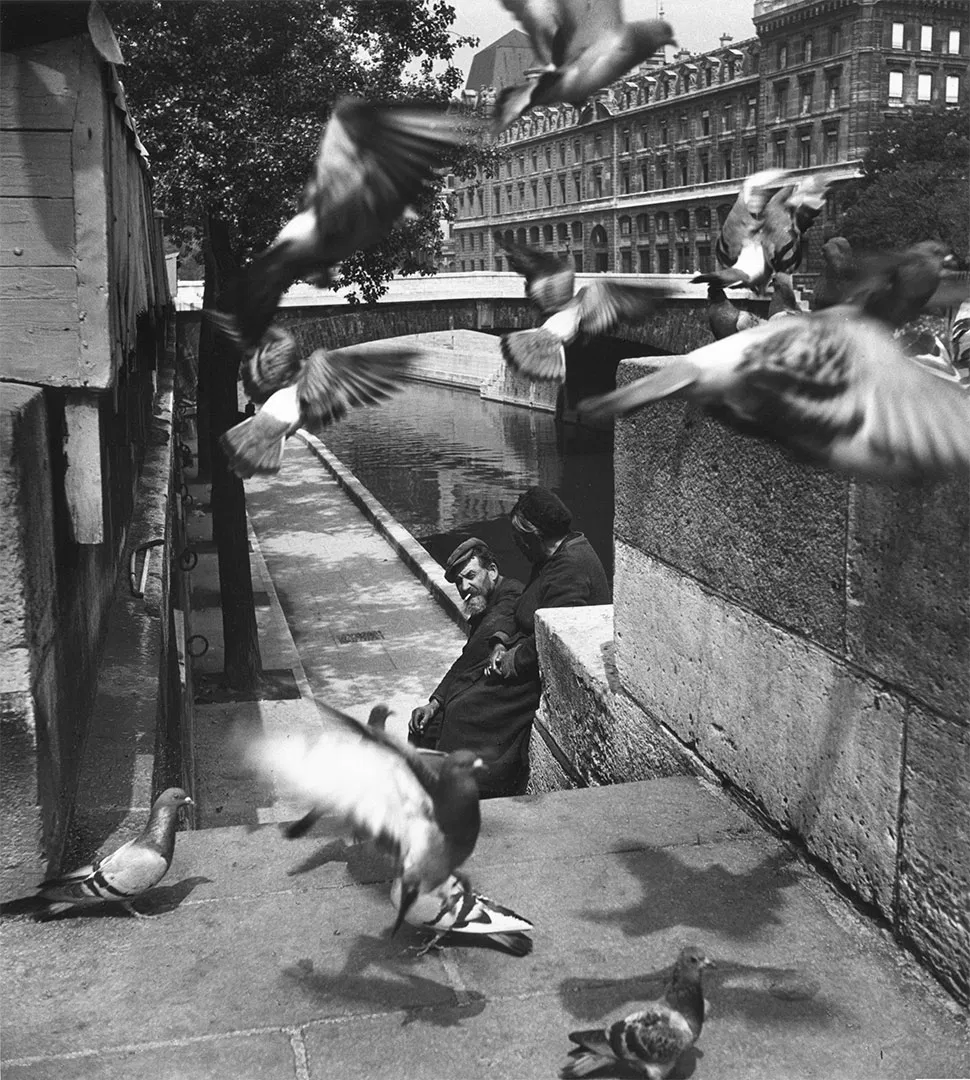
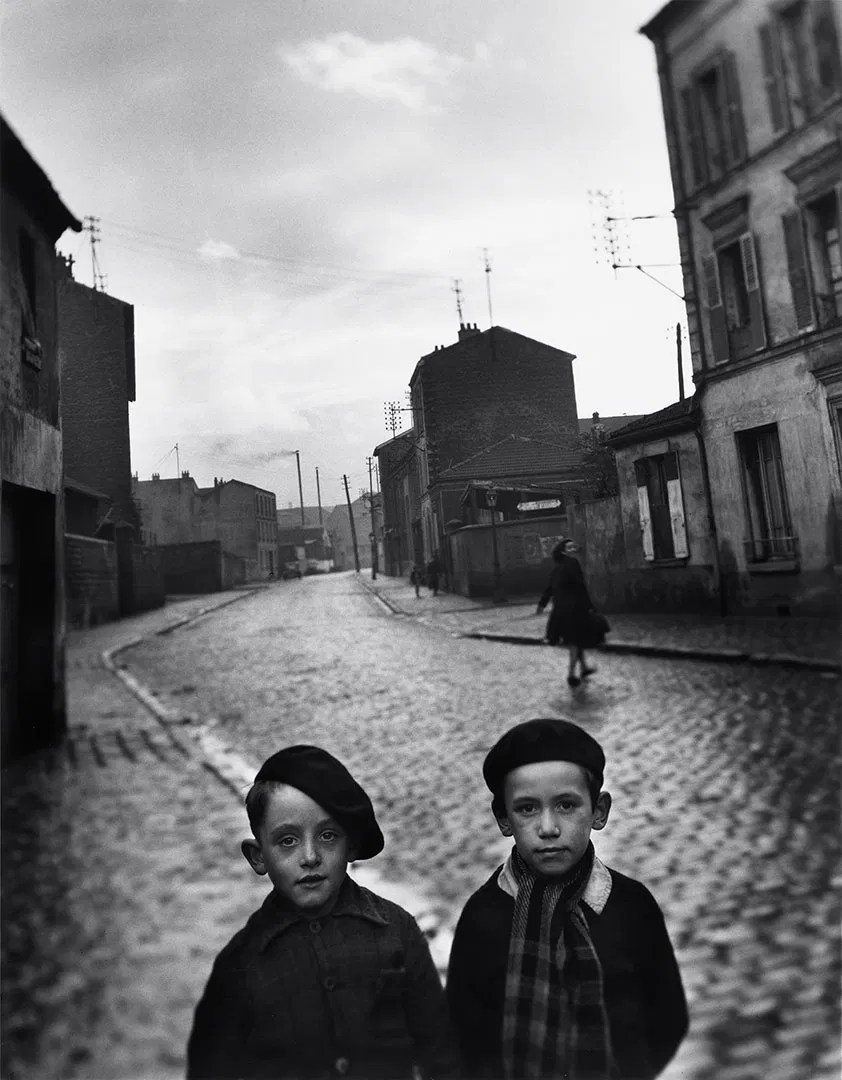
In his later years, Stettner continued to expand his practice, experimenting with found photographs, assemblage, and sculpture. He later returned to straight photography with renewed clarity, as if the detour had sharpened his vision rather than diluted it. He remained active into old age, continuing to make work and revisit the cities that shaped him, long after many of his contemporaries had stopped.
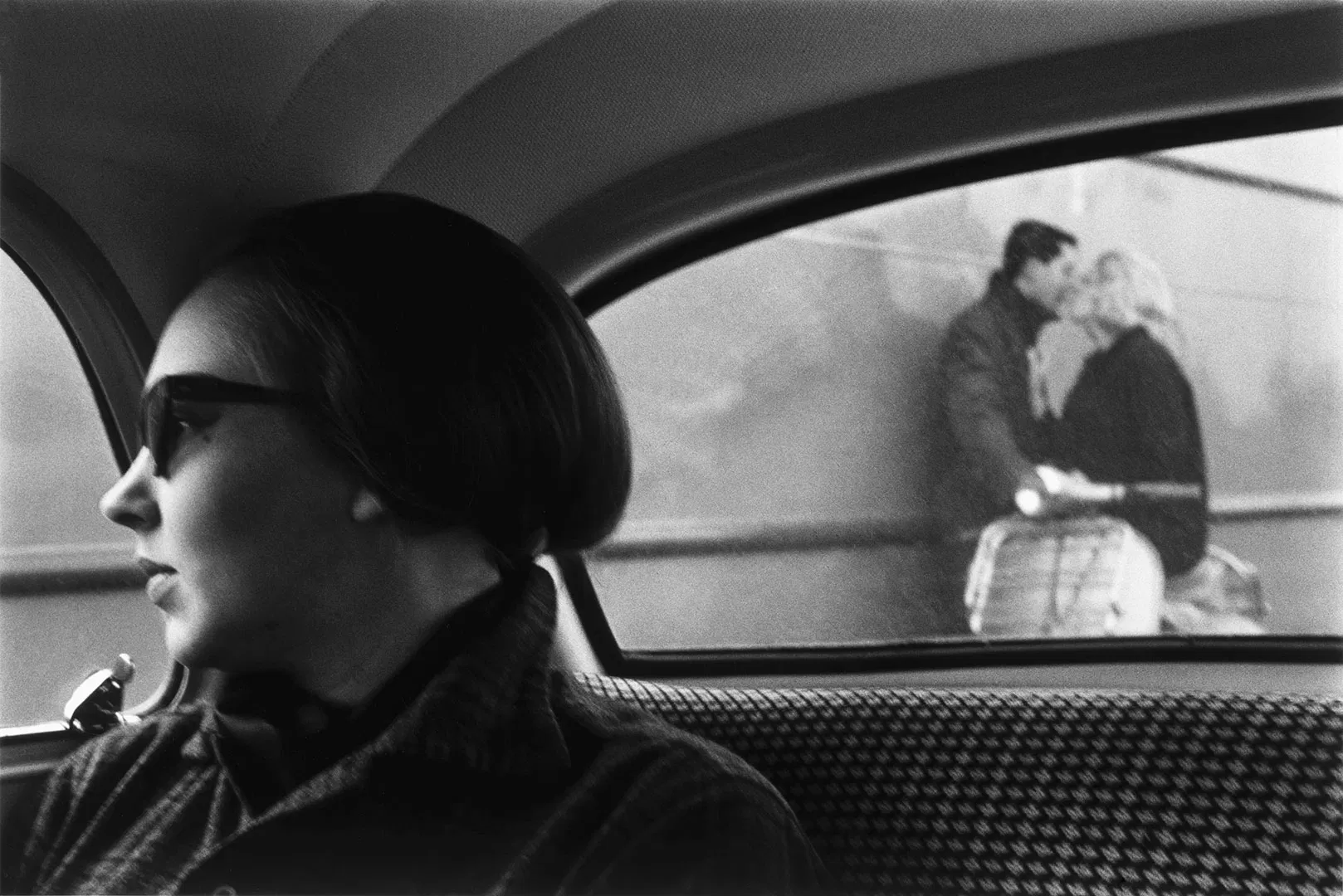
When he died in 2016, Stettner left behind a body of work that has quietly become one of the most enduring testaments to twentieth-century urban life. His images continue to influence photographers who look for the human within the city, not as spectacle, but as a living presence.
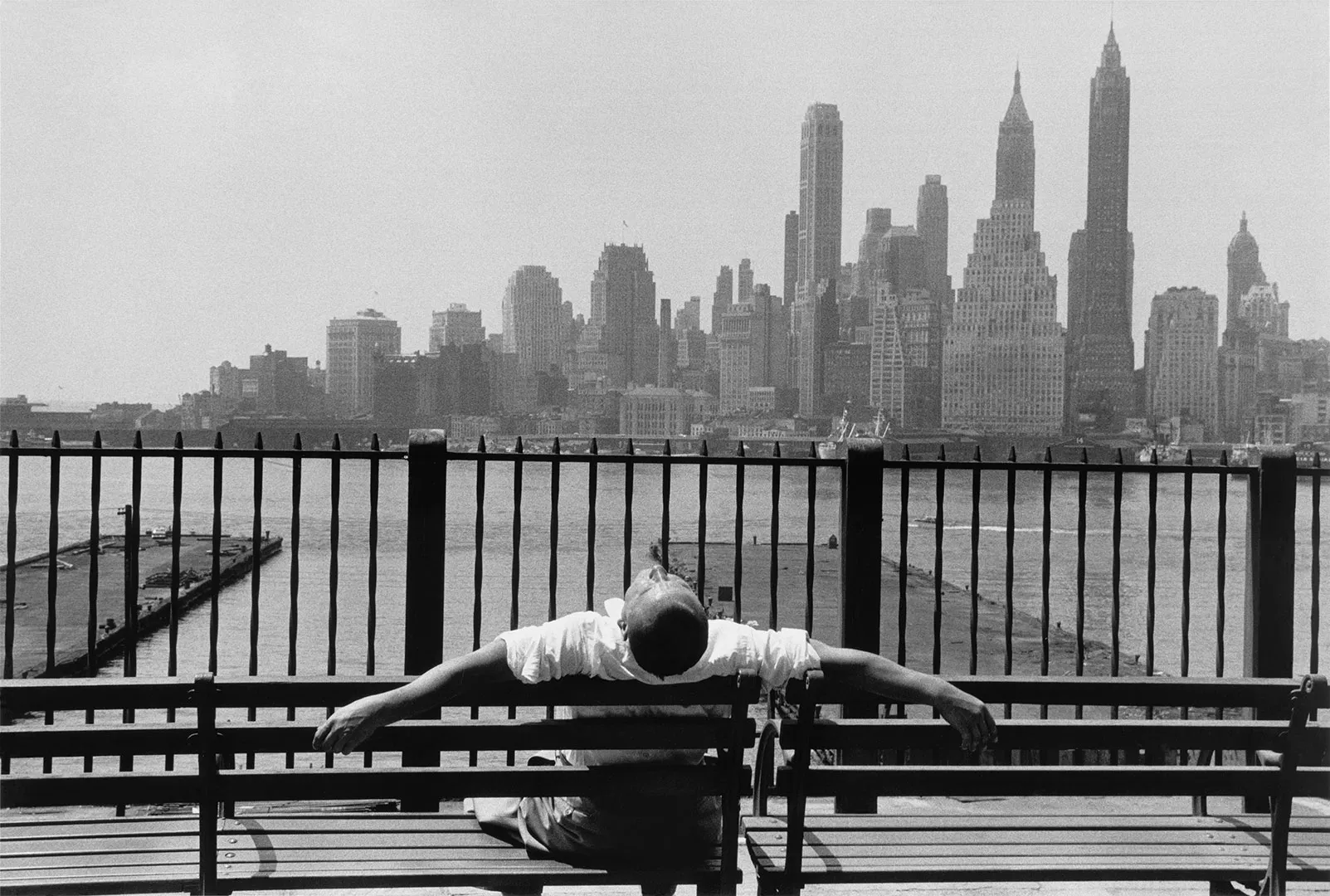
His legacy isn’t loud; it is lasting. Like his best photographs, it lets the image have the last word. Ultimately, that was the core of his work. Stettner trusted the photograph to do what words could not. He believed that the image, when made with honesty and attention, could carry its own authority. His work does not ask to be explained. It asks only to be seen, and felt.
“A photograph should always have the last word. Surrounded by silence, it should by its presence dominate all those who look at it. Even the photographer should keep quiet. The picture taken, his work is done.”— Louis Stettner
All images © The Louis Stettner Estate