

“Our modern world is based on the existence of energy.”
In The Mineral Age, the latest project by German photographer Tom Hegen, explores the vast and often hidden landscapes that fuel the global shift to renewable energy.
For over a century, human progress has been fuelled by coal, oil, and gas — energy sources that propelled us into an age of unprecedented growth and comfort, but also one of serious ecological peril. The carbon-rich foundations of modern civilisation have pushed the planet to the brink of crisis, sparking an urgent global effort to decarbonise. Yet this new industrial revolution — driven by the promise of clean energy — brings its own hidden costs.
German photographer Tom Hegen, has long documented the impact of humans on our planet and for his latest project he turned his gaze to the places on earth that power this transition. Through his signature aerial perspective, Hegen explores the places where the minerals essential to renewable technologies — nickel, lithium, cobalt, and rare earth elements — are mined and refined. His images reveal both the awe-inspiring scale and the devastating impact of extraction in a world racing to reinvent itself.
For Hegen, it is a project that represents the latest chapter in his long-standing focus. He has spent the past decade chronicling the human footprint on Earth’s surface, working from aircraft, drones, and hot-air balloons to capture the geometric scars of agriculture, mining, and industrial production, translating them into compositions that blur the line between documentary and abstraction. His work, which has been exhibited and published internationally, is grounded in the belief that to understand our time, we must first confront the traces we leave behind.
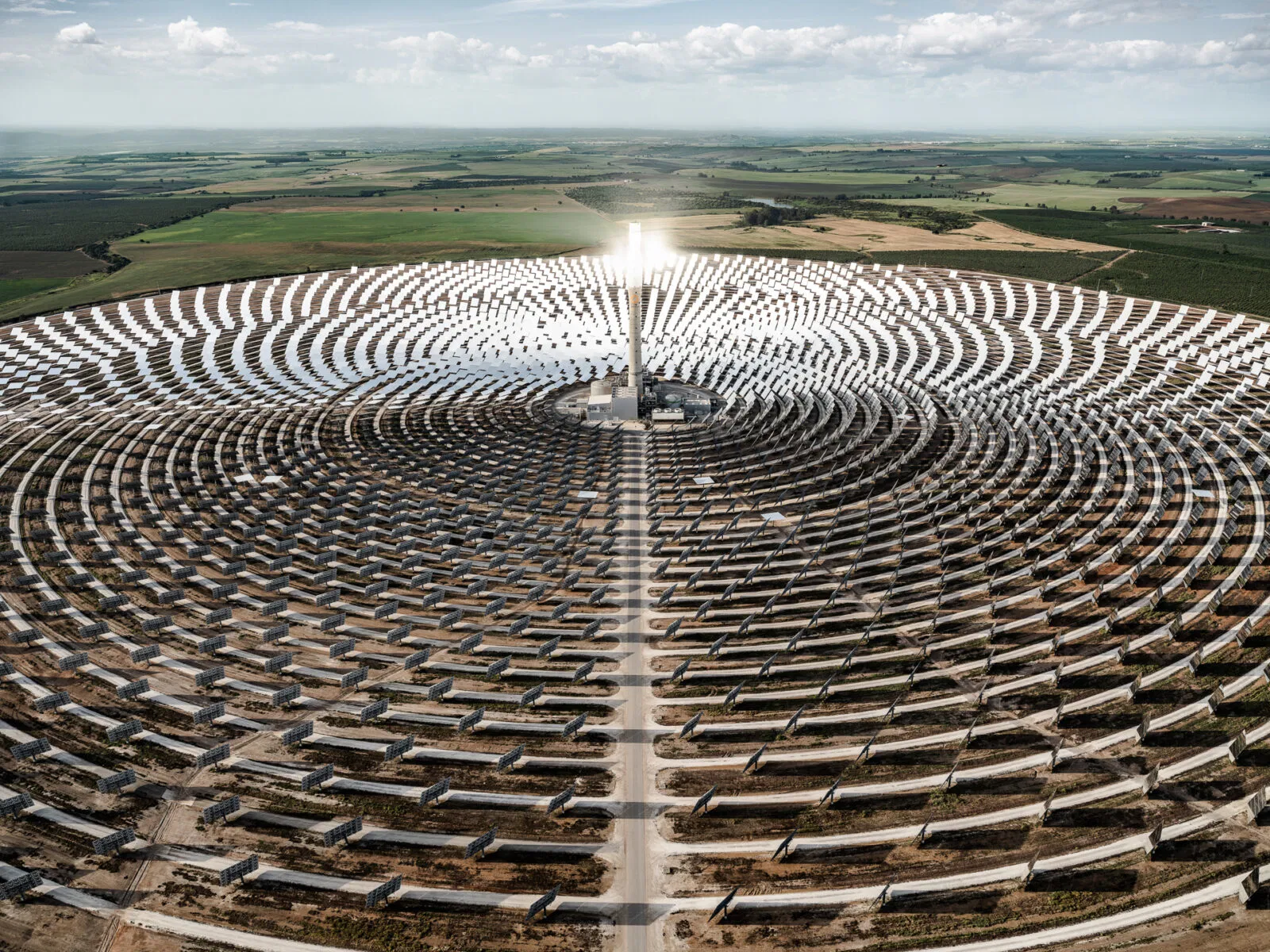
“I’ve always been fascinated by how our actions are reshaping the geological and ecological systems of the planet,” he explains. For Hegen, landscape photography is no longer about untouched wilderness, but about the spaces where human and natural forces collide. “I see myself as an observer,” he says, “documenting what we, as a species, have made of the world.”
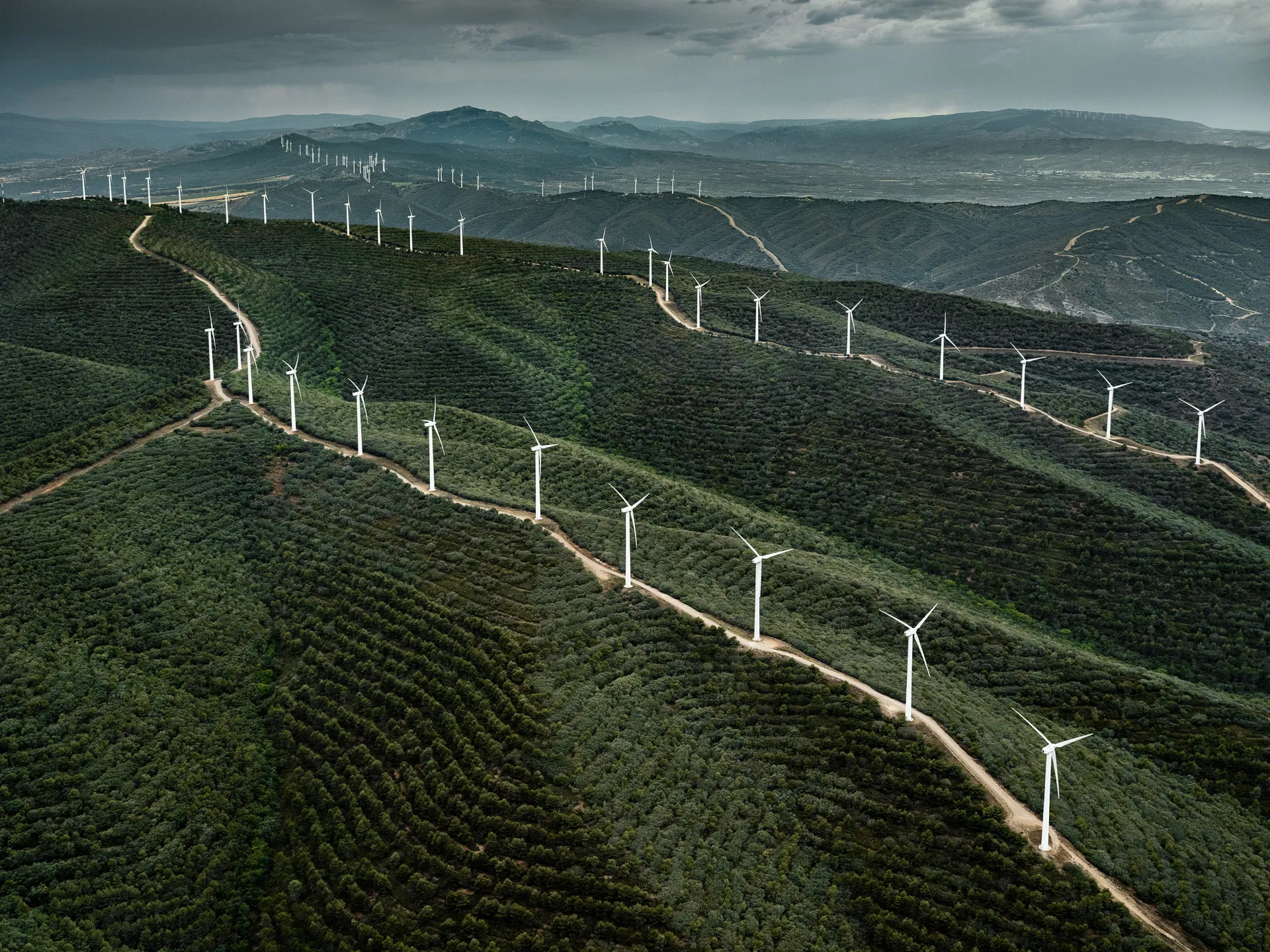
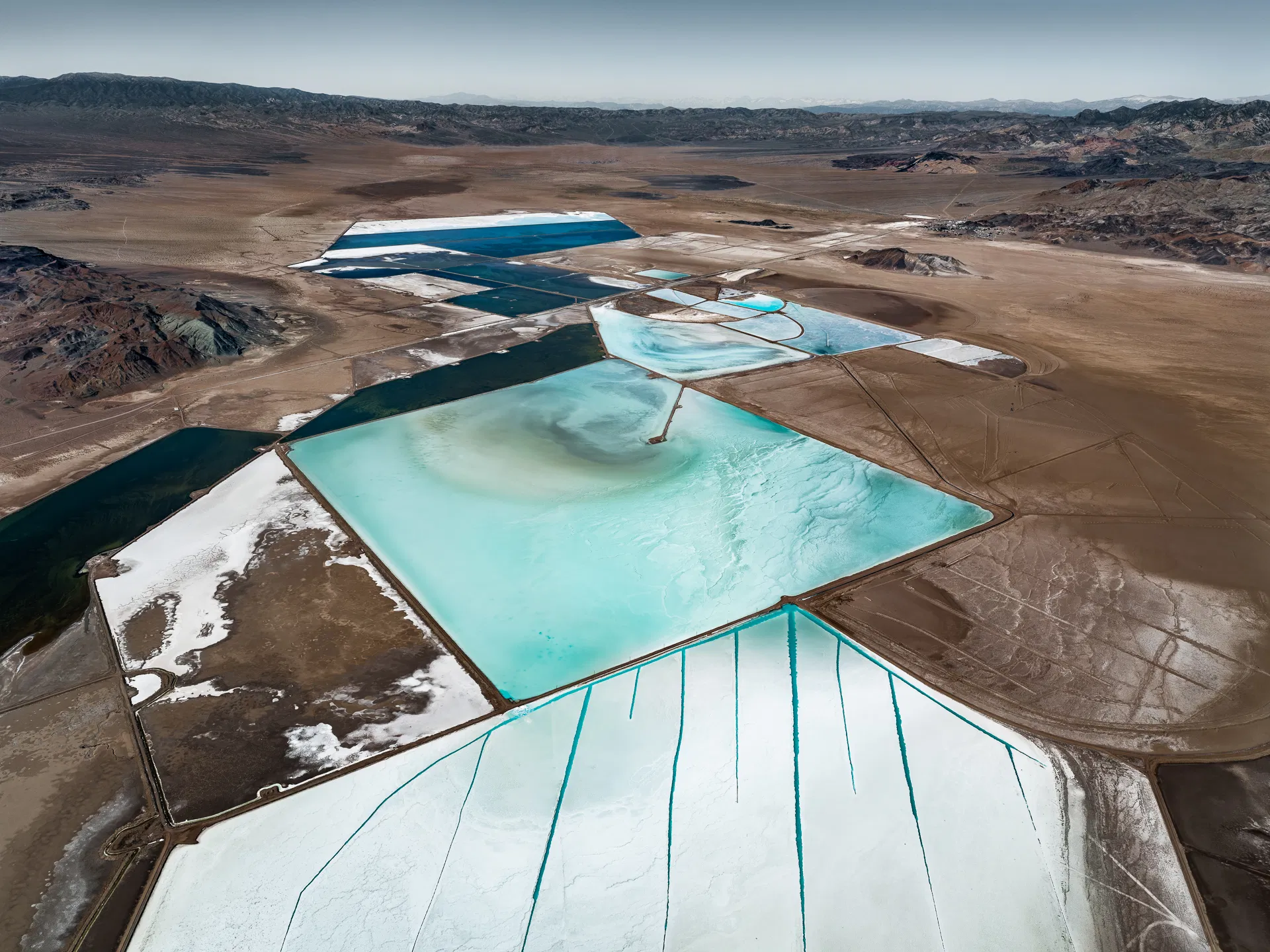
Developed over five years, The Mineral Age extends this inquiry to the frontlines of the so-called green revolution. “Our modern world is based on the existence of energy,” Hegen notes. “Yet the often-overlooked story behind the transition to renewables is the immense demand for minerals like nickel, lithium, cobalt, and rare earth elements — materials essential for building the very technologies that enable green energy, from batteries to the infrastructure of our digital lives.”
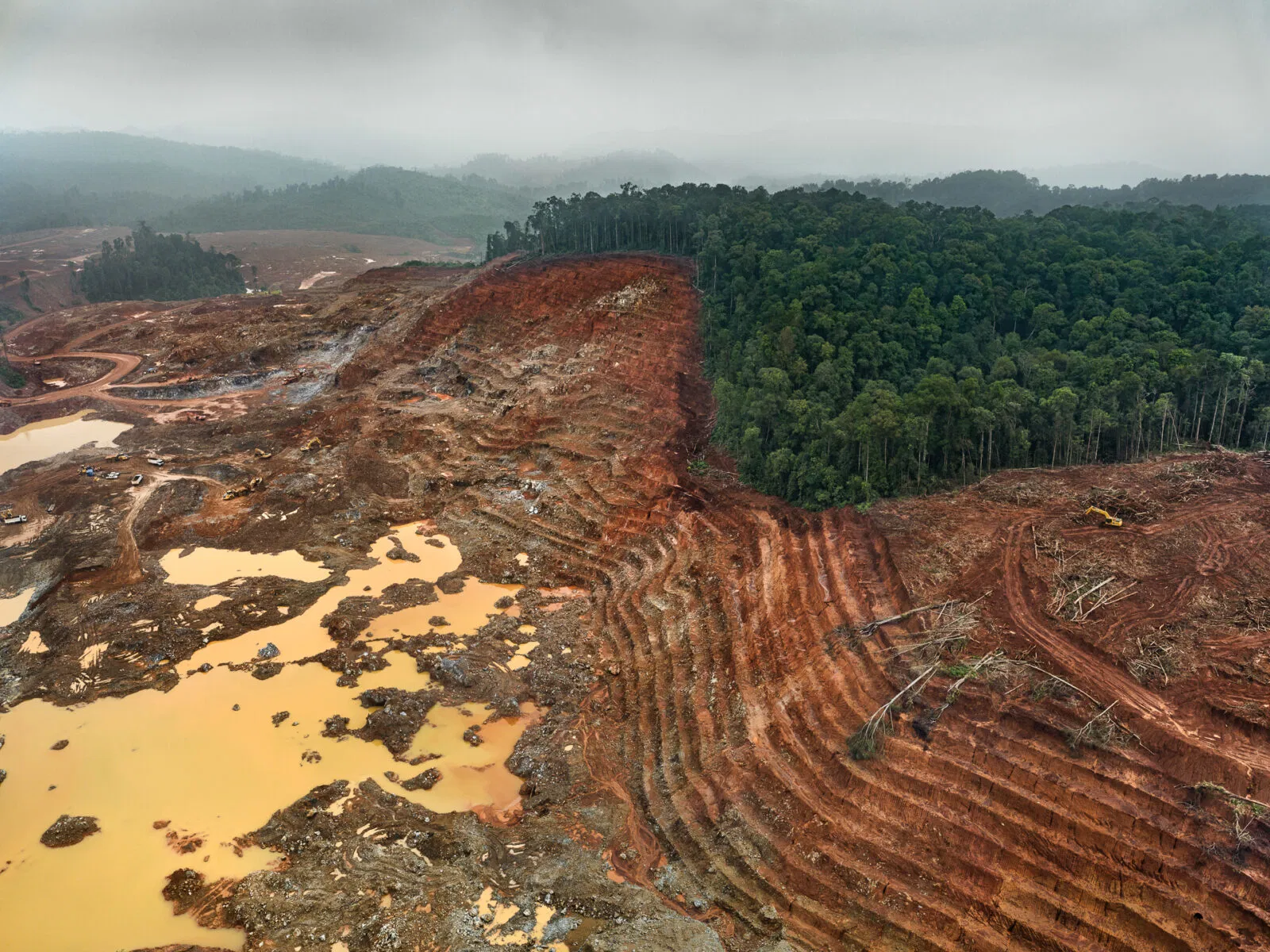
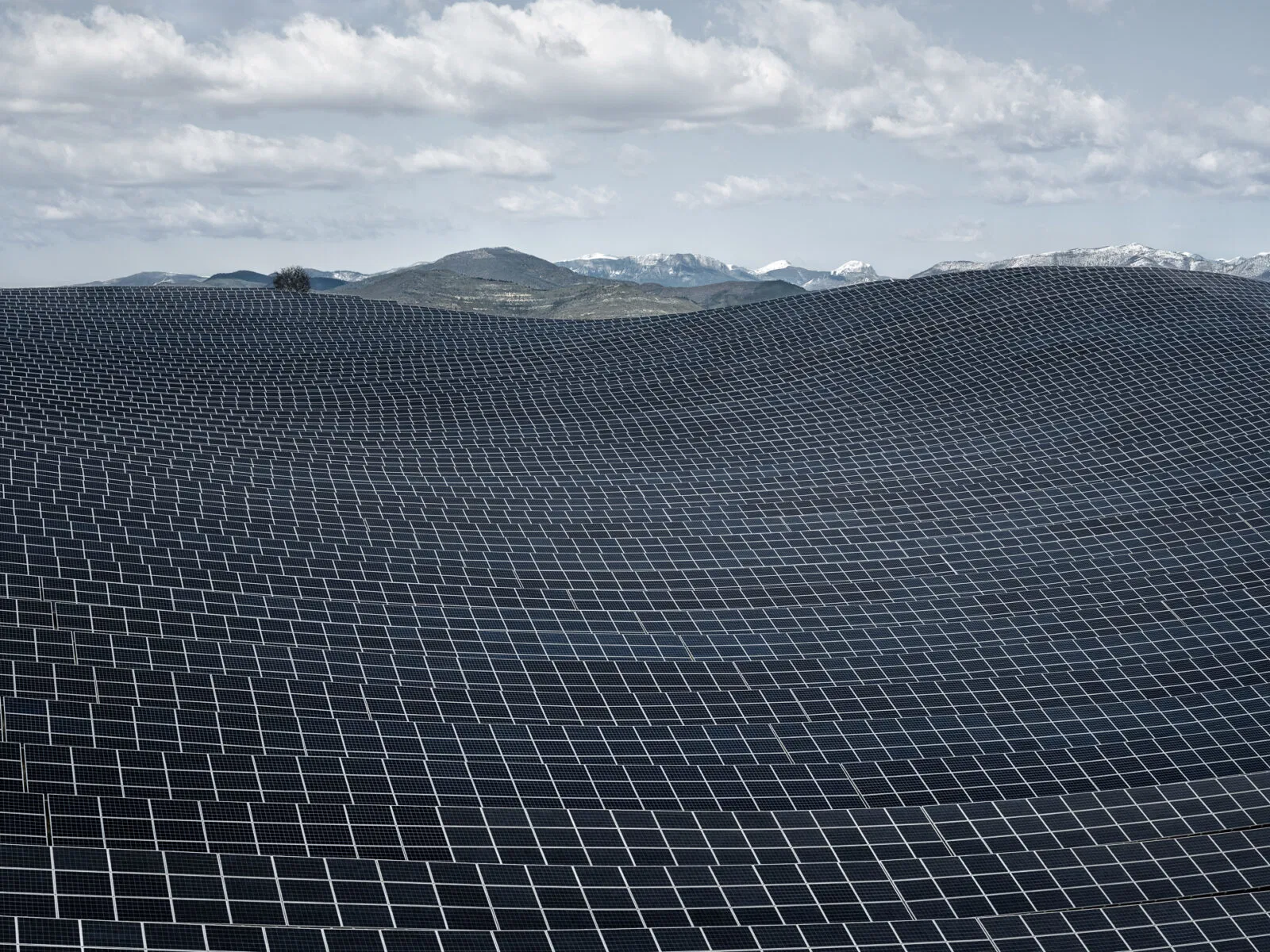
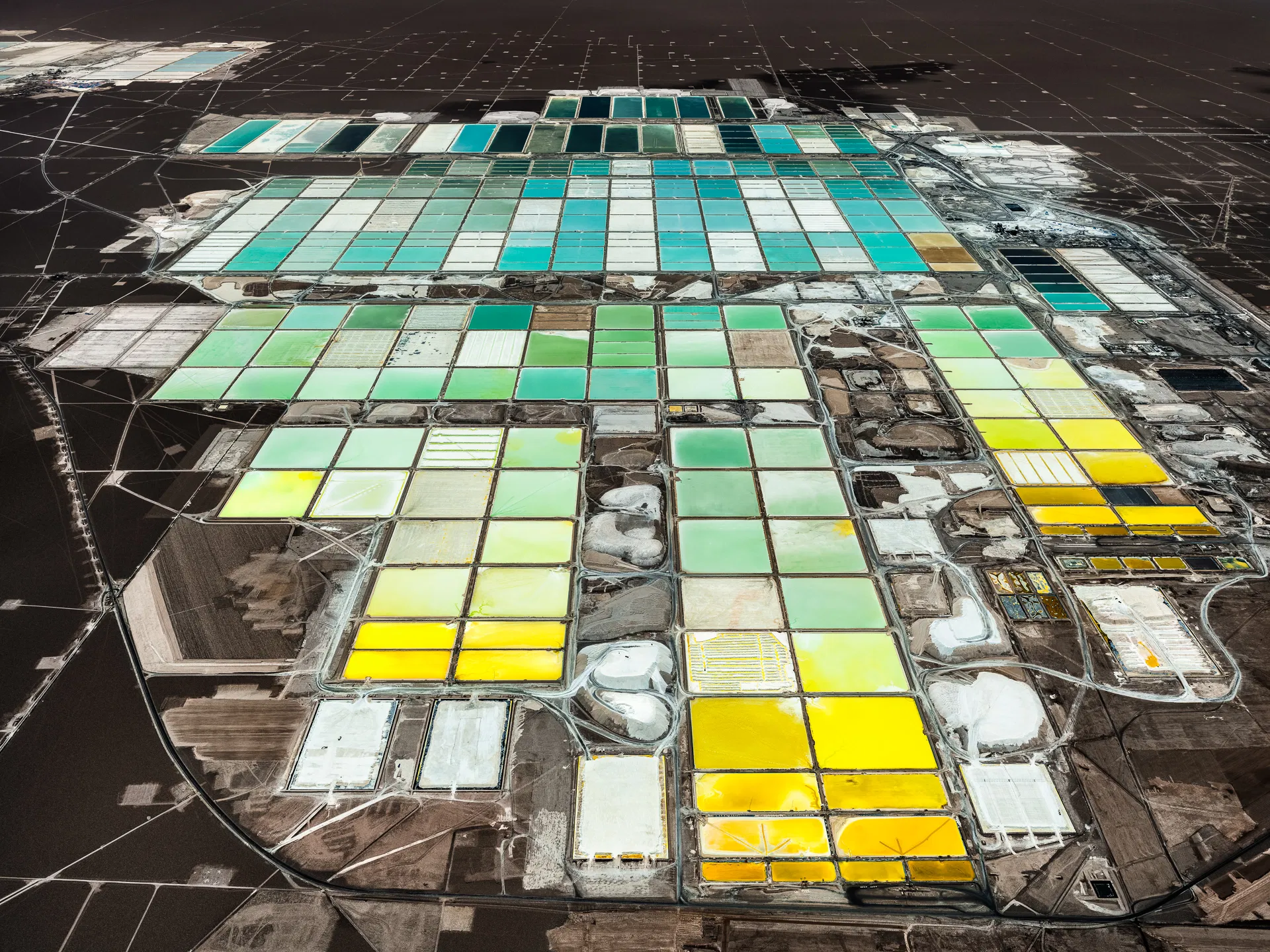
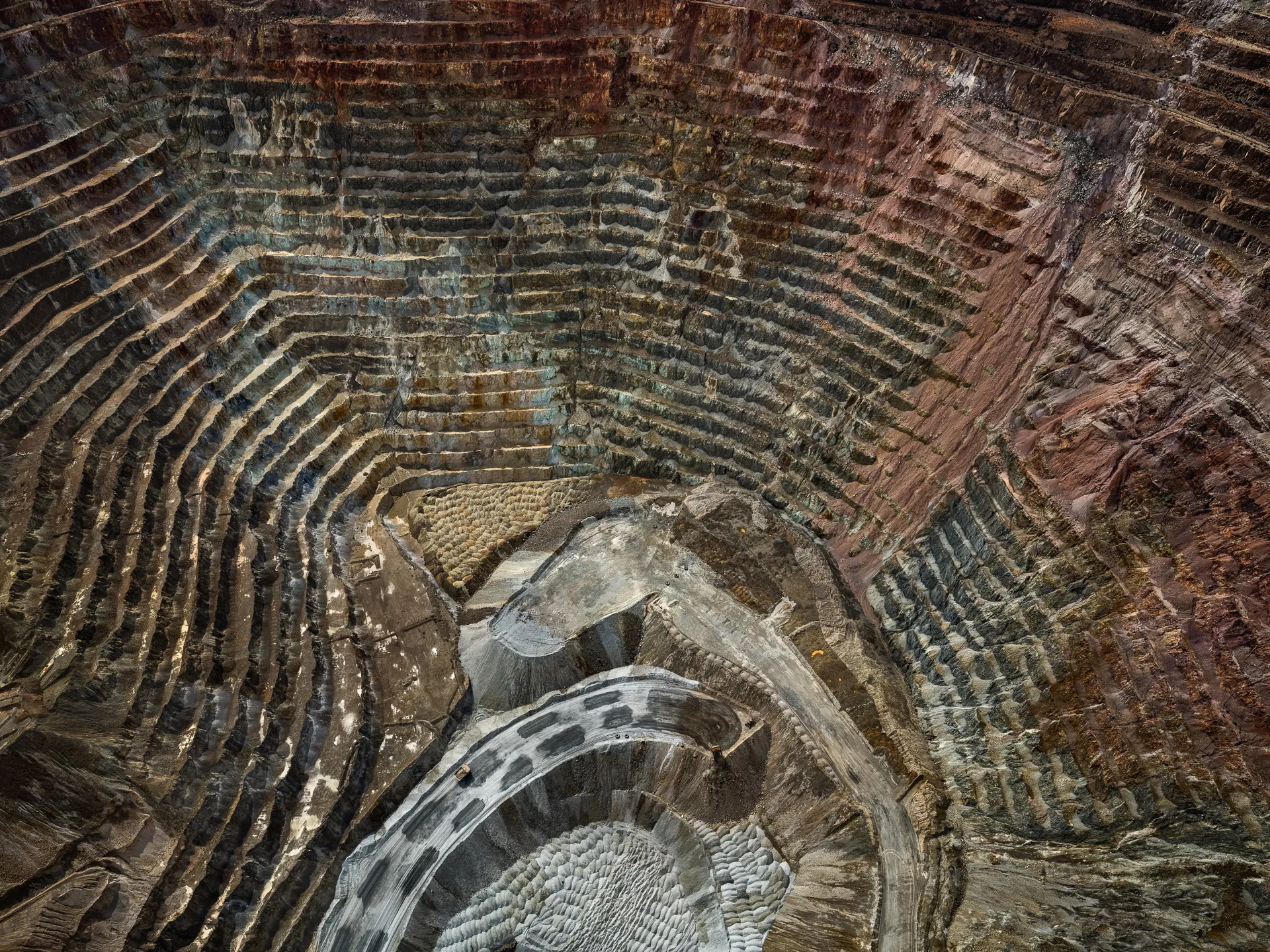
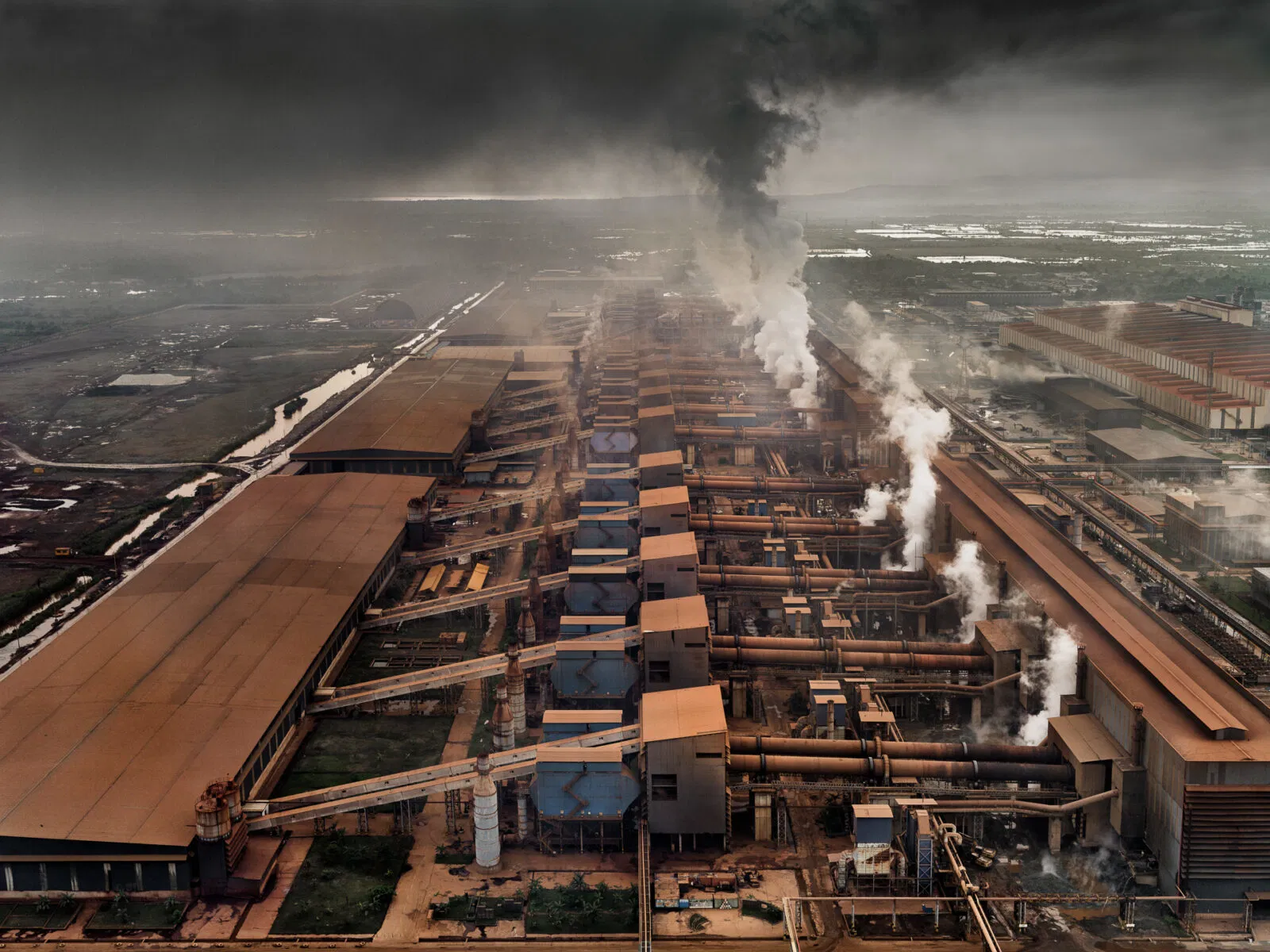
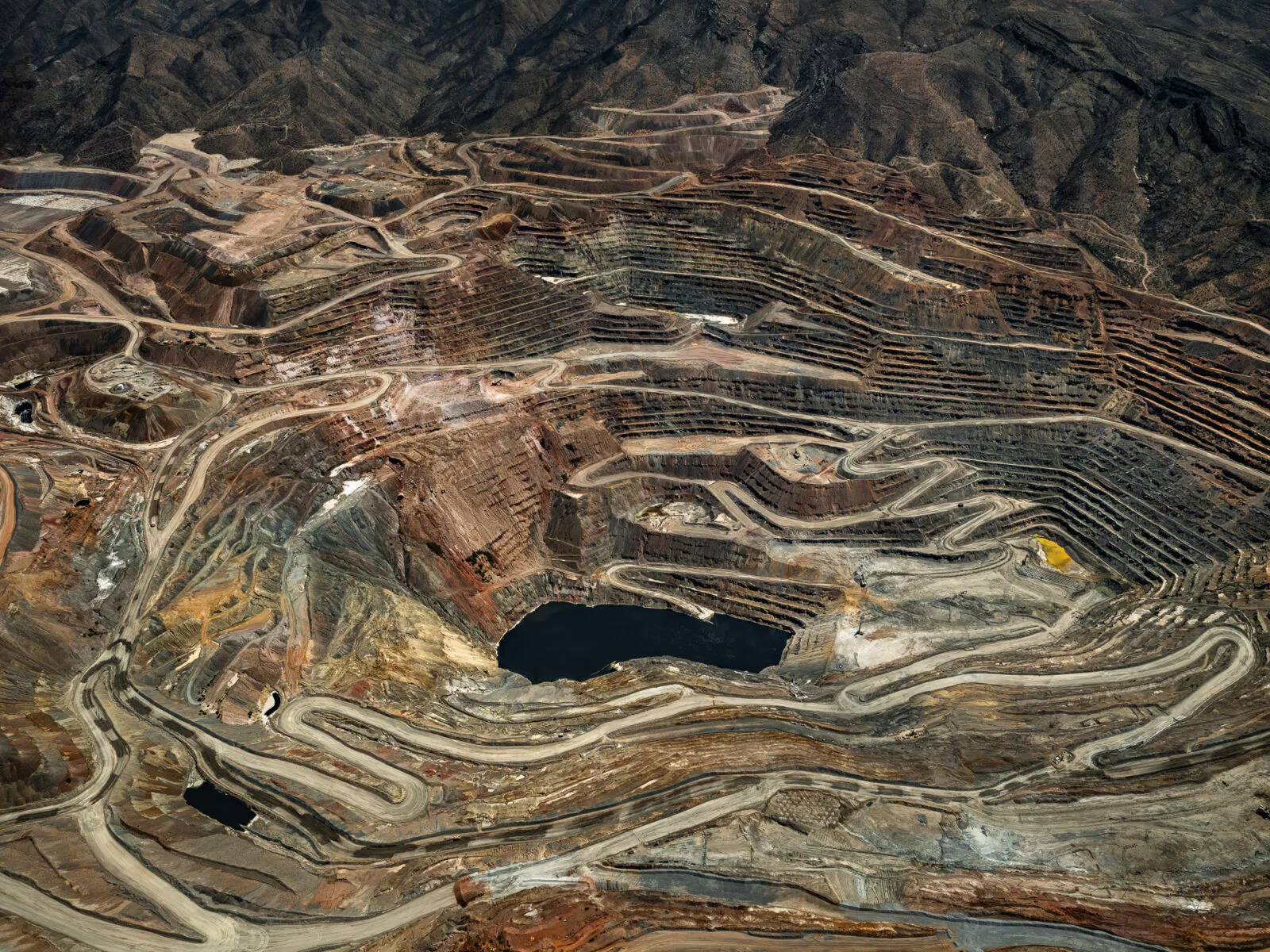
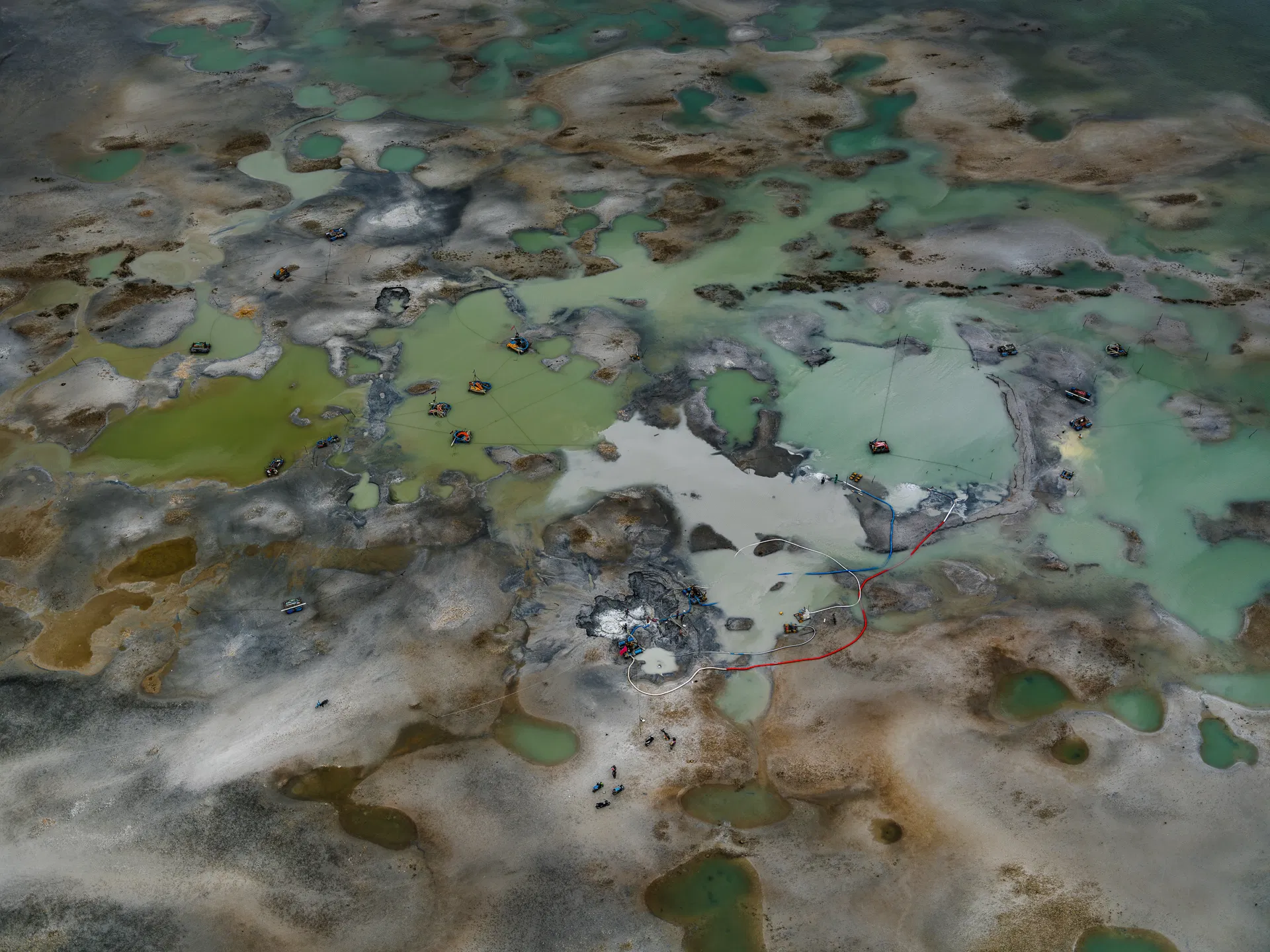
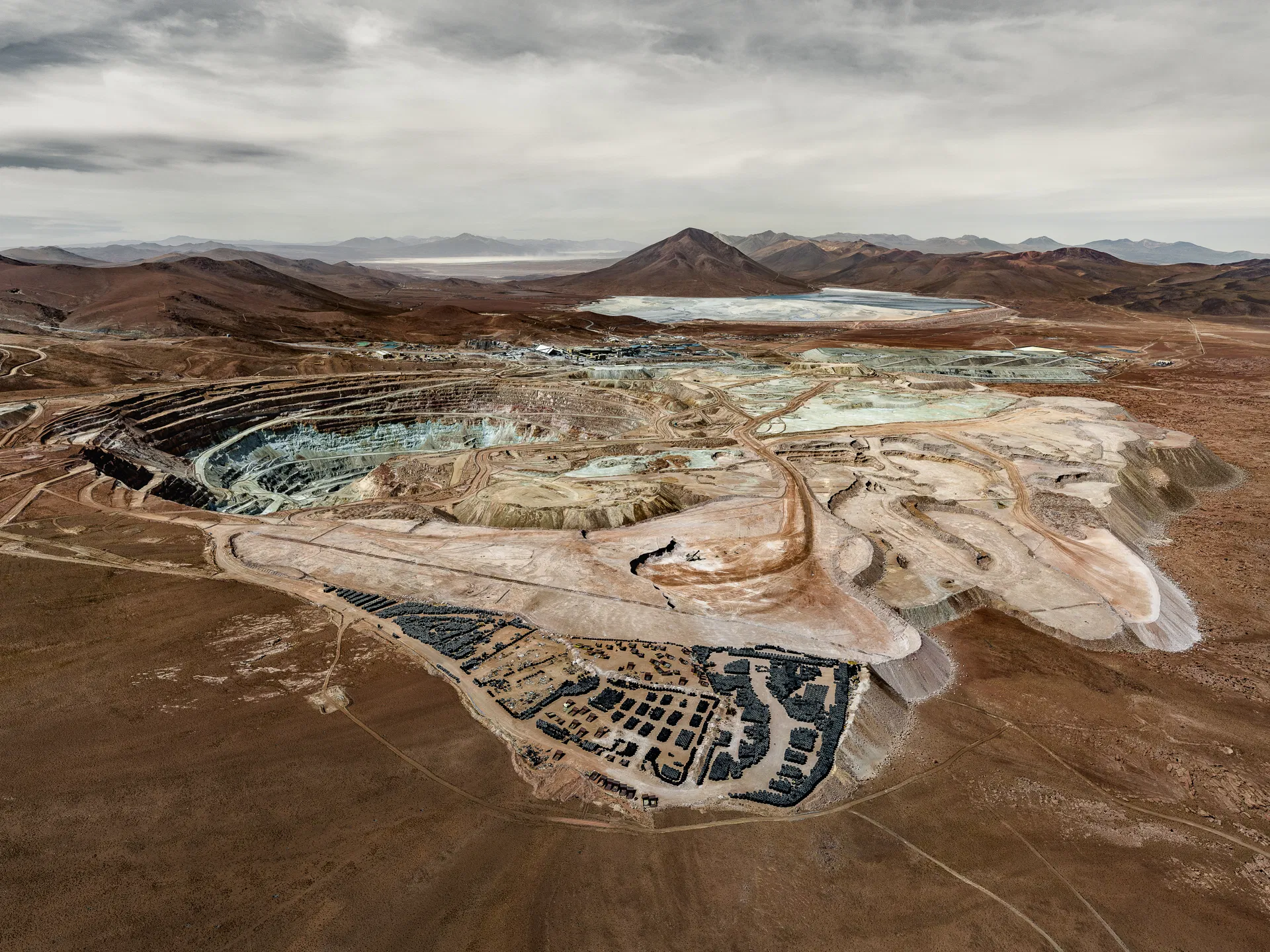
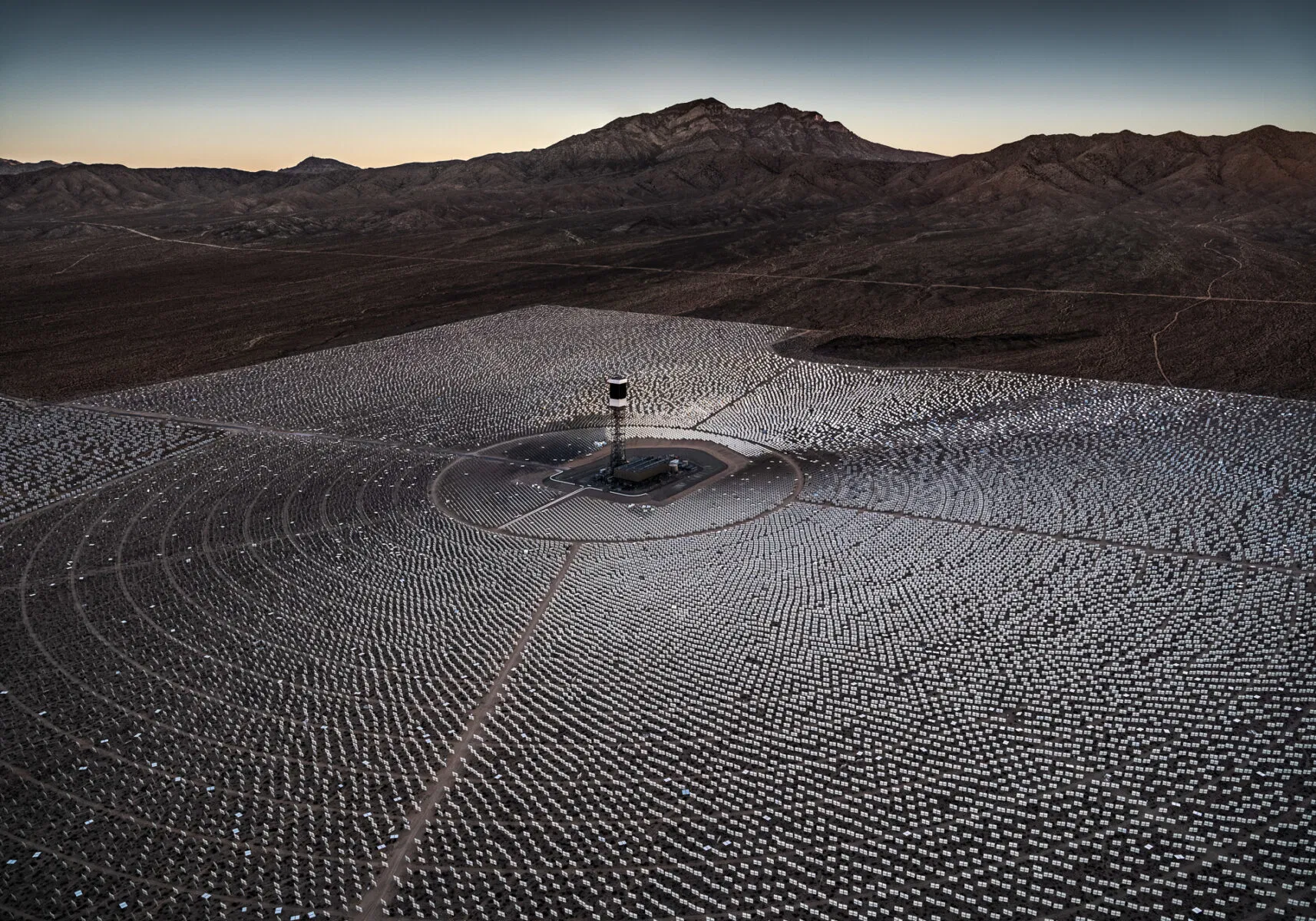
From above, these sites take on a strange, paradoxical beauty: the mirrored expanse of the Ivanpah Solar Power Plant, shimmering against the arid terrain of California’s Mojave Desert; the turquoise evaporation ponds of Chile’s Atacama Desert, glowing with concentrated lithium; the fractured, rust-coloured terrain of Arizona’s Ray Copper Mine; and the bleached clearings of nickel extraction sites in Indonesia, where deforestation creeps ever outward. Each image tells a story of progress entangled with depletion.
What becomes clear through Hegen’s images is that the green transition is not evenly distributed. “The Global North is the primary consumer of minerals that are largely extracted in the Global South,” he explains. “I recently returned from Bangka, an island in Indonesia that produces most of the country’s tin — a crucial material used as solder on circuit boards in our smartphones and computers. Much of this tin is mined illegally by artisanal miners, both on land and increasingly in the ocean, causing devastating impacts on the environment and on people’s health. The real danger is that we are once again exploiting resources from vulnerable countries to sustain our own comfort — keeping our own backyard clean.”
Capturing such immense and often inaccessible sites requires both technical precision and endurance. Hegen relies on heavy-lift drones carrying medium-format cameras, allowing him to render these landscapes in breathtaking detail. “Each flight requires navigating local regulations, weather, and technical challenges,” he says. “But those difficulties bring a certain tension and intensity to the act of creating an image.”
Despite their documentary grounding, Hegen’s photographs maintain an unmistakable aesthetic pull. “I always try to find a perspective that balances abstraction with information,” he explains. “The aesthetic element serves as an invitation — it draws the viewer in through beauty, form, and colour. Then, on a second level, the story unfolds beneath the surface.”
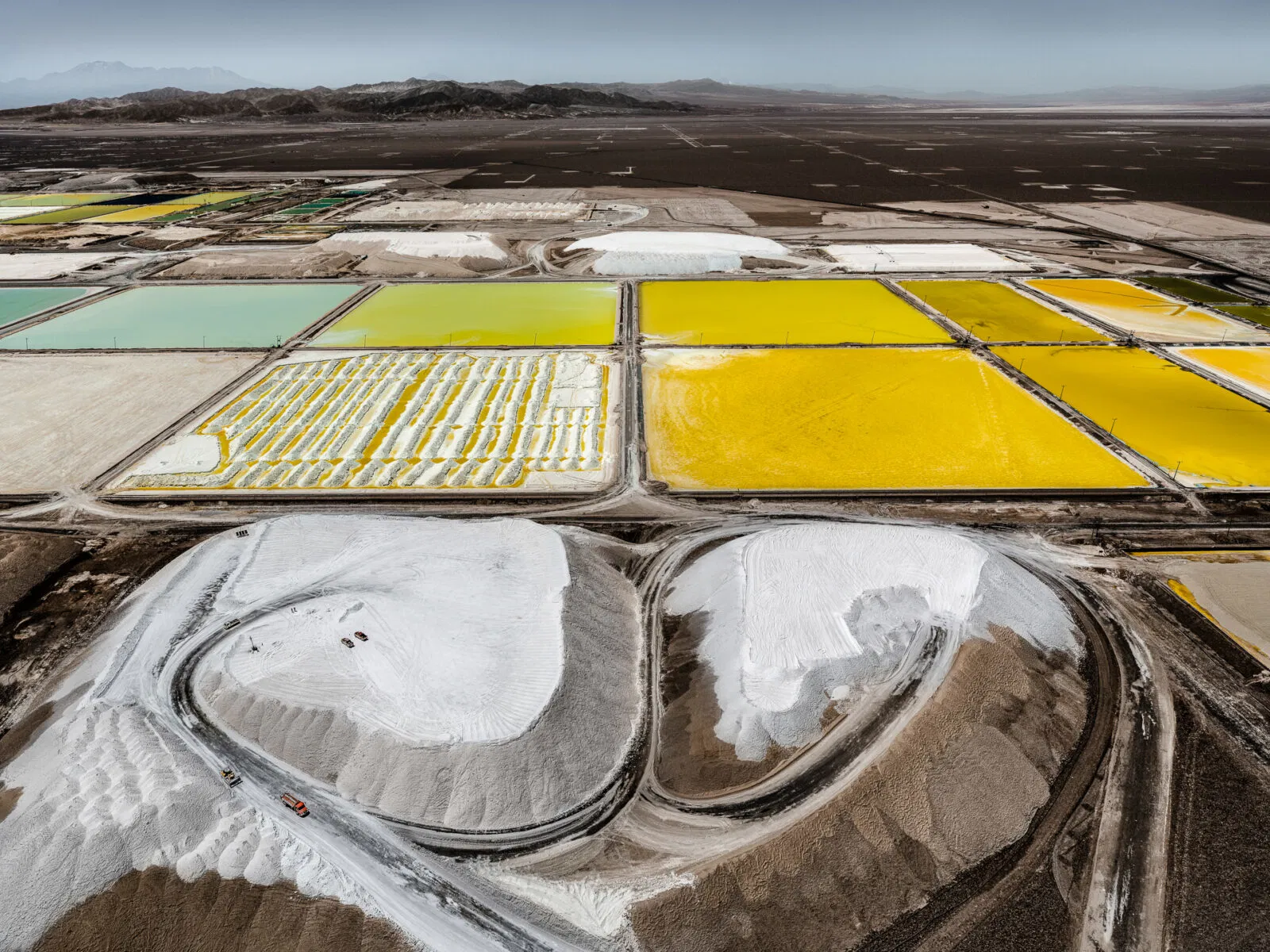
In The Mineral Age is a story of contradictions: innovation and destruction, hope and hubris. It’s a visual meditation on what it means to build a cleaner future while mining deeper into the Earth. “I never wanted to create art for its own sake,” Hegen reflects. “Photography, for me, is a medium to tell stories and spark reflection. Especially today, it’s more important than ever to make work that carries relevance — work that inspires, informs, and encourages awareness.”
Nonetheless, through Hegen’s eyes, the transition towards a renewable world reveals itself not only in smoke and ruin, but in color, geometry, and light; a beauty that both captivates and unsettles, reminding us that every act of progress leaves a trace.
The Mineral Age – Fueling the Future, the photobook, will be published in Spring 2026.
All images © Tom Hegen
You can discover our profile on Tom here.