Konyak and Apatani
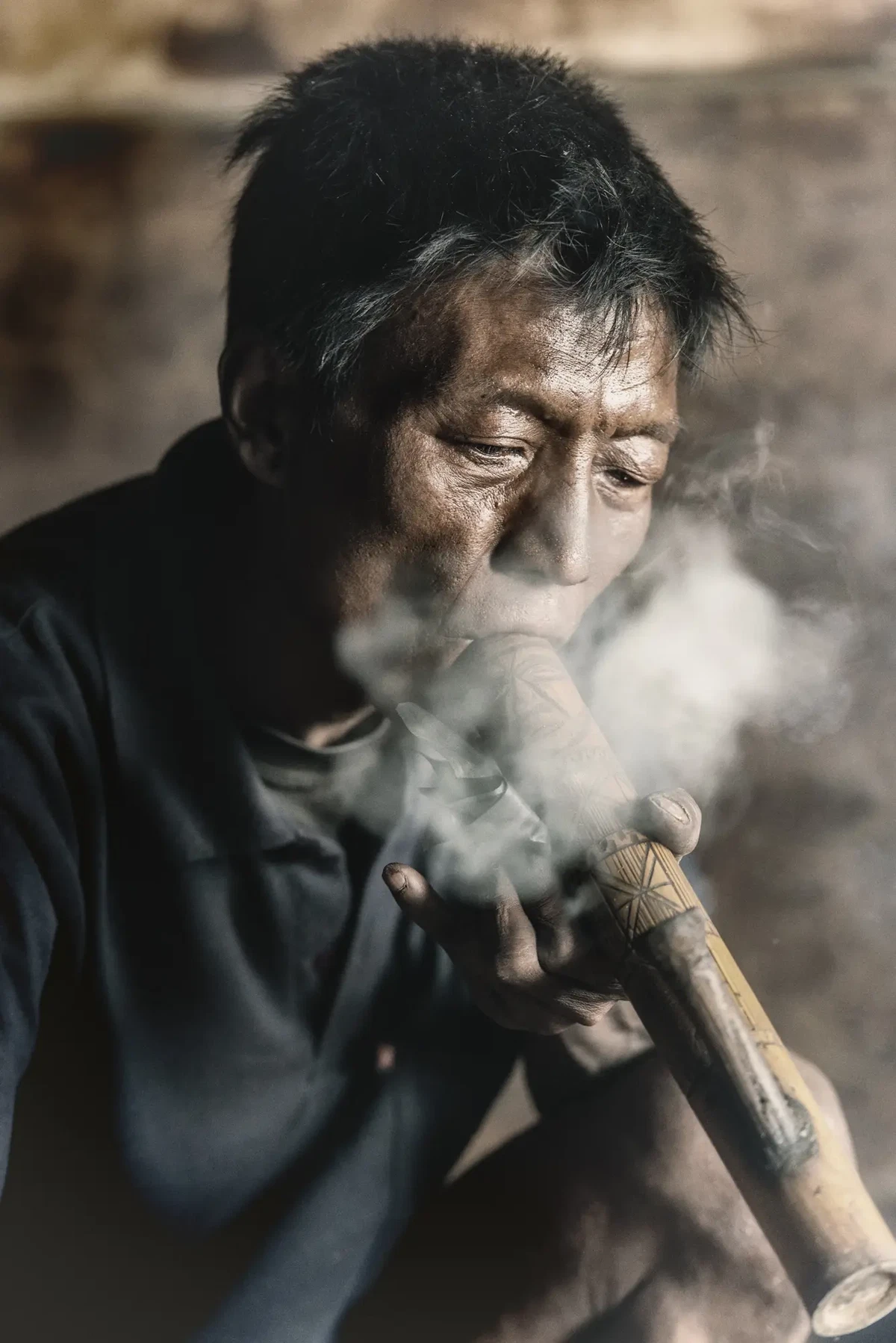
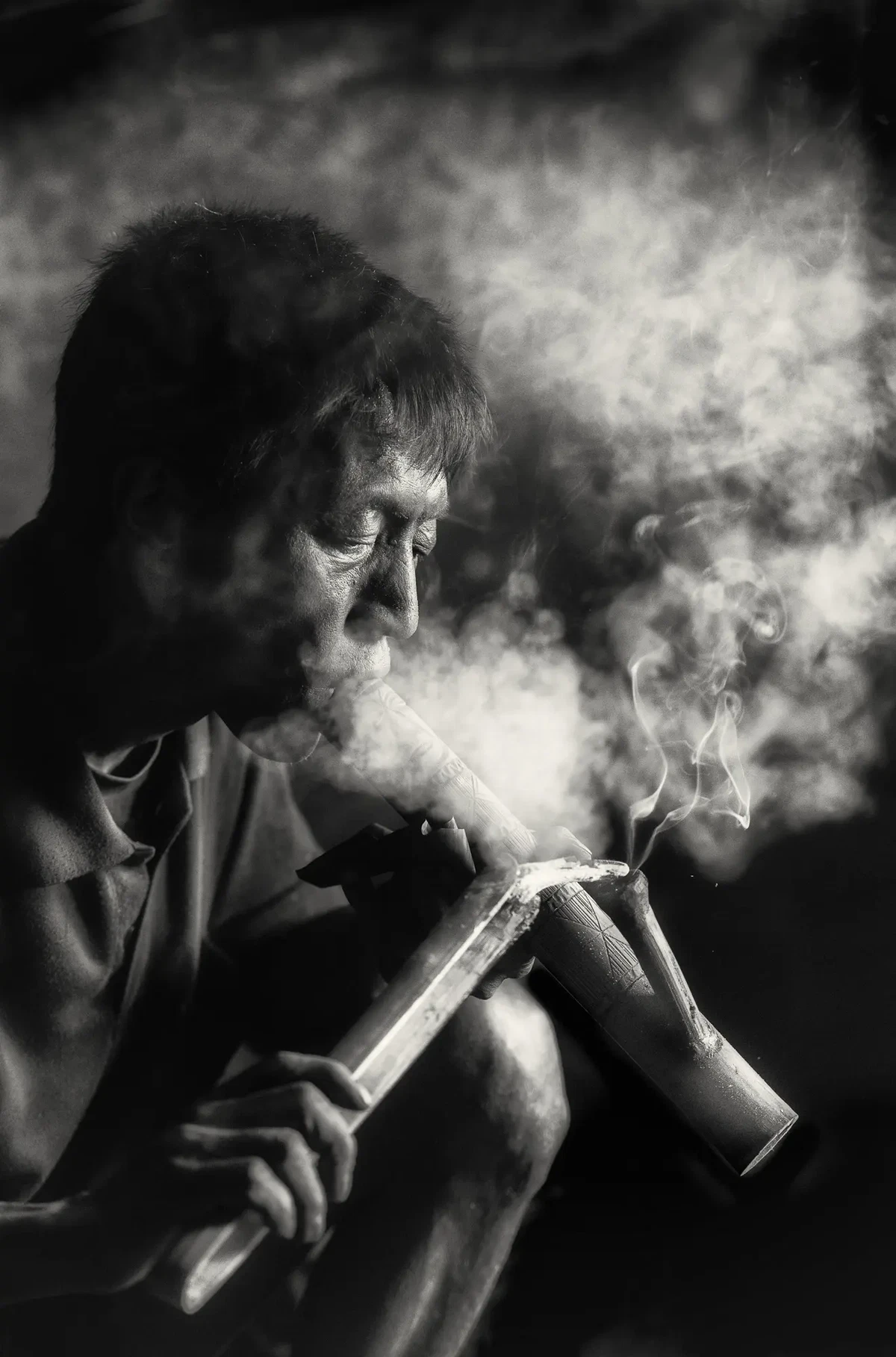
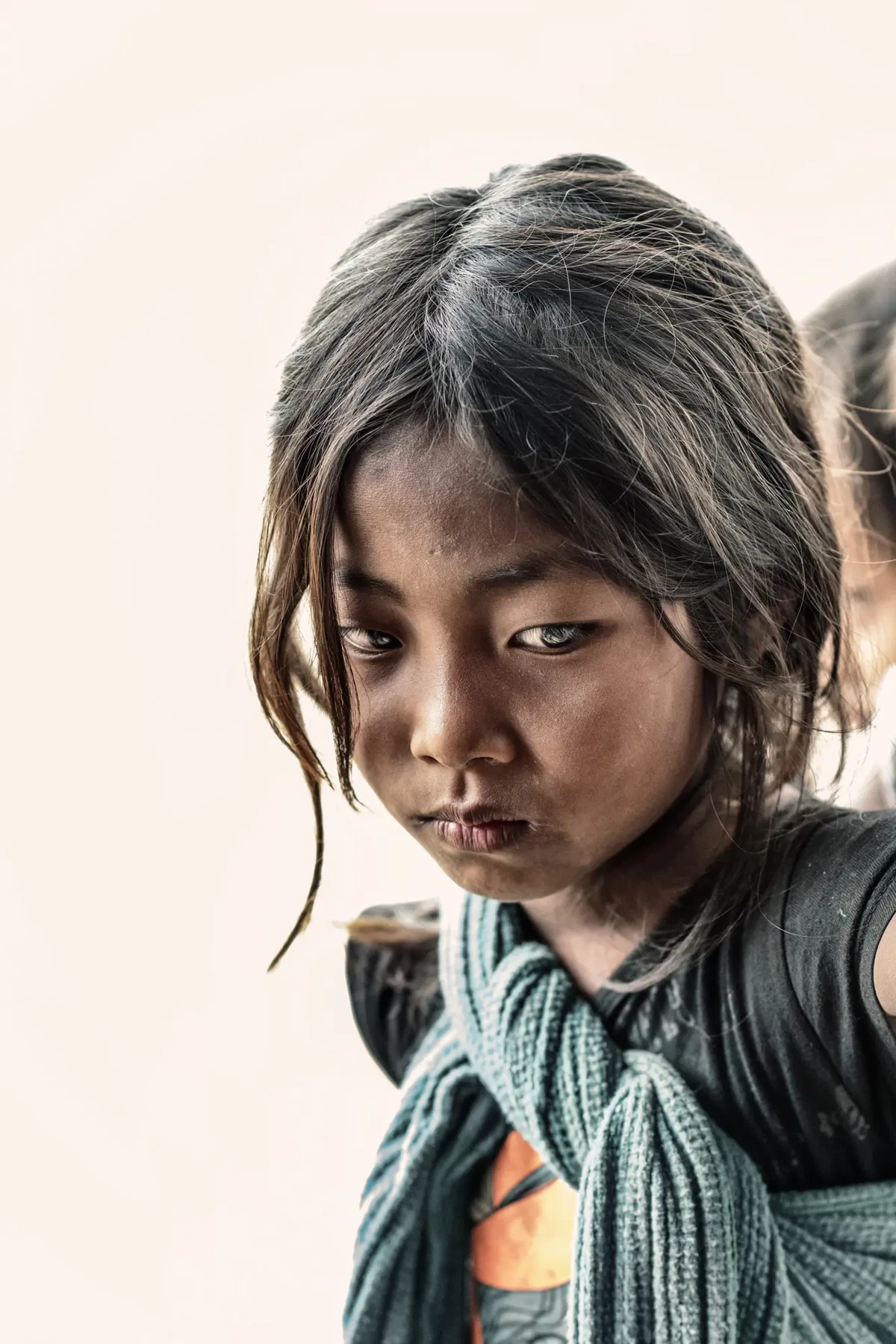
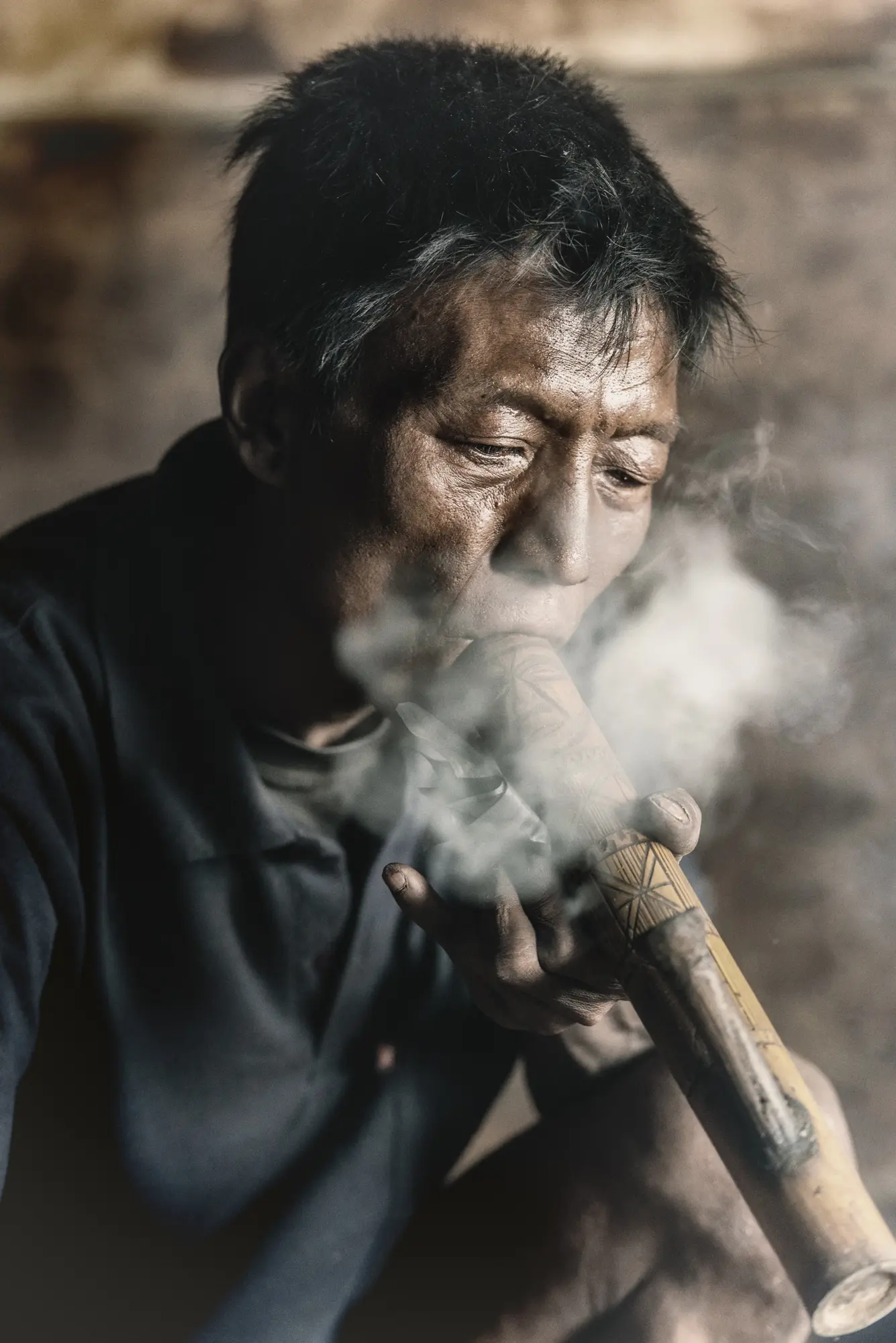
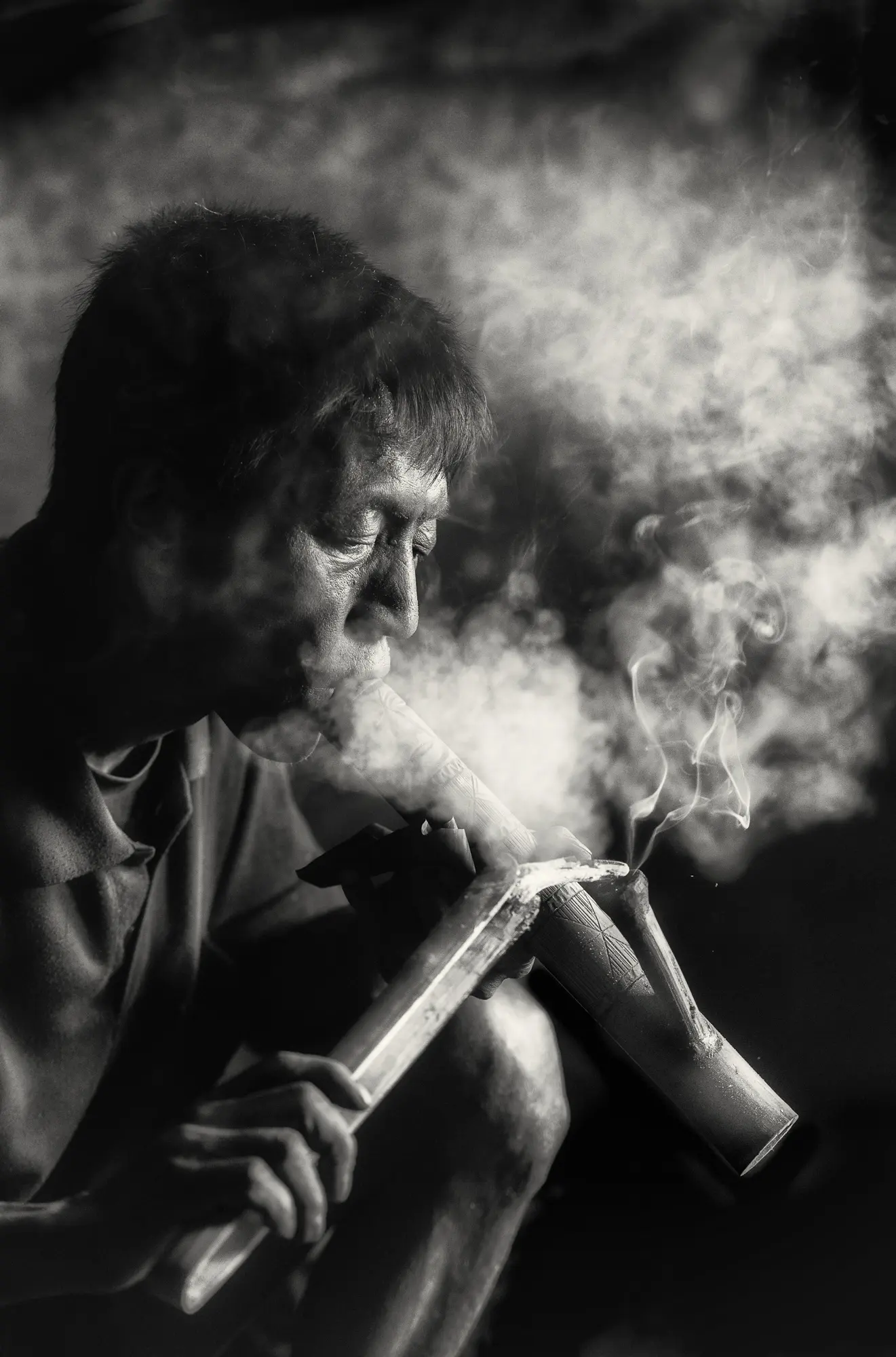
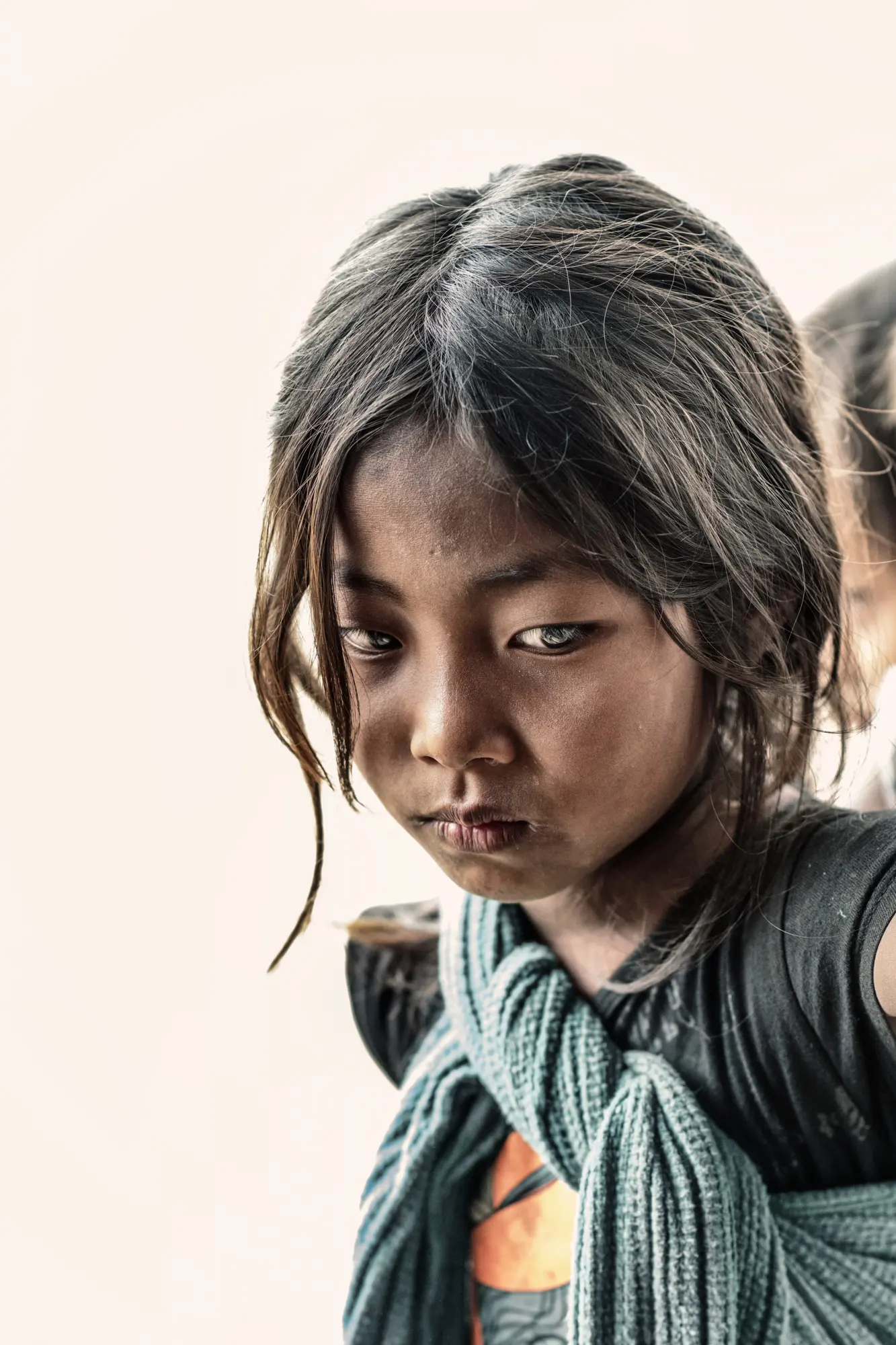
The Konyak of Nagaland and the Apatani of Arunchal Pradesh live in remote areas of North Eastern India. They are Geographically close but tribal groups are often juxtaposed and their cultures evolve in different ways and this is often a result of topographic barriers and this area is mountainous and was, in the past densely forested. It is interesting to observe how so many tribes from similar points of origin come in different waves of migration or from different migration routes but develop different languages, attires and customs independently of one another, despite being in proximity to each other.
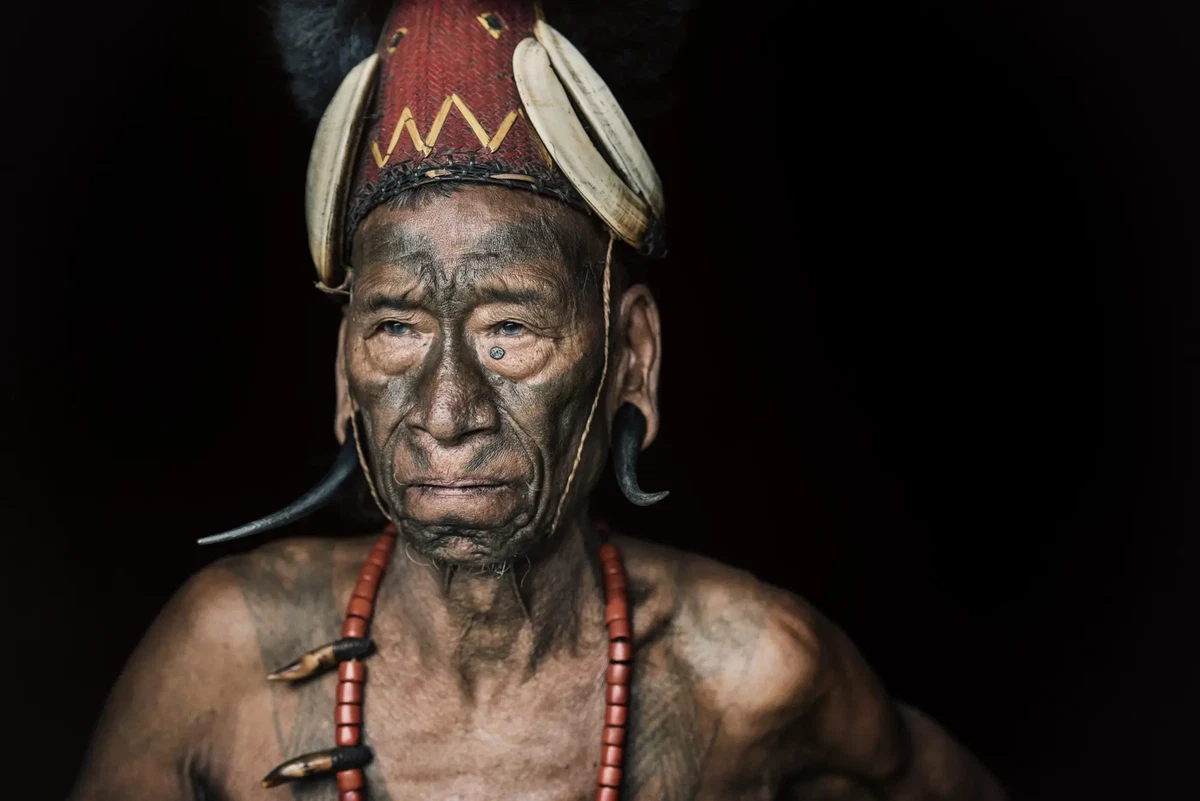
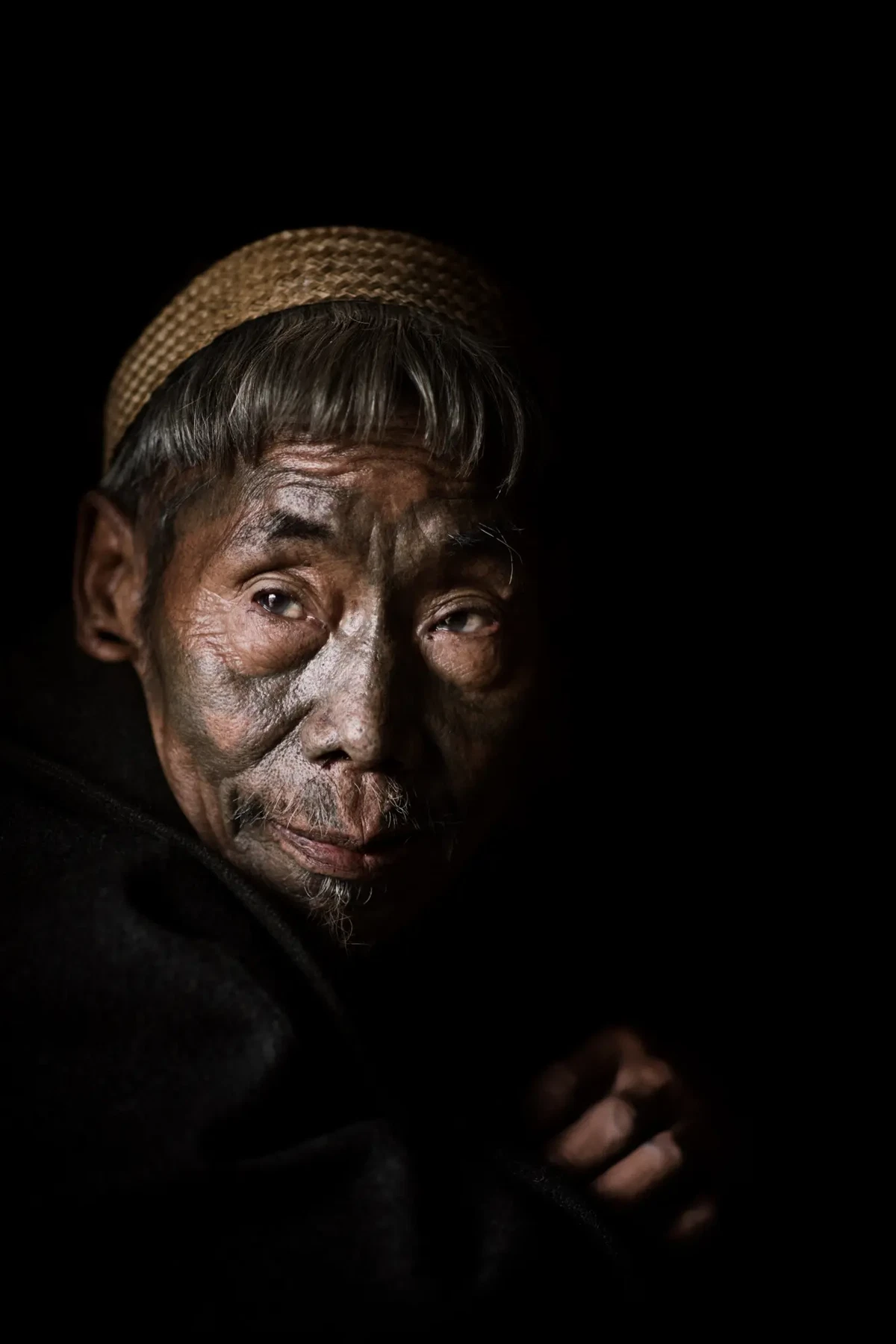
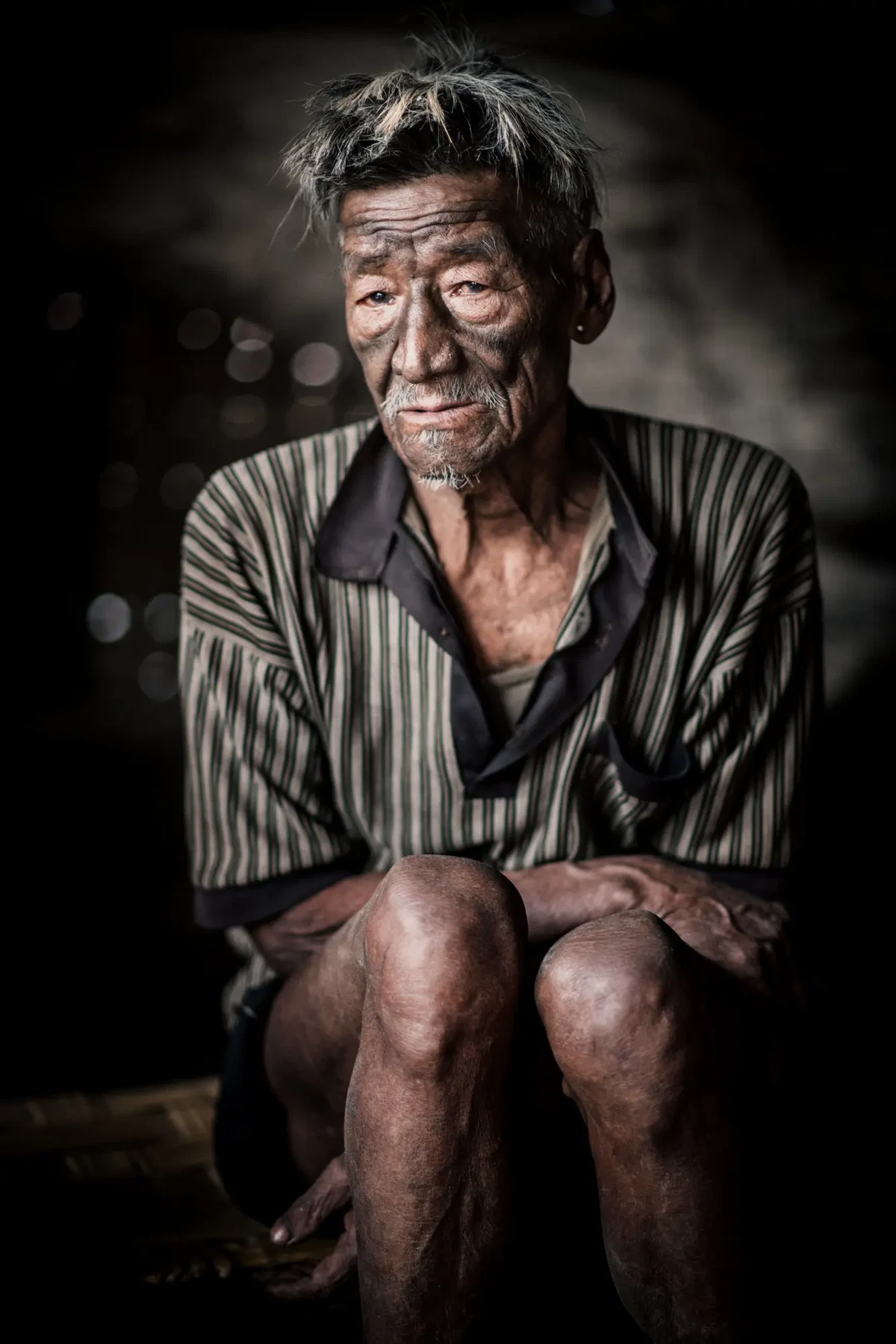
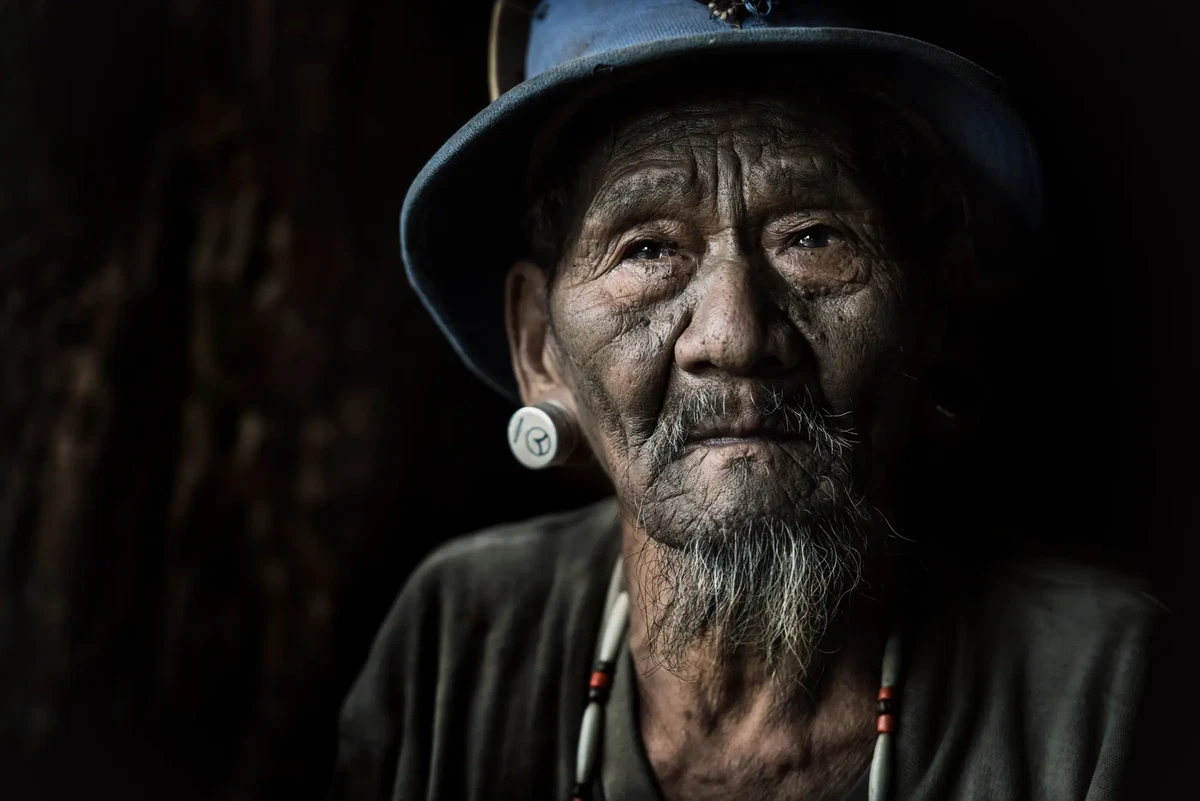
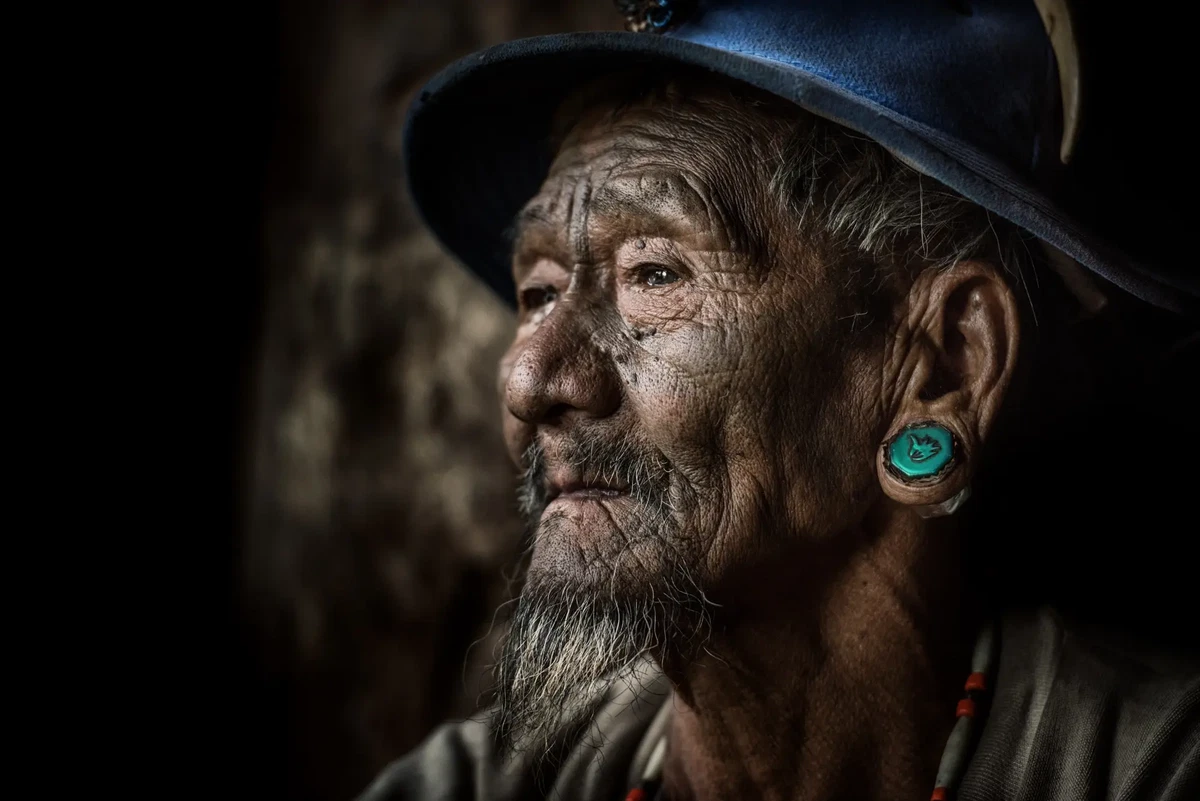
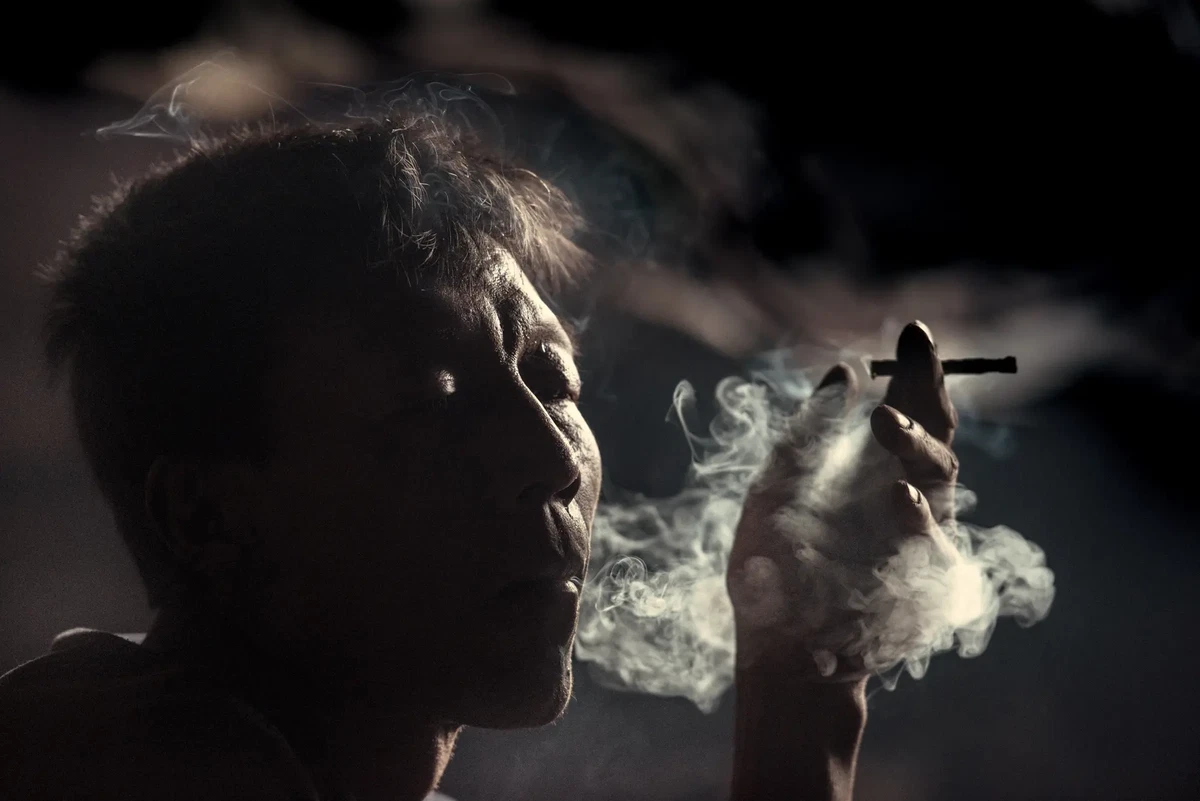
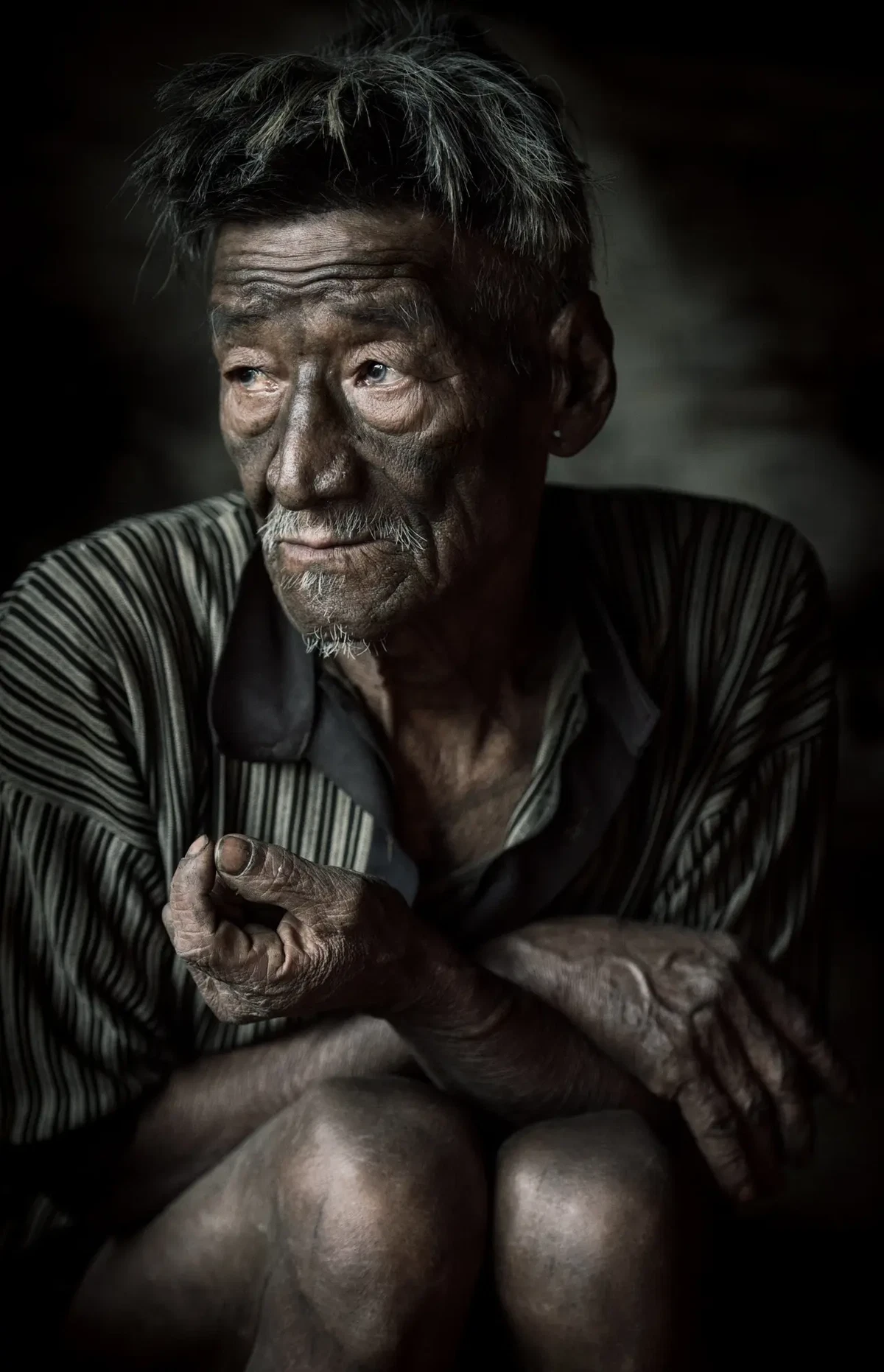
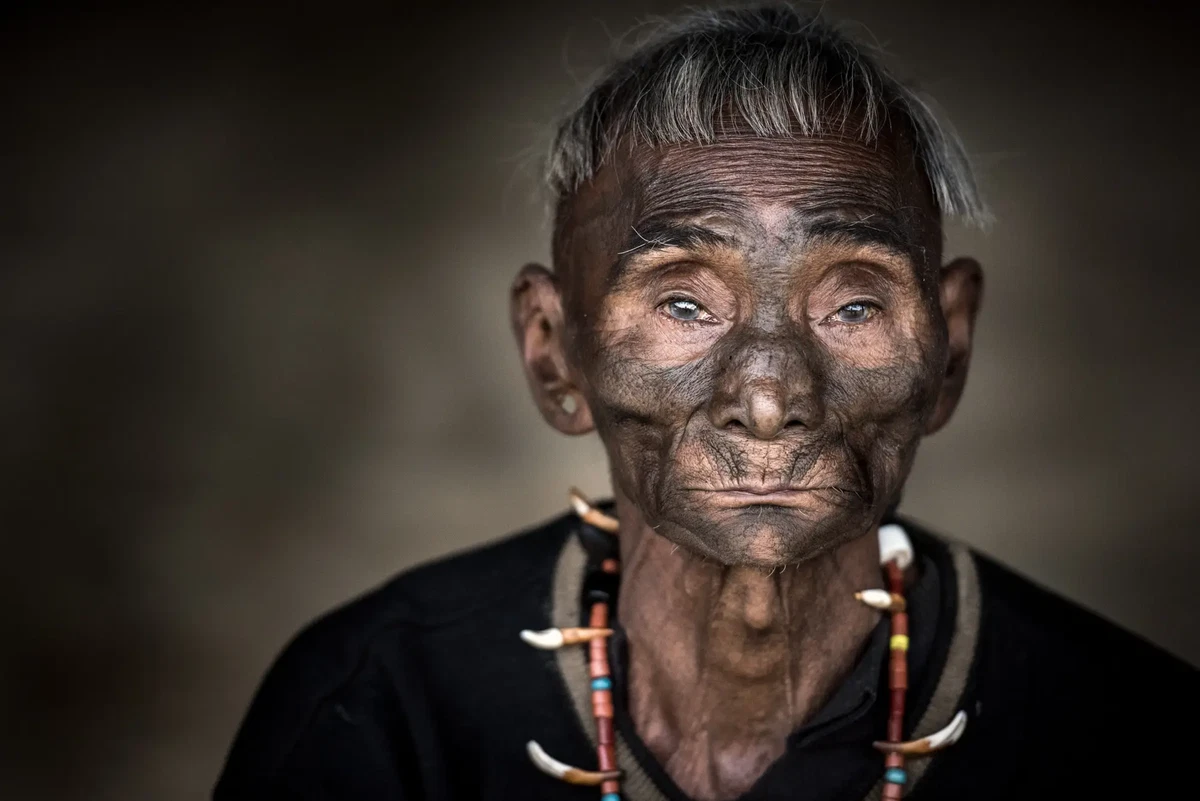
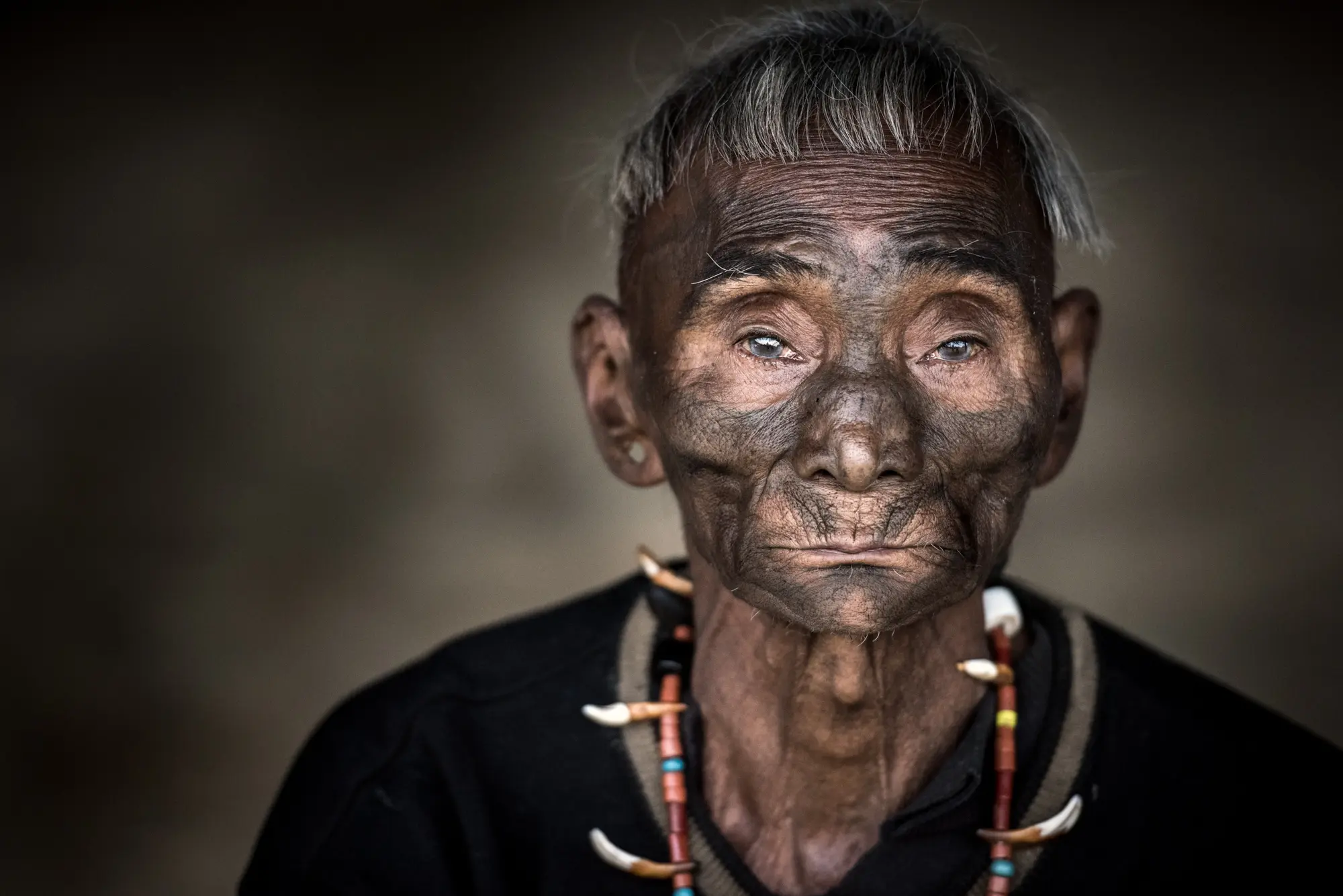
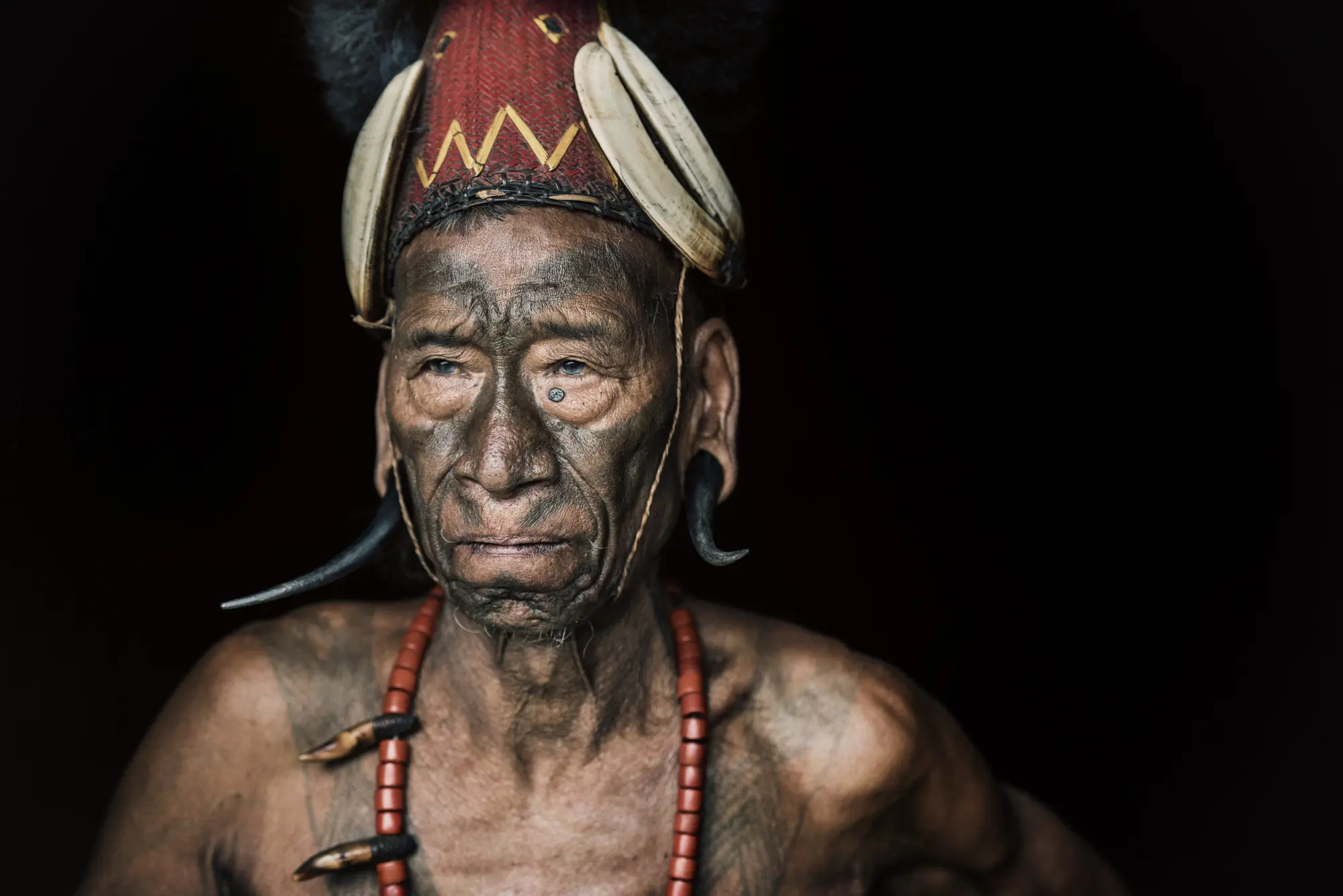
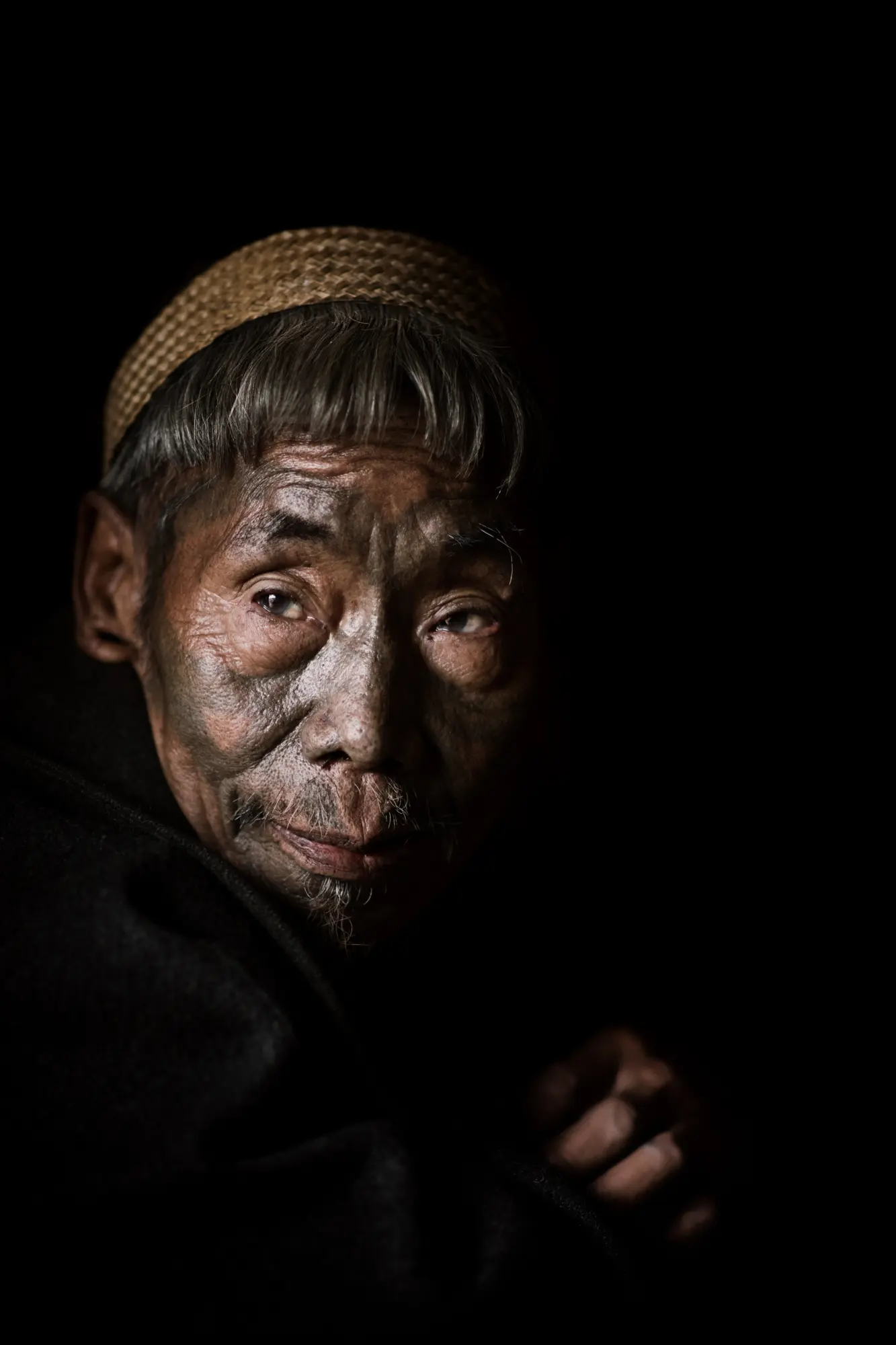
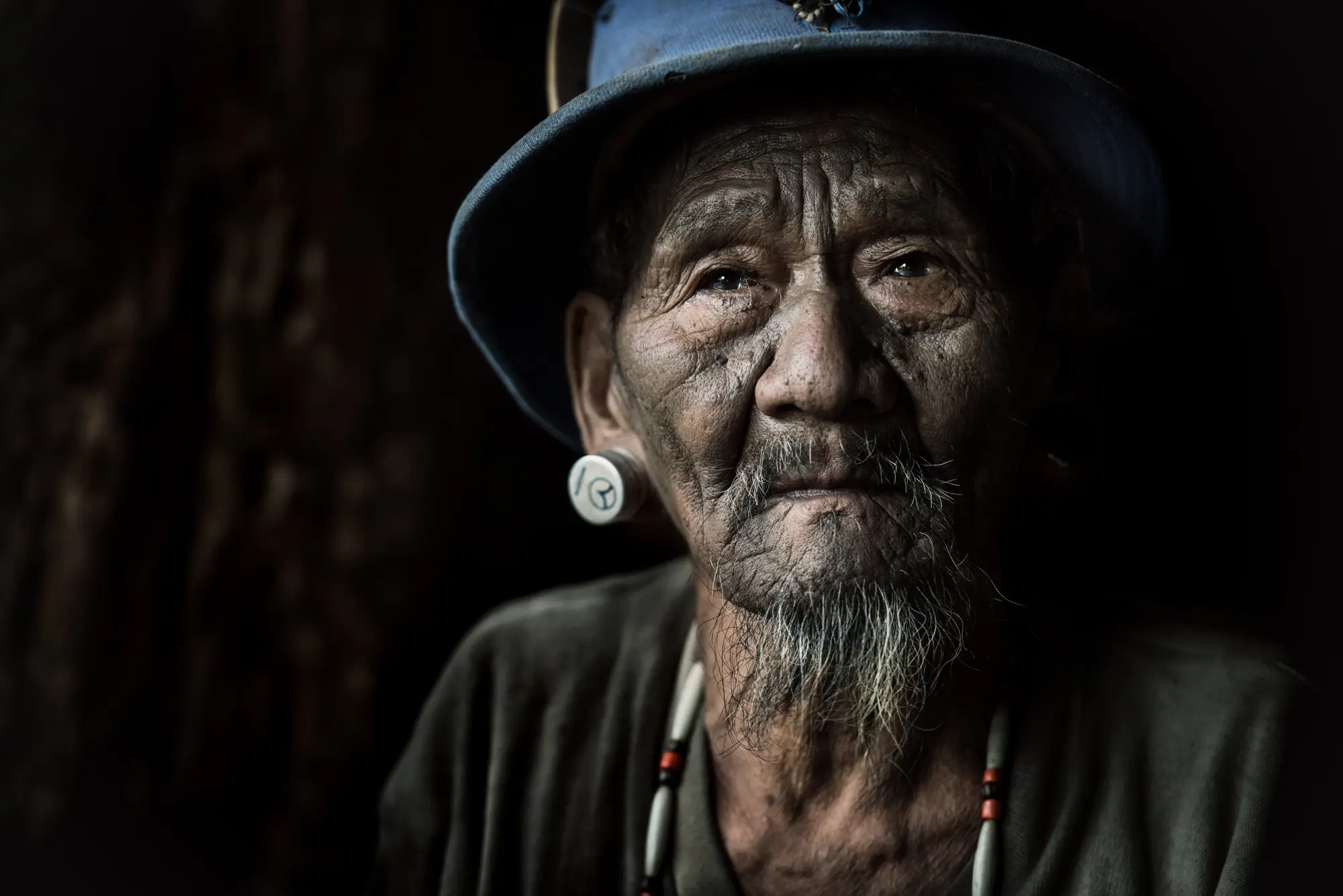
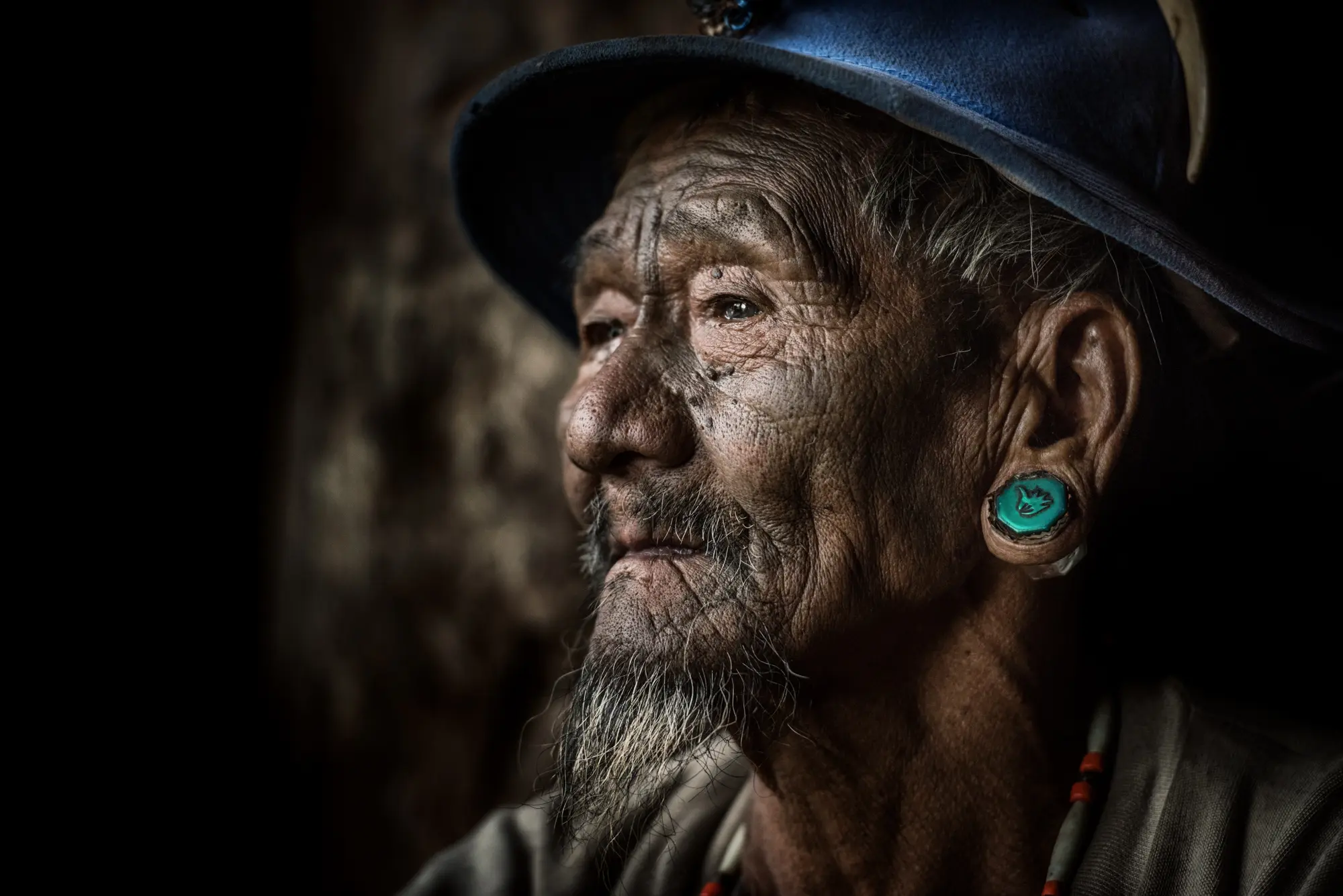
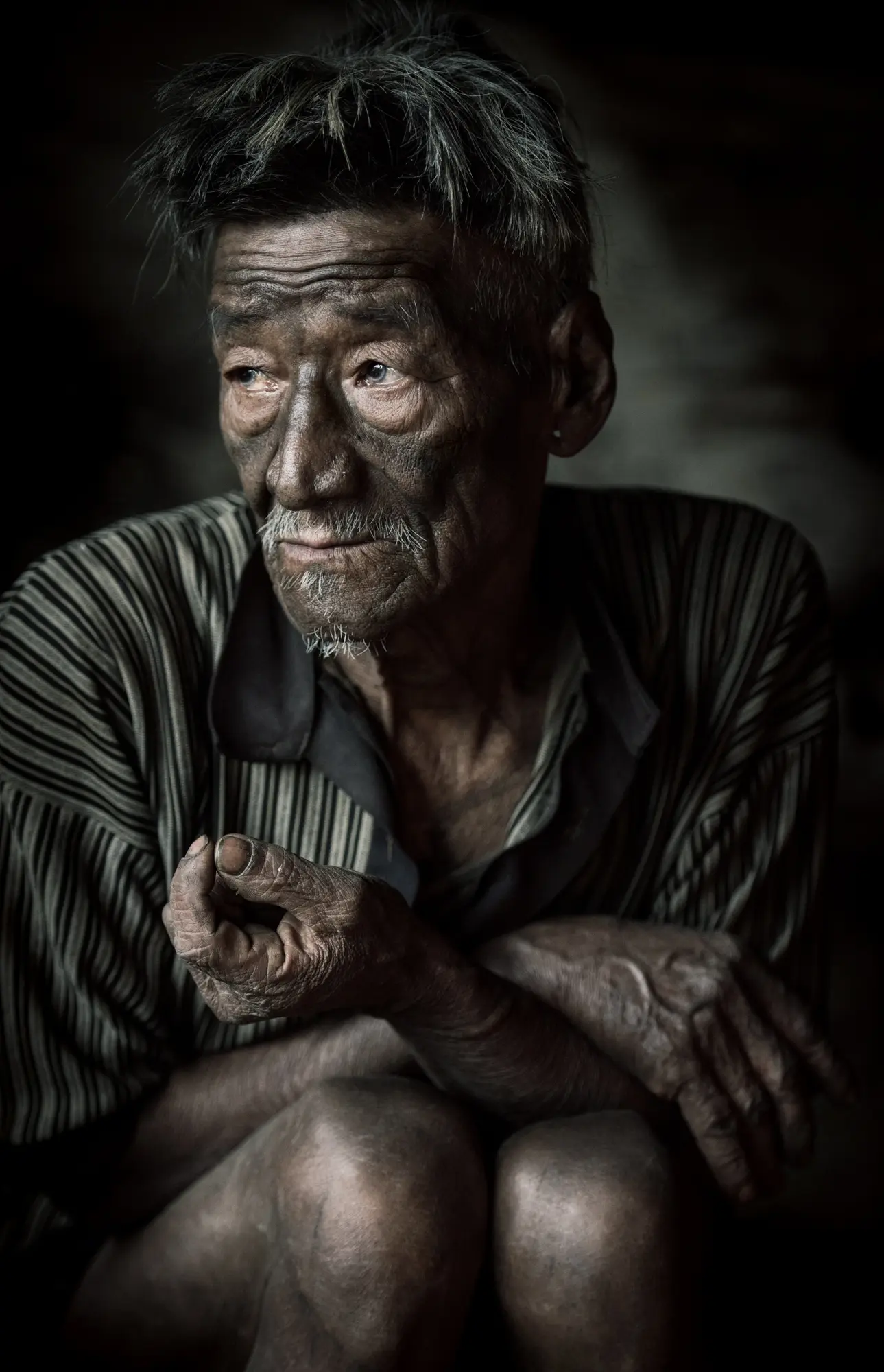
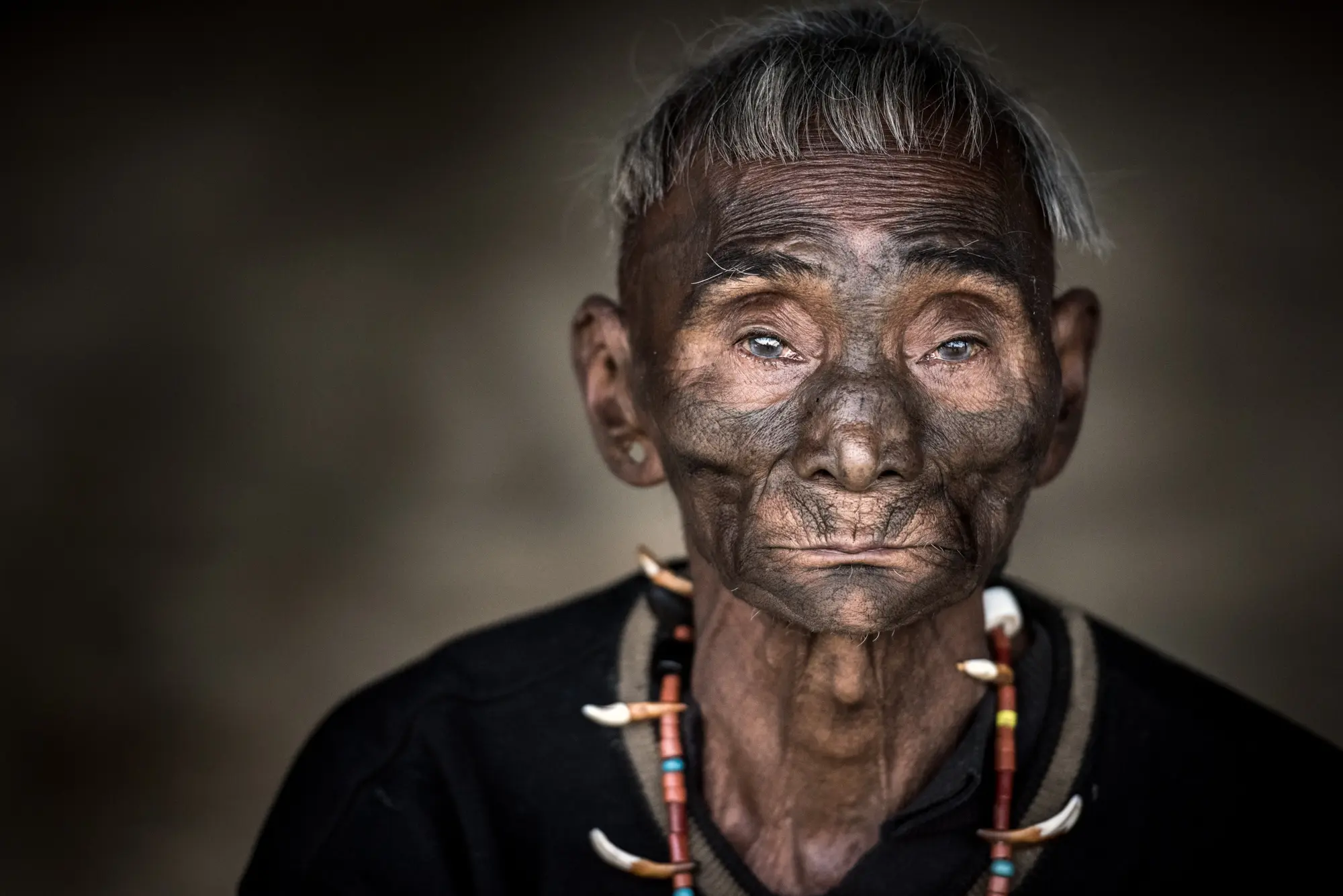
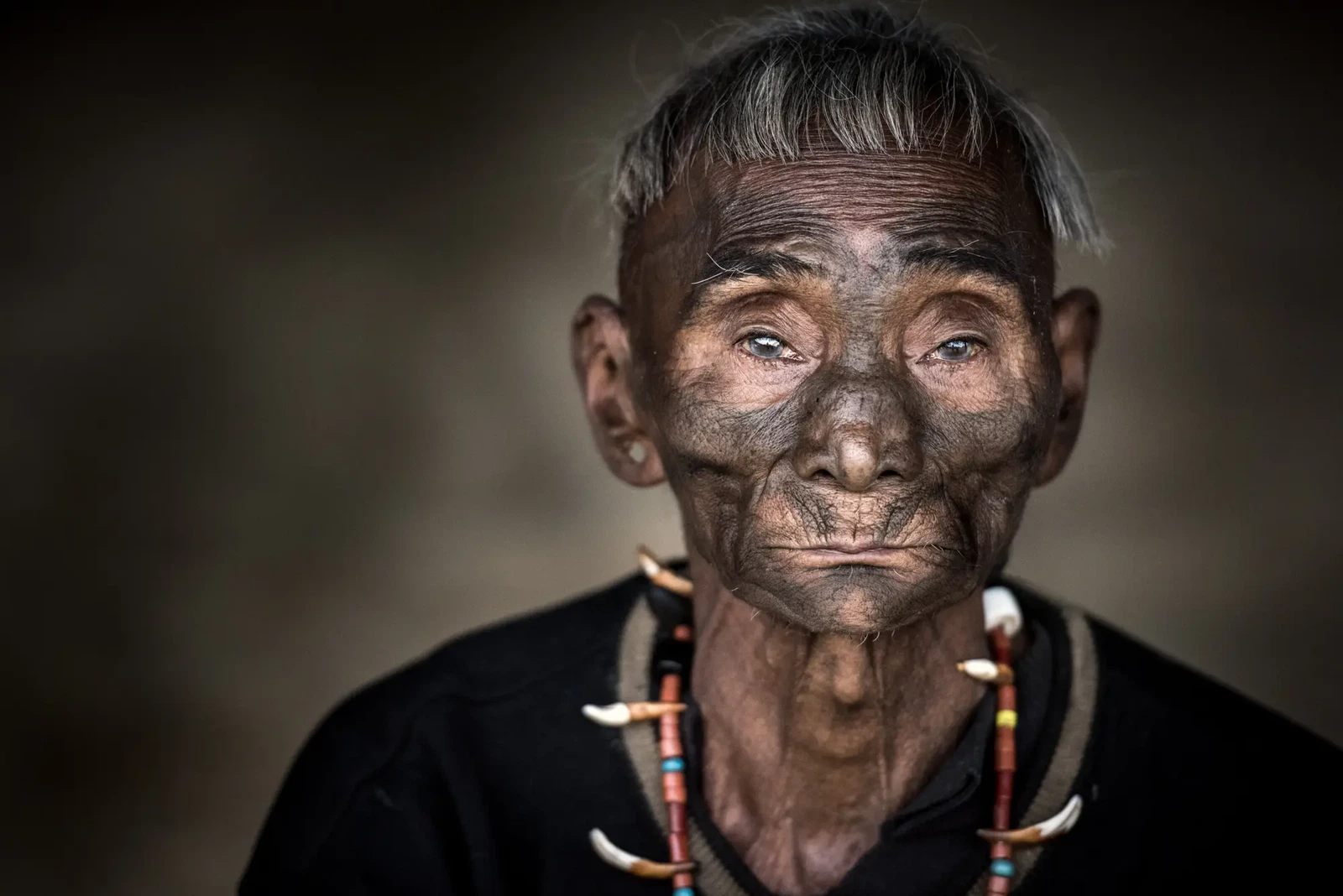
The Konyak are seen by everyone as the most traditional of the sixteen Naga tribes. They have given up their head-hunting ways, but still live a traditional lifestyle. It is only the elders who still retain some of their cultural traits and traditions. The men still have their facial tattoos from their Head hunting days. The Konyak are also adept artisans, skilled craftsmen and still make their own guns and machetes. They still adorn themselves with bone ear pieces and necklaces.
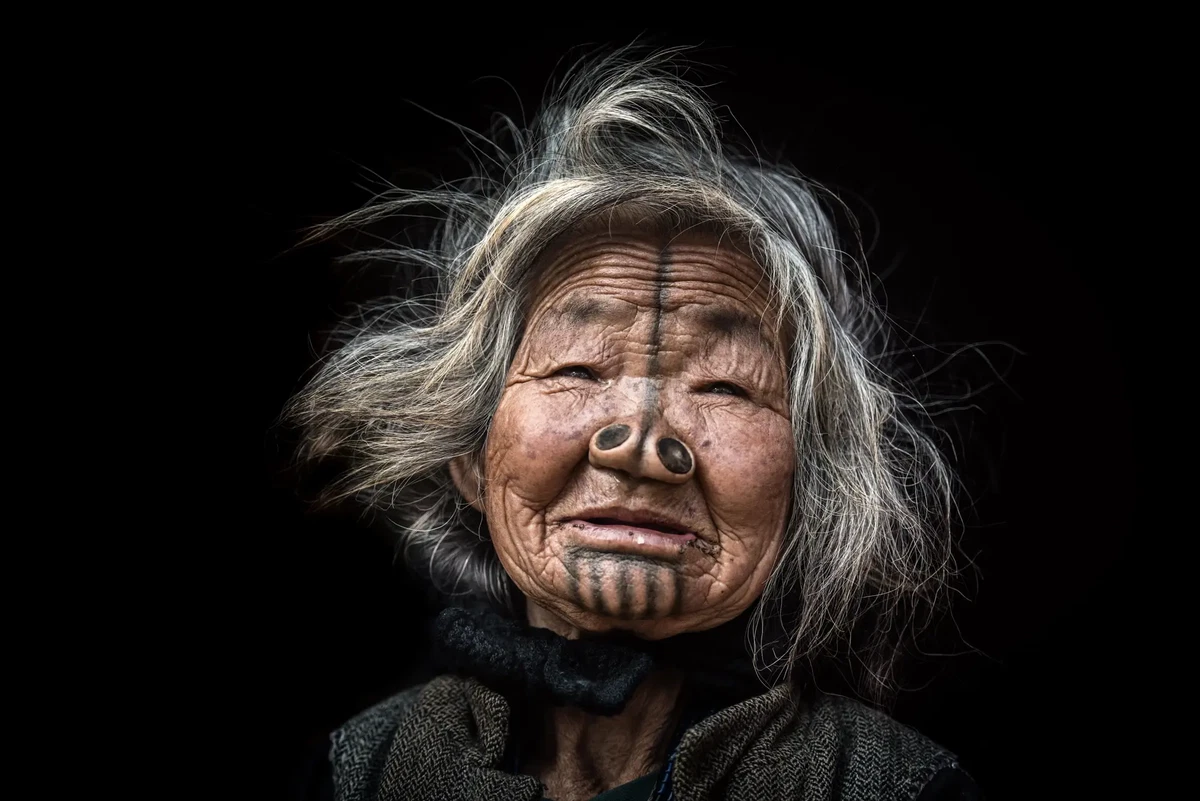
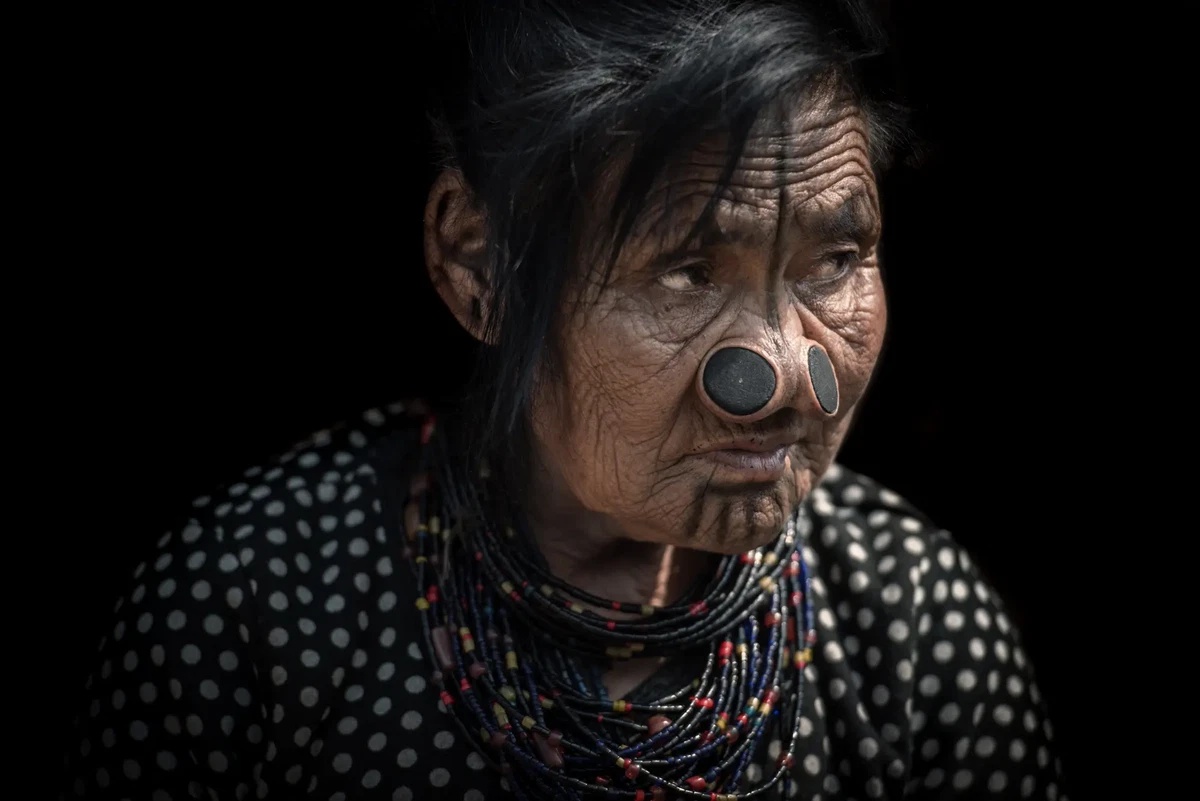
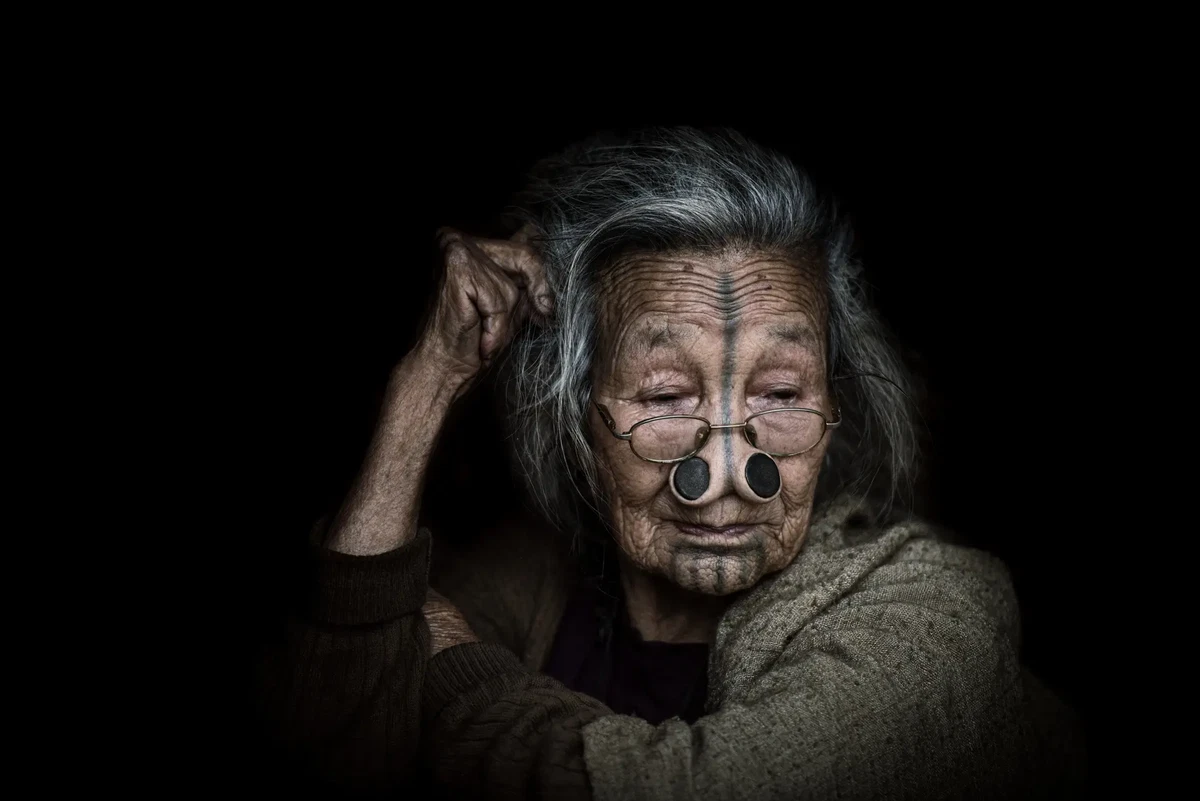
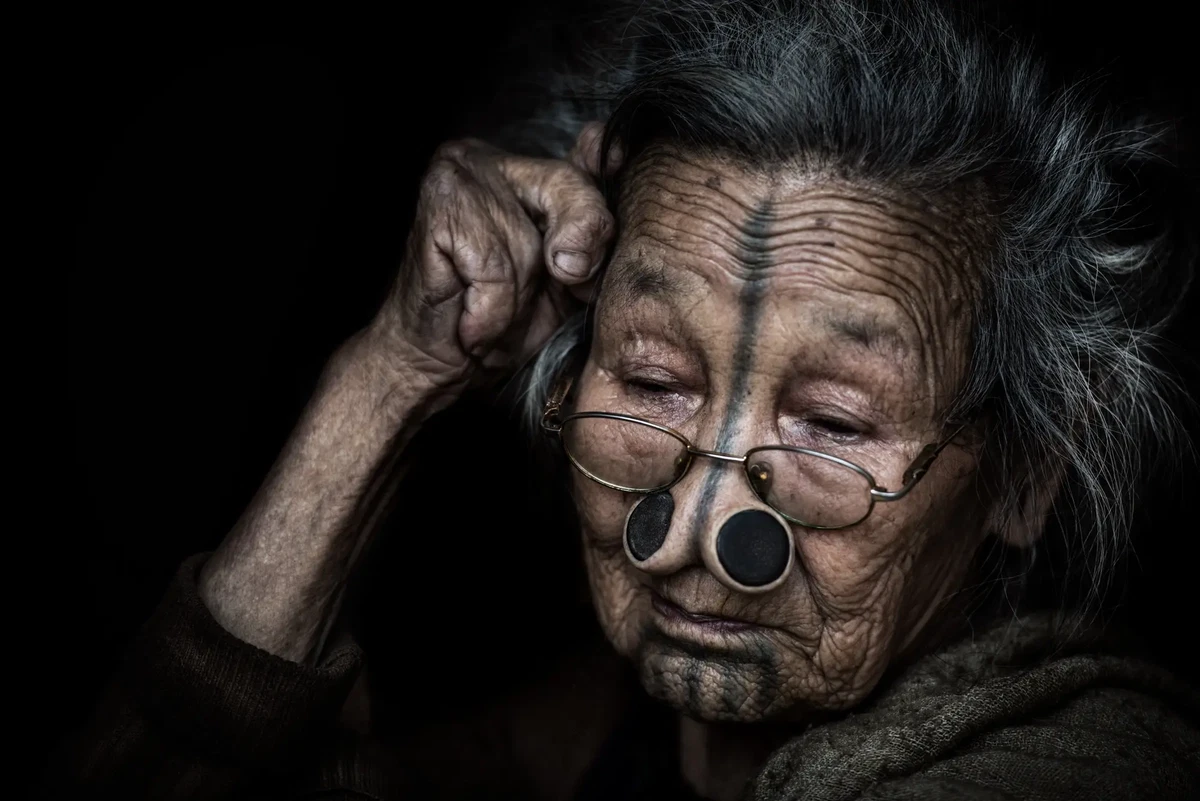
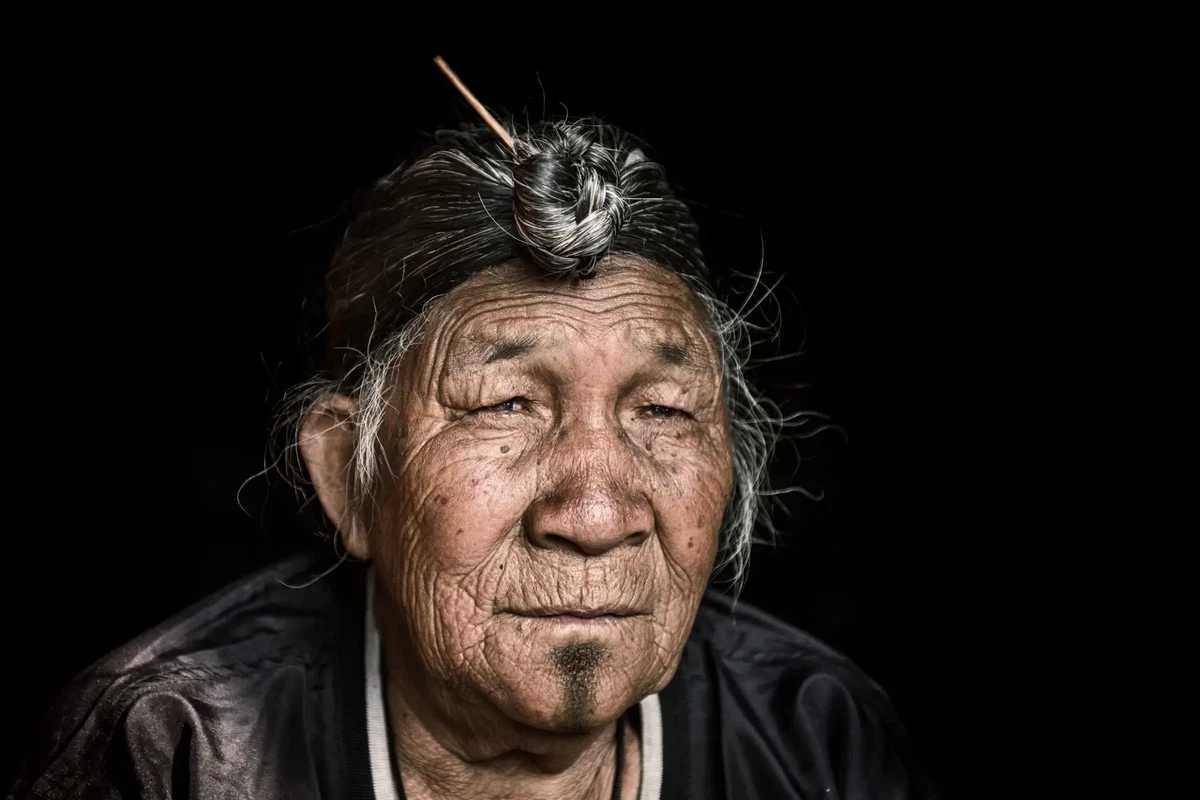
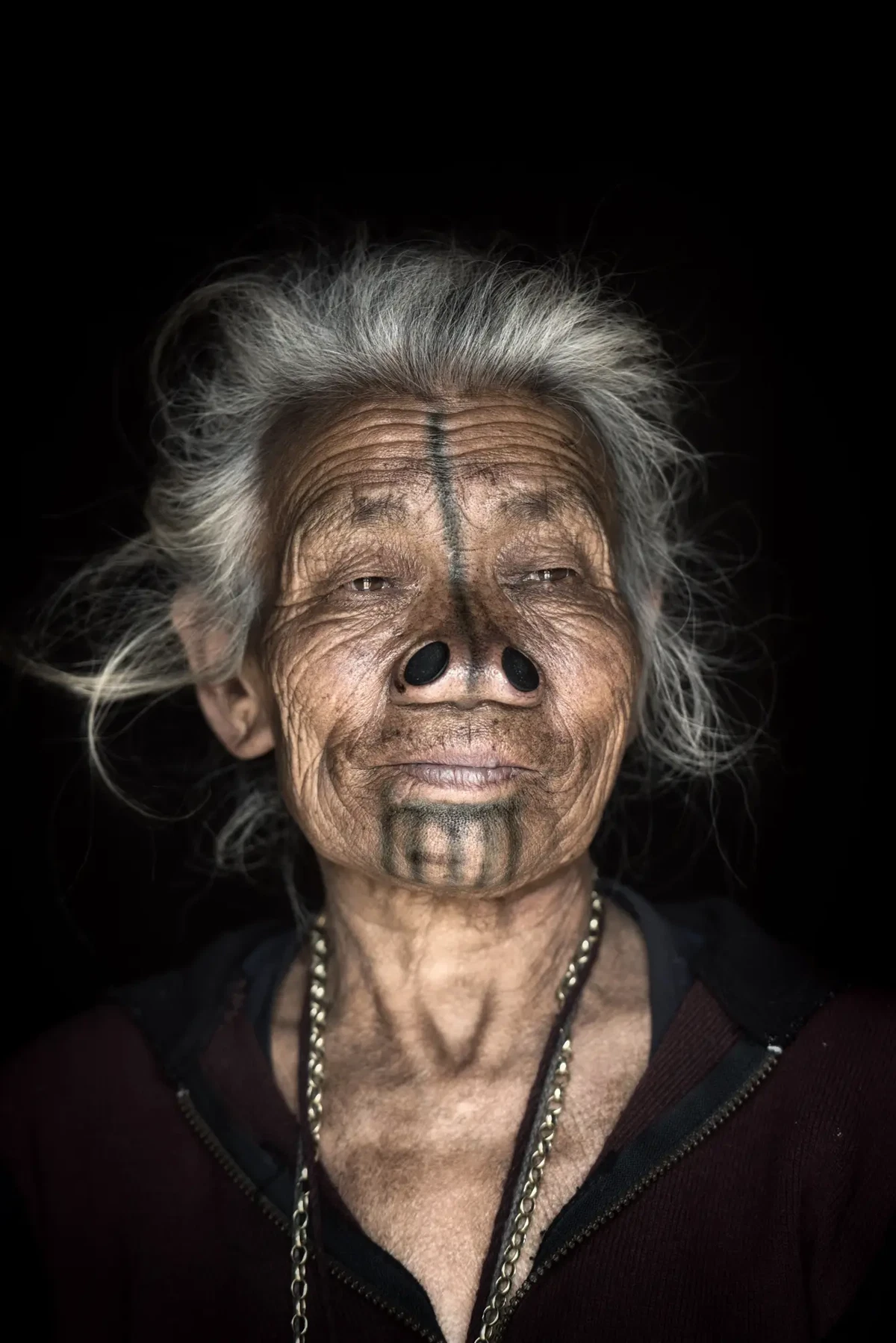
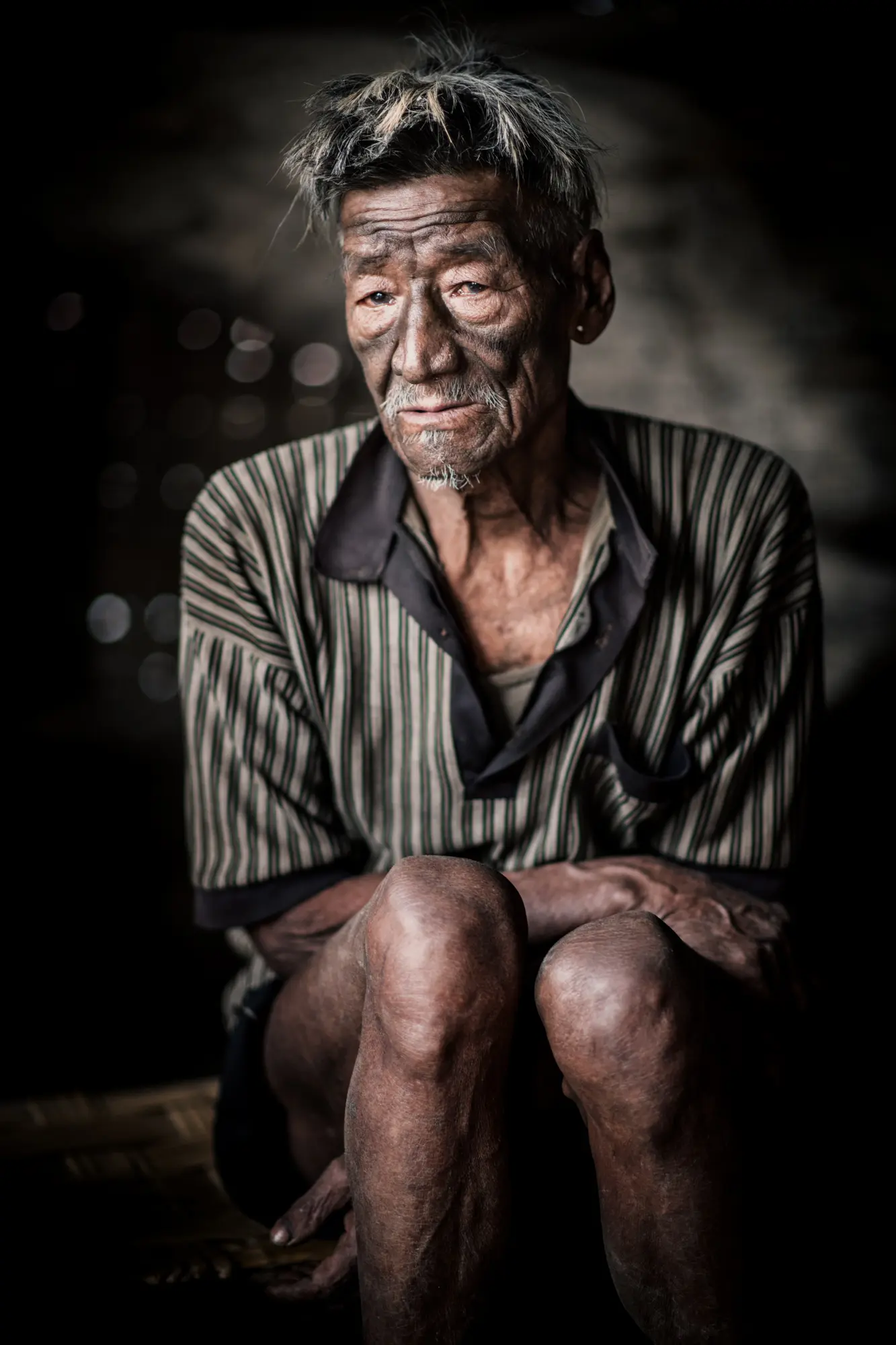
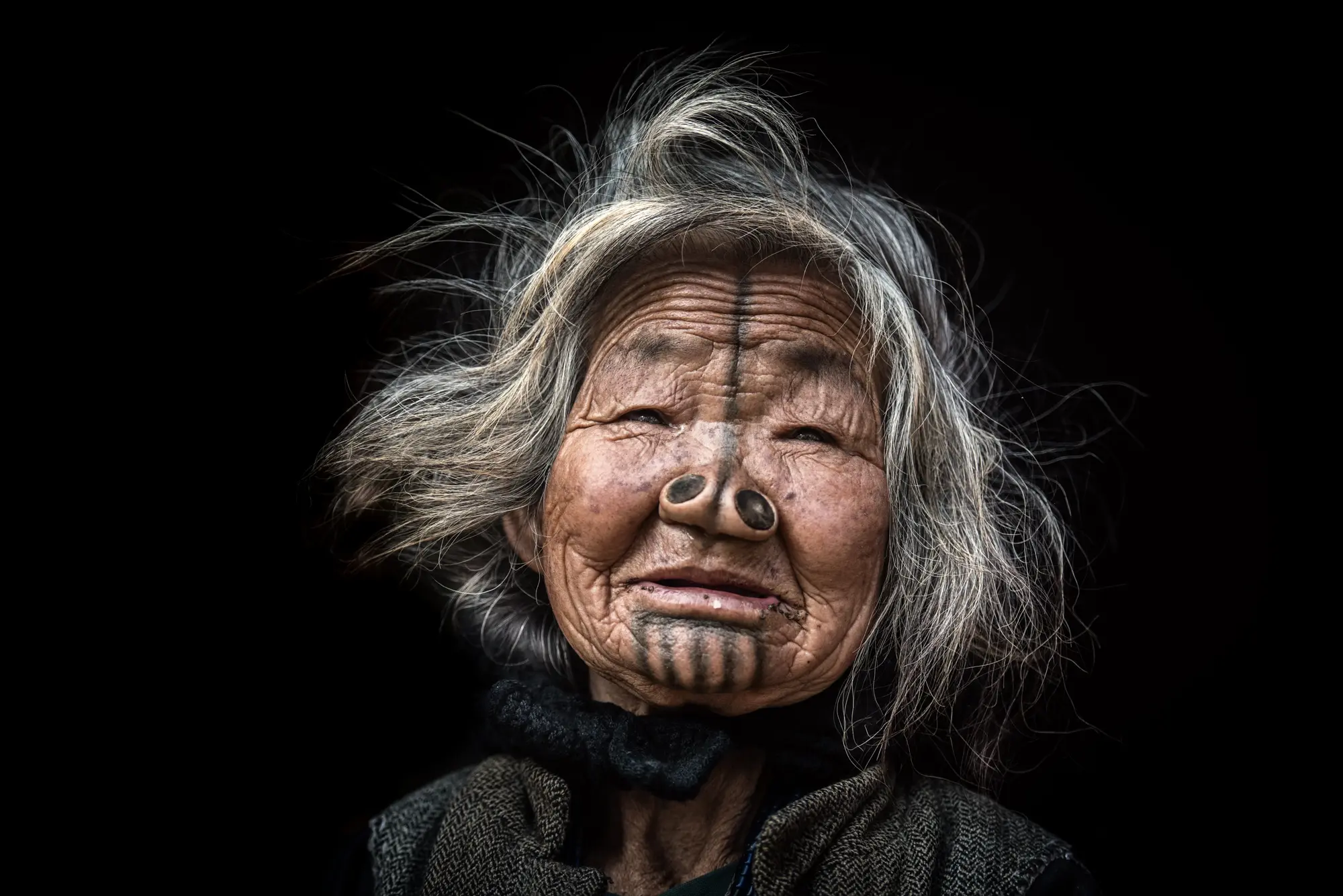
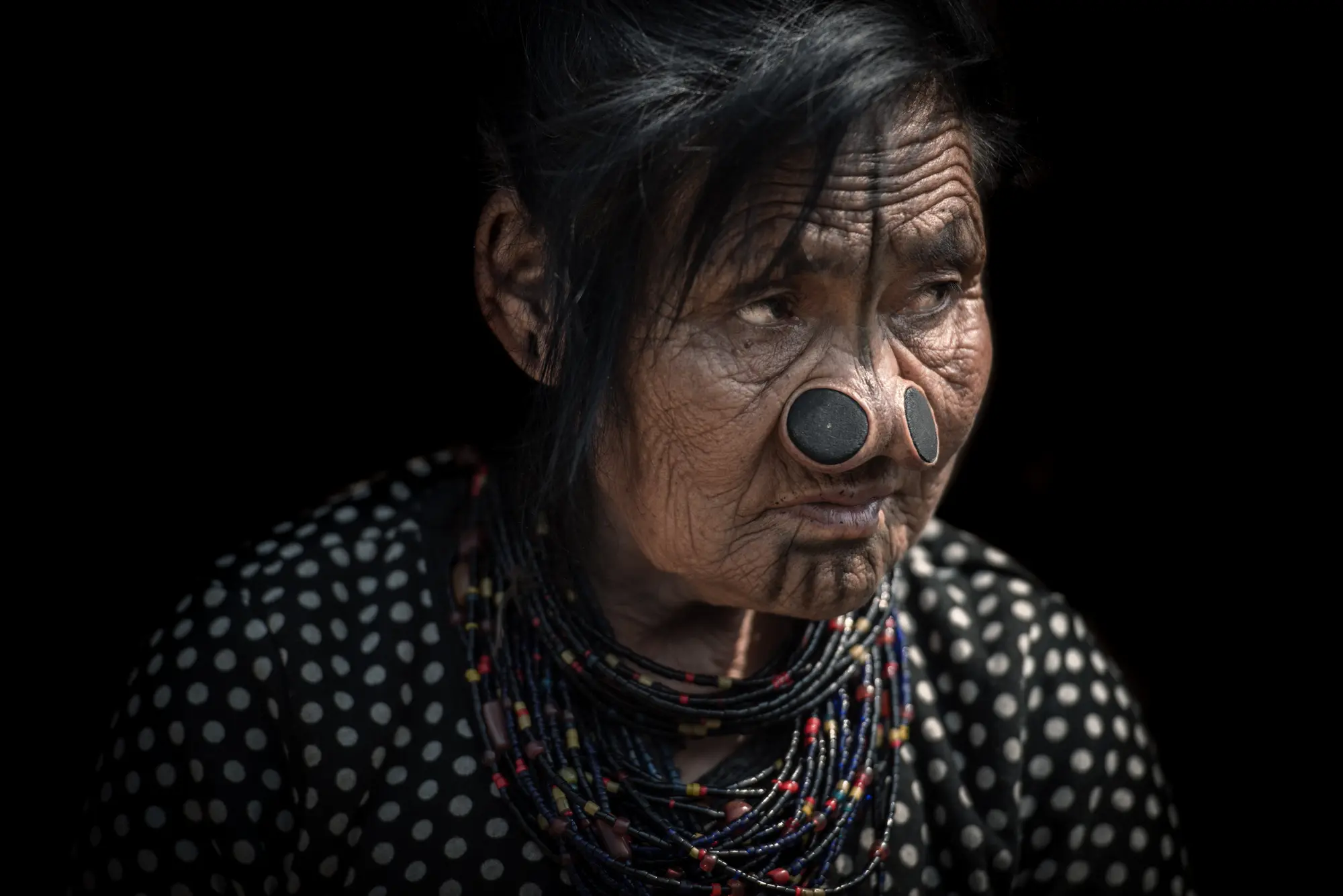
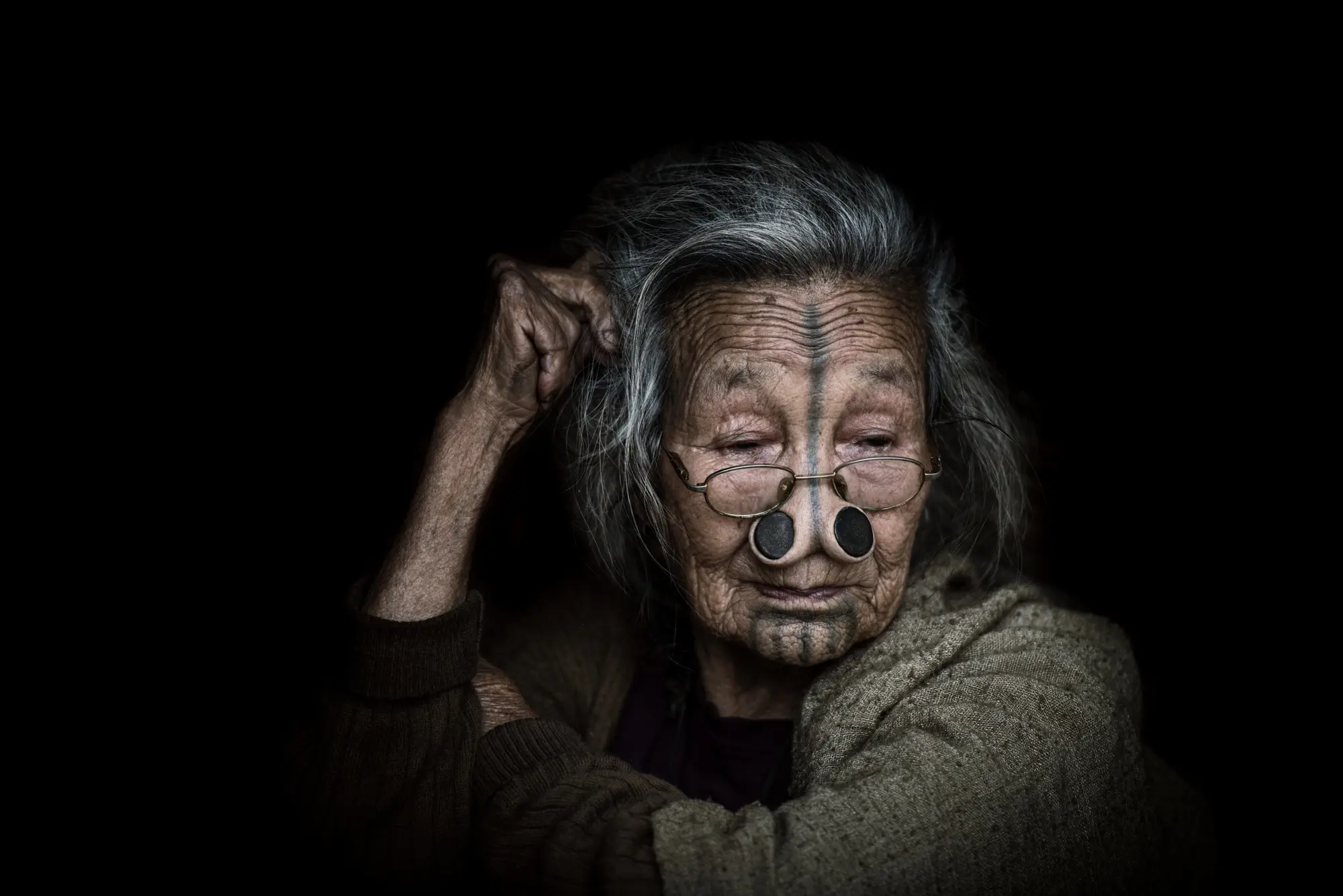
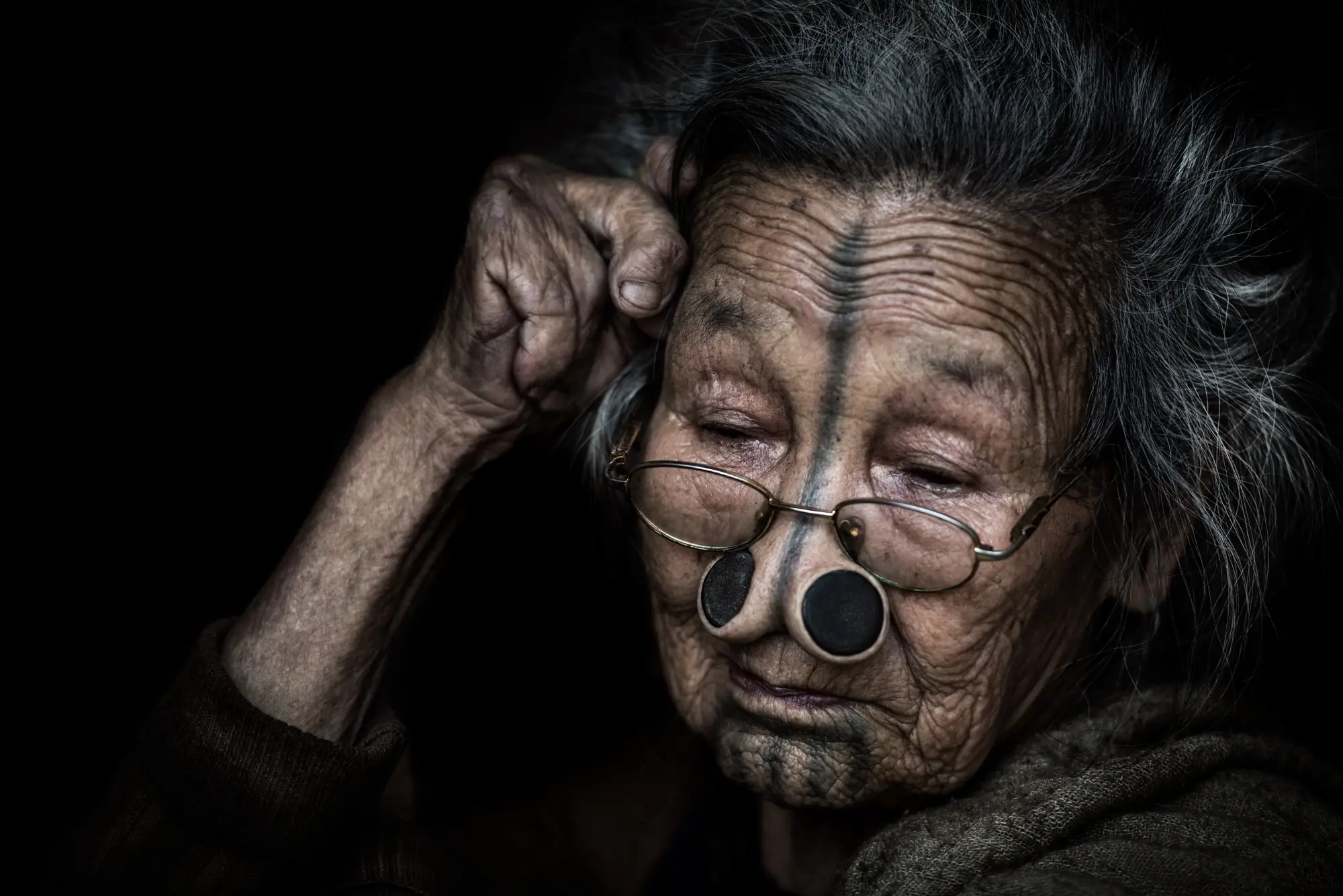
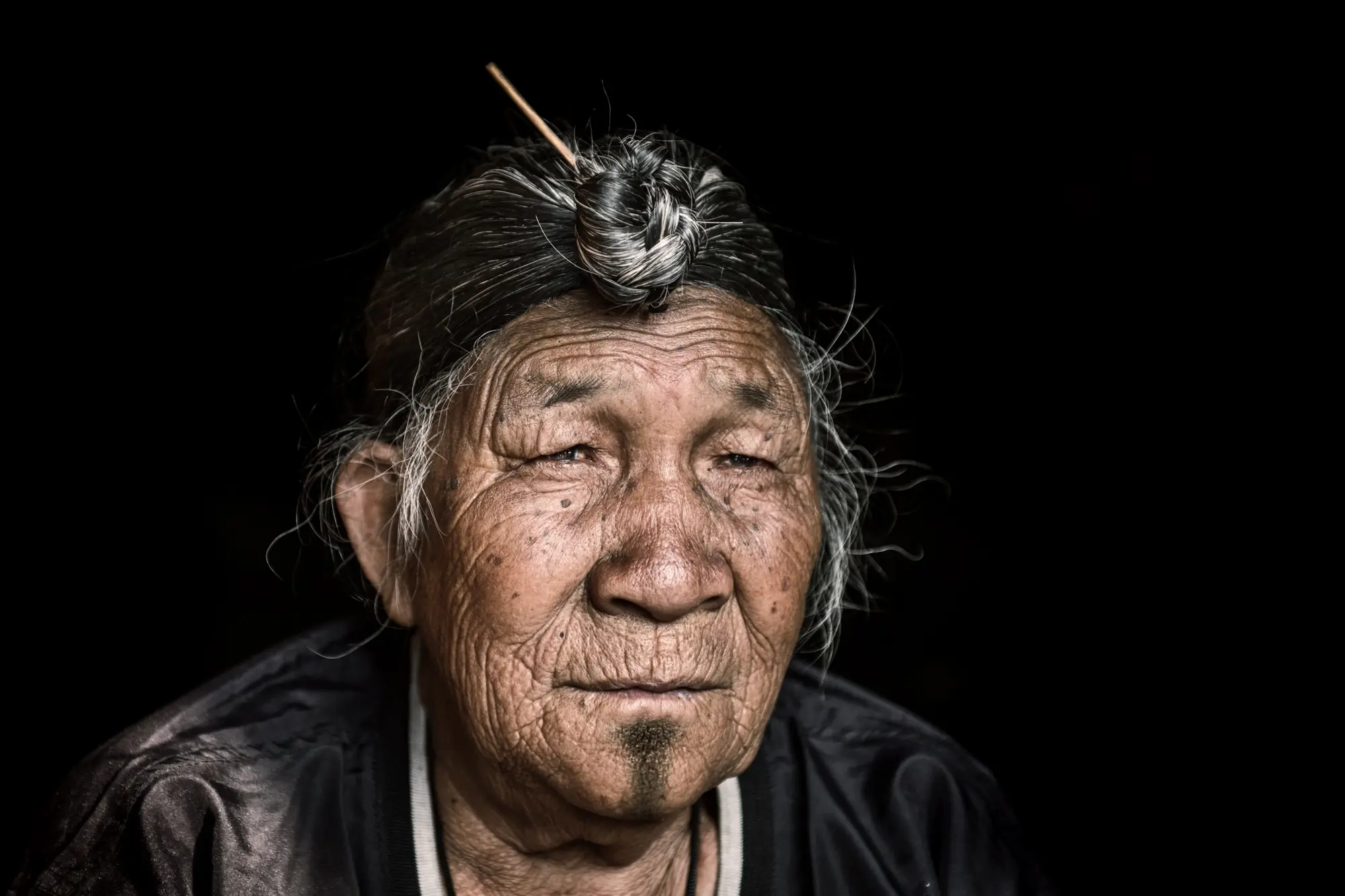
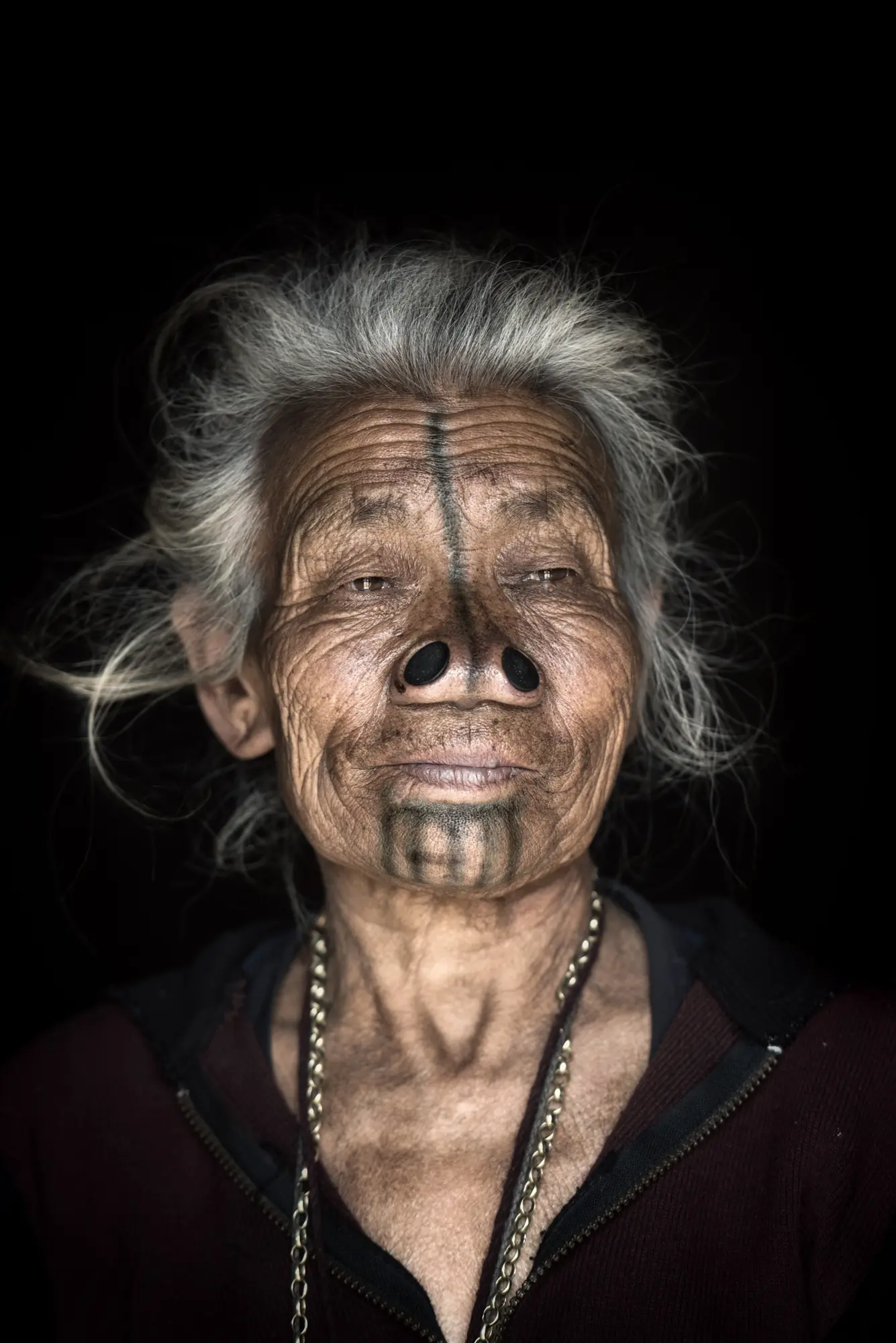
Ziro in Arunchal Pradesh is home to the Apatani tribe and it is located in an extremely picturesque area called the Apatani Plateau surrounded by pine-covered mountains. These indigenous people are Ziro's greatest attraction. The older men-folk tie the hair in top-knots and tattoo their faces. Apatani women similarly tattoo themselves but also have very distinctive nose plugs. The new generation have stopped these practices since early 1970s. The Villages are beautiful but with the exception of the old people they have adopted western culture.