

“I’m drawn to images that surprise me, those that resist immediate understanding and reveal themselves over time, inviting you to look again and again.”
Judge of our 2026 Color Photography Award (now open for entries), Jonathan Bertin is a French photographer whose captivating, painterly images explore the expressive potential of color, elevating the everyday into something quietly transcendent.
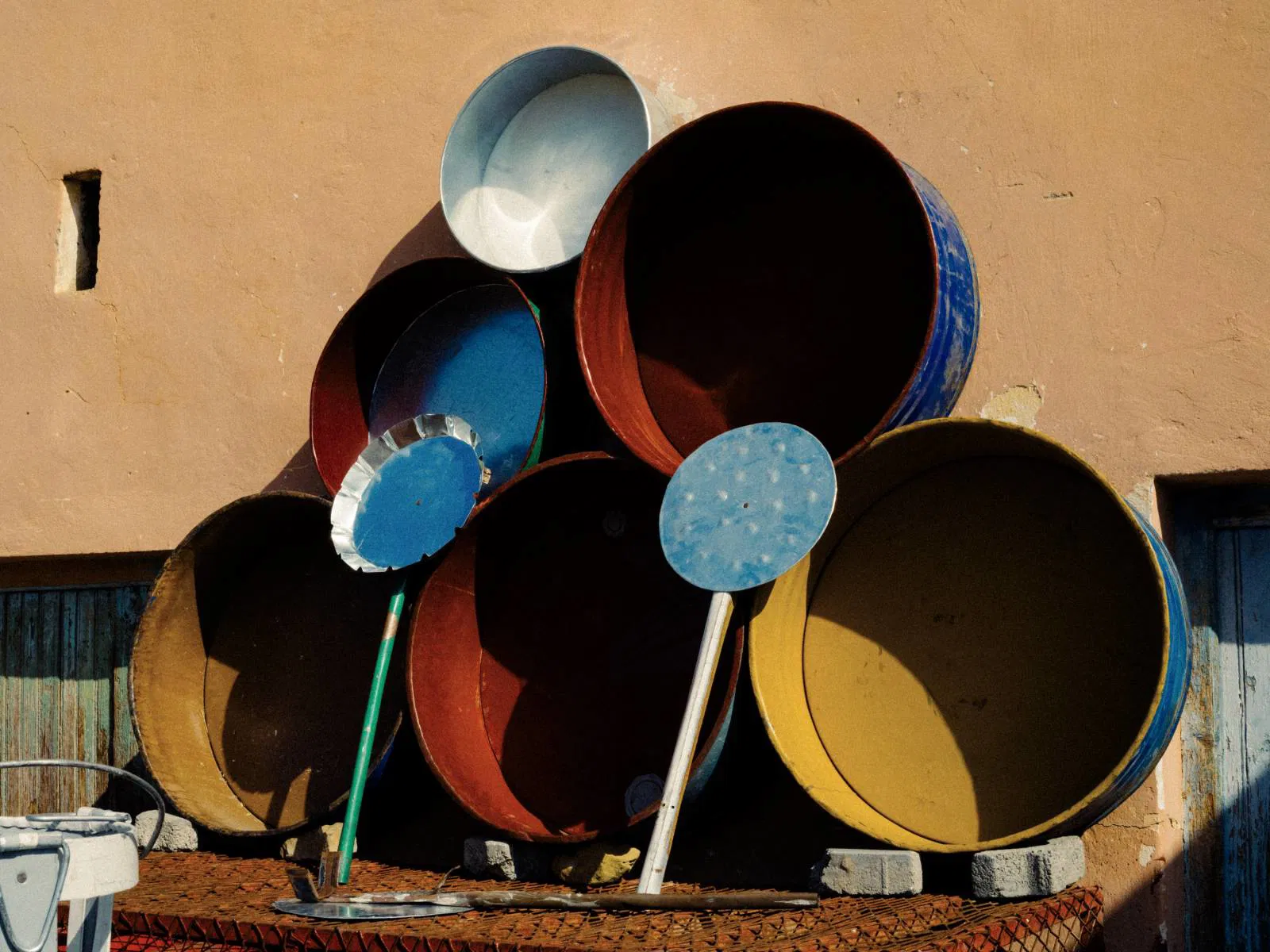
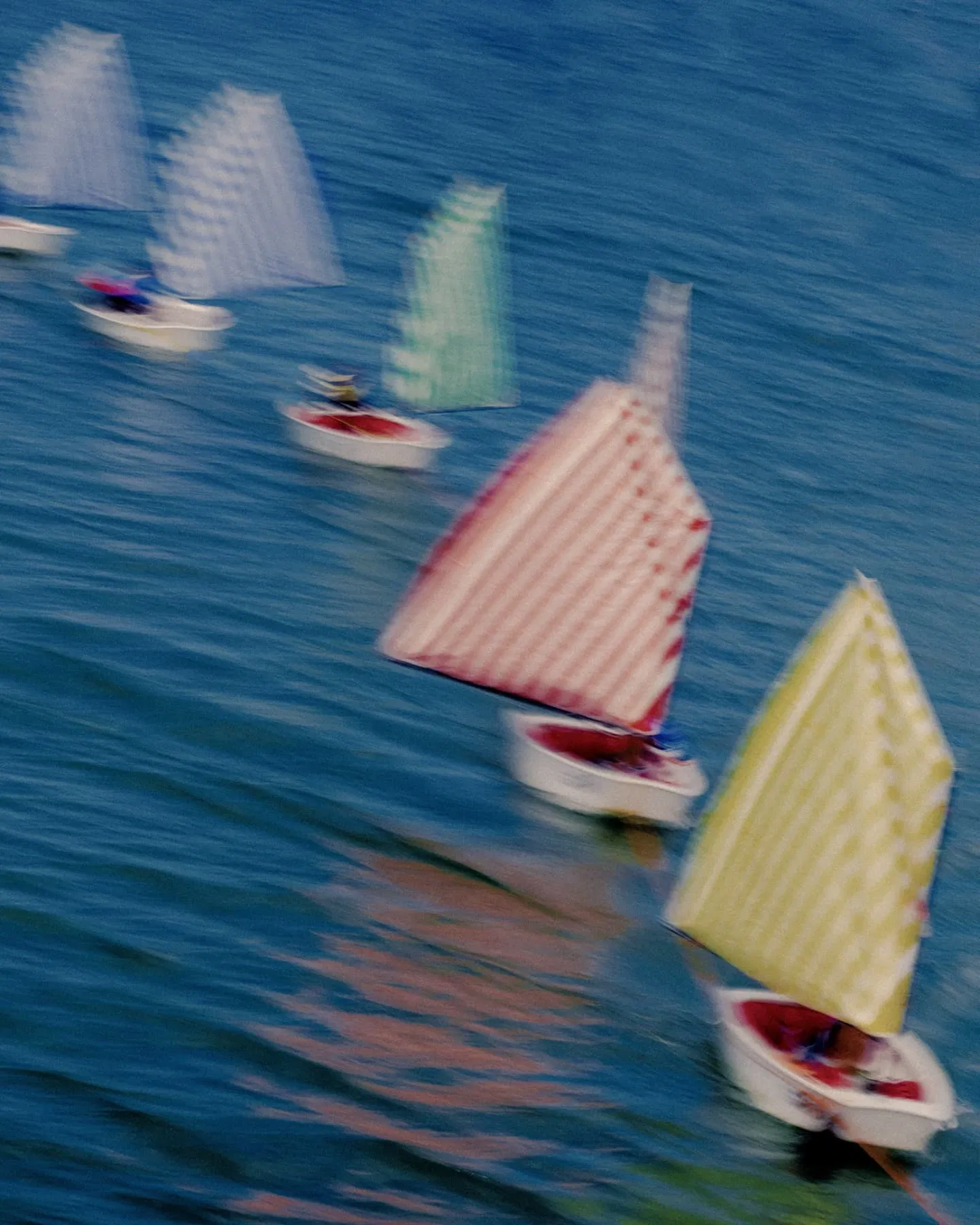
A line of sailboats dissolving into rhythmic streaks of blue and white. In a quiet bedroom, the long amber light of the late afternoon spills across unmade sheets, casting a solitary silhouette into deep, textured shadow. Elsewhere, a cat cuts through a sharp sunbeam in a dim alleyway, and ghost-like figures drift across a busy intersection, their forms stretched into fleeting traces. In Bertin’s images, the ordinary becomes something elusive and cinematic: moments not simply observed, but felt
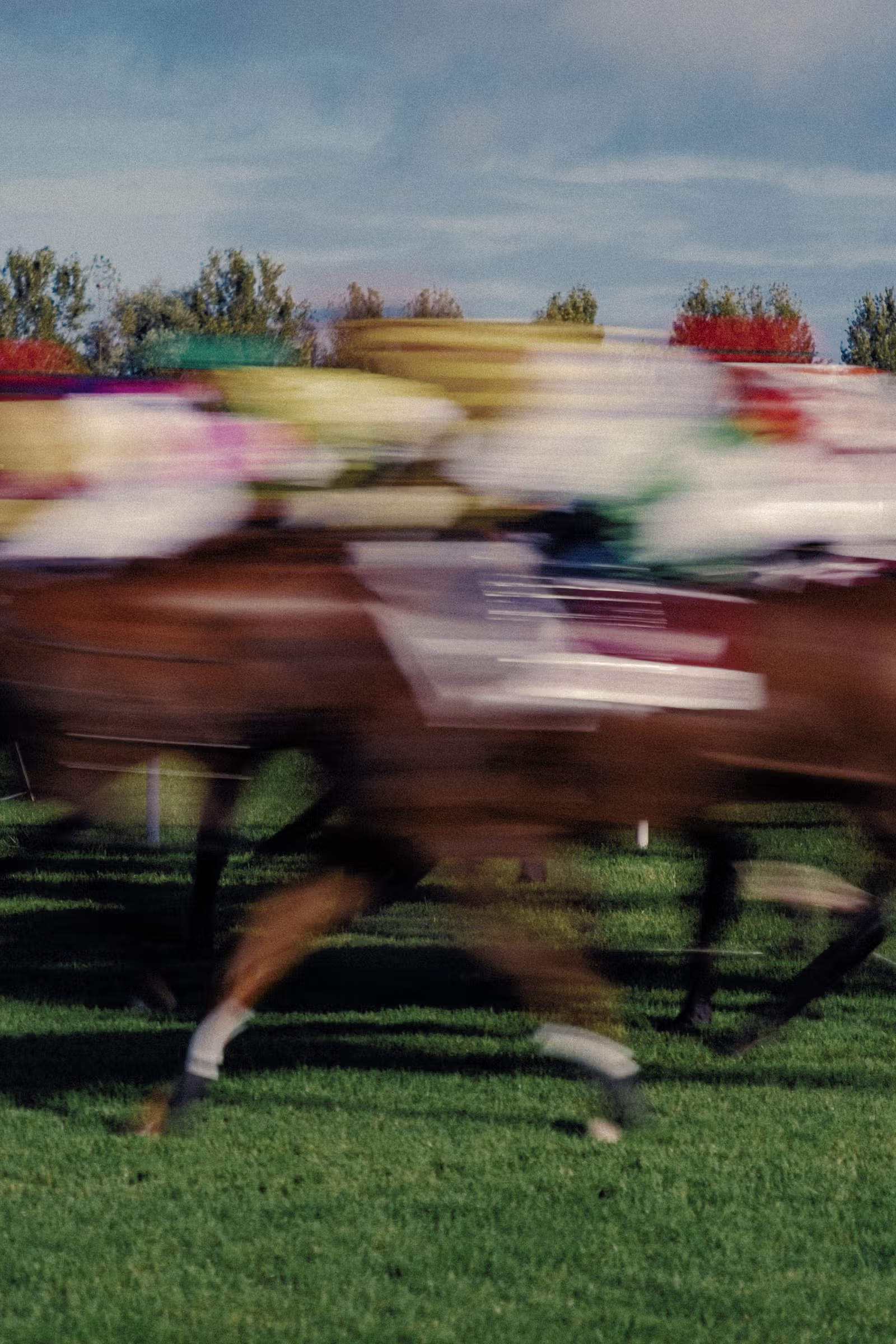
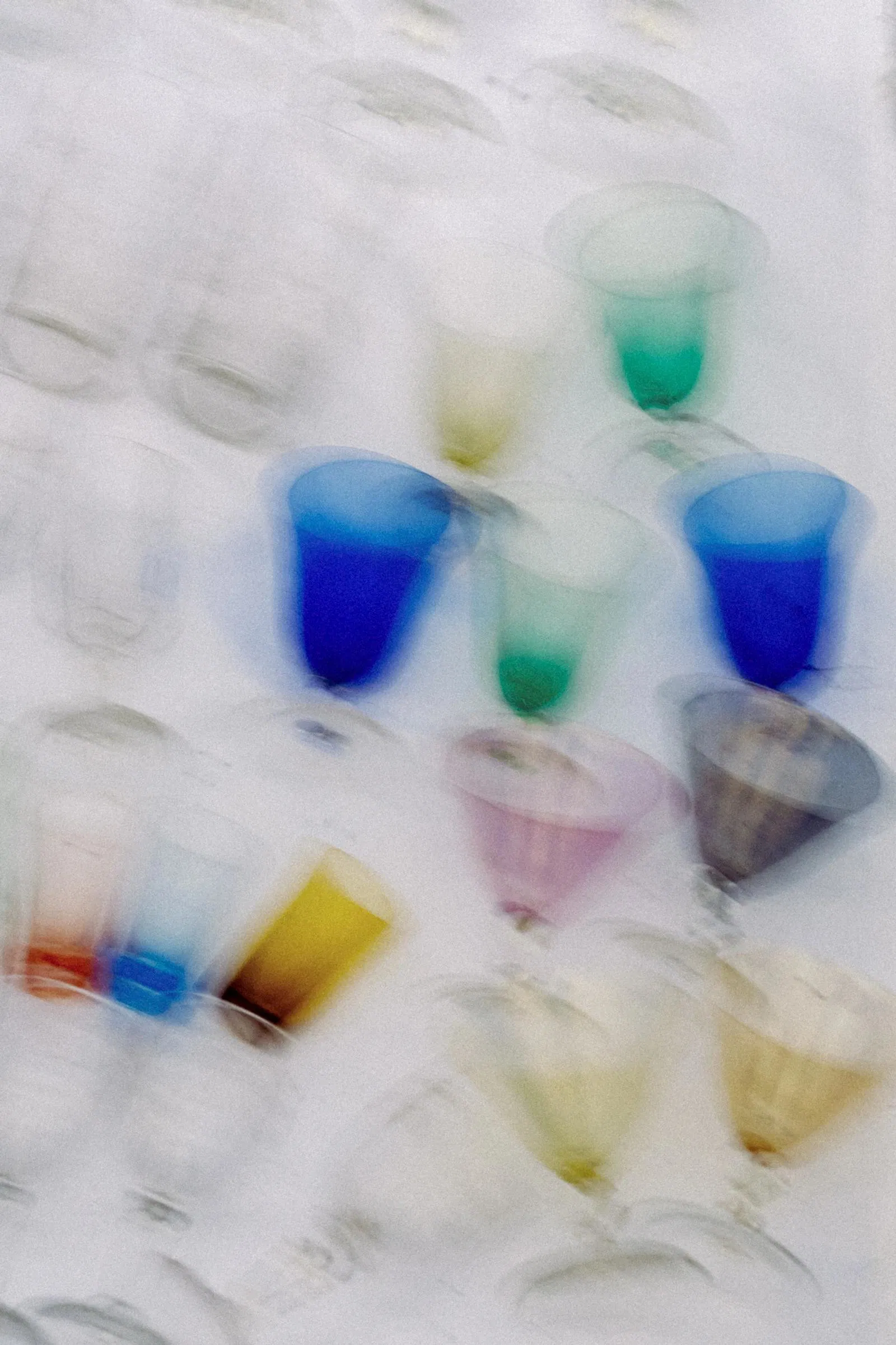
There is, immediately, a distinct sensibility at play: a quiet commitment to atmosphere over clarity, to emotion over precision. His photographs do not seek to freeze time, but rather to translate its movement and texture into something painterly and immersive. It is what he describes as an exploration of the “ultra-banal,” a space where the everyday becomes a field of experimentation, shaped and reimagined through color, light, and gesture.

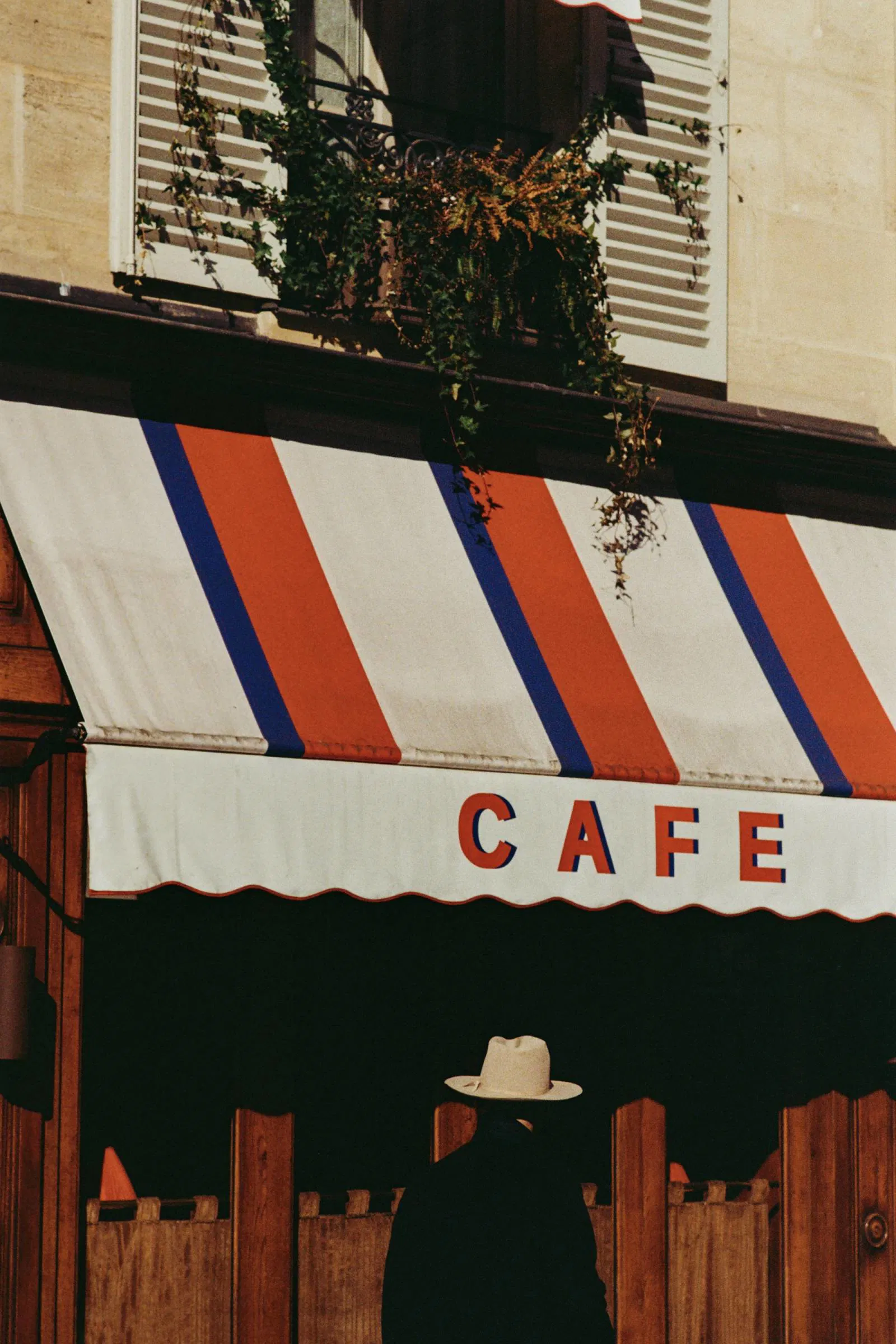
Bertin’s path into photography was, in many ways, instinctive. “Everything started with a family trip,” he recalls. “I came back with 3,000 photos on my phone, and that’s when I realized how much I enjoyed capturing new things.” What began as a simple impulse quickly evolved into something more consuming; he purchased his first camera soon after, immersing himself in the medium before eventually choosing to study photography and pursue it professionally.
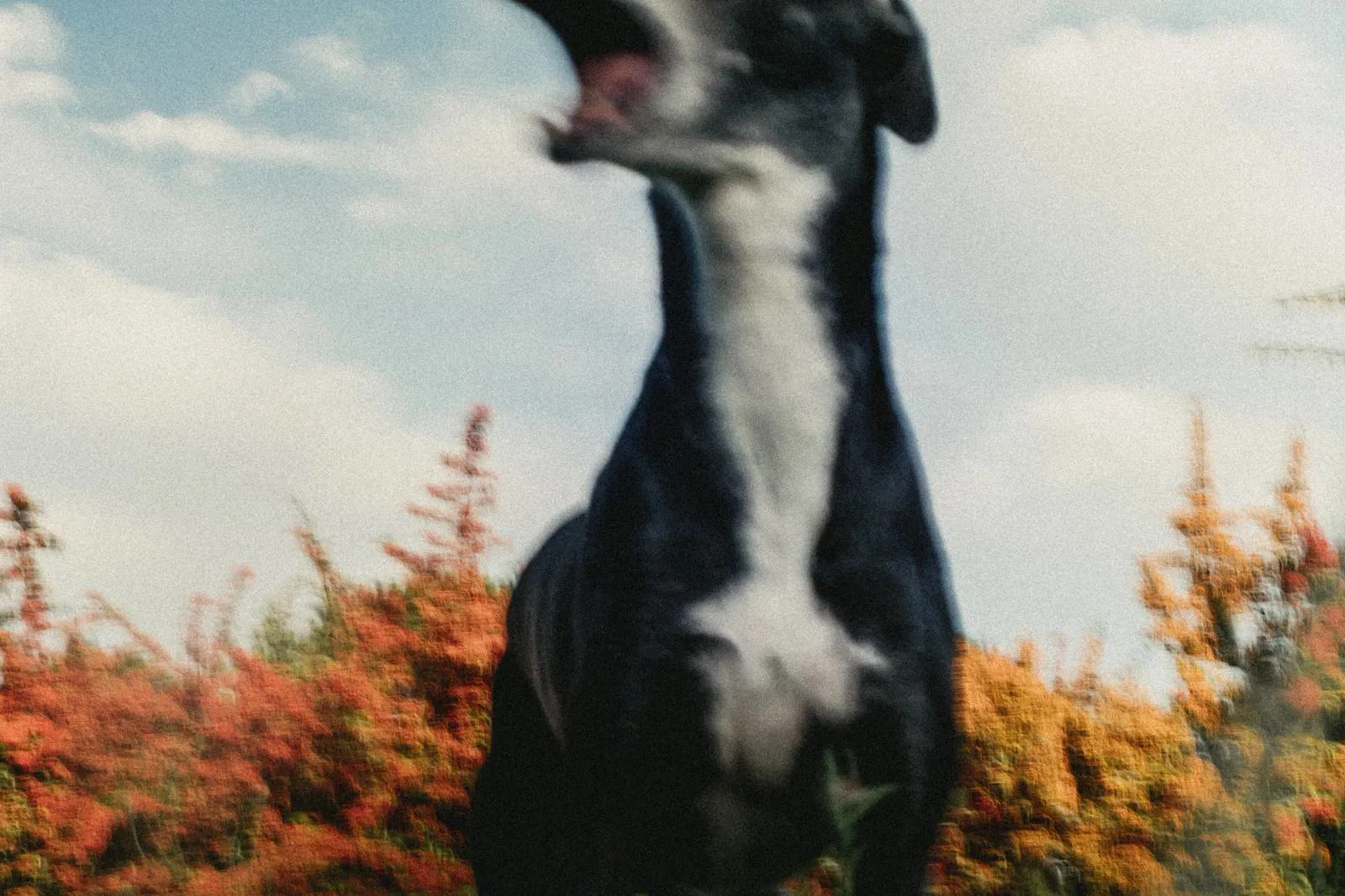
As with many contemporary color photographers, his lineage can be traced, in part, to the pioneering work of Ernst Haas. “I still don’t understand how he could be so creative in the 1950s,” Bertin notes, pointing to the pioneering Austrian’s bold use of blur, movement, and chromatic intensity, elements that remain central to his own practice. And while Haas’ influence is obvious in his work, Bertin’s inspirations extend beyond photography.
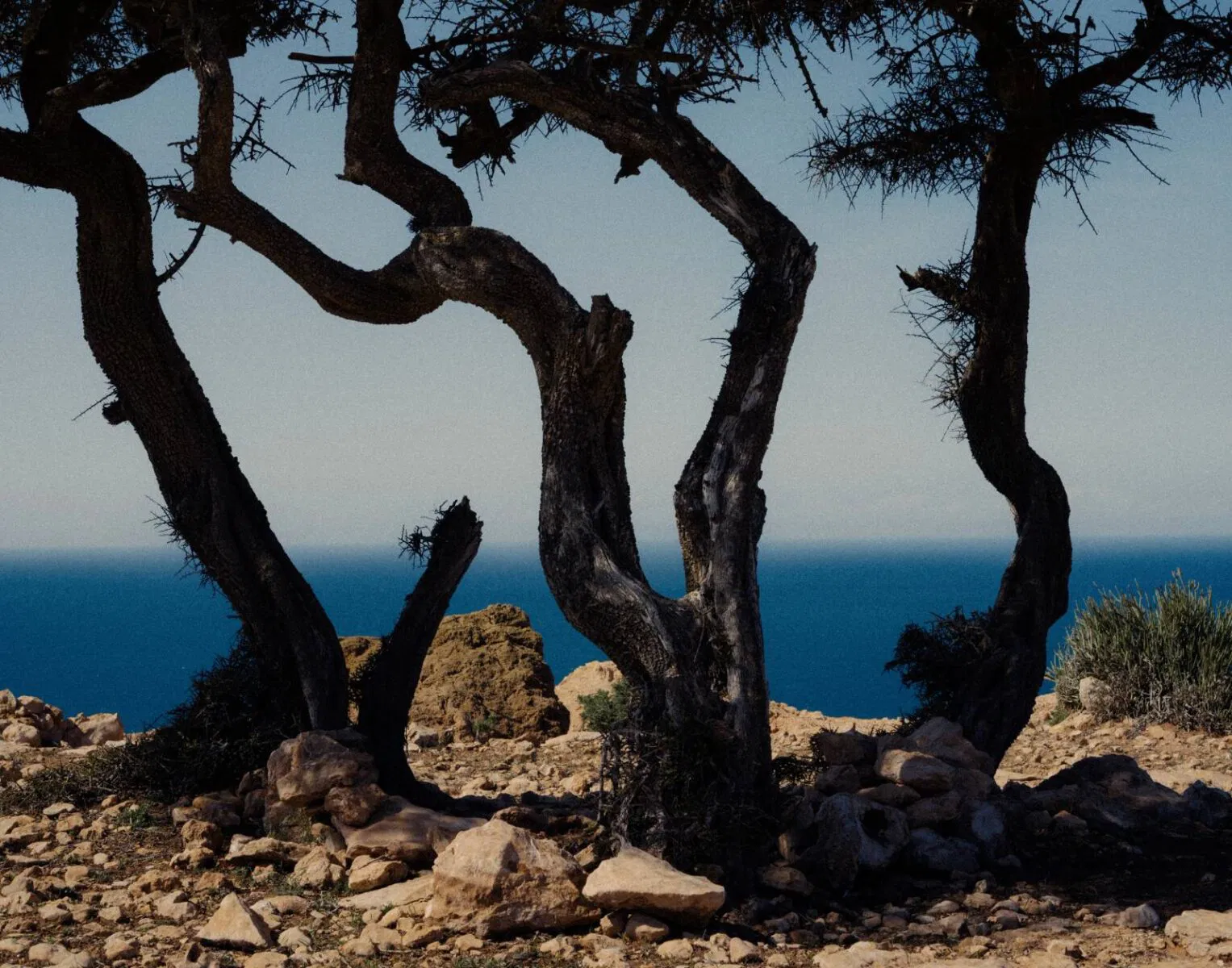

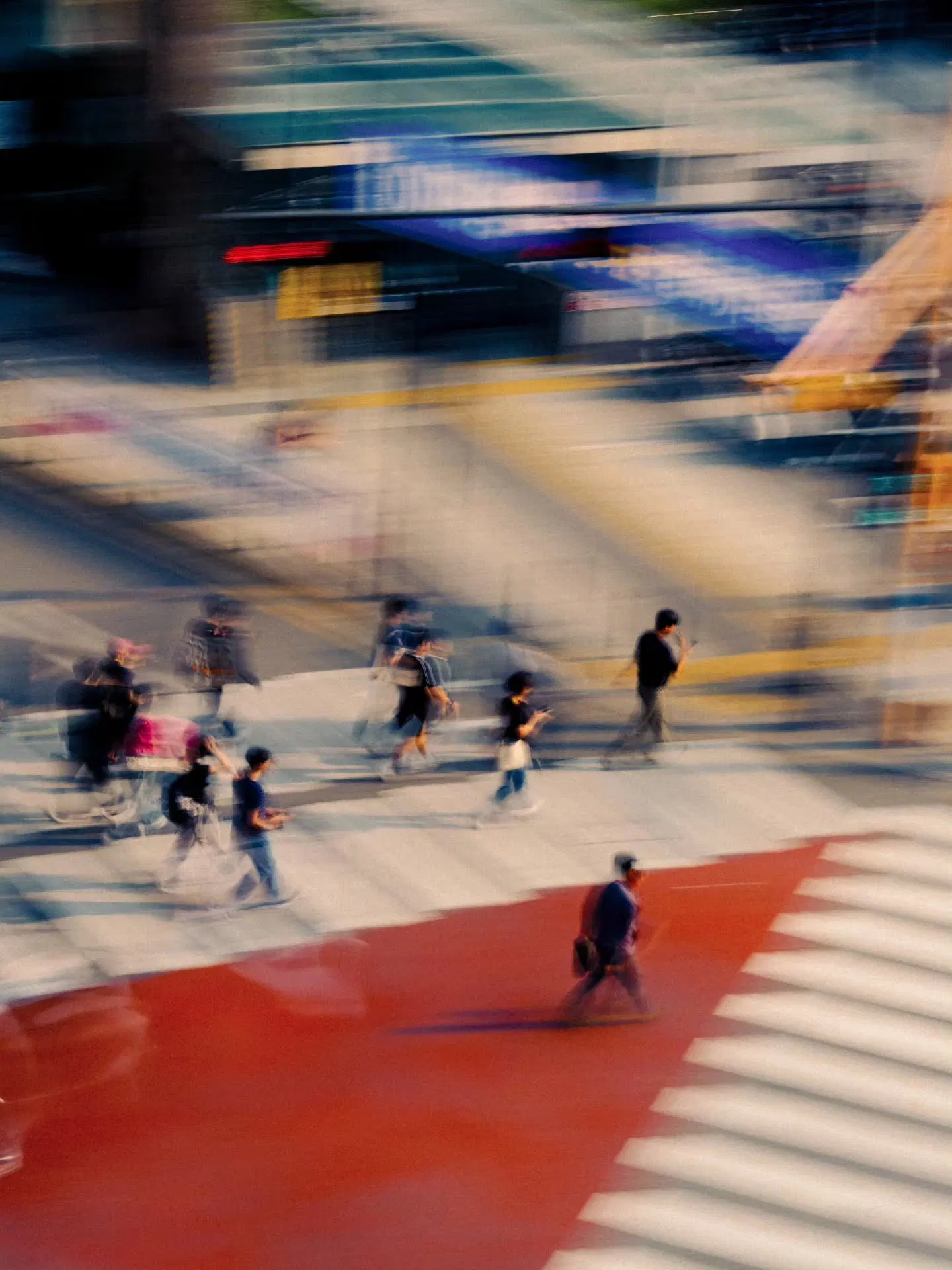
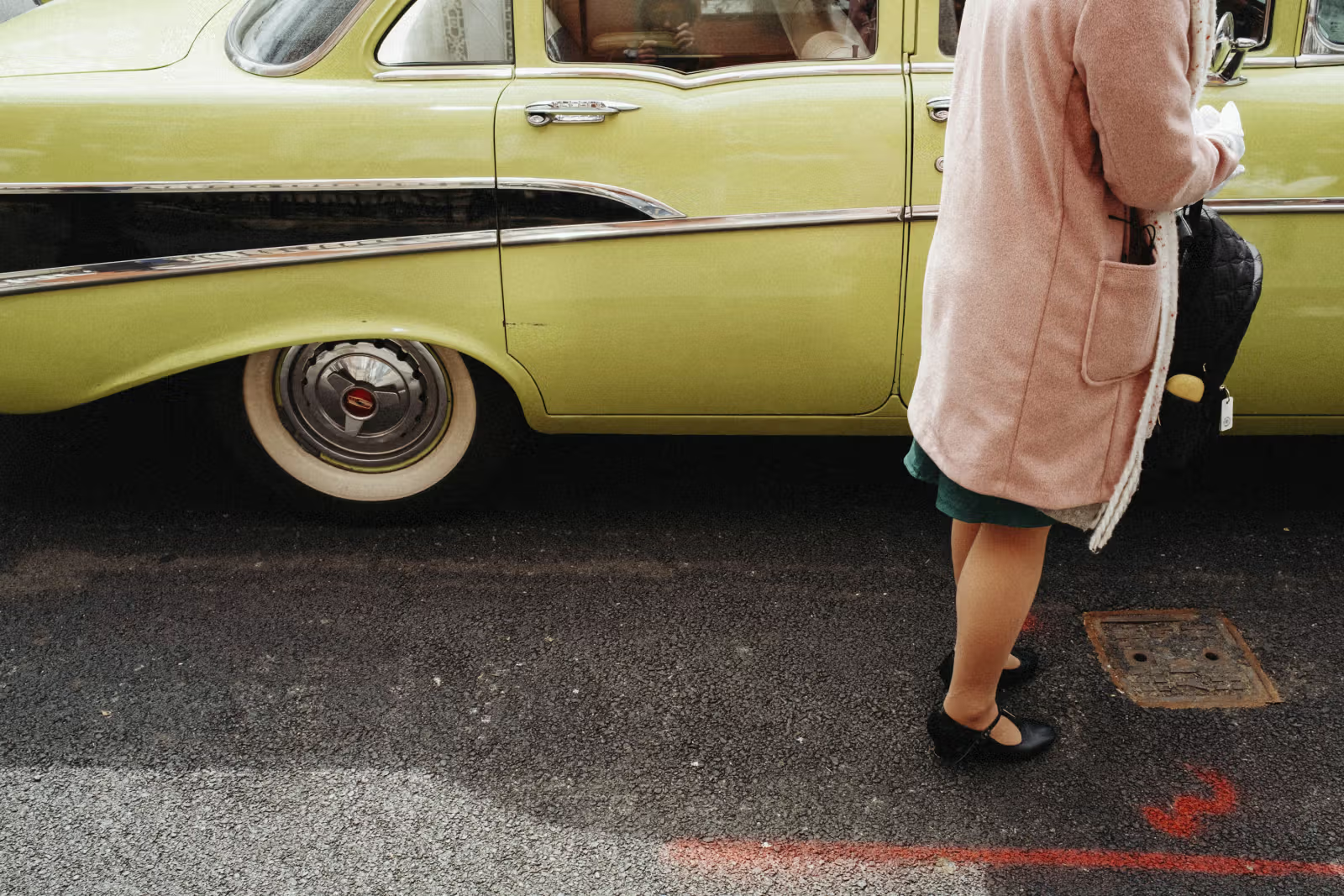
Having grown up in Normandy, a region long associated with Impressionist painting, Bertin found himself drawn to artists such as Claude Monet, whose sensitivity to light and atmosphere reshaped his understanding of color, and Edgar Degas, whose unconventional compositions—cropped figures, unusual angles, and a sense of suspended motion—continue to inform his visual language.
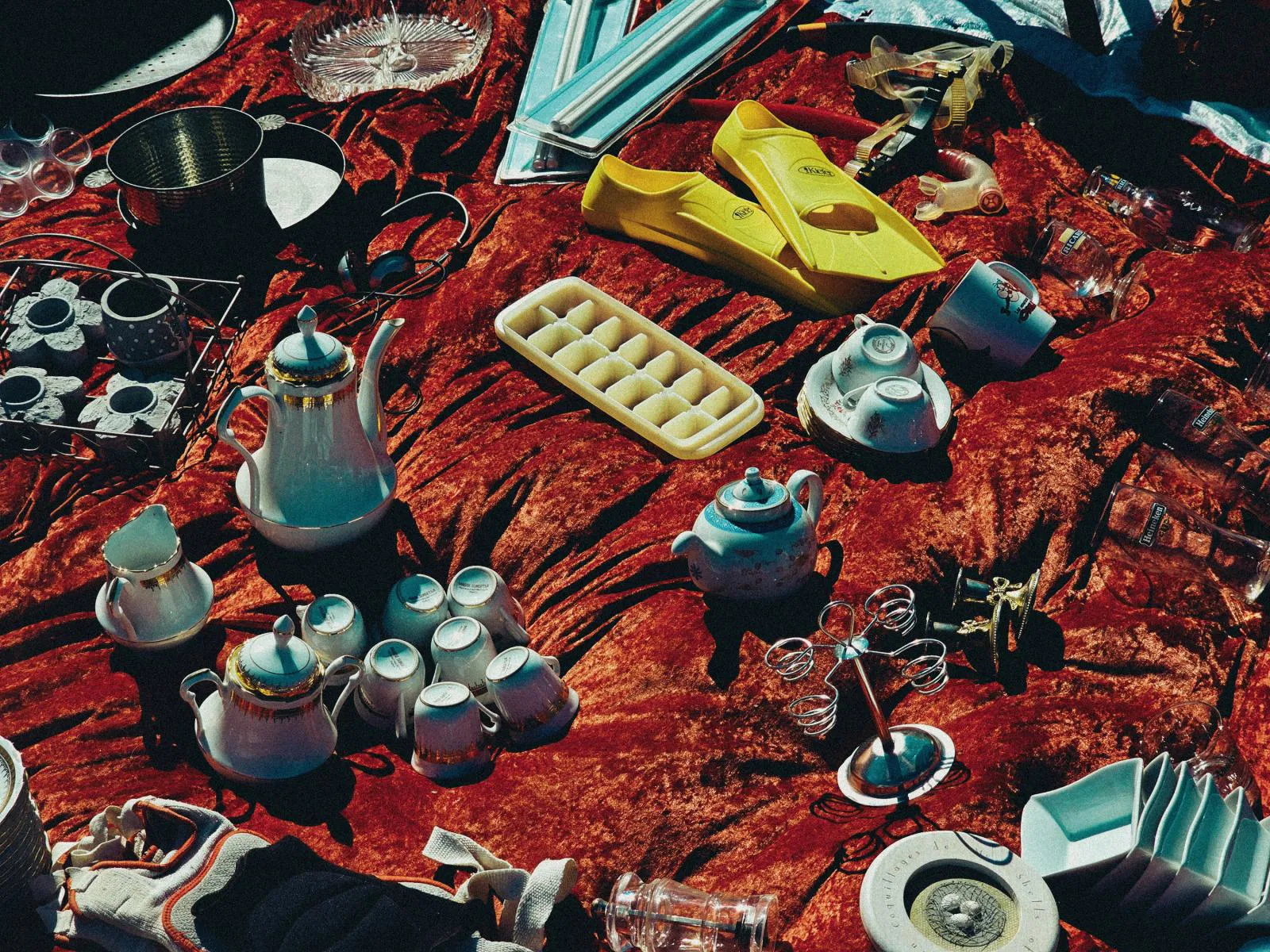
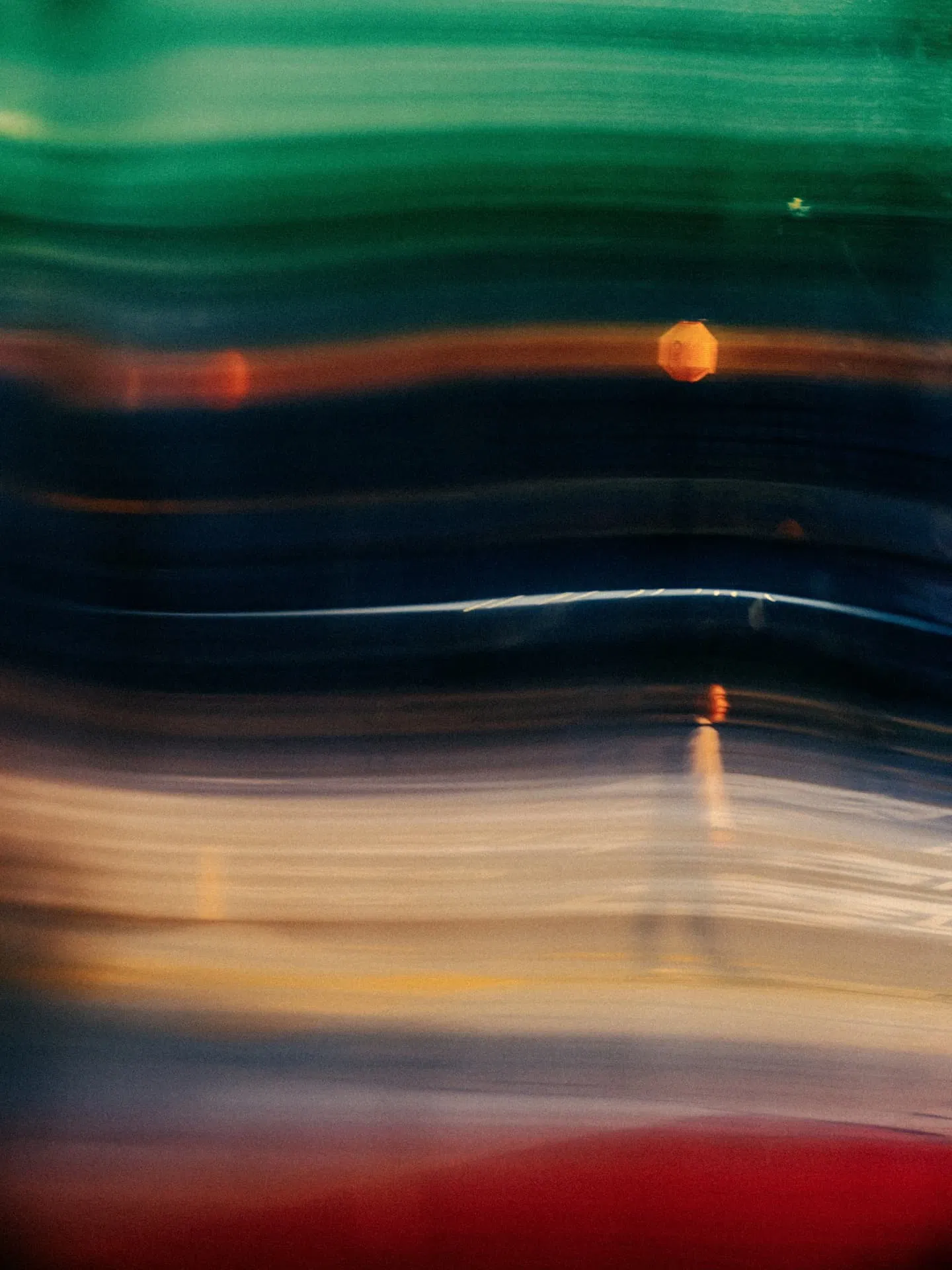
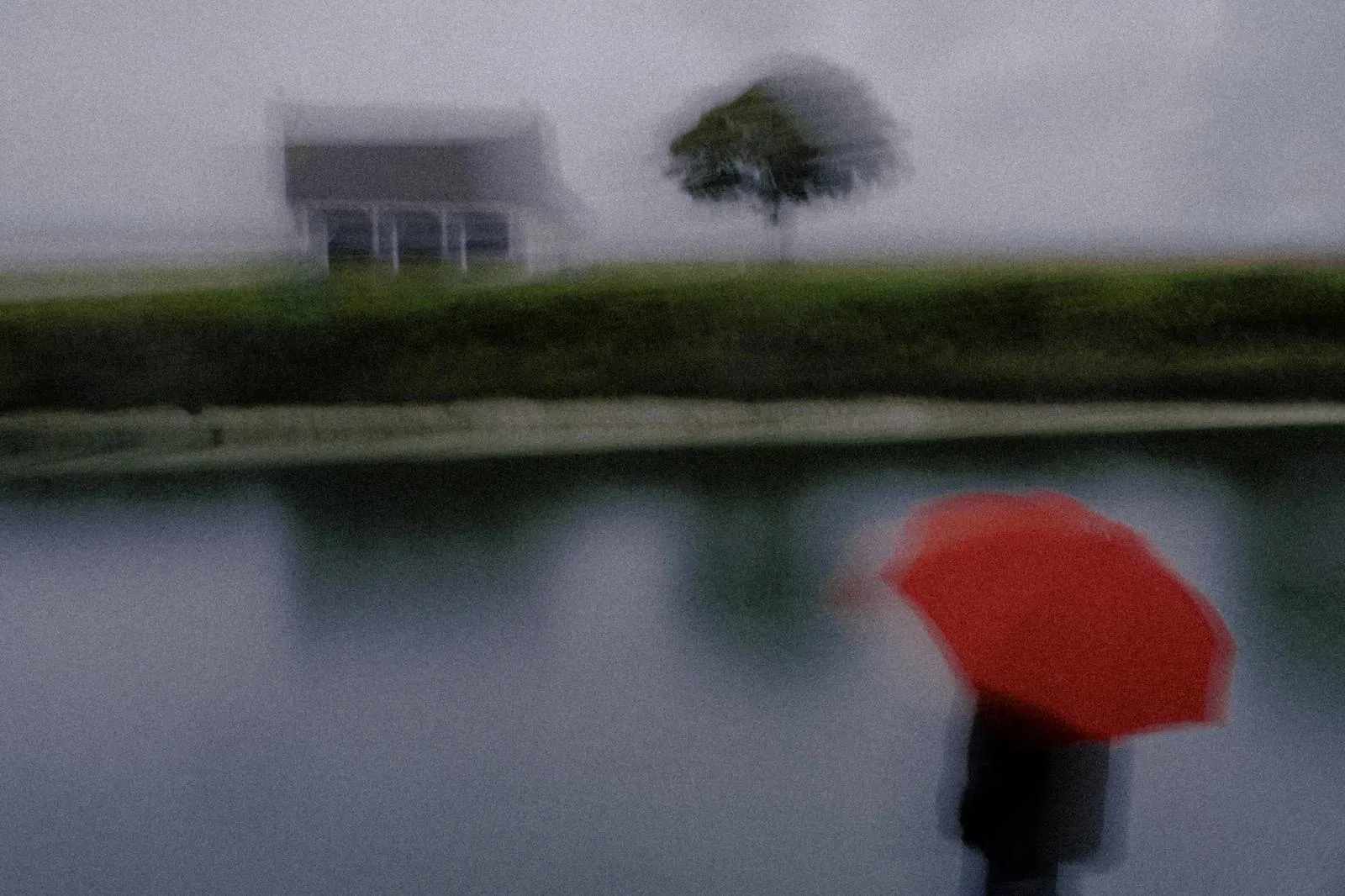
These references are not merely aesthetic, but conceptual. Like the Impressionists before him, Bertin is less concerned with documenting a scene than with conveying its sensation, its fleeting energy. His process embraces imperfection as a means of expression: motion blur, long exposures, and intentional camera movement are deployed not as technical experiments, but as tools to dissolve form and reconstitute it through color and light. The result is imagery that hovers between representation and abstraction, where figures become silhouettes and streets dissolve into fields of tone.
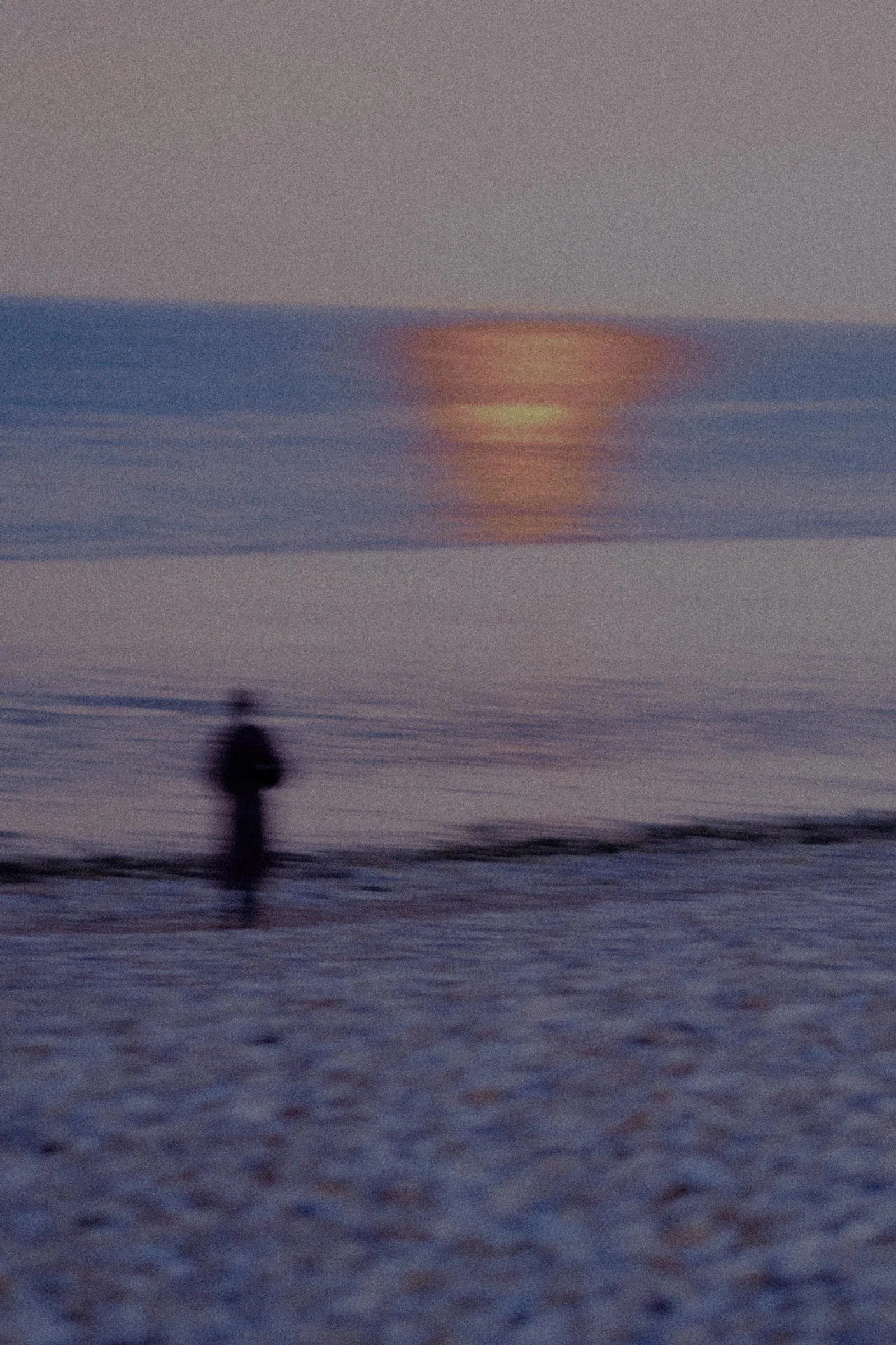
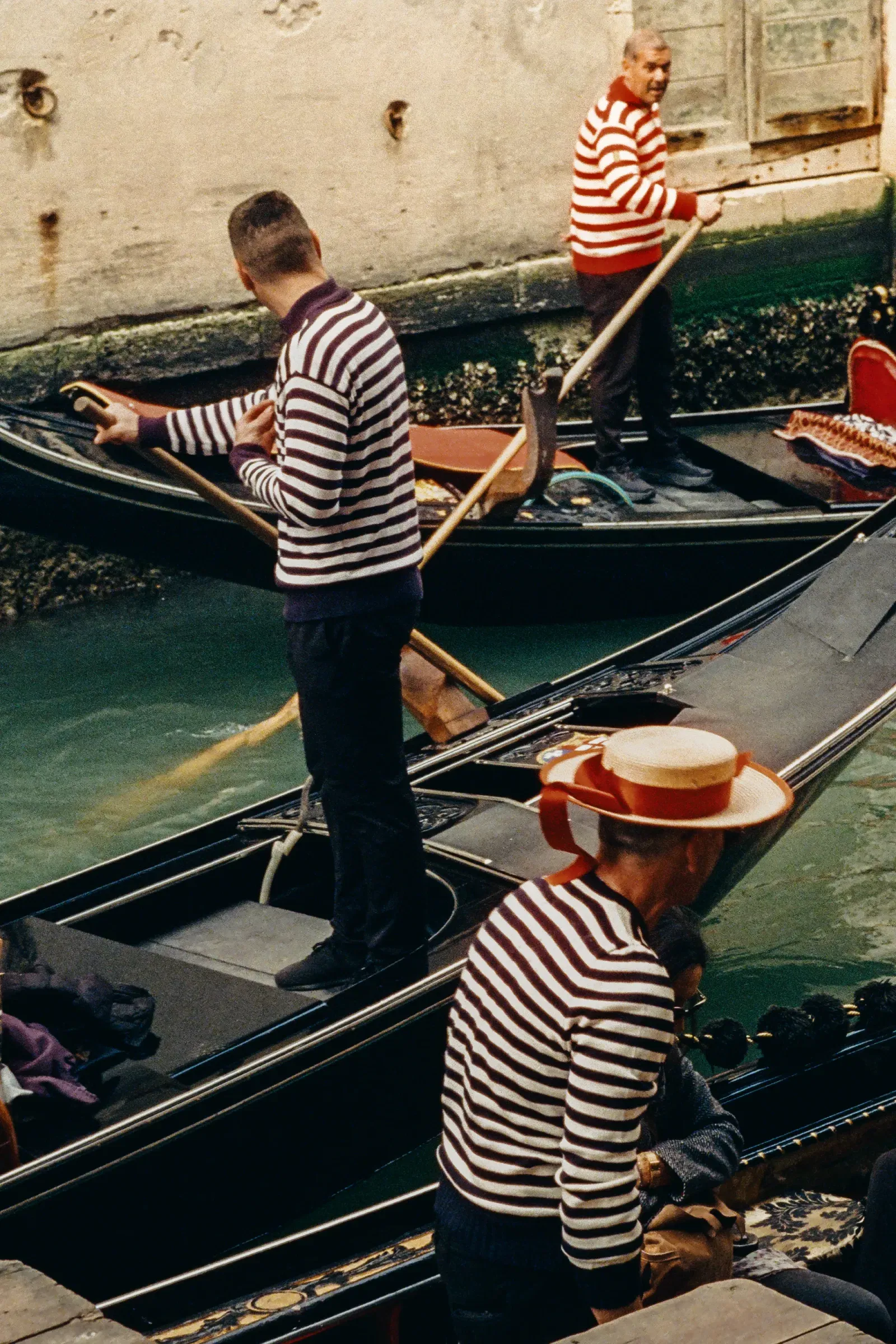
Color, in particular, functions as both subject and structure. “My images often begin with a single color,” he explains, describing a process in which hues emerge from textures, objects, or passing gestures, before expanding outward to shape the entire frame. A red stripe, a blue reflection, the amber glow of late afternoon, these elements anchor his compositions, generating a subtle tension that draws the viewer deeper into the image.
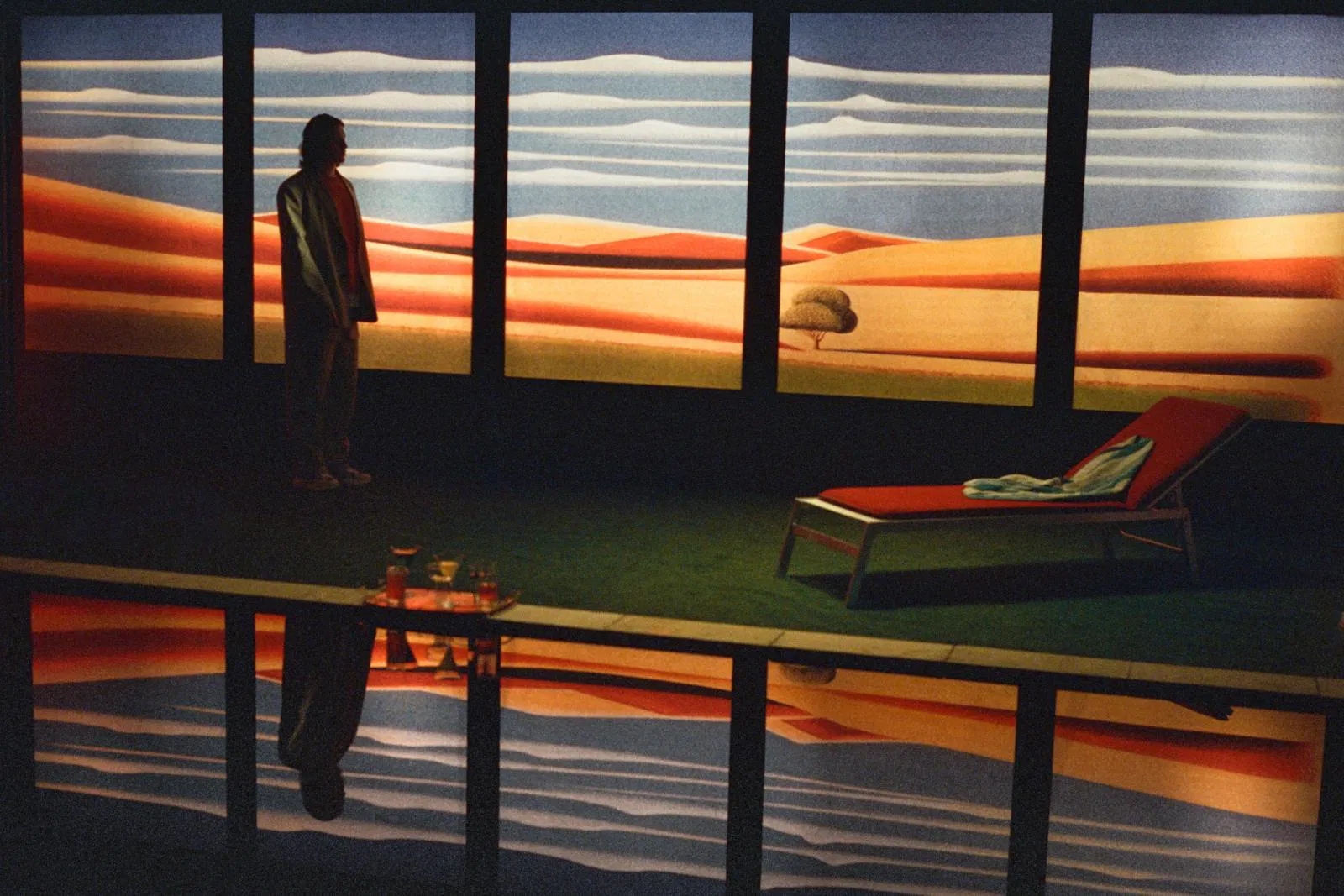
There is also a quiet sense of distance within his work. Subjects are frequently obscured—seen through glass, framed by shadows, or reduced to fleeting traces—creating a perspective that feels both intimate and detached. It is an approach pioneered by other color masters like the great Saul Leiter, and is a way of looking that mirrors the experience of moving through the city itself: observing without interrupting, collecting fragments without fully possessing them.
In an era defined by immediacy and visual overload, Bertin’s photographs ask something different of the viewer. They resist instant readability, unfolding slowly and revealing their nuances over time. It is this quality that defines both his practice and his perspective as a judge; he is drawn to images that, in his words, ‘surprise me, those that resist immediate understanding and reveal themselves over time, inviting you to look again and again.’
His talent has been widely recognised, with his work held in prestigious collections including the Fondation Hermès. Yet, whether through his own imagery, his publishing, or his teaching, the core of Bertin’s work remains the same: it is a poetic and immersive reminder of photography’s capacity not just to describe the world, but to transform it, quietly, subtly, and with enduring effect.
All Images © Jonathan Bertin