

“I like everyday life. I like the hunt for an image, the way the intent to shoot makes you see the city differently.” – Maude Bardet
Maude Bardet is a French photographer whose richly layered street photographs bring together colour, light, texture and composition, turning fleeting moments into striking images.
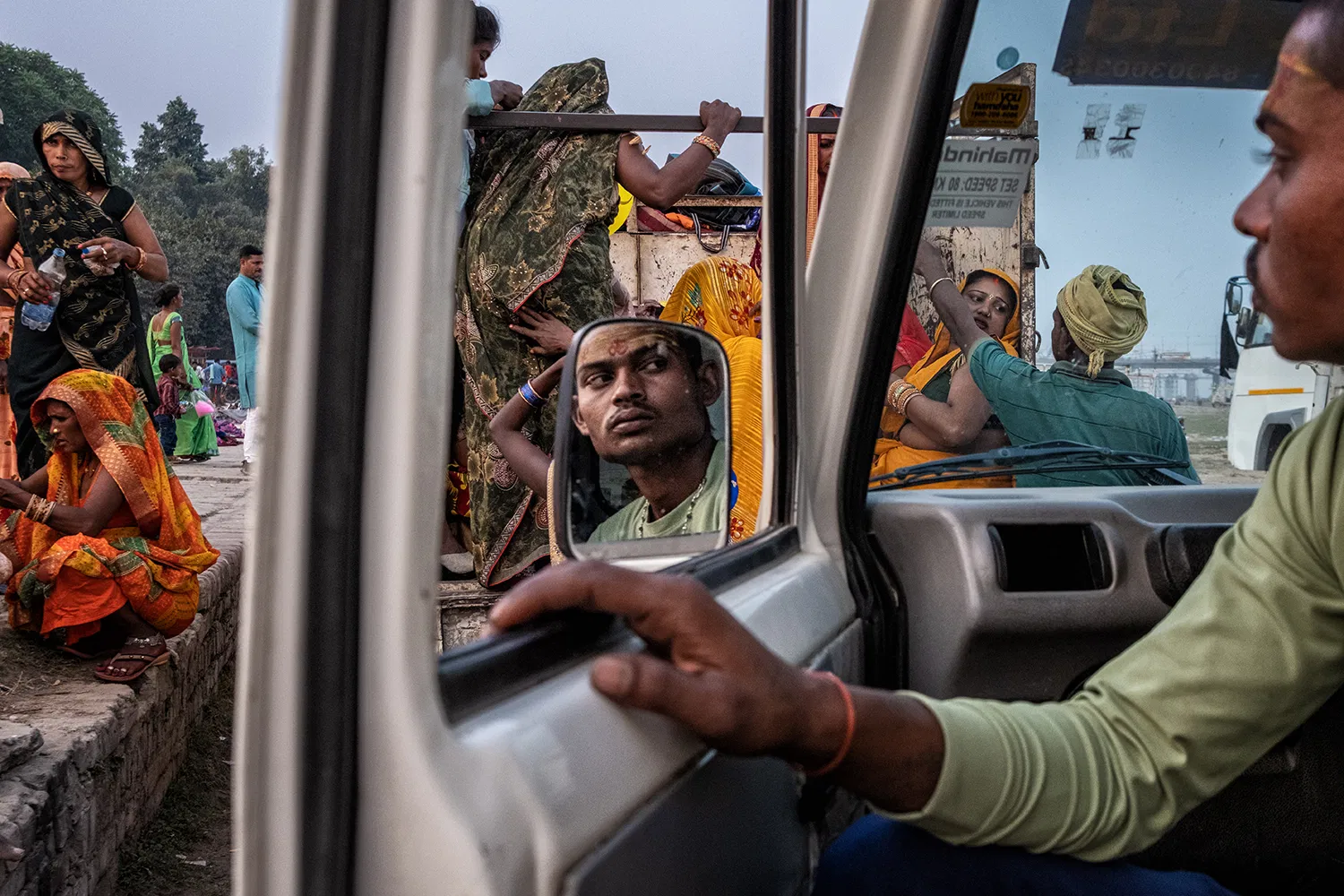
Bardet first caught the attention of our Editors in 2020, when entries to our Open Call and Street Photography Awards were selected as Editors’ Picks. Later that year, her striking photograph of a goat auction in Oman was chosen as the winner of our 2020 Street Photography Award by juror Richard Kalvar. She went on to become a finalist for our 2021 Street Photography Award, judged by Nikos Economopoulos, the photographer who had first introduced her to street photography several years earlier.
Bardet has had a camera since her early teenage years. She initially photographed architecture and landscapes before moving towards environmental portraiture. But finding the cultures she wanted to photograph meant travelling to increasingly remote places, which was both difficult and expensive. “I began searching for something that would be possible everywhere,” she explains. “Making photos of the ordinary.”


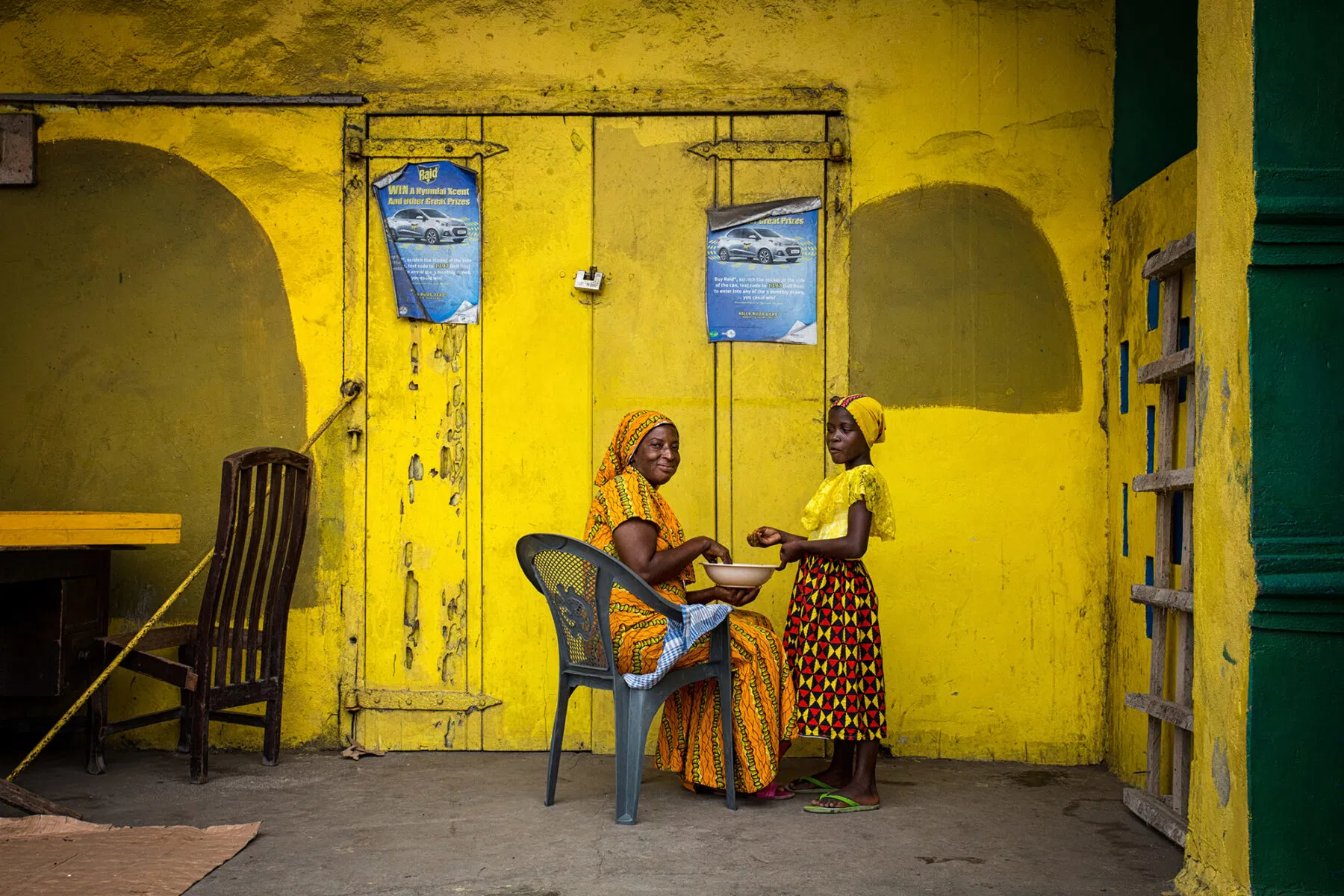
That shift began to take shape during a workshop with Economopoulos in Ghana in 2017. Until then, Bardet says she had only a vague understanding of what made a good street photograph. Economopoulos conducted extensive public reviews of the participants’ work, allowing her to learn not only from his advice but from the photographs and feedback of the other photographers taking part.
The workshop changed the way she approached photography. Rather than travelling somewhere with a fixed idea of what she wants to photograph, Bardet prefers to let the street dictate what happens. “I like the hunt for an image,” she says, describing how simply setting out with the intention to shoot can change the way she sees a city. “I also try not to expect something and to go with what happens.”


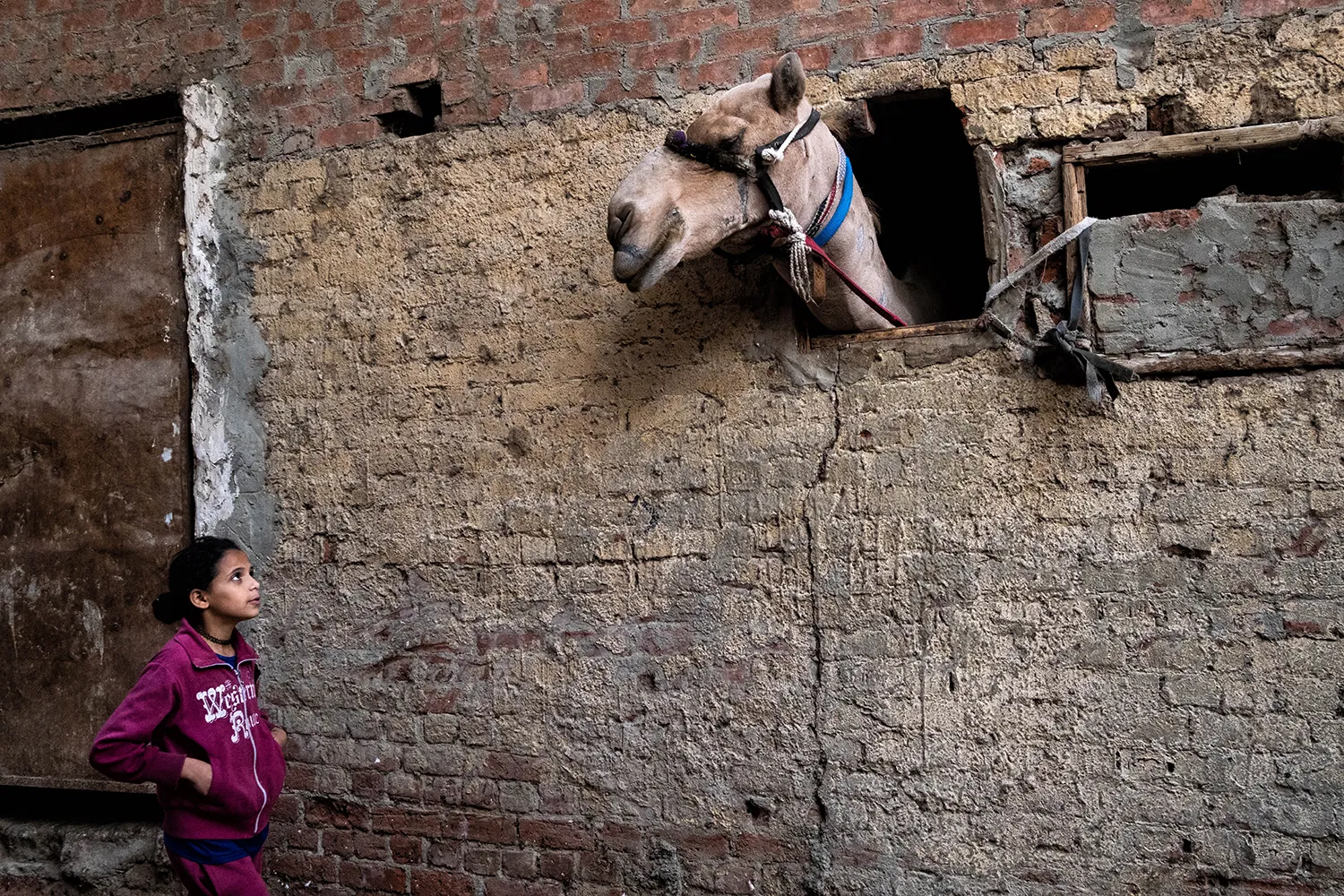
Her approach is instinctive, but there are certain things she is always looking for. “I think colors and textures are essential to the way I see a scene,” she says. A particular pop of tone or light might catch her attention, prompting her to stop and watch what is happening around it. If nothing comes together, she might return the next day and try again.


For Bardet, though, seeing the possibility in a scene is only the beginning. Composition is what makes the photograph work. She is drawn to busy places, particularly markets and crowded streets, where multiple elements can be brought together and layered within a single frame.
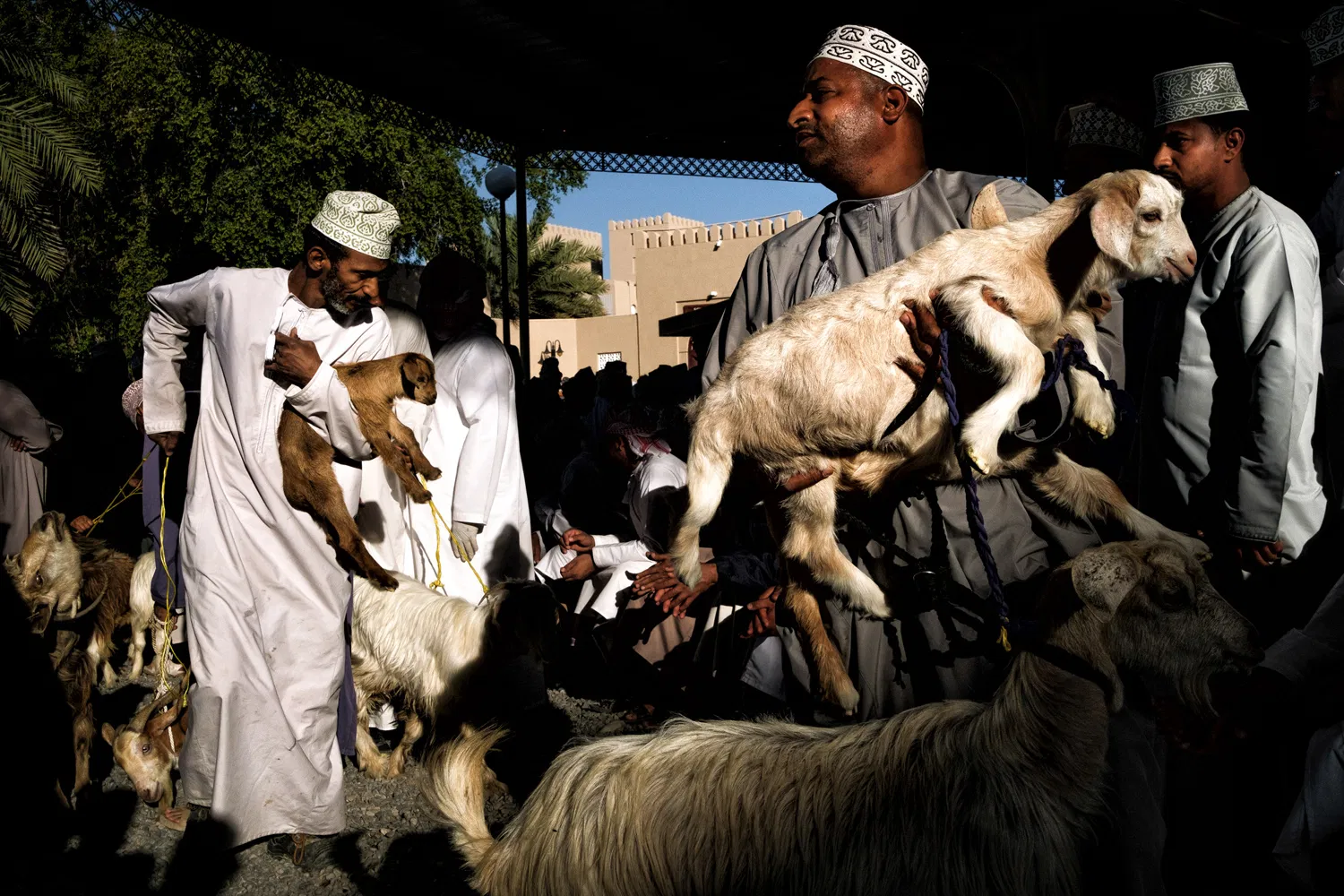
Her winning photograph from the goat auction in Oman is a good example of this instinctive approach. The trip itself had been, in her words, “not very productive”, but the auction was different. Bardet had to wake at 4 am to make it there, arriving in something of an automatic mode, only to find the place transformed by the early morning light. She began photographing, moving through the crowd of animals to get closer to the action and the resulting image would become one of her most recognised.


Getting an immersive impression meant getting very close. “It doesn’t matter that I probably smelled like a goat for the rest of the day,” she says. “You really have to rub against so many of them in the course of the shoot if you want an immersive impression.”

At the time, Bardet had received relatively little recognition for her work, so winning the award was particularly meaningful. “I was very pleased that this image got the award,” she says. “It also made me more confident.” Since then, her work has continued to develop through conversations with other photographers, particularly Maciej Dakowicz, whose practical feedback helped her become more critical of her own images.

She believes there are useful principles to learn when starting out in street photography, but ultimately the photographer has to find their own way through them. “Even if you end up breaking rules and developing your own style,” she says. It is a process Bardet herself is still engaged in, one photograph, one encounter and one instinct at a time.
All images © Maude Bardet