

“Gods always behave like the people who make them.” – Zora Neale Hurston (opening epigraph)
FERVOR, the new monograph by Guatemalan photographer Juan Brenner, explores the changing relationship between faith, identity and everyday life in Guatemala’s Western Highlands.
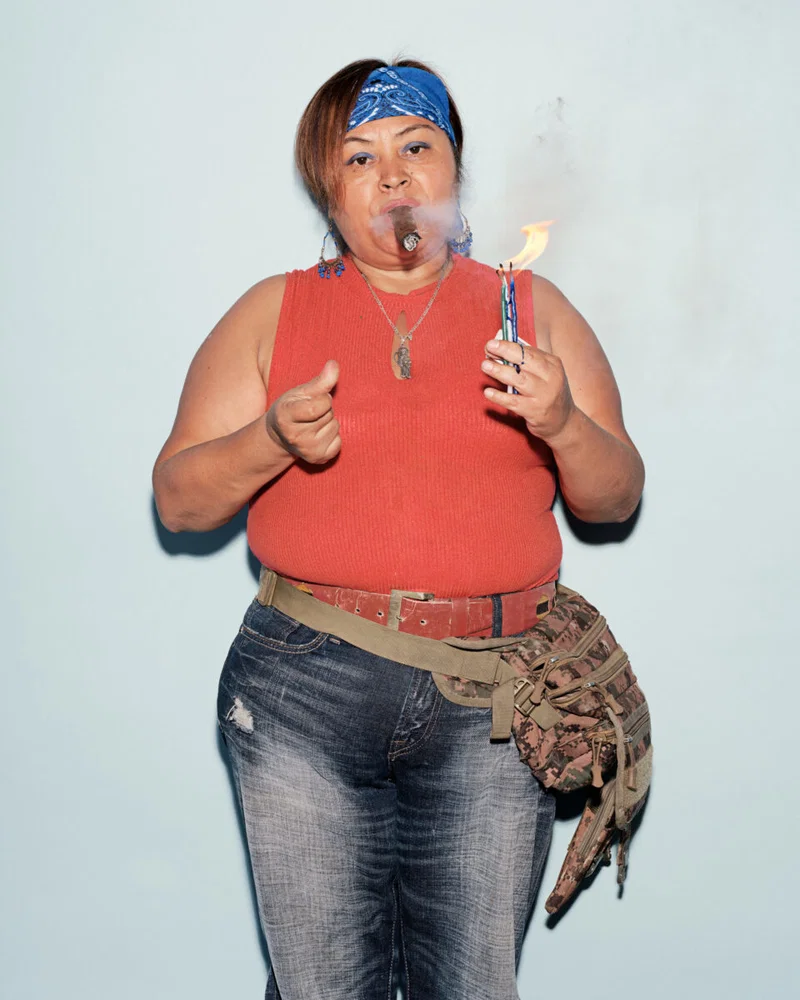
At the heart of the project is San Simón, also known as Maximón or El Abuelo, a folk saint whose origins lie in the meeting of Indigenous spirituality and Catholicism. Yet his presence in Guatemala is far removed from that of a figure preserved in the past. He continues to evolve with the communities that worship him, appearing in domestic shrines and public processions, while his image has also found its way into the digital world through social media and the lives of a younger generation.


Brenner spent years researching the communities and traditions that surround San Simón, working with local collaborators and becoming immersed in the places he photographed. The resulting images are direct and physical, often made with fill-flash that brings the details of his subjects sharply into view: the intricate patterns of a huipil, worn snakeskin boots, or vibrant blue pigment spread across jagged rock.
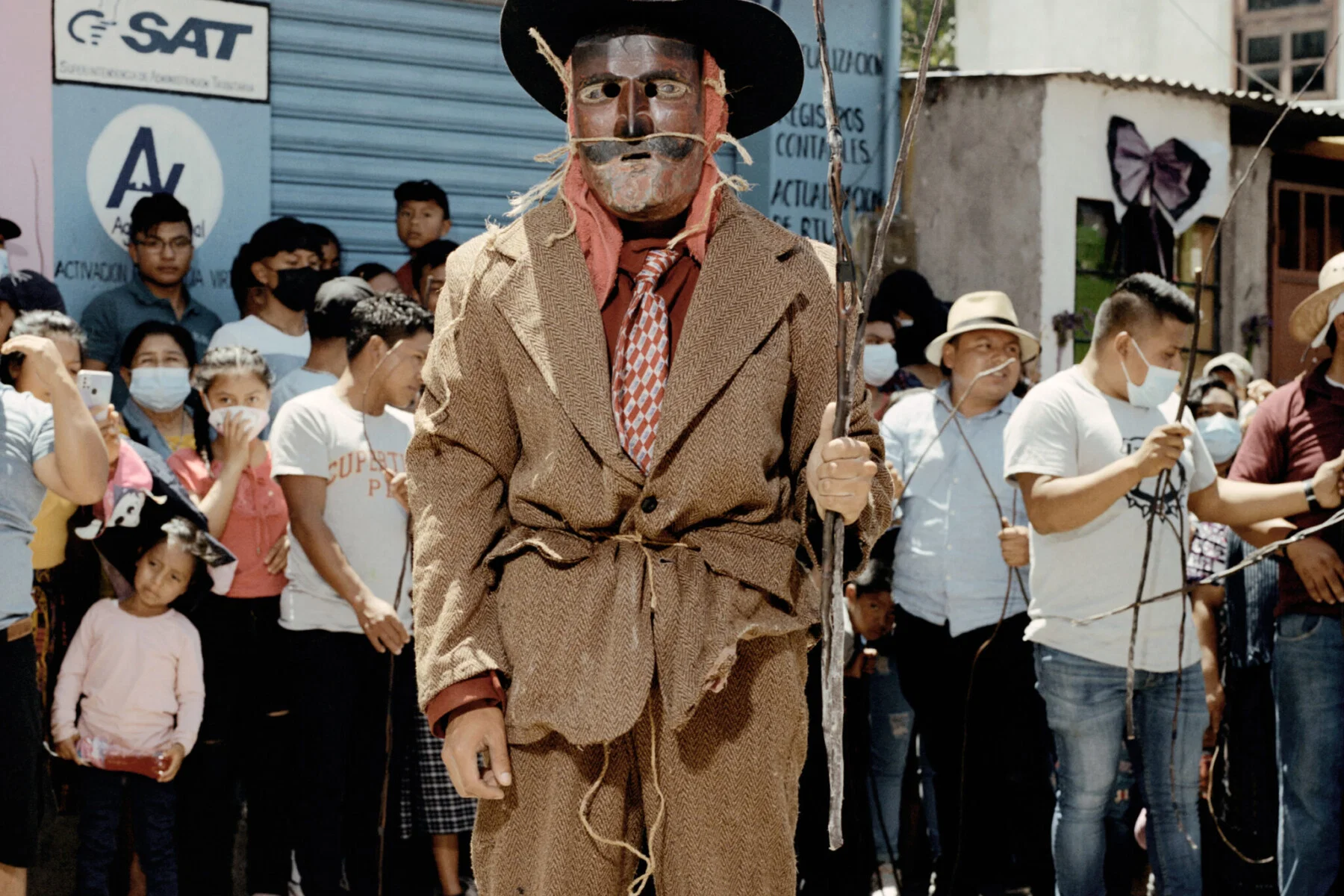
This mixture of old and new runs throughout FERVOR. An image of a masked figure holding a ceremonial staff outside a government SAT (tax administration) office creates an arresting juxtaposition between Indigenous ritual and the machinery of the modern state. Elsewhere, an extreme close-up of a “KAIBIL” tattoo, referencing Guatemala’s elite counter-insurgency force, sits alongside men carrying a wooden effigy, bringing the country’s history of conflict into the same visual space as its contemporary religious practices.

The book continues many of the ideas that have run through Brenner’s work over the past decade. His 2019 debut, Tonatiuh, followed the historical route of conquistador Pedro de Alvarado through Guatemala, using the landscape and its people to consider the continuing effects of the Spanish invasion. In 2024’s Genesis, he turned his attention towards a younger generation in the Highlands, exploring the meeting of local traditions with global aesthetics and a changing sense of identity. FERVOR brings these threads together through spirituality, placing San Simón at the centre of a world where history, belief and contemporary life remain closely intertwined.


Brenner’s photographs move between portraits, details, rituals, and landscapes, gradually building a picture of the communities around San Simón rather than following a straightforward narrative. Tattooed young men appear alongside domestic altars and public processions, while seemingly ordinary details become loaded with meaning through their proximity to the rituals and people around them. The effect is a portrait of a place where different generations, beliefs and influences exist side by side.

The physical book reflects this sense of movement. Its opening essay uses staggered, stepped typography, with text and imagery moving across the pages rather than sitting neatly within their own spaces, creating a visual rhythm that continues the book’s interest in the boundaries between different worlds.


The quote from Zora Neale Hurston that opens FERVOR provides a fitting way into the project: “Gods always behave like the people who make them.” San Simón is not a fixed figure, belonging solely to some distant past; his image, rituals, and meaning continue to change alongside the people who sustain them. He appears in the shrine and on the street, in ancestral traditions and contemporary culture, and increasingly in the digital spaces occupied by a younger generation.

What Brenner has created is a portrait of faith as something living and continually changing, shaped by the history and circumstances of the people who practice it. Perhaps this is what makes Hurston’s words so apt: the San Simón we encounter in FERVOR ultimately tells us as much about the people who worship him as it does about the god himself.
All images © Juan Brenner
FERVOR is available via Editorial RM here.